Do Shelters Kill Cats: Unveiling the Truth
Imagine walking into a room filled with hopeful eyes and soft purring sounds. Each cat has a story, a past, and a yearning for a warm home.
But there’s a lingering question that might haunt you: Do shelters kill cats? This unsettling thought can make your heart race and your mind swirl with worry. You want to make a difference, but first, you need to know the truth.
Stay with us as we unravel the reality behind this pressing concern, exploring what really happens in shelters and how your choices can save lives. Let’s dive deep into this world of compassion and challenge the myths together.
Shelter Policies
Shelters play a crucial role in managing stray and abandoned cats. Their policies directly impact the lives of these animals. Understanding these policies can help in making informed decisions about supporting or adopting from shelters.
Euthanasia Practices
Shelters often face limited space and resources. This sometimes leads to difficult choices, like euthanasia. Euthanasia practices vary widely between shelters. Some shelters operate as “no-kill” facilities. They avoid euthanizing healthy animals. Other shelters may euthanize due to illness, aggression, or overcrowding. These decisions are often heartbreaking. Shelter staff work hard to find alternatives. Community support can reduce the need for euthanasia.
Adoption Strategies
Shelters use various strategies to increase cat adoptions. One common approach is hosting adoption events. These events bring animals to public places. This gives them more exposure to potential adopters. Some shelters also offer reduced adoption fees. This encourages more people to adopt. Online listings help too. They showcase cats available for adoption. These strategies aim to find loving homes for cats quickly. Adoption saves lives and creates happy endings for shelter cats.

Credit: m.youtube.com
Statistics And Data
Understanding the statistics and data about shelter cats is crucial. It helps to shed light on their fate in shelters. Numbers tell stories of survival and loss. They reveal trends and patterns. This data guides efforts to improve shelter outcomes for cats.
National Trends
Nationally, shelter statistics show varying outcomes for cats. Many shelters report high intake rates. Cats often make up a significant portion of these numbers. Euthanasia rates have been decreasing over the years. More shelters are adopting no-kill policies. Live release rates have improved. This means more cats find homes or rescues.
Regional Differences
Shelter outcomes vary greatly by region. Some areas have higher adoption rates. Others may struggle with overpopulation. The South often reports higher euthanasia rates. Northeastern shelters tend to have lower numbers. Climate and culture can affect these statistics. Urban areas may face different challenges than rural ones.
Factors Affecting Cat Outcomes
Understanding the factors affecting cat outcomes in shelters is crucial. These factors can influence whether a cat is adopted or euthanized. Shelters face many challenges, and each cat’s journey is unique. By exploring these factors, we can work towards better solutions for shelter cats.
Health And Age
A cat’s health greatly impacts its fate in shelters. Healthy cats find homes more easily. Cats with illnesses need special care, which some shelters cannot provide. Age also plays a role. Kittens are often adopted faster. Older cats may wait longer for a home. Senior cats sometimes face euthanasia due to health costs.
Behavioral Issues
Behavioral issues can affect adoption chances. Cats with aggressive behavior may struggle to find homes. Fearful or shy cats often hide from visitors. This makes it hard for potential adopters to connect. Shelters may lack resources for behavioral training. Improving a cat’s behavior can increase its chances of adoption.

Credit: vocalforpets.org
Alternatives To Euthanasia
Many people are unaware of the alternatives to euthanasia that can help save cats in shelters. If you have ever wondered whether there are ways to prevent the unnecessary killing of these innocent animals, you’re not alone. The truth is, there are several strategies that shelters and communities can adopt to ensure more cats find loving homes instead of facing a tragic end.
Foster Programs
Foster programs can be life-changing for shelter cats. By temporarily placing them in homes, you give them a chance to thrive outside the stressful shelter environment. This not only improves their behavior but also their health.
Consider joining a foster program in your community. You can make a significant impact by providing a safe space and care for a cat in need. It’s a rewarding experience that can enrich your life while also saving a life.
Imagine the difference you could make by opening your home for just a few weeks. Each fostered cat is one step closer to finding a permanent family. Why not be that stepping stone?
No-kill Shelters
No-kill shelters have a clear mission: to save as many lives as possible. They focus on rehabilitation, adoption, and community outreach. By supporting these shelters, you contribute to a system that values life over convenience.
Have you ever visited a no-kill shelter? You might be surprised by the dedication and compassion of the staff and volunteers. They work tirelessly to ensure every cat has a chance at a happy life.
Think about how you can support these shelters. Whether it’s through donations, volunteering, or spreading the word, every little bit helps. Together, you can make a difference and help create a world where euthanasia is a last resort, not a first option.
Role Of Community Support
When it comes to saving the lives of cats in shelters, community support plays an indispensable role. It’s not just about funding or donations; it’s about creating a network of individuals who care deeply about animal welfare. You have the power to make a real difference, and it starts by understanding how you can contribute effectively.
Volunteer Contributions
Volunteers are the backbone of any shelter. Without them, many shelters would struggle to operate effectively. You can offer your time to feed, clean, and socialize with cats, making them more adoptable.
Have you ever thought about how a simple act of kindness could change a life? By volunteering, you provide emotional support and care, which are vital for a cat’s well-being.
Consider sharing your experiences with others. Your story might inspire someone else to volunteer, creating a ripple effect that saves more lives.
Public Awareness Campaigns
Public awareness is crucial in driving change. Campaigns can educate the community about the realities of shelter life and the importance of adoption. What if more people knew the truth about shelters and their challenges?
Through social media, workshops, or community events, you can spread the word. You can use platforms like Facebook or Instagram to reach a wider audience. Just imagine the impact of a well-targeted campaign on public opinion.
Engage with local businesses and schools to create partnerships that amplify the message. When community members understand the issues, they are more likely to support shelters in various ways.
Community support is a powerful force. It’s not just about saving cats; it’s about creating a culture that values and protects all animals. How will you contribute?
Success Stories
Shelters save many cats, but some still face euthanasia due to space, health, or behavior issues. Success stories highlight efforts that find homes for these cats, proving that awareness and community involvement can make a difference.
Success stories from animal shelters can warm your heart and offer hope to many. These stories show that with the right care and resources, shelters can transform the lives of cats. They highlight the resilience of these animals and the dedicated efforts of those who work tirelessly to give them a second chance.Rehabilitation Cases
Rehabilitation cases are often at the heart of these success stories. Consider the tale of Luna, a timid cat found on the streets, malnourished and frightened. With consistent care, including a balanced diet and gentle socialization, Luna transformed into a playful and loving companion. Shelters work hard to understand each cat’s unique needs. By providing both medical care and emotional support, they help cats overcome past traumas. The journey of rehabilitation can be long but witnessing a cat’s transformation is incredibly rewarding. How can you contribute to such transformations? Volunteering your time or resources to a local shelter can make a significant difference in these rehabilitation efforts.Innovative Programs
Innovative programs play a crucial role in creating success stories. Many shelters are now implementing foster care programs. These programs allow cats to experience a home environment, which can be less stressful than a shelter. Some shelters use technology to enhance adoption rates. Virtual meet-and-greets and online profiles help match cats with potential adopters. This approach not only speeds up the adoption process but also ensures a better fit for both the cat and the adopter. Have you considered fostering a cat or participating in virtual adoption events? These innovative programs provide opportunities for you to make a meaningful impact in a cat’s life. Success stories remind us of the potential within every cat. They inspire action and compassion. What part will you play in the next success story?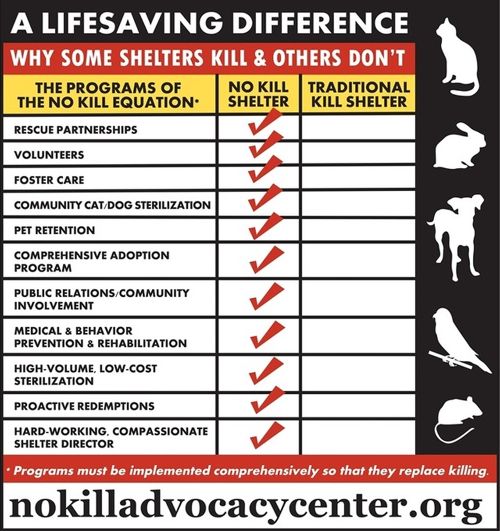
Credit: www.hsnba.org
Frequently Asked Questions
Is It Bad To Give A Cat To A Shelter?
Giving a cat to a shelter can be necessary. Shelters provide care and a chance for adoption. Ensure the shelter is reputable and can meet the cat’s needs. It’s vital to consider alternatives like finding a new home first.
What Happens When A Cat Goes To A Shelter?
A cat in a shelter gets health check-ups, vaccinations, and care. Staff assess its behavior and needs. It’s offered food, water, and a clean space. The goal is adoption, so it’s matched with potential owners. Socialization and playtime are provided to improve well-being.
Volunteers often assist in care.
What Percentage Of Cats Are Euthanized In Shelters?
Approximately 45% of cats in U. S. shelters are euthanized annually. This number can vary by location. Reducing this rate involves spaying, neutering, and adopting from shelters. Awareness and responsible pet ownership can help save more cats.
Are Shelters Traumatic For Cats?
Shelters can be stressful for some cats due to unfamiliar environments and noises. Each cat’s experience varies. Providing comfort and care helps reduce stress. Adopting from shelters can offer them a stable, loving home, improving their well-being. Always consider a cat’s individual needs when transitioning them from a shelter.
Conclusion
Shelters play a crucial role in caring for homeless cats. Many strive to save lives and find loving homes. Yet, challenges exist. Overcrowding and limited resources can lead to difficult decisions. It’s important to support shelters through donations and volunteering.
This can help improve conditions and increase adoption rates. Awareness and education also make a difference. Understanding the real situation empowers compassionate action. Each effort counts. Working together, we can help ensure more cats find safe, loving homes. Let’s continue supporting shelters and advocating for better solutions.
Every cat deserves a chance at a happy life.