How to Get Cat to Use Litter Box: Easy Steps to Success

If you’ve ever found yourself frustrated by your cat’s reluctance to use the litter box, you’re not alone. Dealing with a feline friend who prefers the living room carpet over their designated bathroom area can be both confusing and stressful.
But what if there was a straightforward way to solve this issue? Imagine the relief of having a clean, odor-free home and a happy cat that uses the litter box every single time. You can achieve this harmony by understanding a few key behaviors and making simple adjustments to your routine.
In this guide, you’ll discover effective strategies to encourage your cat to use the litter box, ensuring a peaceful coexistence in your home. Let’s turn this challenge into an opportunity for a happier, cleaner living space.

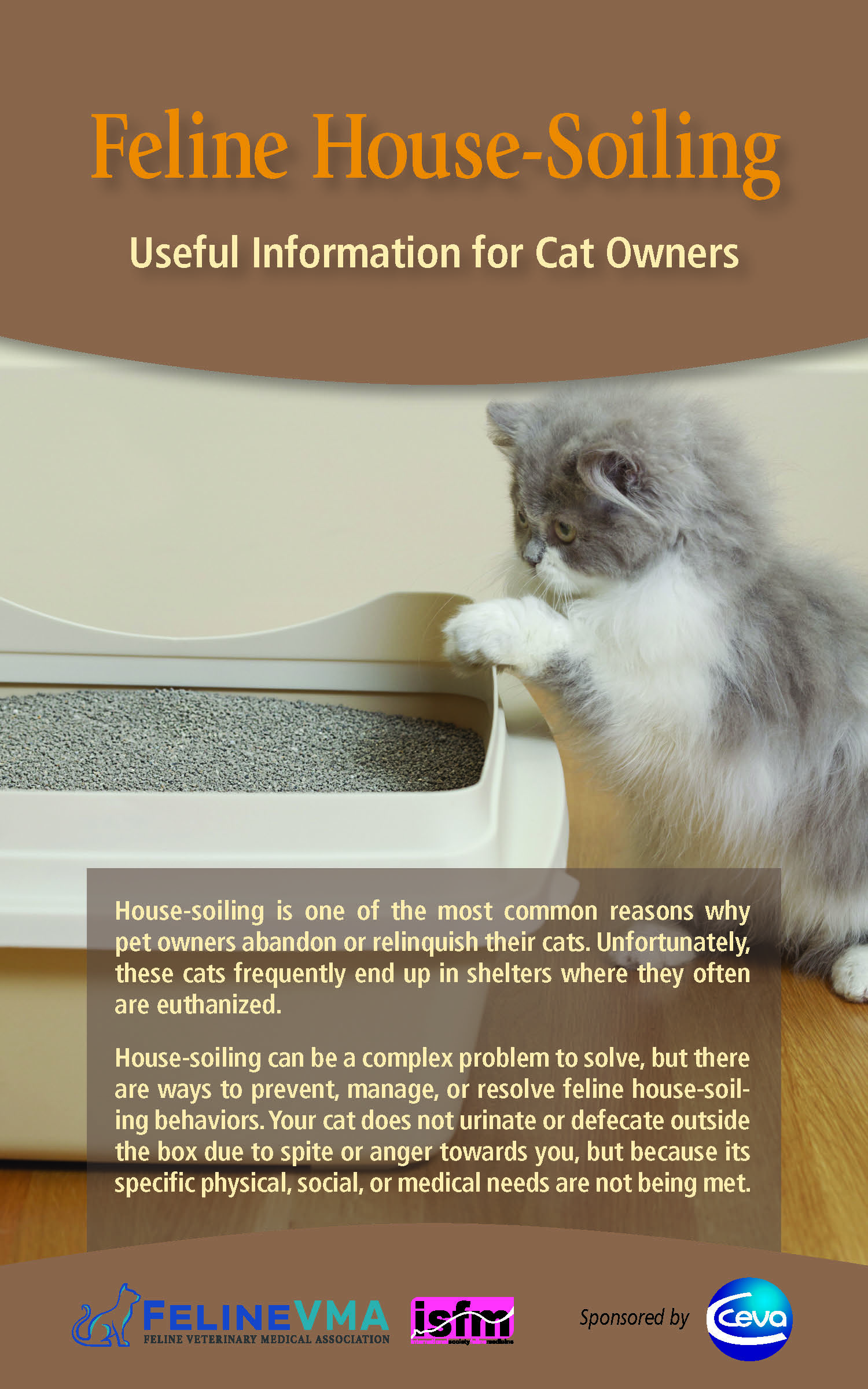
Credit: www.humaneworld.org
Choosing The Right Litter Box
Getting your cat to use the litter box consistently can be a real challenge. A critical step in this process is choosing the right litter box. The choice of litter box can significantly impact your cat’s comfort and willingness to use it. Let’s dive into some important considerations that will help you make the best choice.
Size And Type Considerations
Finding the perfect size and type of litter box is crucial. A box that’s too small might deter your cat from using it. You should aim for a box that allows your cat to turn around easily and dig without feeling cramped.
Consider the height of the box as well. If your cat is a kitten or has mobility issues, a lower box can be easier to access. However, if your cat tends to kick litter everywhere, a higher-sided box might help contain the mess.
Think about the material too. Plastic boxes are common, but some cats might prefer a different texture. It’s worth experimenting if you’re having trouble getting your cat to use the box regularly.
Covered Vs. Uncovered Options
Do you think your cat prefers privacy or openness? A covered litter box can offer privacy but might trap odors, which could be unpleasant for your cat. On the other hand, an uncovered box provides more ventilation but might expose the litter mess.
I once thought a covered box was the answer for my shy cat. But she hated the enclosed space and refused to use it. Switching to an uncovered box solved the problem instantly. It’s amazing how such a small change can make a big difference.
Observe your cat’s behavior. If they seem hesitant or stressed, it might be the box type. Try both options and see which your cat prefers. Remember, their comfort is key to ensuring they use the litter box consistently.
Have you ever considered that the litter box could be the reason your cat isn’t using it? By choosing wisely, you might solve a problem that seemed daunting.
Selecting The Perfect Litter
Choosing the right litter encourages your cat to use the litter box happily. Consider their texture preference, as some cats prefer softer litter. A clean, odor-free box keeps them returning, ensuring a stress-free experience for both you and your feline friend.
Selecting the right litter for your cat’s box can be a game-changer. Many cat owners don’t realize how picky their feline friends can be about what’s under their paws. Your choice can significantly influence whether your cat uses the litter box or finds a less desirable spot. Let’s dive into the types of litter available and find out which one might be the best fit for your furry companion.Clay Vs. Clumping
Clay litter is one of the most traditional options available. It’s often budget-friendly and does a decent job absorbing moisture. However, it can be quite dusty. If you or your cat have respiratory issues, this might not be the best choice. Clumping litter, on the other hand, forms solid clumps when it gets wet. This makes scooping and cleaning a breeze. Imagine the ease of removing just the soiled parts, leaving the rest of the litter box fresh. It’s a bit pricier but worth the convenience. Which seems more suitable for your lifestyle and your cat’s needs?Scented Vs. Unscented
Scented litters are designed to mask odors. They can be a great option if you’re concerned about smells lingering in your home. However, cats have a much stronger sense of smell than humans do. A strong scent might deter them from using the box altogether. Unscented litters allow your cat to feel more comfortable. They don’t cover up odors as effectively, but a regular cleaning routine can help manage smells. It’s crucial to strike a balance between your comfort and your cat’s preferences. Have you noticed how your cat reacts to strong fragrances? Choosing the right litter involves a bit of trial and error. You might find yourself trying several brands before finding the perfect match. But once you do, both you and your cat will be much happier.Finding The Ideal Location
Choosing the perfect spot for a cat’s litter box is key to success. Cats prefer quiet and private areas. Ensure easy access and avoid high-traffic zones for better results.
Finding the right spot for your cat’s litter box is crucial. Cats are particular about where they do their business. An ideal location helps them feel comfortable and safe. It also prevents unwanted messes around your home. Discover how to choose the best spot for your cat’s litter box.Quiet And Accessible Spots
Cats prefer quiet places for their litter box. Loud noises can startle them. This might discourage them from using the box. A calm environment helps your cat relax. Choose a spot where there is minimal disturbance. Ensure the area is also easily accessible. Your cat should not have to jump or climb to reach the box. This ensures they can use it anytime they need.Avoiding High-traffic Areas
Busy places are not ideal for litter boxes. Cats need privacy to feel comfortable. A high-traffic area might stress them out. They might refuse to use the box if people are always walking by. Avoid placing the litter box near doors or hallways. These spots often have frequent activity. A quiet corner in a room is a better choice. This provides your cat with the peace they need.Training Your Cat
Training your cat to use the litter box involves choosing the right location and litter type. Positive reinforcement helps establish good habits. Cleanliness ensures your cat feels comfortable using the box.
Training your cat to use the litter box can be a rewarding experience. It requires patience and understanding, but once mastered, it ensures a cleaner home and a happier pet. Whether you’re welcoming a new kitten or helping an older cat adapt, there are simple steps you can take to make the transition smooth and successful. Ready to learn how? Let’s dive into the essentials of introducing the litter box and encouraging positive behavior.Introducing The Litter Box
Start by choosing the right location for the litter box. Cats value privacy, so pick a quiet spot away from high-traffic areas. Place the litter box in a place where your cat naturally roams. This makes it easier for them to find when nature calls. Consider the type of litter you’re using. Some cats prefer the texture of clumping litter, while others like non-clumping. Experiment to see what your cat prefers.Encouraging Positive Behavior
Use positive reinforcement to teach your cat. Praise them or give a small treat after they’ve used the litter box. Make the litter box inviting. Keep it clean and fresh to encourage your cat to use it regularly. Observe your cat’s behavior. Are they sniffing around or scratching at the floor? These might be signs that they need to go. Train your cat by gently placing them in the litter box when you notice these signs. This helps them associate the box with their natural instincts. Have you ever had to train a stubborn cat? Patience and persistence are key. Remember, every cat is unique, and what works for one might not work for another. Involve your family in the process. Share the responsibility and let everyone contribute to the training. This creates a supportive environment for your cat. What challenges have you faced with litter training? Share your experiences in the comments below and let’s learn from each other. Training your cat to use the litter box is not just about the end result. It’s about building a bond and understanding your cat’s needs. Keep these tips in mind, and you’ll be well on your way to success!Maintaining Cleanliness
Maintaining cleanliness in your cat’s litter box is crucial. Cats are particular about hygiene, and a clean litter box encourages them to use it regularly. A dirty box can lead to undesirable behaviors, including not using the box at all. Ensuring a sanitary environment can make your cat feel comfortable and secure.
Regular Cleaning Routine
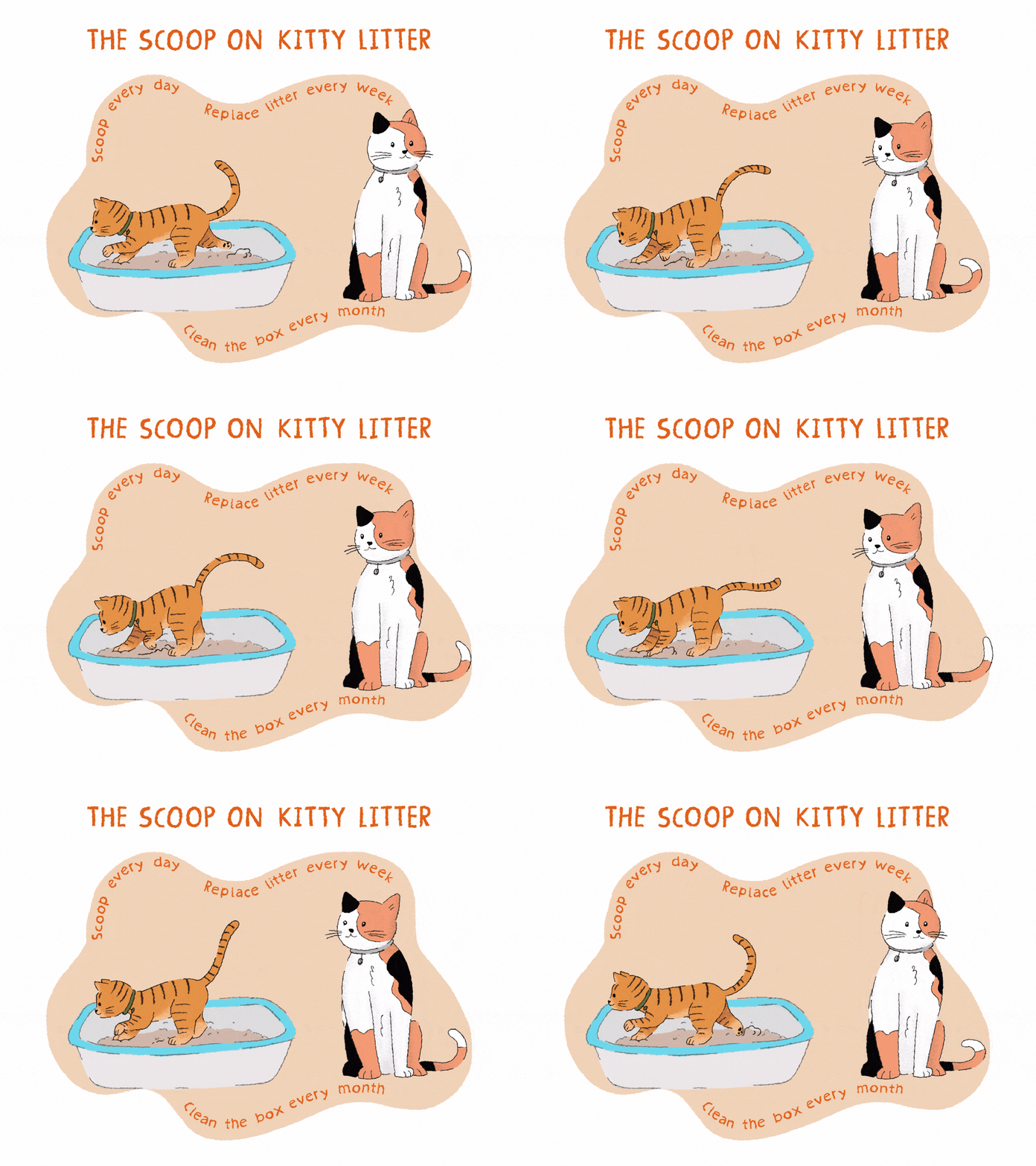
Establish a routine for cleaning the litter box. Scoop waste daily to maintain freshness. Change the litter every week or as needed. Wash the box with mild soap and water. Avoid strong chemicals that might repel your cat. A clean box is inviting and keeps your cat happy.
Handling Odors Effectively
Cat litter odors can be challenging. Use odor-neutralizing products designed for litter boxes. Baking soda can help absorb smells naturally. Ensure proper ventilation around the litter box. This reduces odor buildup. A fresh-smelling box attracts your cat and keeps your home pleasant.

Credit: resources.sdhumane.org
Troubleshooting Common Issues
Struggling with your cat’s litter box habits can be frustrating. Many cat owners face challenges ensuring their feline friends use the litter box consistently. Understanding the root cause of these issues is key. Addressing common problems can help improve your cat’s behavior.
Addressing Reluctance
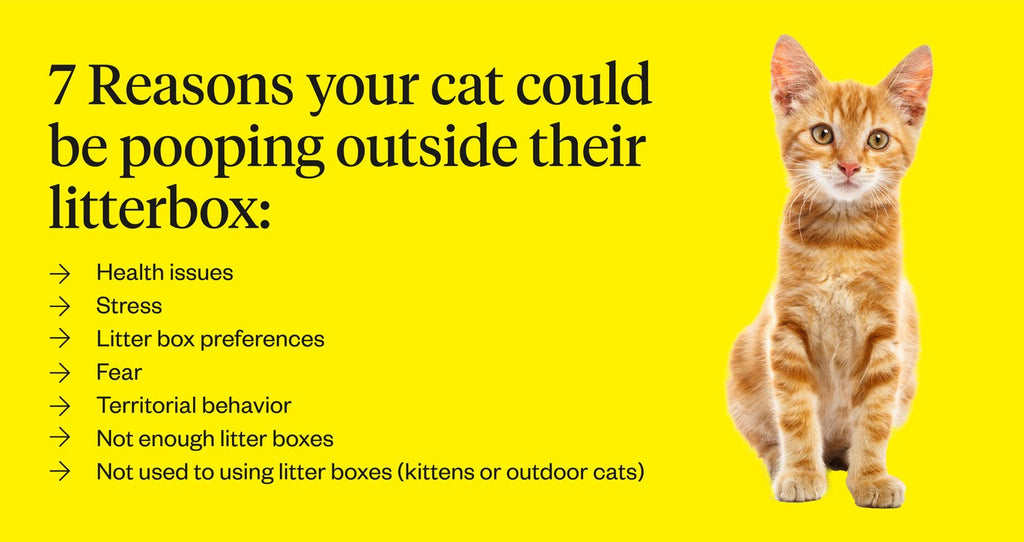
Sometimes, cats avoid the litter box due to discomfort. Check the box’s location. It should be quiet and private. Cats dislike noisy or busy areas. Ensure the box is clean. Cats prefer fresh litter. Scoop the box daily to maintain cleanliness. Consider the type of litter used. Some cats have preferences. Experiment with different textures or scents. Also, ensure the litter box size suits your cat. A box that’s too small can discourage use.
Medical Concerns
If reluctance persists, medical issues could be the cause. Urinary tract infections are common. They can cause discomfort when using the box. Visit a vet for a check-up. Other health problems might be affecting your cat. Pain or discomfort can lead to avoidance. Addressing health concerns can often resolve litter box issues.
Credit: www.banfield.com
Frequently Asked Questions
What To Do If Your Cat Won’t Use The Litter Box?
Clean the litter box regularly to remove odors. Ensure it’s in a quiet, accessible location. Try different litter types. Consult a vet for health issues. Provide multiple boxes for multi-cat households.
How To Encourage A Cat To Pee In A Litter Box?
Place the litter box in a quiet, accessible area. Keep it clean and use unscented litter. Encourage your cat with praise and treats. Consider using a litter attractant. Ensure the box is the right size for your cat. Consult a vet if issues persist.
How Do You Encourage Cats To Poop In The Litter Box?
Place the litter box in a quiet area. Clean it regularly to avoid odors. Use unscented litter that mimics outdoor soil. Ensure the box is accessible and the right size. Reward your cat with treats for using it to reinforce positive behavior.
How To Teach An Adult Cat To Use A Litter Box?
Place the litter box in a quiet, accessible area. Use unscented litter and clean it regularly. Gently place the cat in the box after meals or naps. Reward your cat with treats when they use it. Be patient and consistent for best results.
Conclusion
Helping your cat use the litter box is possible with patience. Remember to keep the box clean and accessible. Cats appreciate a quiet, private space. Ensure the litter type suits your cat’s preferences. Observe your cat’s behavior for any signs of discomfort.
Sometimes, a vet visit is necessary if issues persist. Training a cat takes time and consistent effort. Celebrate small victories along the way. A happy cat makes for a happy home. Keep trying different methods until your cat adapts. Your patience and care will eventually pay off.

Similar Posts