Choosing the right food for your cat can feel overwhelming. With countless brands and formulas on the market, how do you know which one is best for your feline friend?
You want to make sure you’re giving your cat the healthiest, most nutritious option available. Imagine if you could get inside the minds of veterinarians and discover their top recommendations. What insights might they reveal about the best cat food choices?
This article will guide you through what veterinarians suggest, helping you make informed decisions that will keep your cat happy and healthy. Stick around to unlock the secrets that could transform your cat’s diet and well-being.
Nutritional Needs Of Cats
Cats have unique nutritional needs. Understanding these needs ensures their health and happiness. A cat’s diet should provide balanced nutrients for energy, growth, and overall well-being.
Protein: The Building Block
Protein is crucial for cats. It supports muscle growth and repair. Animal-based proteins are ideal. They contain essential amino acids for feline health.
Fat: Essential For Energy
Fats give cats energy. They maintain healthy skin and coats. Omega fatty acids promote brain function and reduce inflammation.
Vitamins And Minerals: Vital Components
Vitamins and minerals support various bodily functions. Vitamin A is crucial for vision. Calcium strengthens bones and teeth.
Water: The Forgotten Nutrient
Water is vital for hydration. It supports digestion and kidney health. Cats often prefer wet food for increased moisture intake.
Tailored Diets For Special Needs
Some cats need specific diets. Senior cats may require joint support. Overweight cats benefit from calorie-controlled meals.

Credit: ponderosavetclinic.com
Factors Veterinarians Consider
Veterinarians focus on nutritional balance, ingredient quality, and specific health needs when recommending cat food. They evaluate protein sources, vitamins, and minerals essential for feline health. Tailoring recommendations to individual cats ensures optimal well-being and vitality.
Understanding what cat food veterinarians recommend can be a game-changer for your feline friend’s health. But how do vets decide what’s best? They consider several factors that help tailor their recommendations to each cat’s unique needs. Let’s dive into some of these key considerations.Age And Life Stage
Cats have different nutritional needs at various stages of life. A playful kitten requires food rich in protein and fat to support its rapid growth. On the other hand, an adult cat may need a balanced diet to maintain its weight. Senior cats often benefit from foods with added nutrients to support joint health. Have you ever noticed how your cat’s behavior changes with age? Their dietary needs evolve too, so it’s crucial to adjust accordingly.Health Conditions
Specific health issues demand specialized diets. A cat with kidney disease might need a diet low in phosphorus. Cats with allergies could benefit from hypoallergenic foods. If your cat struggles with obesity, a weight management formula could be beneficial. These tailored diets can significantly improve your pet’s quality of life. Always ask your vet if there are any specific conditions to consider when choosing food.Activity Level
How active is your cat? An energetic cat that spends the day jumping and running needs more calories than a laid-back couch potato. High-energy cats require a diet that supports their activity level. Meanwhile, less active cats may need fewer calories to prevent weight gain. Think about your cat’s daily routine—does their food match their energy needs? Ensuring it does can help maintain a healthy weight and a happy cat. Making the right choice in cat food doesn’t have to be daunting. By considering age, health, and activity, you can make informed decisions that contribute to your cat’s long-term well-being. What changes will you make to your cat’s diet today?Dry Vs. Wet Cat Food
Choosing the right cat food can be a puzzling task, especially when faced with the decision between dry and wet options. Veterinarians often recommend a balanced approach, but what does that mean for you and your feline friend? Understanding the pros and cons of each type can help you make an informed decision.
Pros And Cons Of Dry Food
Dry cat food, often more affordable, is convenient for busy lifestyles. You can leave it out for your cat to graze without worrying about spoilage. This is perfect if you’re on the go or your kitty prefers to snack throughout the day.
However, dry food can lack moisture, which is vital for your cat’s hydration. It may also have higher carbohydrate content, which some cats might not process well. If your cat tends to gain weight easily, dry food might not be the best choice.
Consider your cat’s dental health too. The crunchy texture can help clean their teeth, but it shouldn’t replace regular dental care. If you notice tartar build-up despite feeding dry food, it might be time for a vet check-up.
Benefits Of Wet Food
Wet food is rich in moisture, which is excellent for hydration. This can be particularly beneficial if your cat doesn’t drink much water or has urinary tract issues. The high moisture content can aid digestion and prevent constipation.
Wet food usually has a higher protein content, aligning more closely with a cat’s natural diet. This can be ideal for active cats who need more energy. The savory flavors often make it more appealing to picky eaters, ensuring they get the nutrients they need.
On the downside, wet food can be more expensive and less convenient. Opened cans or pouches need refrigeration, and uneaten portions should be discarded. But if your cat is happy and healthy, the extra effort might be worth it.
As you weigh these options, ask yourself: What does your cat prefer? Each cat is unique, and their diet should reflect their individual needs. Remember, regular vet consultations can help tailor a diet plan that best supports your cat’s health and happiness.
Credit: www.proplanvetdirect.com
Top Recommended Brands
Choosing the right cat food is essential for your pet’s health. Veterinarians often recommend specific brands for their balanced nutrition. These brands have formulas designed to meet cats’ dietary needs. Let’s explore the top recommended brands that experts trust.
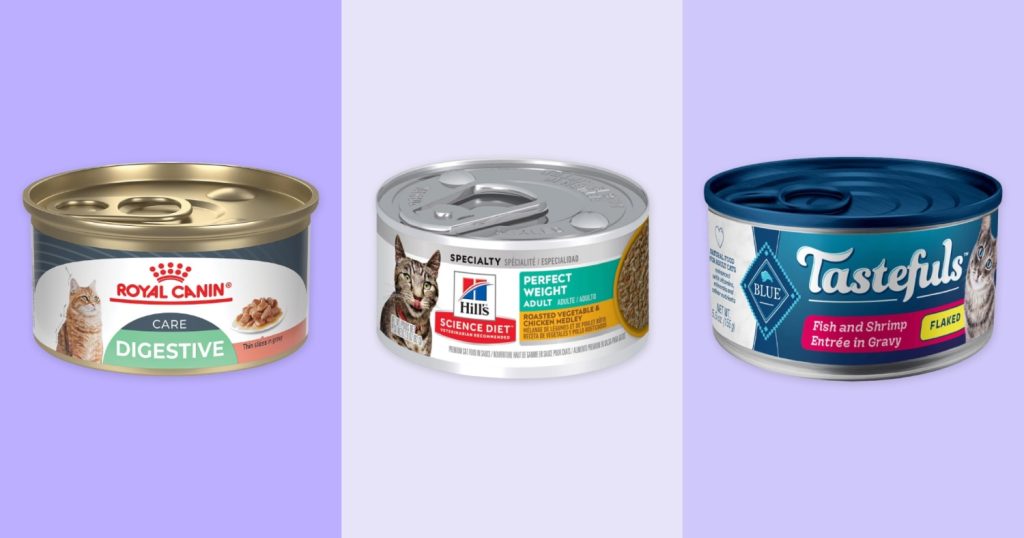
Hill’s Science Diet
Hill’s Science Diet is known for its research-driven approach. This brand offers formulas tailored to different life stages. Their recipes include high-quality proteins and essential nutrients. Many veterinarians trust Hill’s for its proven results. It supports cats with special dietary needs effectively.
Royal Canin
Royal Canin focuses on breed-specific nutrition. Their food is crafted with precise nutrient ratios. This ensures optimal health for different cat breeds. Royal Canin also addresses specific health issues. It’s a popular choice among veterinarians for its specialized formulas.
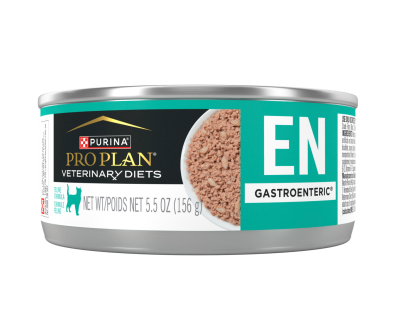
Purina Pro Plan
Purina Pro Plan offers a range of formulas for cats. They emphasize high protein content and real meat ingredients. This brand supports strong muscles and healthy skin. Many veterinarians recommend Purina Pro Plan. It provides balanced nutrition for active cats.
Specialty Diets For Cats
Specialty diets cater to the unique needs of cats. Many pet owners seek advice from veterinarians. These diets address specific health concerns and preferences. Choosing the right diet ensures your cat’s health and happiness.
Grain-free Options
Some cats have sensitivities to grains. Grain-free options help manage these issues. These diets often include more protein. They mimic a cat’s natural diet. Grain-free options can reduce digestive problems in sensitive cats.
Organic And Natural Choices
Organic and natural cat foods attract health-conscious owners. These foods avoid artificial ingredients and preservatives. They often feature wholesome ingredients. Cats enjoy the pure taste of real meat and vegetables. Such diets promote better overall health.
Prescription Diets
Prescription diets tackle specific health problems. Vets recommend them for issues like kidney disease or obesity. These diets contain special formulations. They address unique nutritional needs. Prescription diets often require a veterinarian’s approval.
Reading Cat Food Labels
Understanding cat food labels is crucial for your cat’s health. Labels can be confusing with complex terms and ingredients. Knowing what to look for helps you make better choices. Learn the key ingredients and avoid harmful additives. This ensures your cat gets the nutrition it needs.
Key Ingredients To Look For
Protein should be the first ingredient in cat food. Cats need meat like chicken, beef, or fish. Taurine is essential for eye and heart health. Look for omega fatty acids from fish oil for a shiny coat. Fiber aids digestion and should come from natural sources. Vitamins and minerals support overall health and immune function.
Avoiding Harmful Additives
Avoid artificial colors and flavors in cat food. These additives can harm your cat’s health. Preservatives like BHA and BHT are not ideal. Opt for natural preservatives instead. High sugar content can lead to obesity and diabetes. Read labels carefully to avoid foods with added sugars. Check for fillers like corn and soy which provide no nutritional value.
Transitioning To A New Food
Transitioning a cat to a new food requires patience and care. Sudden changes can upset a cat’s stomach. It is essential to make the process smooth and comfortable. Following a structured approach ensures success and minimizes stress.
Gradual Change Process
Introduce the new food slowly over a week. Start by mixing a small amount with the current food. Gradually increase the new food’s portion daily. This helps the cat’s digestive system adjust. Avoid switching foods abruptly. It can cause digestive issues like diarrhea.
Monitoring Cat’s Reaction
Observe the cat’s behavior and health. Look for any signs of discomfort. Check for vomiting or changes in stool. Note any skin reactions or itchiness. Maintain a diary to track these changes. Contact a veterinarian if problems persist. They can provide guidance and support.
Consulting Your Veterinarian
Choosing the right cat food can be challenging. Each cat has unique needs. Consulting your veterinarian is crucial. They offer expert guidance for your cat’s diet. Veterinarians know what your cat needs to stay healthy. Their advice helps you make informed choices.
Importance Of Regular Check-ups
Regular check-ups with your vet are essential. They monitor your cat’s health. These visits help catch issues early. Routine exams ensure your cat’s diet fits its health. Vets can adjust recommendations based on these check-ups. They consider weight, age, and health conditions. Consistent vet visits keep your cat thriving.
Tailoring Diet To Individual Needs
Each cat is different. A one-size-fits-all diet doesn’t work. Your vet can tailor a diet plan. They consider your cat’s age and activity level. Health issues also affect dietary needs. Allergies and digestion problems need special attention. A personalized diet supports your cat’s well-being. Your vet’s expertise ensures your cat gets what it needs.

Credit: ponderosavetclinic.com
Frequently Asked Questions
What Do Vets Recommend You Feed Your Cat?
Vets recommend feeding cats high-quality, protein-rich wet or dry food. Ensure it meets AAFCO standards. Include essential nutrients like taurine. Consult your vet for specific dietary needs based on age, weight, and health. Avoid feeding cats dog food or human foods that can be harmful.
What Brand Cat Food Do Most Vets Recommend?
Most vets recommend brands like Hill’s Science Diet, Royal Canin, and Purina Pro Plan. These brands offer balanced nutrition. Always consult your vet for specific dietary needs of your cat.
What Is The Number One Healthiest Cat Food For Indoor Cats?
Purina Pro Plan Indoor Care is highly recommended for indoor cats. It offers balanced nutrition, supports weight management, and enhances digestive health. This cat food contains real chicken and natural fiber, promoting healthy skin and coat. Always consult your veterinarian to ensure it fits your cat’s specific dietary needs.
What Is The Healthiest Food To Feed A Cat?
The healthiest food for a cat is a balanced, high-quality commercial cat food. Choose one rich in protein and essential nutrients. Ensure it meets AAFCO standards for complete and balanced nutrition. Fresh water should always be available. Consult a veterinarian for personalized dietary advice.
Conclusion
Choosing the right cat food matters. Your pet’s health depends on it. Veterinarians recommend balanced, high-quality options. Look for trusted brands with clear ingredients. Avoid fillers and artificial additives. Nutrient-rich foods boost your cat’s energy. They also support a shiny coat and healthy weight.
Always consult your vet before switching diets. They know what’s best for your feline friend. Keep an eye on your cat’s reaction to new foods. Every cat is unique. Stay informed. Make wise choices. Your furry companion deserves the best nutrition.
Happy and healthy cats lead to happy owners.