How to Train a Cat to Use a Litter Box: Step-by-Step Guide
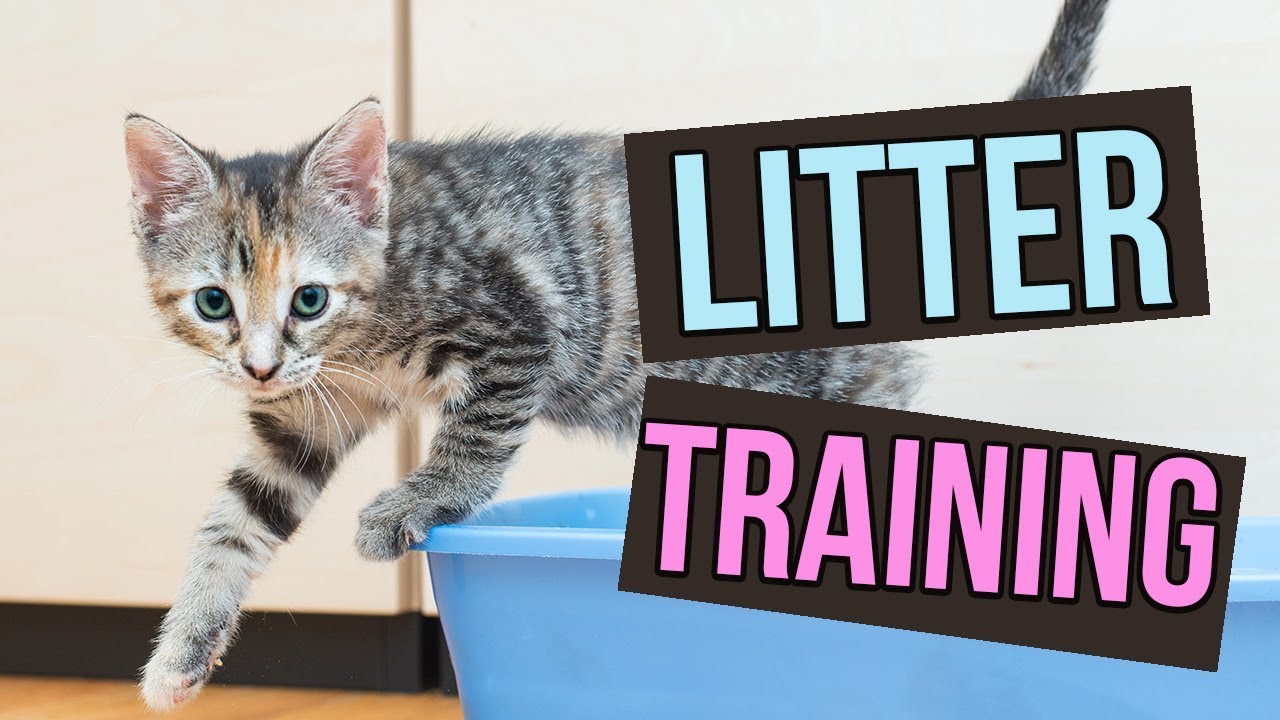
Are you tired of cleaning up after your feline friend? Training your cat to use a litter box can save you a lot of hassle and keep your home smelling fresh.
It might seem daunting at first, but with the right approach, you can make the process smooth and stress-free for both you and your cat. Imagine the relief of never having to worry about those little accidents again! In this guide, we’ll walk you through simple and effective steps to help your cat understand and use their litter box with ease.
By the end, you’ll be equipped with the knowledge to turn this task into a breeze. Ready to transform your kitty’s habits? Let’s dive in and make life simpler for both you and your pet!
Selecting The Right Litter Box
Choosing the right litter box is essential for training your cat. Consider size, accessibility, and location. A comfortable and clean setup encourages consistent use.
Selecting the right litter box for your feline friend is crucial in ensuring they comfortably use it. A well-chosen litter box not only makes your cat happy but also keeps your home clean and odor-free. Let’s dive into the essential aspects of making the right choice.Types Of Litter Boxes
Litter boxes come in various styles. Some are basic open trays, while others have covers or even self-cleaning features. Covered boxes offer privacy and help contain odors but may feel cramped for larger cats. On the other hand, open trays are spacious and easy to clean, which might be preferred by some cats. Self-cleaning boxes are convenient but can be noisy, which may scare timid cats. Consider your cat’s personality and preferences when choosing the type.Size Considerations
Size matters more than you might think. A litter box should be at least 1.5 times the length of your cat from nose to the base of the tail. This gives them ample space to turn around and dig comfortably. If you have a kitten, opt for a box they can easily enter now but will still accommodate them as they grow. Ensuring your cat has enough room can prevent accidents outside the box.Location Selection
Where you place the litter box can significantly impact its usage. Cats prefer quiet, low-traffic areas where they feel safe. Avoid busy spots or areas with loud appliances that might startle them. Also, ensure it’s easily accessible, especially for older cats or those with mobility issues. Have you ever noticed your cat avoiding a certain area? It might be too noisy or lacks privacy. By considering these aspects, you can create a more inviting environment for your cat to do their business, keeping both of you happier in the process.Choosing The Appropriate Litter
Selecting the right litter is crucial for training a cat to use a litter box. Choose a litter that is odor-absorbing and comfortable for your cat’s paws. This encourages consistent use and makes training smoother.
Choosing the right litter for your cat is an important decision that can greatly influence their willingness to use the litter box. A cat’s preference for litter can vary based on texture, scent, and clumping ability. Understanding these factors will help you make an informed choice and keep your feline friend happy and your home clean.Types Of Cat Litter
Cat litter comes in various types, including clay, silica gel, and natural options like pine or corn. Each type has its pros and cons. Clay litter is absorbent and affordable, while silica gel can be long-lasting and low-dust. Natural litters are eco-friendly and biodegradable, ideal for those conscious about the environment. Which type does your cat prefer? Try a few to find out.Scented Vs. Unscented
Scented litters might seem appealing to mask odors, but they can be off-putting for some cats. Cats have a highly sensitive sense of smell, and strong fragrances can deter them from using the litter box. Unscented litter is often a safer bet, allowing your cat to focus on the task at hand without being overwhelmed by artificial scents. Have you noticed your cat avoiding a scented litter? It might be time to switch.Clumping Vs. Non-clumping
Clumping litter offers easy cleanup, forming solid masses that are simple to scoop out. This can be a time-saver and keeps the box cleaner for longer. Non-clumping litter, while often cheaper, requires more frequent changes to prevent odors and maintain hygiene. Consider your cleaning routine. Is convenience more important, or do you prefer a budget-friendly option? Choosing the appropriate litter can significantly impact your cat’s litter box training success. Test different types and observe your cat’s reactions. Your choice could make all the difference in ensuring your furry companion feels comfortable and secure using their litter box.Introducing The Litter Box
Introducing your cat to a litter box can be a straightforward process that sets the foundation for a clean and happy home. Cats are naturally inclined to bury their waste, but guiding them to use a litter box requires patience and a few smart strategies. Whether you’re bringing home a kitten or an adult cat, the key is to make this transition as smooth as possible. Let’s dive into the essential steps to help your cat embrace their new litter box.
Gradual Introduction
Begin by placing the litter box in a quiet, accessible location. Your cat needs to feel secure while using it, away from loud noises or frequent foot traffic. If you have a kitten, try bringing them to the litter box after meals and naps. This establishes a routine and builds familiarity.
Consider the type of litter you use. Some cats prefer sandy textures, while others might like a more granular feel. Experiment until you find a litter that your cat is comfortable with. It’s also helpful to place a little bit of used litter in the box to familiarize your cat with the scent.
Positive Reinforcement
Encourage your cat with gentle praise when they use the litter box correctly. Positive reinforcement goes a long way in reinforcing good behavior. You might offer a small treat or affection as a reward.
It’s important not to punish your cat for accidents outside the box. Instead, gently guide them back to the litter box and reinforce its use positively. Cats respond well to kindness and patience, not reprimands.
Addressing Hesitation
What if your cat hesitates to use the litter box? Check for potential issues like strong scents or an uncomfortable litter texture. Sometimes, moving the box to a different location can make all the difference.
Consider the box’s size and accessibility. A box that’s too small or difficult to enter can deter use. Address any concerns promptly to avoid ongoing issues. Is there anything else that might be causing the hesitation?
Training your cat to use a litter box is a rewarding journey. By introducing the box gradually, using positive reinforcement, and addressing any hesitations, you’re paving the way for a happy, harmonious home. How will you make your cat’s litter box experience the best it can be?
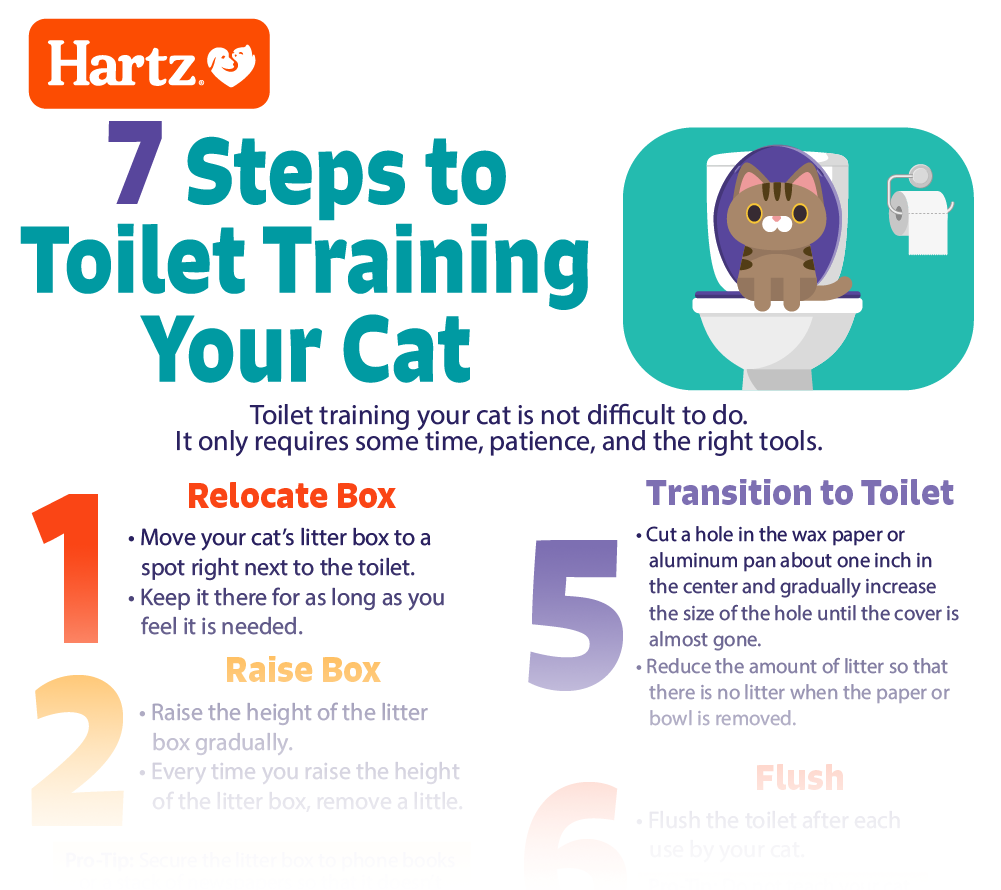
Credit: www.hartz.com
Establishing A Routine
Establishing a routine is key to successful litter box training. Cats thrive on routine. They feel secure when they know what to expect. Consistency helps reinforce good habits. It makes your pet feel comfortable. Below are steps to help you establish a routine for your cat.
Consistent Timing
Set specific times for litter box use. Morning, afternoon, and night are ideal. This helps your cat know when to use the box. It builds a habit. Feed your cat at the same times daily. It can align bathroom needs with feeding times. Predictability helps reduce accidents.
Monitoring Usage
Observe your cat’s litter box habits. Check for regularity and any changes. It signals their comfort level. It also helps spot health issues early. Clean the box regularly. A clean box encourages consistent use. Your cat will appreciate a fresh environment.
Adapting To Changes
Cats may need adjustments due to changes in their environment. Moving the litter box? Do it gradually. Introduce new types of litter slowly. Give your cat time to adjust. Patience is key. Changes can be stressful for cats. A steady routine eases the transition.
Troubleshooting Common Issues
Teaching a cat to use a litter box can be tricky. Start with placing the box in a quiet area. Gradually introduce the cat to the litter, and ensure it’s clean. Recognize successful use with positive reinforcement.
Training a cat to use a litter box can be straightforward, but sometimes you might face a few bumps along the way. Whether it’s dealing with accidents, handling reluctance, or understanding litter box avoidance, knowing how to troubleshoot common issues can make a world of difference. Let’s dive into some practical solutions to help your feline friend get back on track.Dealing With Accidents
Accidents happen, and it’s important not to panic. If your cat misses the litter box, clean the area thoroughly to remove any scent. Cats often return to spots where they smell their urine. Sometimes, accidents can signal a medical issue. Consult your vet if accidents persist. A simple check-up can rule out health problems. Consider the litter box location. Is it easily accessible? If not, your cat may struggle to reach it in time. Place it in a quiet and convenient spot.Handling Reluctance
Is your cat hesitant to use the litter box? Try changing the litter. Cats can be picky about texture or scent. Experiment with different types until you find one your cat likes. Think about the box itself. Is it too small or too big? Cats need space to move comfortably. Ensure the box suits your cat’s size. Observe your cat’s behavior. Are there distractions or disturbances near the litter box? Cats need a calm environment for their bathroom routine. Minimize noise and activity around the box.Litter Box Avoidance
If your cat avoids the litter box altogether, examine its cleanliness. Cats are clean creatures and dislike dirty boxes. Regularly scoop waste and change litter to keep it fresh. Does your cat have enough litter boxes? The rule of thumb is one box per cat, plus one extra. This gives your cat options and reduces territorial disputes. Finally, reflect on your cat’s recent changes. Have you moved house or introduced a new pet? Stress can cause litter box avoidance. Create a comforting atmosphere to ease any anxiety. Training a cat requires patience and understanding. Have you ever faced these challenges? Share your thoughts and experiences in the comments below. Your insights could help others navigate the tricky world of feline litter habits!Maintaining Cleanliness
Training a cat to use a litter box ensures a clean home. Start by placing the box in a quiet spot. Encourage your cat by gently placing it in the box after meals.
Maintaining cleanliness in your cat’s litter box is crucial. It ensures your feline friend feels comfortable and healthy. A clean litter box encourages regular use and prevents accidents. Let’s dive into some easy strategies to keep the litter box fresh and inviting.Daily Scooping
Scoop the litter box daily to remove waste. This keeps the box clean and ready for use. Cats are particular about cleanliness. They may avoid a dirty litter box. Daily scooping also prevents odors from building up. Use a good-quality scoop for best results.Regular Deep Cleaning
Perform a deep clean of the litter box weekly. Empty all the litter and scrub the box with mild soap. Rinse thoroughly and let it dry before adding fresh litter. This removes bacteria and keeps the box sanitary. Regular deep cleaning also prolongs the life of the litter box.Preventing Odors
Prevent odors by using odor-control litter. Baking soda can also help reduce smells. Place the litter box in a well-ventilated area. This helps in dispersing any odors quickly. Consider using an air purifier nearby if needed. Regular maintenance is key to a fresh-smelling home.Tips For Multi-cat Households
Training multiple cats to use a litter box can be challenging. Cats have unique personalities and preferences. In multi-cat homes, the dynamics can be complex. Understanding these dynamics helps in creating a harmonious environment. Here are some tips to ensure every cat in your household uses the litter box effectively.
Multiple Litter Boxes
Provide more litter boxes than the number of cats. A good rule is one litter box per cat, plus one extra. This prevents overcrowding and reduces stress for each cat. Place them in different areas of the house. Cats appreciate having options. It also ensures privacy, which cats value.
Managing Territorial Behavior
Territorial behavior is common in multi-cat households. Some cats may guard litter boxes, preventing others from using them. Ensure each cat has access to a litter box without fear. Observe their behavior and intervene if necessary. Re-arrange boxes if you notice guarding or aggression. This will promote peaceful coexistence.
Ensuring Harmony
Creating a harmonious environment is crucial for cats. Use pheromone diffusers to reduce stress and encourage calm behavior. These can make cats feel more at ease. Regularly clean the litter boxes to keep them inviting. Cats dislike dirty litter boxes. Praise and reward cats when they use the litter box. Positive reinforcement encourages good habits.

Credit: www.youtube.com

Credit: www.dvm360.com
Frequently Asked Questions
How Long Does It Take To Train A Cat To Use A Litter Box?
Training a cat to use a litter box typically takes one week. Start with placing the box in a quiet, accessible spot. Encourage your cat by gently placing them in the box after meals. Consistency and patience are key. Most cats learn quickly, but some may take longer.
How Do I Get My Cat To Use Its Litter Box?
Place the litter box in a quiet, accessible location. Keep it clean by scooping daily. Use unscented litter. Reward your cat with treats after they use it. If problems persist, consult a vet to rule out health issues.
What Draws A Cat To A Litter Box?
Cats are drawn to litter boxes due to instinctual behavior. They prefer clean spaces to bury waste. Litter boxes mimic soil or sand, appealing to their natural digging tendencies. The scent of familiar litter further attracts them, providing a designated area for elimination.
Do Cats Train Themselves To Use The Litter Box?
Cats naturally have instincts to bury their waste. Most cats will learn to use a litter box quickly. Providing a clean, easily accessible litter box helps encourage this behavior. Positive reinforcement can further assist in training.
Conclusion
Training a cat to use a litter box is achievable. Start with a clean, accessible box. Choose a quiet spot. Encourage your cat with gentle guidance. Patience is key. Cats respond well to positive reinforcement. Reward them with treats or affection.
Consistency helps build good habits. Avoid sudden changes in litter type or box location. Observe your cat’s behavior closely. Adjust if needed. A well-trained cat means less mess and stress. Enjoy the bond and independence it brings. Your efforts will lead to a happy, litter-trained companion.

Similar Posts