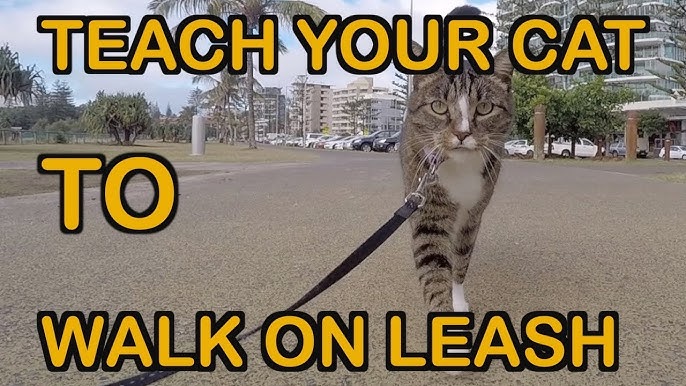
Imagine the joy of taking your cat on a peaceful stroll outdoors. It’s not just a dream for dog owners anymore.
Training a cat to walk on a leash is entirely possible, and it can open up a world of adventure for both you and your feline friend. But the process might seem daunting at first. You might wonder, “Will my cat even accept a leash?
” Or “How do I get started? ” Don’t worry; you’re not alone in these thoughts. With the right approach, patience, and a few clever tricks, you can transform this intimidating task into a fun and rewarding experience. Read on to discover how to make your cat’s leash training a success and turn those curious little paws into confident steps.

Credit: www.youtube.com
Benefits Of Leash Training
Training a cat to walk on a leash brings numerous benefits. It opens up a world of exploration beyond the confines of home. Leash training ensures safety while offering new experiences. Let’s dive into the perks of leash training.
1. Enhanced Physical ActivityCats need regular exercise to stay healthy. Leash walks provide an opportunity for movement. It helps burn excess energy, keeping them fit and active. A fit cat is a happy cat.
2. Improved Mental StimulationExploring the outdoors stimulates your cat’s senses. They encounter new smells, sights, and sounds. This mental engagement keeps their mind sharp. It can reduce boredom and stress.
3. Strengthened Bond with OwnerWalking together builds trust between you and your cat. It creates shared experiences. These moments strengthen your connection. A strong bond leads to a happier relationship.
4. Safety During Outdoor AdventuresA leash keeps your cat safe from danger. It prevents them from running into traffic or getting lost. Safety is crucial during outdoor escapades.
5. Opportunity for SocializationCats can meet new people and animals on walks. Socialization improves their confidence. It helps them become more adaptable. This skill is valuable for their growth.
6. Controlled Access to the EnvironmentLeash training allows controlled exploration. You decide where your cat goes. This control offers peace of mind. It ensures they stay in safe areas.
Credit: www.lonetreevet.com
Choosing The Right Equipment
Training a cat to walk on a leash can be rewarding. The right equipment makes the process smooth and safe. Cats have unique needs, so choose wisely. Proper harnesses and leashes ensure comfort and control. Let’s explore how to select the best gear for your feline friend.
Selecting A Suitable Harness
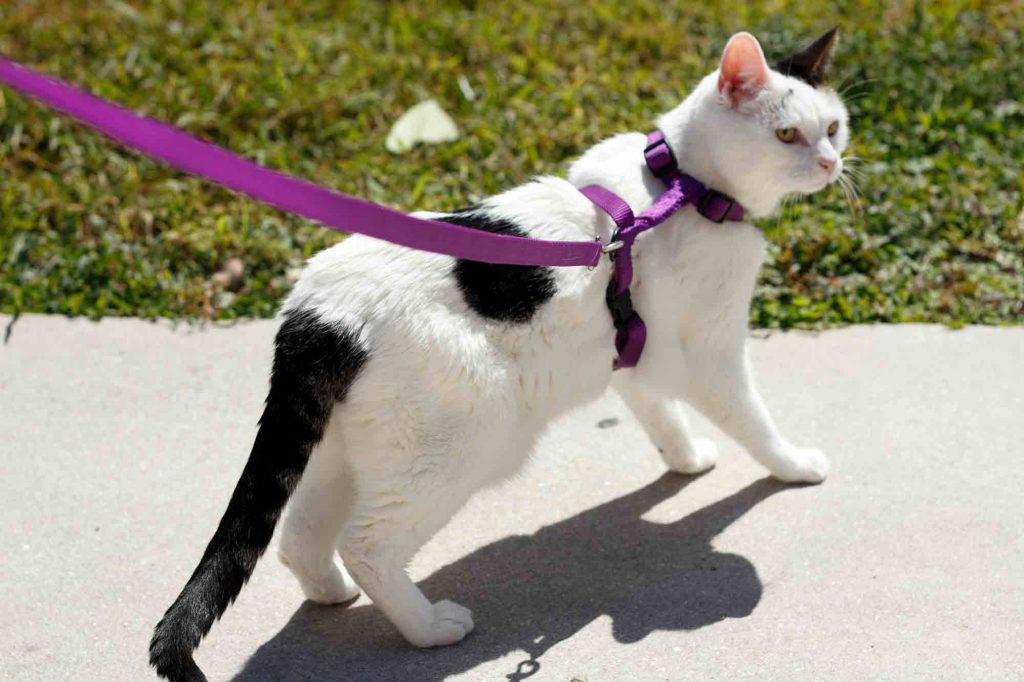
A suitable harness is crucial for a cat’s safety. Look for a harness designed specifically for cats. It should be secure yet comfortable. Measure your cat’s chest and neck accurately. Adjustable straps are essential for a snug fit. A poorly fitted harness can be dangerous. Opt for lightweight, breathable materials. This will keep your cat cool and comfortable.
Finding The Perfect Leash
The leash should be light and easy to manage. A standard leash length is usually best. Too long, and it becomes unmanageable. Too short, and it restricts movement. Choose a leash with a comfortable handle. This gives you better control. Reflective materials add safety during low light. A leash with a clip that swivels can prevent tangles. Always test the leash’s strength for durability.
Getting Your Cat Comfortable
Training a cat to walk on a leash starts with comfort. The goal is to make your cat feel at ease with the new experience. Cats can be cautious and sensitive. So, patience is key. Start by making the harness a normal part of their world. This will help them feel secure and reduce anxiety.
Introducing The Harness
Choose a harness that fits snugly but not too tight. Let your cat sniff and explore the harness. Place it near their favorite spot. This helps them see it as a non-threatening object. Use treats to create positive associations. Every time they show interest, reward them with a treat.
Allowing Time For Adjustment
Once your cat is familiar with the harness, let them wear it. Start with short periods. Gradually increase the time. Watch their behavior closely. If they seem stressed, remove the harness. Try again later. Remember, this is a new experience for them.
Patience is crucial. Some cats adjust quickly. Others need more time. Keep sessions short and positive. This builds trust and ensures your cat feels safe.
Teaching Basic Commands
Training a cat to walk on a leash requires patience and consistency. Start by getting your cat comfortable with wearing a harness indoors. Gradually introduce the leash, allowing your cat to explore while you hold it gently.
Teaching your cat to walk on a leash can be a rewarding experience for both you and your feline friend. The journey begins with teaching basic commands, which not only helps in the leash training process but also strengthens your bond with your cat. By starting with simple commands, you lay a foundation of trust and communication.Encouraging Follow
Start by encouraging your cat to follow you around the house. Use a toy or a treat as a lure and call your cat’s name in an enthusiastic tone. Cats are naturally curious, and a little encouragement can go a long way. Practice this exercise in short sessions, perhaps five minutes at a time. Gradually increase the duration as your cat gets more comfortable. Have you ever noticed how a cat’s ears perk up at a familiar sound? Use this to your advantage and create a unique sound that signals your cat to follow.Rewarding Good Behavior
Whenever your cat responds positively to a command, reward them with a treat or affection. This reinforces the behavior and makes your cat more likely to repeat it. The key is consistency—reward them every time they follow the command correctly. You might wonder, what if your cat doesn’t respond immediately? Patience is crucial. Cats can be independent, but with repeated positive reinforcement, they learn what is expected. Be sure to keep the training sessions enjoyable and stress-free. If your cat seems uninterested, take a break and try again later. Have you ever tried rewarding yourself after achieving a goal? Think of treats as your cat’s little victories. Training a cat to walk on a leash by teaching basic commands is an achievable goal with patience and practice. Are you ready to embark on this adventure with your feline companion?Starting Indoor Practice
Training a cat to walk on a leash can be challenging. Starting indoors helps your cat feel safe and comfortable. Begin by choosing a quiet room. This reduces stress and distractions. Indoor practice lets your cat explore without fear.
Creating A Safe Space
Choose a room with minimal noise. Ensure no sharp objects are around. Remove anything that might scare your cat. Introduce the leash slowly. Let your cat sniff and inspect it. This helps build trust. Keep treats nearby. Reward calm behavior with them.
Gradual Movement Encouragement
Attach the leash gently to your cat’s collar. Let them roam freely. Do not pull or tug the leash. Encourage movement with toys. Use a favorite toy to guide them. Reward each step with a treat. Praise your cat often. Build positive associations with the leash.

Credit: www.nytimes.com
Transitioning To Outdoor Walks
Training a cat to walk on a leash requires patience and practice. Start indoors, letting your cat get used to the harness. Gradually introduce outdoor walks, keeping the experience calm and positive.
Transitioning your cat to outdoor walks can be an exciting adventure for both of you. It’s a chance for your feline friend to explore new environments, breathe fresh air, and satisfy their natural curiosity. But, how do you ensure this experience is positive and stress-free? Let’s dive into some practical tips to make outdoor walks enjoyable and successful for you and your cat.Choosing A Quiet Location
When starting outdoor walks, pick a quiet location. A peaceful setting with minimal distractions helps your cat adjust to the new environment. Think of a small, secluded park or your own backyard. In my experience, a quiet morning walk in a nearby garden worked wonders. The fewer the noises, the more relaxed your cat will feel. Have you considered how your cat responds to different sound levels? Avoid busy streets or areas with loud noises that might frighten your cat. It’s all about creating a calm and safe atmosphere.Monitoring Stress Levels
Keep an eye on your cat’s stress levels during the walk. Signs like flattened ears, a twitching tail, or trying to bolt indicate anxiety. Watch their body language closely. If your cat shows signs of stress, pause and reassure them. Sometimes a soothing voice and gentle petting can help. What signals does your cat give when they’re uneasy? Always bring treats to reward calm behavior. This positive reinforcement encourages your cat to enjoy outdoor time. Remember, every cat is different. What works for one might not work for another. Be patient and adjust your approach based on your cat’s reactions.Handling Challenges
Training a cat to walk on a leash can be challenging. Cats are independent creatures. They may resist new experiences. Understanding these challenges is key. You need patience and persistence. Knowing how to handle obstacles ensures success. Here, we explore common challenges. We provide tips for overcoming them.
Dealing With Resistance
Cats often resist wearing a harness. They may feel restricted. To ease this, introduce the harness slowly. Let the cat sniff and explore it. Reward calm behavior with treats. This creates a positive association. Try short sessions first. Gradually increase the time. Ensure the harness fits well. A snug fit is crucial for comfort.
Overcoming Fear
Fear is a common issue. New environments can be scary for cats. Start indoors where they feel safe. Allow them to explore at their own pace. Use treats and praise to build confidence. Slowly introduce outdoor settings. Choose quiet areas free from noise. This helps reduce anxiety. Keep sessions short and positive. Patience is essential to success.
Maintaining Progress
Teaching a cat to walk on a leash requires patience and consistency. Start indoors, allowing your cat to get used to the harness. Gradually introduce outdoor walks, rewarding calm behavior with treats and encouragement.
Training your cat to walk on a leash is an exciting journey, but maintaining progress is where the real adventure begins. You might have had a great start, but keeping your feline friend engaged and comfortable on their leash requires consistent effort and patience. This phase is crucial for ensuring that your cat enjoys leash walking and stays safe while exploring the world.Regular Practice Sessions
Regular practice is key to maintaining leash training progress. Try setting aside a specific time each day for short practice sessions. These don’t have to be lengthy; even a quick five-minute walk can reinforce the behavior. Consistency helps your cat understand that leash time is a normal part of their routine, just like feeding or playtime.Adapting To Your Cat’s Pace
Every cat has its own pace when it comes to leash training. It’s essential to adapt to your cat’s comfort level rather than rushing the process. If your cat seems hesitant, slow down the pace and provide plenty of encouragement. I remember when my cat, Luna, would freeze at the door, overwhelmed by the new experience. I learned to take baby steps, letting her sniff around the garden first, before venturing further. Progress is not always linear, and that’s perfectly okay. Sometimes, your cat might regress or show reluctance after a good streak. Be patient and gentle, offering treats and praise for small victories. Ask yourself: Are you listening to your cat’s signals and adjusting accordingly? It’s the small adjustments that make a big difference. Leash training is a journey, not a sprint. By practicing regularly and respecting your cat’s pace, you create a positive experience that both you and your cat will enjoy.Frequently Asked Questions
What Age Can You Start Leash Training A Cat?
Start leash training a cat at 8 to 12 weeks old. Begin with short sessions indoors. Use a harness designed for cats. Ensure the cat feels comfortable and safe. Gradually introduce outdoor walks. Always supervise to ensure safety. Early training helps them adapt easily.
Is It A Good Idea To Walk Your Cat On A Leash?
Walking your cat on a leash can be a great idea. It offers mental stimulation and exercise. Ensure your cat is comfortable with the harness. Start with short, stress-free sessions. Always prioritize your cat’s safety and comfort during the walks.
This can strengthen your bond and enrich their life.
How Do You Train A Cat To Go Outside And Not Run Away?
Gradually introduce your cat to the outdoors using a harness. Supervise initial outings closely. Reward them with treats for staying close. Create a safe and familiar environment outside. Train regularly to build trust and confidence. Consistent routines help prevent them from running away.
At What Age Is It Too Late To Train A Cat?
Cats can be trained at any age. Older cats might take longer to learn, but patience helps. Use positive reinforcement like treats and praise. Training keeps cats mentally stimulated and helps with behavior management. It’s never too late to start training your cat.
Conclusion
Training a cat to walk on a leash takes patience. Start slow and reward progress. Use treats to encourage your cat. Gradually increase outdoor time. Cats need time to adjust. Always ensure the leash is secure. Short walks build confidence.
Watch for signs of stress. Happy walks make happy cats. Enjoy the journey together. Remember, every cat learns at their own pace. Stay calm and supportive. Celebrate small victories. Your efforts will pay off. Soon, your cat will enjoy walks.
Walking together strengthens your bond. Make each walk fun and positive. Happy trails to you and your feline friend!