How to Train a Cat to Litter Box: Expert Tips

Imagine coming home to a clean house without the worry of random surprises from your furry friend. Training your cat to use the litter box can transform your daily routine, making both your life and your cat’s life more comfortable and stress-free.
You might think that teaching your cat this essential skill is a daunting task, but with the right guidance, it’s simpler than you might expect. If you’re tired of dealing with messes and want to create a harmonious living space for you and your pet, this article is your roadmap to success.
Discover easy-to-follow steps that will not only make the process smooth but also deepen the bond between you and your feline companion. Dive in and unlock the secrets to a cleaner home and a happier cat.
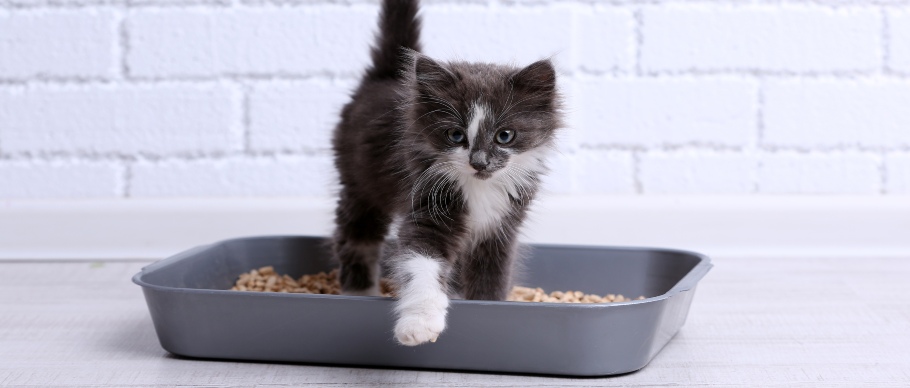
Credit: www.fourpaws.com
Choosing The Right Litter Box
Training a cat to use a litter box starts with the right choice. The perfect litter box makes training easier and less stressful. Cats prefer a clean, comfortable space for their needs. Choosing wisely helps avoid accidents and encourages good habits.
Types Of Litter Boxes
Litter boxes come in different styles. Some are open, allowing easy access. Others have covers for privacy. Self-cleaning boxes reduce maintenance. They can be helpful for busy owners. High-sided boxes prevent litter from scattering. There are also disposable options. These are convenient for travel or temporary use. Each type suits different needs and preferences.
Size And Location Considerations
Size matters for a litter box. It should be big enough for the cat to move around. A kitten needs a smaller box. An adult cat needs more space. Place the box in a quiet, accessible area. Avoid noisy or high-traffic locations. A calm spot encourages regular use. Ensure the box is easy to reach. This helps prevent accidents and promotes comfort.
Selecting The Ideal Cat Litter
Training a cat to use a litter box requires patience and consistency. Place the box in a quiet spot. Show your cat the location. Gently place them in the box after meals. Reward them when they use it correctly. Maintain a clean box to encourage regular use.
Selecting the perfect cat litter is crucial for successful litter box training. A well-chosen litter can make the difference between a happy cat and one that avoids the box altogether. Let’s dive into the essentials of picking the right litter for your feline friend.Different Types Of Cat Litter
Cat litter comes in a variety of types, each with its own pros and cons. The most common types include clay-based, silica gel, and biodegradable options. Clay litter is popular due to its clumping ability, which makes cleaning easier. Silica gel litter, although pricier, offers superior odor control and is low in dust. Biodegradable litter, made from materials like corn, wood, or paper, appeals to eco-conscious cat owners. Knowing these options helps you make an informed choice.Factors To Consider When Choosing
Several factors should influence your cat litter choice. Consider your cat’s preferences, as some cats are picky about texture or scent. Dust levels matter too, particularly if you or your cat have allergies. Cost is also a factor; while premium litters may seem costly upfront, they often last longer. Additionally, think about how easy the litter is to clean. A litter that clumps well can save you time and hassle. Does your cat have specific needs or dislikes that you need to address? When I first trained my cat, Felix, I learned that he preferred unscented litter. The scented variety seemed to irritate his sensitive nose. By paying attention to his behavior, I found a litter that made him comfortable and kept my home odor-free. Your cat’s comfort with the litter can significantly impact how easily they adapt to using the litter box.Setting Up The Litter Box
Training a cat to use a litter box starts with setting it up correctly. A well-prepared litter box makes training easier and more successful. Focus on placement and cleanliness for a happy cat and a clean home.
Placement Strategies
Choose a quiet spot for the litter box. Cats prefer privacy while using the bathroom. Avoid noisy or high-traffic areas. Pick a spot that is easy for your cat to access. Make sure the box is not near their food or water. Cats dislike strong smells while eating.
Multiple litter boxes might be needed for larger homes. One box for each floor is ideal. This strategy helps your cat find a box quickly when needed. Keep the boxes in consistent locations to avoid confusion.
Cleaning And Maintenance Tips
Regular cleaning keeps the litter box fresh. Cats avoid dirty boxes. Scoop waste daily to maintain cleanliness. Replace the litter weekly. This prevents odor and bacteria buildup. Use mild soap and water to clean the box itself. Avoid strong cleaning products that might deter your cat.
Choose the right litter for your cat. Some cats prefer unscented options. Experiment with different types to find the best fit. Always keep the box filled with enough litter for comfort. A happy cat equals a successful litter box experience.
Introducing The Cat To The Litter Box
Introducing your cat to the litter box requires patience and understanding. Start by placing the litter box in a quiet, accessible spot. Encourage your cat with gentle guidance and rewards to foster positive habits.
Introducing your cat to the litter box is a crucial step in ensuring a smooth transition to their new environment. This process requires patience and understanding, as each cat is unique in their needs and learning pace. By using effective techniques, you can help your feline friend feel comfortable and confident with using the litter box.Initial Introduction Techniques
Start by placing the litter box in a quiet, easily accessible location. This allows your cat to investigate without feeling overwhelmed by noise or other pets. When I first introduced my cat, Luna, to her litter box, I placed it in a corner of the laundry room. This was a calm area where she could explore at her own pace. Gently guide your cat towards the litter box after meals or naps. Cats often need to go during these times, making it an ideal opportunity for them to associate the litter box with their natural urges. I noticed that Luna quickly understood the purpose of the box when I gently placed her inside right after she woke up from a nap.Encouraging Positive Associations
Create a welcoming environment by ensuring the litter box is clean and free from any harsh odors. A clean box encourages your cat to use it consistently. Consider using a clumping, unscented litter, as some cats may be sensitive to strong fragrances. Reward your cat with gentle praise or a small treat after they use the litter box. Positive reinforcement helps your cat associate the litter box with a rewarding experience. When Luna successfully used her box, I would softly pet her and offer a small treat, reinforcing her good behavior. Have you ever noticed how cats love routine? Regularly cleaning the litter box and maintaining a consistent environment encourages them to keep using it. This also prevents any aversions they might develop due to a dirty box. If your cat shows reluctance, think about what might be deterring them. Is the box too small? Is it in a noisy area? Adjust accordingly and observe your cat’s behavior for clues. Remember, patience is key. Training your cat to use the litter box is a journey that requires time and understanding. With these strategies, you’ll pave the way for a happy, litter-trained cat!Troubleshooting Common Issues
Training a cat to use the litter box can be straightforward with patience. Common issues include missing the box or refusing to use it. Address these problems by ensuring the litter box is clean, placed in a quiet area, and filled with suitable litter.
Troubleshooting common issues with cat litter training can be challenging. Cats are independent creatures with unique personalities. They may face difficulties adapting to litter box habits. Understanding these issues can help you address them effectively. Below, we explore some common problems and their solutions.Addressing Accidents
Accidents outside the litter box can be frustrating. First, ensure the box is clean. Cats dislike using dirty boxes. Clean it daily to maintain hygiene. If accidents persist, check the box’s location. It should be quiet and accessible. Avoid placing it near noisy appliances. Sometimes, accidents signal health issues. Consult a vet if your cat suddenly stops using the box.Solving Litter Box Aversion
Litter box aversion occurs for various reasons. Cats may dislike the litter type. Experiment with different textures and brands. Some cats prefer unscented, fine-grain litter. The box size matters too. A cramped box can deter use. Choose a spacious box, especially for larger cats. Stress can also cause aversion. Ensure your home environment is calm and safe. Consider adding more boxes if you have multiple cats. Each cat should have its own space.
Credit: www.fourpaws.com
Expert Tips For Success
Training a cat to use a litter box requires patience and consistency. Start by placing the box in a quiet, accessible spot. Encourage your cat by placing them in the box after meals and playtime.
Training a cat to use the litter box can feel challenging. Yet, with expert tips, success is within reach. Cats are intelligent and can learn quickly with the right approach. Your patience and consistency will be key. Rewarding your cat for good behavior will also help. Let’s explore some expert tips to make this process easier.Consistency And Patience
Consistency is crucial when training your cat. Set a routine for feeding and litter box visits. Cats thrive on routine. Place the litter box in a quiet, accessible location. Avoid moving it around. Each time your cat eats, guide them to the litter box. This reinforces their understanding of where to go. Patience is equally important. Cats may take time to adapt. Stay calm if accidents happen. Clean up promptly but without scolding. Negative reactions can confuse or scare your cat. Instead, gently encourage them to use the box. Over time, your cat will learn what is expected.Rewarding Good Behavior
Positive reinforcement encourages good habits. Praise your cat when they use the litter box. Use treats as a reward. This creates a positive association. Keep treats small and healthy. Avoid overfeeding. Offer affection as a reward too. Cats love gentle petting and kind words. This boosts their confidence and comfort. Consistent rewards help solidify their new behavior. Your cat will soon prefer using the litter box. Remember, training takes time. Stay consistent and patient. Reward success often. Your cat will thank you with cleaner habits.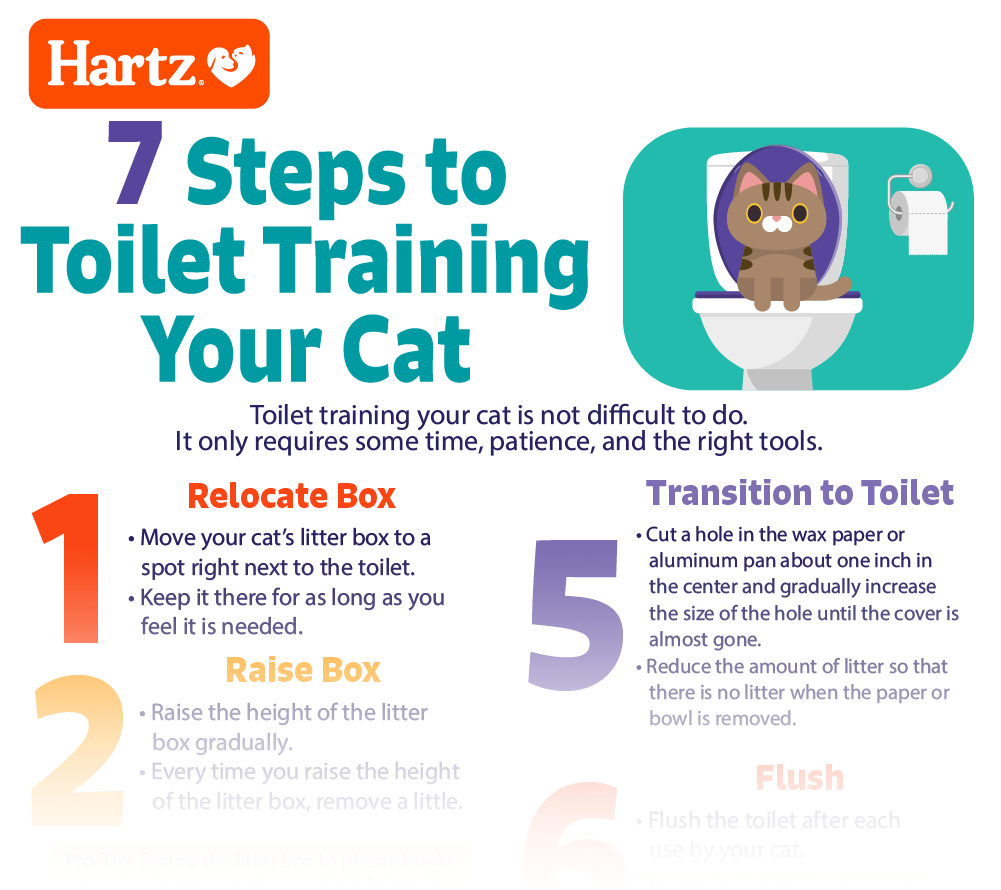
Credit: www.hartz.com
Frequently Asked Questions
How Long Does It Take To Train A Cat To Use A Litter Box?
Training a cat to use a litter box typically takes a few days to a week. Consistency and patience are key. Ensure the litter box is accessible and clean. Reward positive behavior to reinforce the habit. Most cats instinctively use a litter box when properly introduced.
How Do I Encourage My Cat To Pee In The Litter Box?
Place the litter box in a quiet, accessible area. Keep it clean and use unscented litter. Praise your cat after using it.
Are Cats Hard To Litter Box Train?
Cats are usually easy to litter box train. They have a natural instinct to bury their waste. Provide a clean, accessible litter box, and most cats will use it without issues. Consistent training and a suitable location help reinforce this behavior.
How Do I Introduce A Cat To Their Litter Box?
Place the litter box in a quiet, accessible area. Gently place the cat inside to explore. Encourage them with praise. Keep it clean to ensure consistent use.
Conclusion
Training a cat to use a litter box takes patience. Start with the right box and litter. Encourage your cat with praise and treats. Keep the box clean and accessible. Watch for signs of confusion or distress. Adjust as needed.
Each cat learns at its own pace. Stay consistent with your approach. Success comes with time and care. Enjoy the bond you build during training. Your cat will appreciate a clean, comfortable space. Celebrate small victories along the way. Happy training leads to a happier home.

Similar Posts