How to Relieve Cat Stress: Effective Calming Tips

Imagine a world where your cat feels as relaxed as you do on a lazy Sunday afternoon. Stress in cats can lead to unexpected behavior changes and even health problems.
As a caring pet owner, you want your furry friend to feel at ease and happy. Have you noticed your cat acting differently lately? Maybe they’re hiding more often, or their appetite has changed. If so, you’re not alone, and there’s good news: you can help relieve your cat’s stress with some simple techniques.
By understanding what causes stress in cats and knowing how to address it, you can transform your home into a peaceful haven for your feline companion. Curious to find out how? Let’s dive into practical tips that will make a difference in your cat’s life and, ultimately, yours too.
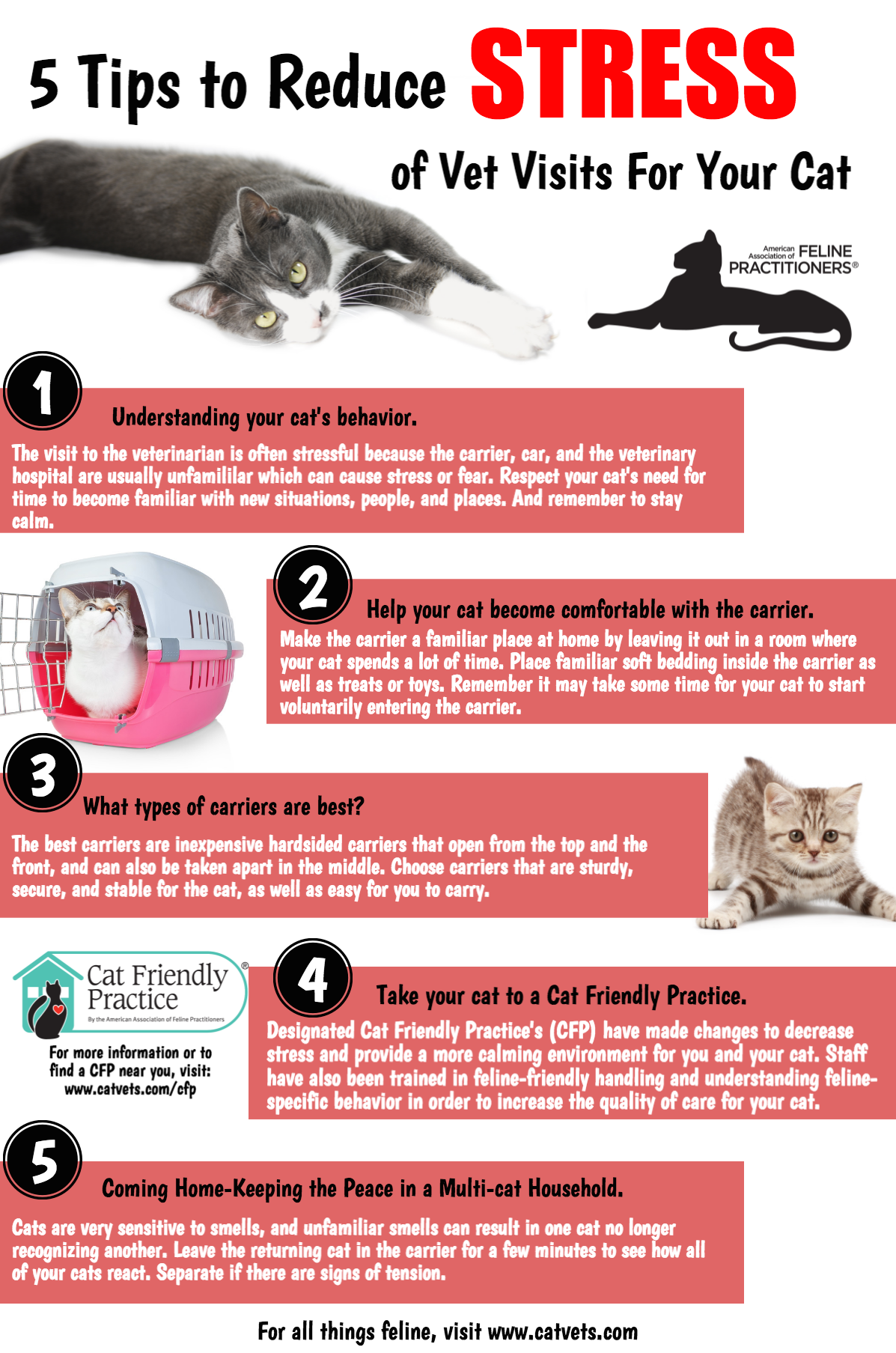
Credit: blooranimalhospital.ca
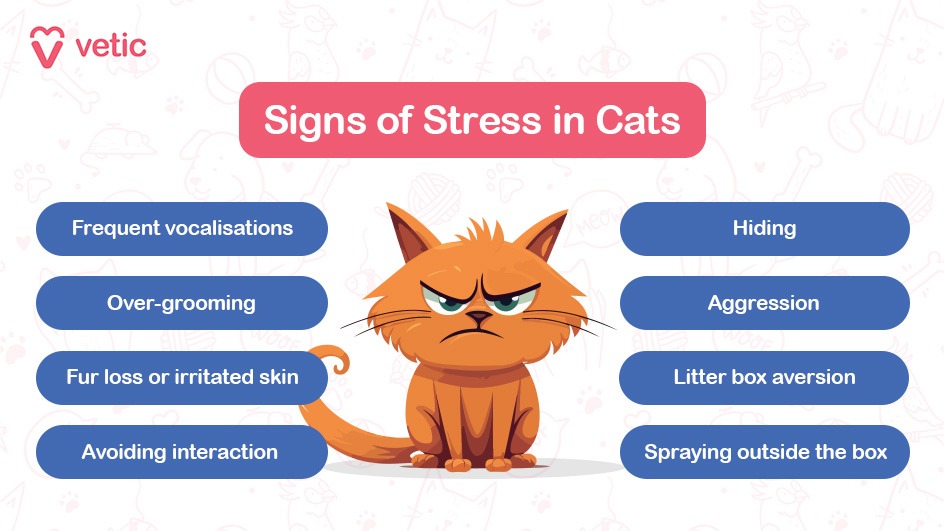
Signs Of Stress In Cats
Cats may show stress through hiding, excessive grooming, or changes in eating habits. Comforting your cat can ease their anxiety. Create a quiet space and maintain a routine to help them feel secure.
Understanding the signs of stress in your cat is crucial to ensuring their happiness and well-being. Cats, like humans, can experience stress, but they often express it in subtle ways. Recognizing these signs early can help you address the root cause and make life more comfortable for your feline friend. Have you ever noticed sudden changes in your cat’s behavior or physical appearance? These might be indicators of stress that need your attention.Behavioral Indicators
Cats might withdraw from social interactions when stressed. If your once-social kitty is hiding more than usual, it could be a red flag. Changes in eating habits are also telling. A stressed cat might eat less or more, leading to weight loss or gain. If your cat is suddenly more vocal, it might be their way of expressing discomfort. Increased aggression or a sudden reluctance to use the litter box can also point to stress.Physical Symptoms
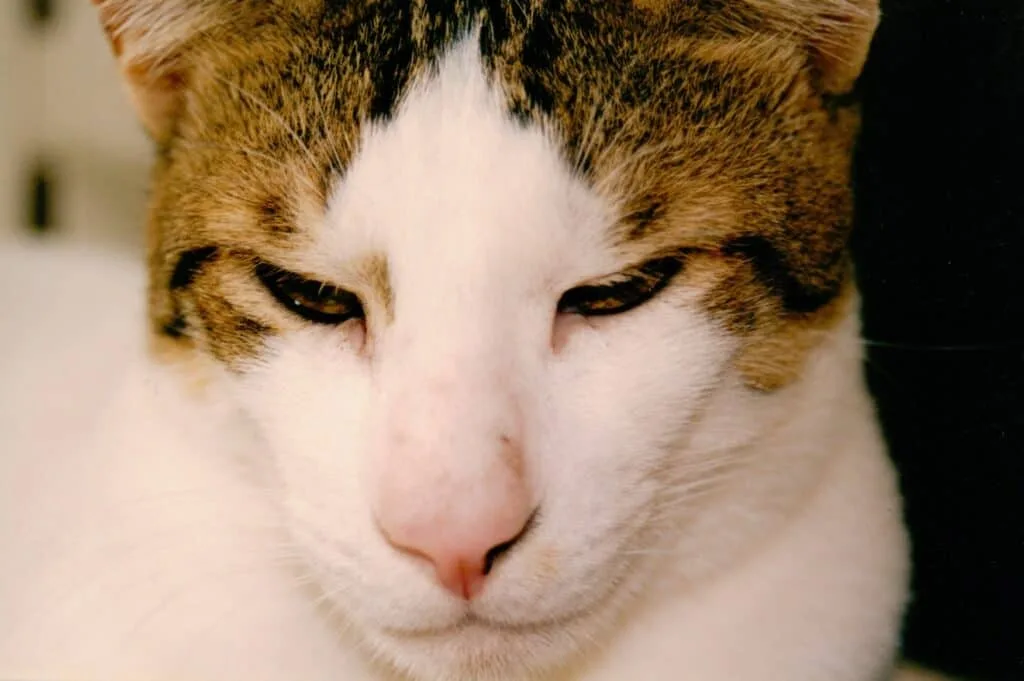
Just like humans, cats can show stress through physical symptoms. Excessive grooming leading to bald spots is one clear sign. This can be alarming, but it’s a cat’s way of coping with anxiety. Pay attention to their eyes and ears. Dilated pupils and ears flattened against the head are common in stressed cats. A personal experience taught me this: my cat, Luna, started shedding more than usual. At first, I thought it was a seasonal change, but it turned out she was stressed from a new pet in the house. Frequent vomiting or diarrhea can also be stress-related. If your cat exhibits these symptoms, a trip to the vet might be necessary to rule out other health issues. Do any of these signs sound familiar? Understanding and recognizing these indicators can help you take proactive steps to relieve your cat’s stress. What changes can you make in your home to create a more peaceful environment for your feline companion?Common Causes Of Cat Stress
Cats, like humans, can experience stress. As a pet owner, you might wonder what could be troubling your feline friend. Understanding the common causes of cat stress can help you create a more peaceful environment for your pet. Let’s dive into the main contributors to cat stress and explore how you can address them.
Environmental Changes
Have you ever noticed your cat acting differently after you’ve rearranged the furniture or moved to a new home? Environmental changes can be unsettling for cats. They thrive on routine and familiarity, so even small adjustments can lead to stress.
To ease their anxiety, try to introduce changes gradually. Keep their favorite spots accessible and maintain consistency in their daily routine. Imagine how you feel when everything around you is unfamiliar. Your cat feels the same!
Social Interactions
Social interactions are another potential stressor. Cats are unique; some love company while others prefer solitude. Introducing new pets or guests can be overwhelming. How does your cat react when visitors come over?
Pay attention to your cat’s signals. If they seem anxious, provide them with a quiet space to retreat. You can help them feel secure by respecting their boundaries and gradually familiarizing them with new faces. Remember, your cat’s comfort should come first.
Health Issues
Is your cat showing signs of stress that don’t seem related to their environment or social circle? Health issues might be the culprit. Cats often hide discomfort, making it crucial to monitor their behavior closely.
Regular vet check-ups are vital. They can catch potential problems early. If your cat is eating less, avoiding play, or acting differently, consult your vet. It’s better to be proactive than reactive.
Now, think about your own experiences. Have you ever felt stressed due to changes in your surroundings or interactions? Your cat experiences stress similarly. By understanding these triggers, you can create a safe and comforting haven for your feline friend. How will you make changes to ensure your cat feels more at ease?
Creating A Calming Environment
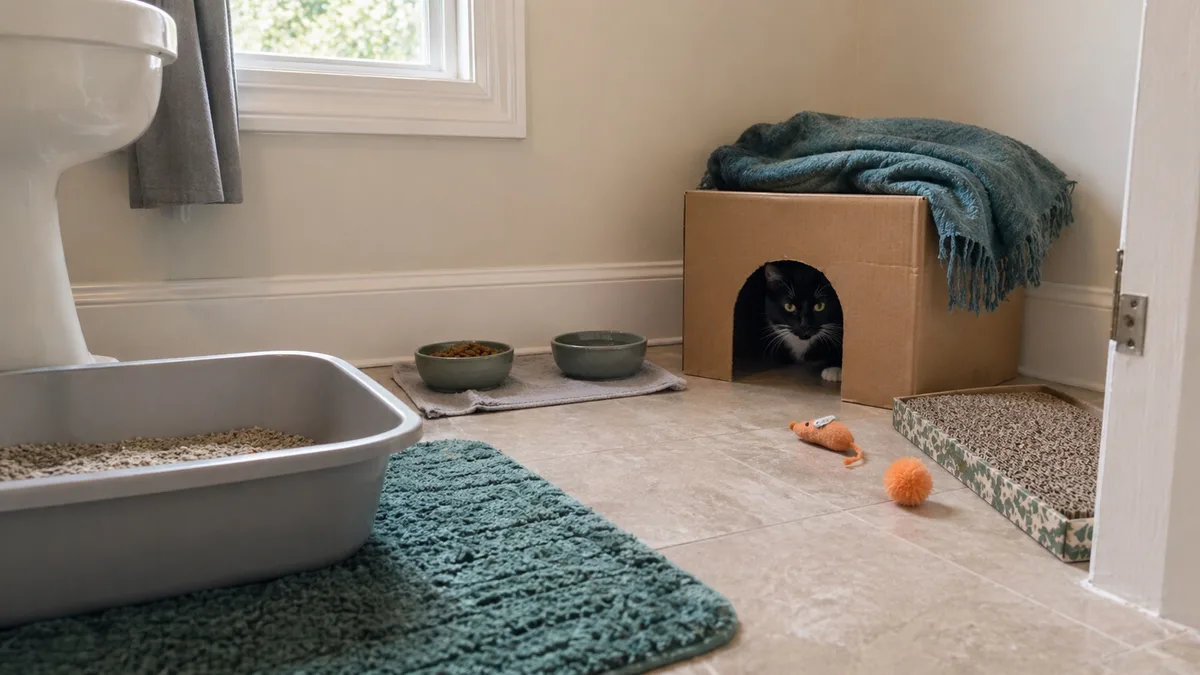
Creating a calm space helps ease cat stress. Soft lighting and quiet corners work wonders for relaxation. Add cozy spots and gentle sounds to create a peaceful haven.
Creating a calming environment for your cat can be a game-changer in reducing stress. Cats are creatures of comfort, and their surroundings significantly impact their mood and behavior. By tweaking their environment, you can ensure your feline friend feels safe and relaxed. Here’s how you can make your home a haven for your cat.Safe Spaces
Every cat needs a sanctuary—a place where they can retreat and feel secure. This could be a cozy corner of your house or a dedicated room. My cat, Whiskers, loves her small tent in the living room, where she can watch the world from a comfortable distance. Consider adding a soft blanket or a small pillow. These familiar scents and textures help your cat feel more at ease. Do you have a nook that your cat already seems to prefer? Enhance it with a few cozy elements.Stimulating Toys
Toys are not just for fun—they’re essential for mental stimulation and stress relief. Cats love to hunt, so toys that mimic prey can be particularly engaging. I once bought a feather wand for Whiskers, and it quickly became her favorite. Rotate toys regularly to keep your cat interested. A simple ball, a laser pointer, or even a crumpled piece of paper can do wonders. Are there any toys you haven’t tried yet? Introduce new ones and observe how your cat reacts. Creating a calming environment is about understanding what makes your cat comfortable and happy. A few thoughtful changes can make a big difference. What small steps can you take today to make your cat’s space more inviting?
Credit: www.facebook.com
Diet And Nutrition
Every cat deserves a stress-free life. Diet and nutrition play a crucial role in maintaining a cat’s mental health. Feeding the right foods can help reduce anxiety. Proper hydration also supports overall well-being. Let’s explore how diet influences your cat’s stress levels.
Stress-reducing Foods
Some foods have calming effects on cats. Look for foods rich in omega-3 fatty acids. These nutrients support brain health. Turkey and chicken contain tryptophan. This amino acid helps produce serotonin. Serotonin boosts mood and reduces stress. Choose high-quality proteins to improve your cat’s diet. Vegetables like pumpkin are also beneficial. They contain antioxidants that fight stress.
Proper Hydration
Water is essential for your cat’s health. Dehydration can increase stress. Always provide fresh water in clean bowls. Wet cat food has more moisture. It can help keep your cat hydrated. Monitor your cat’s water intake. A drinking fountain can encourage hydration. Cats enjoy moving water. Proper hydration aids digestion and regulates body temperature. It also supports brain function.
Stress-reduction Techniques
Stress in cats is a common issue that can affect their health. It’s vital to help them relax and feel secure in their environment. Stress-reduction techniques are essential to ensure your cat remains happy and healthy. These techniques not only soothe the cat but also strengthen the bond between you and your feline friend.
Massage And Petting
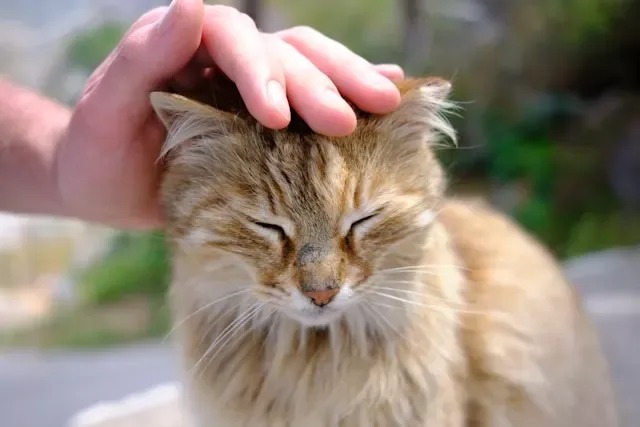
Gentle massage can calm a stressed cat. Start by softly stroking its fur. Focus on areas like the back and head. Move your fingers in slow circles. This can ease tension and make your cat feel loved. Regular petting sessions can create trust and comfort. Ensure your hands are warm and soft. This enhances the soothing effect. Watch your cat’s reactions closely. Adjust your touch if needed.
Playtime Activities
Interactive play can reduce stress in cats. Use toys like feathers or balls. These encourage natural hunting instincts. Playing helps release pent-up energy. Set aside time daily for fun activities. Rotate toys often to keep interest high. Playing together strengthens your bond. It also keeps your cat physically active. Physical activity is crucial for mental health. A tired cat is a relaxed cat.
Use Of Calming Products
Calming products help ease cat stress effectively. Special sprays and diffusers create a soothing atmosphere at home. Natural supplements can also relax cats, promoting a peaceful environment.
Cats, like humans, can experience stress due to various factors such as changes in their environment, new pets, or loud noises. If left unchecked, this stress can lead to health problems or behavioral issues. One effective way to help your feline friend relax is through the use of calming products. These products are designed to reduce anxiety and promote a sense of calmness. Let’s explore how they can help your cat feel more at ease.Pheromone Diffusers
Pheromone diffusers mimic the natural pheromones that cats produce to mark their territory and create a sense of familiarity. When I first brought home a new kitten, my older cat was noticeably tense. Plugging in a pheromone diffuser helped her feel more secure and stopped her from hiding under the bed. These diffusers are simple to use. Just plug them into an electrical outlet in the room where your cat spends most of its time. You can usually notice a change in behavior within a few days. They offer a non-invasive solution, perfect for those who prefer not to administer oral medications or supplements.Herbal Remedies
Herbal remedies are another natural option to consider for reducing cat stress. Catnip, chamomile, and valerian root are popular choices that have calming effects on cats. I once tried a valerian root-infused toy for a particularly anxious foster cat, and it made a noticeable difference in her behavior. These remedies come in various forms, like sprays, treats, or toys. You might want to try different options to see what your cat responds to best. Always check with your veterinarian before introducing new herbs, especially if your cat has existing health issues. Have you tried any calming products for your cat? Finding the right solution can significantly improve your pet’s well-being, making your home a happier place for everyone.Professional Help
Professional help can ease cat stress effectively. Experts offer advice on creating a calm environment, improving your cat’s well-being. Reducing stress improves their health and happiness.
Helping your cat manage stress might sometimes require seeking professional help. While there are many things you can do at home, professionals can offer tailored advice and treatments. They’re trained to identify specific issues and provide solutions that you might not have considered. Don’t wait until stress becomes a severe issue. Sometimes, a little professional guidance can make all the difference in your cat’s well-being.Consulting Veterinarians
Veterinarians are often the first stop when addressing your cat’s stress. They can rule out any medical conditions that might be causing anxiety. A simple check-up can sometimes uncover underlying health issues that are contributing to your cat’s stress. Your vet might also suggest changes in diet or recommend supplements that can soothe your cat. They have access to a range of products and medications that can help reduce stress. Remember, they’re there to help you and your pet, so don’t hesitate to ask questions. If you notice any unusual behavior, like excessive grooming or hiding, it’s time to schedule an appointment. Veterinarians can provide insights into behavioral patterns that might be unfamiliar to you. This proactive step can prevent minor stress from escalating into a bigger problem.Behavioral Therapists
Behavioral therapists specialize in understanding and modifying animal behavior. If your cat’s stress seems persistent or severe, a behavioral therapist can be invaluable. They have strategies and techniques that are beyond basic training and can address specific triggers. A behavioral therapist might visit your home to observe your cat in its environment. This helps them tailor a plan specific to your cat’s needs. You might be surprised how small changes, like rearranging furniture or adding vertical spaces, can impact your cat’s stress levels. Consider if there have been recent changes in your home, like new pets or family members. A therapist can help your cat adjust to these changes and reduce their anxiety. They can also educate you on how to interact with your cat in ways that promote relaxation and trust. Seeking professional help might seem daunting, but it can be a game-changer for your stressed-out kitty. Wouldn’t it be worth it to see your feline friend relaxed and happy again?
Credit: vetic.in
Monitoring Stress Levels
Monitoring stress levels in cats is crucial for their well-being. Stress can lead to health issues and behavioral changes. Identifying stress early helps in providing timely care. This section explores effective methods to monitor your cat’s stress levels.
Regular Health Check-ups
Schedule regular vet visits for your cat. These visits help detect stress-related issues early. Veterinarians can spot subtle signs of stress. They may notice changes in weight or appetite. Regular check-ups ensure your cat is healthy.
Physical exams reveal underlying health problems. Blood tests can show stress-induced changes. Discuss any behavioral changes with your vet. They provide expert advice on stress management. Regular check-ups are essential for a stress-free cat.
Observational Techniques
Observe your cat’s behavior closely. Changes in eating habits can indicate stress. Look for signs like excessive grooming or hiding. Watch for changes in vocalization patterns. Increased meowing can signal distress.
Track your cat’s interaction with family members. Notice if they avoid social interaction. Monitor their sleep patterns for disruptions. Keep an eye on their litter box habits. Unusual behavior can be a stress indicator.
Use these techniques to understand your cat’s needs. Observational techniques help in identifying stress triggers. They enable timely intervention for stress relief.
Frequently Asked Questions
What To Do When A Cat Is Stressed?
Provide a quiet, safe space for your cat to relax. Use calming pheromone diffusers or sprays. Engage in gentle play to distract and comfort them. Maintain a consistent routine to reduce anxiety. Consult a veterinarian if stress persists.
What Are The Signs Of Stress In A Cat?
Signs of stress in cats include hiding, excessive grooming, decreased appetite, aggression, and changes in litter box habits. Watch for vocalization, restlessness, or unusual behavior. Early recognition helps in managing stress effectively.
What Are Common Signs Of Cat Stress?
Common signs of cat stress include hiding, excessive grooming, and loss of appetite. Your cat may also become more vocal or aggressive. It’s important to observe changes in behavior closely. Identifying these signs early can help you address the stress effectively.
How Can I Create A Stress-free Environment?
To create a stress-free environment, provide a quiet and safe space for your cat. Ensure they have access to fresh water, nutritious food, and clean litter. Interactive toys and scratching posts can keep them entertained. Regular playtime can also help reduce stress.
Conclusion
Helping your cat feel relaxed improves their health and happiness. Try different calming techniques to find what works best. Regular play sessions can reduce stress and increase your bond. Ensure your cat has a quiet, safe space to retreat. Use soothing music or pheromone diffusers to create a calming environment.
Consistent routines provide comfort and stability. Pay attention to changes in behavior, as these can signal stress. Happy, stress-free cats lead to a joyful home. Remember, small changes can make a big difference in your cat’s well-being. Keep observing and caring for your furry friend.

Similar Posts