How to Clicker Train a Cat: Master Feline Skills
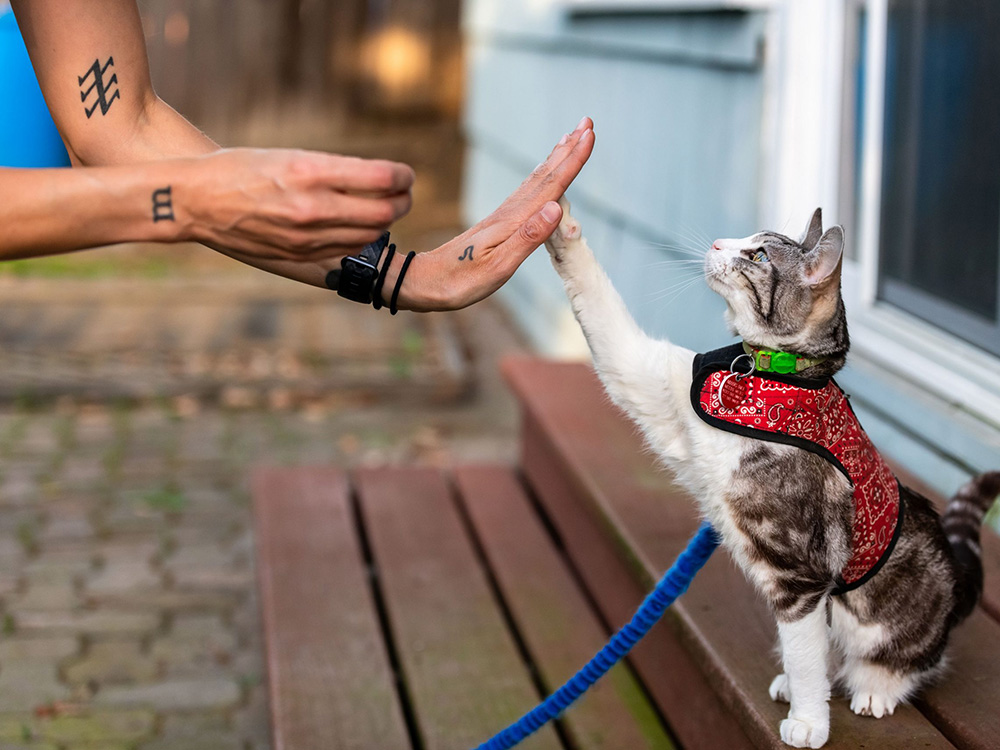
Are you looking to teach your cat some new tricks or perhaps improve its behavior? Clicker training could be your answer.
Imagine a world where your feline friend responds eagerly to your cues, making your life easier and more harmonious. Yes, it’s possible, and it starts with the simple power of a click. You’ll discover the secrets to harnessing this technique effectively, transforming your cat’s behavior while strengthening your bond.
By the end, you’ll not only understand the magic of clicker training but also feel empowered to start this rewarding journey with your cat today. Let’s dive in and explore how you can turn every click into a positive change!
Benefits Of Clicker Training For Cats
Clicker training isn’t just for dogs—cats can benefit too! This method uses a small device that makes a clicking sound to signal to your cat that they’ve done something right. It’s a straightforward and enjoyable way to teach your feline friend tricks and good behavior. But why should you consider clicker training for your cat? Let’s dive into the benefits and see how it can improve your cat’s life and your relationship with them.
Improves Communication
Clicker training enhances your communication with your cat. The click serves as a clear signal that they’ve met your expectations. This cuts through any confusion that might arise from verbal commands, helping you both understand each other better. Imagine the bond that can develop when your cat finally grasps what you want them to do.
Strengthens Your Bond
Training sessions with a clicker can be a fun, bonding experience. Spending quality time with your cat fosters trust and companionship. When your cat sees the clicker as a tool for praise, it can transform your interactions into positive experiences. Have you noticed your cat looking forward to training time?
Encourages Mental Stimulation
Cats, like humans, need mental challenges to stay healthy and happy. Clicker training offers this stimulation by encouraging your cat to think and problem-solve. This mental engagement can keep your cat lively and curious, reducing boredom and related behavioral issues. How does your cat react when faced with a new challenge?
Reduces Undesirable Behavior
Using a clicker can redirect negative behaviors into positive ones. Rather than scolding your cat for doing something wrong, you can teach them what you want them to do instead. This proactive approach can lead to a more harmonious household. Have you ever found yourself frustrated with your cat’s antics?
Boosts Confidence
Mastering new tricks and commands can boost your cat’s confidence. With each successful click, your cat gains a sense of achievement. This newfound confidence can lead to a more outgoing and playful pet. Have you ever seen your cat strut proudly after learning something new?
Clicker training is not just a tool—it’s a pathway to a better relationship with your cat. As you explore this method, think about the positive changes it could bring to your home. Are you ready to see your cat thrive?

Credit: pasadenahumane.org
Getting Started With Clicker Training
Clicker training is a fun way to teach your cat new tricks. It strengthens the bond between you and your feline friend. Before you begin, it’s essential to gather the right tools. This will make the process smooth and enjoyable for both you and your cat.
Choosing The Right Clicker
The clicker is a small device that makes a distinct sound. It’s crucial to pick one that is comfortable to hold and easy to use. Some clickers are louder than others. Test a few to find one that suits your cat’s sensitivity. A button-style clicker is often easy for beginners. Make sure the clicker fits well in your hand. This helps with consistent training sessions.
Gathering Essential Supplies
Besides the clicker, you need other supplies. Treats are a key part of clicker training. Choose small, tasty treats your cat loves. They should be easy to eat quickly. This keeps your cat focused and eager to learn. A treat pouch is helpful to hold the treats. It allows easy access during training. You might also need a target stick. It helps guide your cat through certain tricks. All these supplies make training sessions more productive and fun.
Understanding Cat Behavior
Understanding cat behavior is key to successful clicker training. Cats communicate in subtle ways. Observing their actions helps build a stronger bond. This section explores recognizing cat signals and building trust.
Recognizing Cat Signals
Cats express themselves through body language. A flicking tail often means irritation. Slow blinking shows affection and trust. Purring usually indicates contentment. Recognizing these signals aids in effective communication. Watch for ear positions. Forward ears show interest. Flattened ears signal anger or fear.
Vocalizations also reveal moods. A loud meow might mean hunger or attention-seeking. A soft trill signals greeting. Observing these signals helps understand your cat better. Understanding leads to smoother training sessions. It creates a harmonious environment.
Building Trust And Bonding
Trust is essential in clicker training. Start by spending quality time. Play with your cat daily. Use gentle strokes and soothing words. Cats respond well to calm environments. Avoid sudden movements. This builds trust gradually.
Feeding times are bonding moments. Use treats during training sessions. Reward desired behaviors promptly. Consistent rewards strengthen the bond. Trust grows through patience. Celebrate small achievements together. This encourages your cat to engage willingly. Mutual respect fosters a positive training experience.
Setting Up The Training Environment
Clicker training a cat can be a rewarding experience. Setting up the right environment is key. A good setup ensures your cat stays focused and learns effectively. Creating the perfect space requires some planning. You need a distraction-free zone and a consistent training schedule.
Creating A Distraction-free Zone
Cats are curious creatures. They notice everything around them. To train effectively, find a quiet space. Remove toys and other distractions. This helps your cat focus on you and the clicker. Choose a room with minimal noise. This makes it easier for your cat to concentrate.
Timing And Consistency In Training
Consistency is crucial in cat training. Train at the same time each day. This builds a routine your cat expects. Keep sessions short, around 5-10 minutes. Cats have short attention spans. Frequent, short sessions work best. Always have the clicker and treats ready. Timing the click with the reward is essential. Your cat learns to associate the click with a treat.
Teaching Basic Commands
Teaching basic commands to your cat can be a rewarding experience. Cats are intelligent and can learn various commands with patience. Clicker training is an effective method for teaching these commands. This technique uses a clicker sound to signal desired behavior. The process is simple and enjoyable for both you and your cat.
Introducing The Clicker Sound
The clicker sound is a distinct noise that captures your cat’s attention. Start by associating the sound with something positive. Click the device, then immediately give your cat a treat. Repeat this several times. This creates a connection between the sound and rewards. Your cat will soon understand that the click means something good is coming. Practice in a quiet space to keep distractions minimal.
Rewarding Positive Behavior
Once your cat knows the clicker sound, use it to encourage positive behavior. Observe your cat and click when it performs a desired action. Follow the click with a treat or affection. This reinforces the behavior you wish to see. Be consistent and timely with your rewards. Your cat will learn to repeat actions that earn clicks and treats. Over time, the need for treats can decrease as your cat becomes familiar with the commands.

Credit: www.amazon.com
Advanced Tricks And Skills
Clicker training offers cats mental stimulation and physical exercise. Once your cat masters basic commands, challenge them with advanced tricks and skills. These exercises strengthen your bond and keep your cat’s mind sharp. Let’s explore some advanced training techniques that can take your cat’s abilities to the next level.
Training For Complex Commands
Begin by teaching your cat to fetch. Start with their favorite toy. Show it to them, then toss it a short distance. Use the clicker as they touch the toy, rewarding them with a treat. Gradually increase the distance. Consistency helps them understand the task.
Next, introduce the “sit” command. Hold a treat above their head. Move it back over their ears. As their head follows, their bottom will lower. Click and reward as they sit. Use a clear cue word like “sit” each time.
Improving Agility And Coordination
Set up a mini obstacle course. Use tunnels, boxes, and low hurdles. Encourage your cat to navigate through. Use the clicker and treats to guide them. This improves their agility and coordination.
Train your cat to weave through poles. Begin with two poles placed apart. Lure them through with a treat. Click and reward for each successful pass. Gradually add more poles as they improve.
Jumping through hoops is another fun trick. Start with the hoop on the ground. Encourage them to step through. Raise the hoop slowly as they gain confidence. Click and treat for each successful jump.
Keep training sessions short and fun. Your cat’s interest and excitement are key. Celebrate small achievements along the way. This strengthens their desire to learn more.
Troubleshooting Training Challenges
Clicker training a cat can be rewarding, but challenges may arise. Cats may not respond as expected or seem uninterested. Addressing these issues can make training smoother and more enjoyable. Let’s explore how to troubleshoot common challenges.
Identifying Common Mistakes
Training often falters due to timing errors. Click the moment your cat performs the desired action. This helps them associate the sound with their behavior. Another mistake is inconsistent practice. Keep sessions short and regular to maintain interest. Using a high-value treat is crucial. Low-value rewards might not motivate your cat.
Adjusting Techniques For Success
Observe your cat’s reactions. If your cat loses interest, try shorter sessions. A bored cat learns less. Modify your approach based on your cat’s mood. A stressed or tired cat won’t engage well. Change treats if your cat seems uninterested. A special treat can renew enthusiasm.
Ensure a distraction-free environment. External noises can disrupt focus. A quiet space helps your cat concentrate. Patience is key. Every cat learns at their own pace.

Credit: www.mauihumanesociety.org
Maintaining Training Progress
Once your cat understands basic commands, maintaining progress is key. Consistent practice ensures your feline friend remembers learned skills. Use positive reinforcement to encourage your cat’s good behavior. Regular training sessions build confidence and strengthen your bond. Celebrate small victories to keep motivation high.
Reinforcing Learned Skills
Repetition solidifies your cat’s skills. Practice commands your cat has mastered. Use treats or praise for correct responses. Keep sessions short to maintain interest. A few minutes daily is enough. Vary the training environment to test adaptability. This helps your cat respond well in different situations.
Incorporating Training Into Daily Life
Seamlessly blend training into everyday routines. Ask for a sit before meals or treats. Encourage your cat to follow commands during playtime. Use clicker training during walks or outings. This makes learning part of normal activities. Gradually increase complexity as your cat improves. This keeps your cat engaged and alert.
Frequently Asked Questions
How Do I Start Clicker Training My Cat?
Begin by choosing a clicker and some tasty cat treats. Click and reward your cat when it performs a desired action. Repeat consistently to reinforce the behavior. Keep sessions short and positive for effective learning.
What Age To Start Clicker Training A Cat?
Start clicker training a cat as early as 8 weeks old. Young kittens learn quickly and adapt easily. Use positive reinforcement to encourage desired behaviors. Consistent training helps in building a strong bond between you and your cat. Make sessions short and fun to keep your cat engaged.
Can You Clicker Train A Cat To Stop Biting?
Yes, you can clicker train a cat to stop biting. Use positive reinforcement and reward good behavior. Consistency and patience are key in training.
How Do You Clicker Train Cats To Get Along?
Use a clicker to reward friendly behaviors between cats. Start training them separately. Gradually introduce them, using treats to encourage positive interactions. Reinforce calmness and cooperation with the clicker, creating positive associations. Consistency and patience are key for effective clicker training.
Conclusion
Clicker training a cat is simple and fun. Start with patience. Use treats as motivation. Cats learn quickly with clear signals. Always reward positive behavior. Gradually increase training complexity. Consistency is key to success. Observe your cat’s cues and adjust.
Build a strong bond through training. Enjoy the process together. Celebrate small victories. Every cat is unique. Training enhances communication and trust. It’s a joyful journey for both. Happy training!

Similar Posts