Are you struggling with a mischievous cat that seems immune to your attempts at discipline? You’re not alone.
Many cat owners believe their feline friends are impossible to train, but the truth is, with the right techniques, you can teach your cat to be a well-behaved companion. Imagine the joy of coming home to a cat that greets you with gentle purrs instead of shredded curtains.
In this guide, you’ll discover effective methods to train your cat, transforming those chaotic moments into harmonious interactions. Ready to unlock a new level of understanding with your feline friend? Keep reading to learn the secrets to successful cat training.
Credit: www.yourcat.co.uk
Understanding Feline Behavior
Training a cat requires understanding their unique behavior. Cats are not like dogs. They have distinct instincts and reactions. Knowing these can improve your training efforts. Let’s explore the key aspects of feline behavior.
Recognizing Body Language
Cats communicate through their bodies. Tail position, ear movement, and eye contact speak volumes. A raised tail often means happiness. Flattened ears can signal fear or aggression. Observing these cues helps in understanding your cat’s mood.
Understanding Vocalizations
Cats use sounds to express feelings. A purr usually indicates contentment. Meowing can mean many things, like hunger or attention seeking. Listening carefully can help you respond appropriately.
Instinctual Behaviors
Cats have strong instincts. Hunting, scratching, and grooming are natural behaviors. Providing toys can satisfy hunting instincts. Scratching posts help protect your furniture. Understanding these needs can aid in creating a happy environment.
The Importance Of Routine
Cats thrive on routine. They feel secure with consistent feeding and play times. Disrupting a routine may cause stress. Maintaining a stable schedule can lead to a more relaxed cat.
Respecting Personal Space
Cats value their personal space. Approaching them slowly and respecting their boundaries is crucial. Forcing interaction can lead to stress. Allow your cat to come to you when they feel comfortable.
Building Trust And Bond
Training your cat involves patience and kindness, helping build trust and a strong bond. Use treats and praise to encourage good behavior, making learning fun. With time, your cat will feel more secure and connected to you.
Building trust and a strong bond with your cat is essential for a harmonious relationship. Cats are known for their independence, but with patience and understanding, you can create a connection that benefits both you and your feline friend. Training your cat isn’t just about teaching tricks; it’s about establishing a foundation of trust that encourages cooperation and mutual respect.Understanding Your Cat’s Body Language
Pay attention to your cat’s body language. Their tail, ears, and eyes can tell you a lot about their mood. A relaxed cat with a gentle purr is more likely to be open to interaction. Notice how your cat reacts to different situations. If their ears are flattened, they might be scared or annoyed. Respect their space and try again later when they seem calmer. Observing these signs helps you approach your cat in a way that feels safe for them. This encourages trust and reduces stress during training.Creating A Safe Environment
Make sure your cat feels secure in their environment. A safe space where they can retreat is crucial for building trust. Ensure your home has cozy spots like a cat bed or a perch by the window. This gives your cat a sense of ownership and comfort. Safety means more than just physical comfort. It includes emotional security, knowing they can retreat when they need a break.Using Positive Reinforcement
Positive reinforcement is key in training. Reward your cat with treats or affection when they display good behavior. Choose rewards your cat loves. Some cats might prefer a tasty treat, while others might enjoy a gentle petting session. Consistency is crucial. Reward them every time they perform the desired behavior to reinforce the connection between their action and the reward.Patience And Consistency
Training your cat requires patience. Cats learn at their own pace, and pushing them can be counterproductive. Consistency in your approach helps your cat understand what you expect. Use the same cues and rewards each time. Reflect on your progress. Are you seeing small improvements? Celebrate these victories as they signify growing trust and a stronger bond.Respecting Your Cat’s Boundaries
It’s important to respect your cat’s limits. If they seem disinterested or stressed, give them space. Pushing a cat too hard can break trust. Instead, be mindful of their responses and adjust your approach accordingly. By respecting their boundaries, you demonstrate understanding and respect, which are crucial for building a solid bond. Training your cat is as much about learning their needs as it is about teaching them commands. Have you considered what your cat is trying to tell you? Building trust and bond is a rewarding journey that enhances your relationship with your feline companion.Positive Reinforcement Techniques
Training a cat involves positive reinforcement techniques, making learning enjoyable for your furry friend. Offer treats, praise, or playtime when your cat follows commands. This encourages good behavior and strengthens the bond between you and your cat.
Training your cat can be a rewarding experience, especially when you use positive reinforcement techniques. Cats respond well to kindness and patience, making these methods effective and enjoyable for both of you. Positive reinforcement focuses on encouraging good behavior by rewarding your cat, making them eager to learn and obey. Let’s dive into specific techniques that you can use to train your feline friend.Using Treats And Rewards
Providing treats is a straightforward way to encourage your cat’s good behavior. Cats love tasty morsels, and you can use their favorite snacks to guide them. Begin by choosing a treat that your cat adores—something special that they don’t get every day. During training, give them a treat when they perform the desired action. This creates a connection in their mind between the action and the reward. Consistency is key. If you only reward them sometimes, they might become confused. Stick to a routine so they know what to expect.Incorporating Praise And Affection
While treats are effective, don’t underestimate the power of your affection. Cats are sensitive creatures who crave attention from their human companions. When your cat does something right, show them how pleased you are. Use your voice to express happiness. A cheerful “good job!” can make a difference. Your tone matters, so keep it upbeat. Physical affection, like petting or a gentle scratch behind the ears, reinforces your verbal praise. It strengthens your bond and makes training a loving experience. Consider your own experiences with your cat. Have you noticed how they respond when you praise them? Your feedback can make them even more responsive. Share your success stories with other cat owners and inspire them to try these methods. Training is not just about teaching commands; it’s about building a relationship. How can you make your training sessions more enjoyable for your cat? Positive reinforcement techniques offer practical tools to help you achieve this. Whether you’re using treats or showering them with affection, you’re guiding them to be their best selves.
Credit: www.youtube.com
Basic Commands For Cats
Training your cat involves teaching basic commands like “sit,” “stay,” and “come. ” Use treats and positive reinforcement to encourage desired behaviors. Patience and consistency are key in helping your cat learn effectively.
Training your cat might seem like an ambitious task, but with patience and consistency, you can teach your feline friend some basic commands. Cats are intelligent creatures, and they can learn commands just like dogs. However, they require a different approach. Your cat might not respond to commands in the same way a dog would, but with the right techniques, you can guide your cat to understand and follow basic commands like ‘sit’, ‘come’, and ‘stay’.Teaching ‘sit’
Begin with a treat in your hand. Hold it above your cat’s head and slowly move it towards their tail. This movement naturally encourages your cat to sit as they follow the treat with their eyes. As soon as their bottom touches the ground, say “sit” and reward them with the treat. Consistency is key. Practice a few times every day. Remember, patience is essential, and praise goes a long way. Have you ever noticed how quickly your cat responds to their favorite snack?Training ‘come’
Start by calling your cat’s name followed by the word “come”. Use a cheerful voice. When they come to you, reward them with a treat and lots of affection. Gradually increase the distance and test if your cat comes when called from another room. Did you know that many cats respond better to a specific tone or sound? Try using a bell or clicker to reinforce the command.Introducing ‘stay’
Begin by asking your cat to sit. Once they are sitting, show them the palm of your hand and say “stay”. Take a step back, and if they remain seated, reward them immediately. Increase the distance slowly. Practice regularly to build up their understanding. Isn’t it fascinating how cats, often perceived as aloof, can demonstrate such focus and discipline with proper training? Training cats requires a unique blend of patience, consistency, and understanding. As you work with your cat, remember to celebrate small victories and enjoy the bonding experience. What surprising skills will your cat master next?Litter Box Training Tips
Training your cat to use a litter box is essential. It ensures a clean home and a happy pet. Cats instinctively bury their waste. This makes litter box training easier than other tasks. With the right tips, you can make this process smooth and effective.
Choosing The Right Litter Box
Size matters. A large box gives your cat space to move. Cats dislike cramped areas. They need room to dig and turn. Opt for a box with low sides for easy access. This is crucial for kittens and older cats. Covered boxes offer privacy. But some cats prefer open boxes. Monitor your cat’s preference. Choose based on their comfort.
Maintaining Cleanliness
Cleanliness is key. Scoop waste daily. Cats avoid dirty boxes. Regular cleaning prevents odors. Use mild soap and water for washing. Strong scents can deter cats. Replace litter weekly. Fresh litter attracts cats. Keep the box in a quiet location. Loud noises can stress cats. Stress leads to avoidance. Ensure the area is peaceful.
Handling Unwanted Behaviors
Training your cat involves patience and understanding. Redirect attention with toys to manage unwanted behaviors. Consistency is key in reinforcing positive actions.
Handling unwanted behaviors in cats can be challenging. Yet, with patience and understanding, it becomes manageable. Cats have natural instincts that sometimes clash with human environments. Addressing these behaviors requires consistent training. A structured approach helps maintain harmony in the home. Let’s explore some common issues and solutions.Managing Scratching
Cats love to scratch. It’s natural for them. They use it to mark territory. It also keeps their claws healthy. To manage this, provide a scratching post. Place it near areas they often scratch. Encourage them by rubbing catnip on it. Reward them when they use it. Consistency is key. If they scratch furniture, redirect them. Clap or use a firm “no” to dissuade them. Avoid punishment. It can create fear.Addressing Biting
Biting can occur during play. Sometimes, it results from overstimulation. Recognize the signs of agitation. Flattened ears or a twitching tail indicate stress. Stop play when these signs appear. Use toys instead of hands for play. This reduces the chance of biting. If they bite, withdraw attention. Use a firm “no” and walk away. Over time, they learn biting stops play. Reward gentle play. Positive reinforcement encourages desired behavior.Socialization Techniques
Training your cat involves patience and consistency. Start by gently introducing them to different environments and people. Use treats and toys to encourage positive behavior and social interactions.
Training your cat is not just about teaching tricks or commands; it’s about helping them feel comfortable in a variety of situations. Socialization is key to ensuring your feline friend is happy and well-adjusted. Whether you’re introducing them to new environments or encouraging interaction with other pets, these techniques will help you raise a confident and sociable cat.Introducing Cats To New Environments
Cats are creatures of habit, and new environments can be overwhelming. Start by setting up a small, quiet space for them, like a bathroom or a cozy corner with their favorite blanket. This gives them a sense of security and a base from which to explore. Gradually expand their world by opening up more rooms. Keep the atmosphere calm and inviting. Use treats and toys to encourage exploration, ensuring they associate new spaces with positive experiences. Remember when I brought my cat, Luna, home for the first time? I let her explore at her own pace, and within days, she was confidently strutting around the house. Patience and gentle encouragement made all the difference.Encouraging Interaction With Other Pets
Bringing a new pet into a home with existing pets can be tricky. Start by introducing their scents before a face-to-face meeting. Swap bedding or use a soft cloth to rub each animal, allowing them to sniff and become familiar with each other’s scent. When it’s time for them to meet, keep the initial interactions brief and supervised. Use a barrier like a baby gate to allow them to see and sniff each other without direct contact. Reward calm behavior with treats to reinforce positive associations. I remember introducing Luna to my dog, Max. Their first meeting was through a baby gate, and both were curious but cautious. Over time, short, positive interactions led to a beautiful friendship. What strategies have you used to help your cat get comfortable with new situations? Whether you’re welcoming a new pet or moving to a new home, adapting your approach to socialization can make the transition smoother for both you and your cat.Advanced Training Techniques
Training a cat might sound daunting, but with advanced techniques, you can transform your feline friend into a well-behaved companion. Cats are intelligent creatures, capable of learning a variety of tricks and behaviors. Advanced training techniques require patience and consistency, but they can be incredibly rewarding. Let’s dive into some specialized methods that can enhance your cat’s training journey.
Clicker Training For Cats
Clicker training is a popular method that uses a small device to make a clicking sound, marking the desired behavior. The sound signifies to your cat that they’ve done something right, followed by a treat as a reward.
Start by associating the click with a treat. Click and immediately give your cat a treat to build this connection. This step is crucial; your cat needs to understand that the click means a reward is coming.
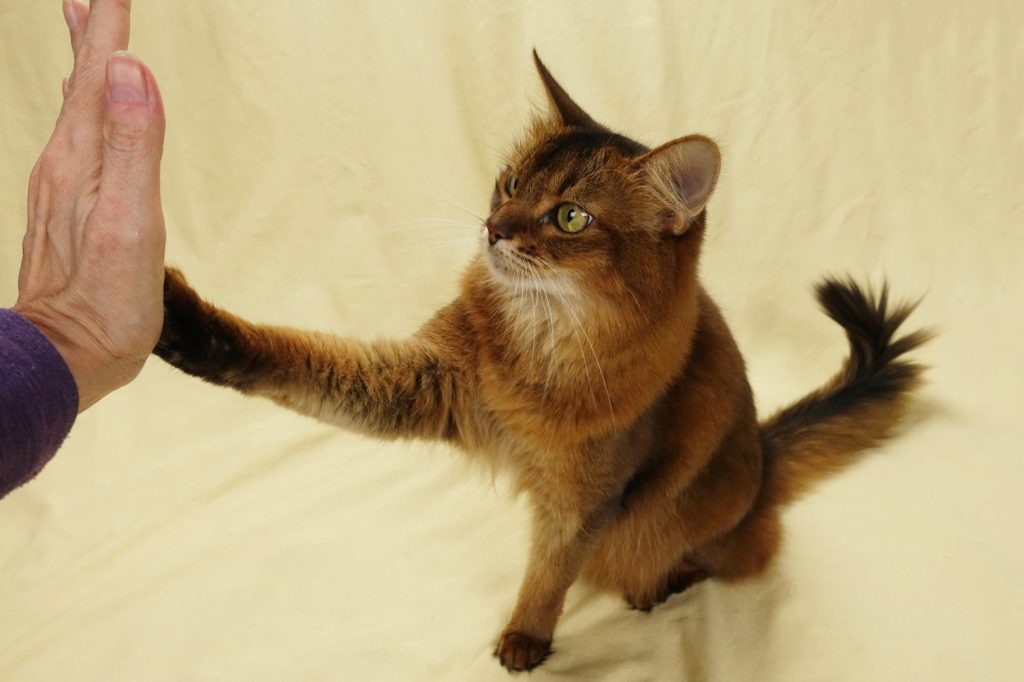
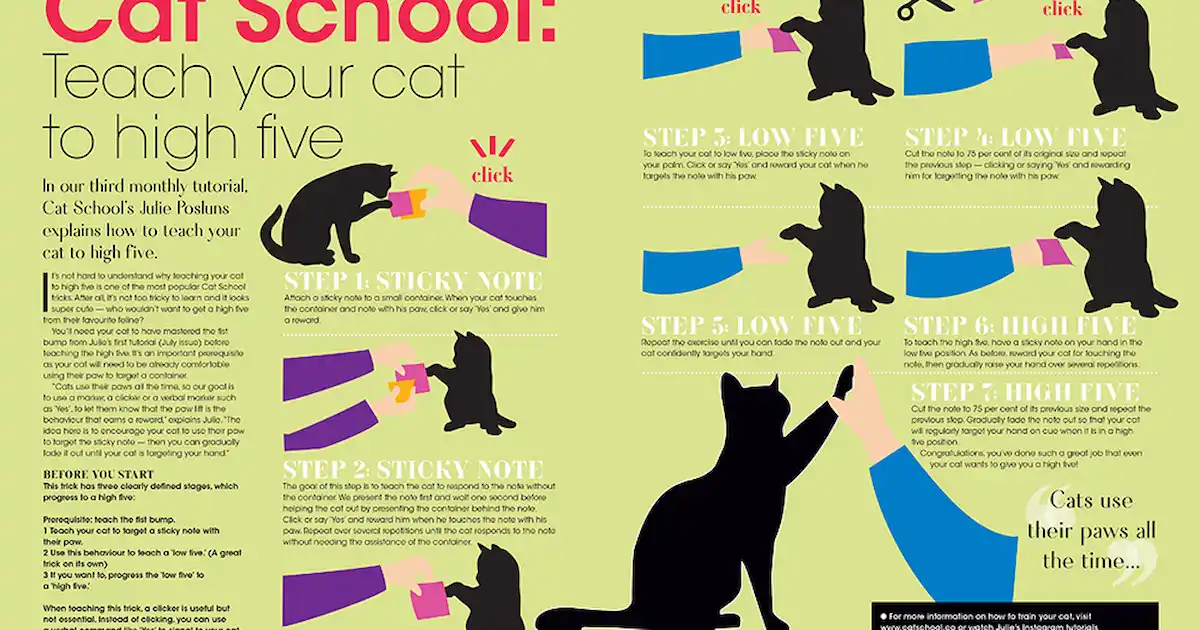
Once your cat responds to the click, you can teach specific commands like ‘sit’ or ‘high five.’ Click when they perform the action, then reward them. It’s simple, but consistency is key.
I used clicker training with my cat, Luna, and it worked wonders. She learned to sit on command and even mastered the high five, all thanks to the clicker.
Clicker training not only enhances communication but also strengthens your bond with your cat. Have you tried clicker training? What success have you seen?
Leash Training Tips
Leash training opens up a world of possibilities for outdoor adventures with your cat. Begin by selecting a comfortable harness that fits well, ensuring it’s snug but not too tight.
Introduce the harness gradually. Let your cat sniff and explore it before putting it on. Once they’re comfortable, attach the leash and let them roam around indoors.
Practice walking indoors to help your cat adjust to the sensation of the leash. Gradually move outside, starting in a quiet area, then slowly increase exposure to more stimulating environments.
Leash training requires patience, but it’s worth the effort. My cat, Oliver, now enjoys his daily walks in the garden. Seeing him explore the outdoors safely is incredibly rewarding.
Leash training can be a game-changer for indoor cats. Imagine the adventures you can share! Are you ready to give it a try?
Common Mistakes To Avoid
Training a cat requires patience and understanding. Avoid using punishment, which can scare your cat. Consistency is key; changing commands confuses them.
Training your cat can be a rewarding experience, but it’s easy to make mistakes that can hinder progress. Understanding common pitfalls can help you avoid frustration and strengthen your bond with your feline friend. Let’s dive into these common mistakes and see how you can steer clear of them.1. Not Understanding Your Cat’s Unique Personality
Every cat is different. Some are independent, while others crave attention. Ignoring your cat’s personality can lead to ineffective training sessions. Take time to observe your cat’s behavior. Notice what excites them or what they shy away from. Adapt your training methods to suit their nature. By doing so, you’ll find your cat more receptive and eager to learn.2. Using Punishment Instead Of Rewards
Punishing a cat for unwanted behavior often backfires. Cats don’t respond well to negative reinforcement. Instead, focus on rewarding good behavior. Offer treats or affection when your cat follows a command. Positive reinforcement encourages repetition of desired actions. Ask yourself: would you prefer a pat on the back or a scolding? Your cat feels the same.3. Inconsistent Training Sessions
Consistency is key in cat training. Skipping sessions or frequently changing your approach can confuse your pet. Set a regular schedule for training. Keep the methods consistent. This helps your cat to understand what’s expected. Consider how you learn a new skill—repetition and routine make it stick. Your cat benefits from the same practice.4. Ignoring Basic Needs During Training
Training should be a fun and engaging experience. But if your cat is hungry, tired, or stressed, they won’t be in the mood to learn. Ensure your cat’s basic needs are met before starting a session. Check if they’re well-fed, rested, and relaxed. A happy cat is a willing participant. Would you want to learn something new on an empty stomach or after a sleepless night?5. Expecting Instant Results
Patience is crucial when training your cat. Expecting instant results sets you up for disappointment. Cats learn at their own pace. Celebrate small victories and progress. Remember, your cat is not a dog. They may take longer to grasp certain commands, but that doesn’t mean they’re not learning. How do you feel when pressured to rush through a task? Give your cat the time they need. Avoiding these common mistakes can make training your cat a smoother, more enjoyable process. Embrace the journey with patience and understanding. Your cat will thank you with affection and a newfound willingness to learn.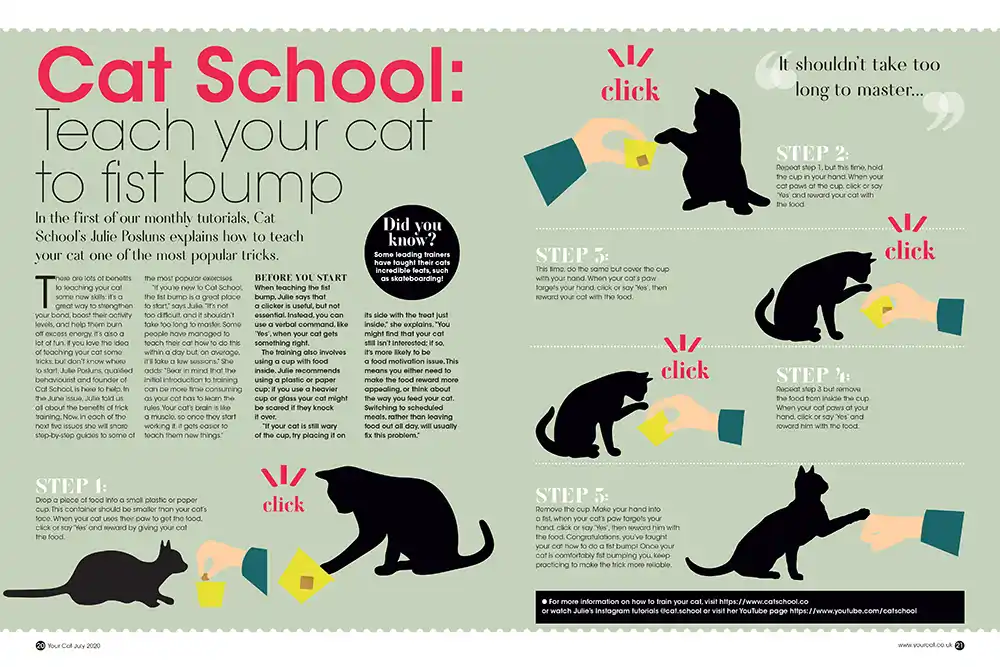
Credit: www.yourcat.co.uk
Benefits Of Professional Training
Professional training helps teach your cat basic commands and tricks. It improves their behavior and strengthens the bond between you and your feline friend. Through consistent practice, cats learn faster and become more responsive.
Training your cat professionally can transform your feline friend into a well-behaved companion. While many believe cats are too independent for training, professional guidance can make a significant difference. It’s not just about teaching tricks; it’s about enhancing your cat’s quality of life and your relationship with them.Expert Guidance For Better Results
Professional trainers have an arsenal of techniques tailored for individual cats. They understand feline behavior deeply. This means they can pinpoint issues you might overlook. Imagine your cat suddenly stops using the litter box. A trainer can identify stress factors you may not consider. With their help, you can adjust your home environment effectively.Customized Training Plans
Every cat is unique, with its own quirks and preferences. Professional trainers provide personalized plans that cater to your cat’s needs. I remember when my cat, Luna, refused to come when called. A trainer devised a plan that played into her love for treats. The results were almost immediate. These customized approaches are far more effective than generic advice you find online.Building Stronger Bonds
Training isn’t just about commands; it’s about connection. Professional trainers emphasize interaction that strengthens the bond between you and your cat. You might notice your cat responding better to your voice and gestures. This mutual understanding leads to a happier pet and owner. Isn’t that what every pet owner wants?Long-term Behavioral Improvements
Think about the frustration of dealing with a scratching habit or aggressive behavior. Professional training addresses these issues with lasting solutions. With expert help, you can ensure these behaviors don’t return. This saves you stress and potential damage to your home.Enhanced Socialization Skills
Socializing your cat is crucial, especially if you have other pets or plan to introduce new family members. Trainers know how to make this transition smooth. Consider the anxiety of introducing a new pet to your household. A trainer can ease this process, ensuring your cat feels comfortable and secure.Peace Of Mind
Knowing you have expert support can ease your worries. If your cat develops a new issue, you have a reliable resource to turn to. Wouldn’t it be comforting to have someone guide you through unexpected challenges? A professional offers reassurance and guidance when you need it most. Professional training isn’t just a luxury; it’s a valuable investment in your cat’s well-being. Have you considered the positive changes it could bring to your household?Frequently Asked Questions
Are Cats Easy To Train?
Cats can be challenging to train due to their independent nature. They respond best to positive reinforcement. Consistency and patience are key. Simple commands and rewards like treats can help. Training sessions should be short and engaging. Each cat’s personality may affect training success.
How Do You Train A Cat For Beginners?
Start training your cat using positive reinforcement. Use treats and praises for desired behaviors. Be patient and consistent. Focus on simple commands like “sit” or “come. ” Keep sessions short, around 5-10 minutes. Avoid punishment to prevent fear. Create a safe, distraction-free environment for effective learning.
How Do You Teach A Cat No?
Teach a cat “no” by using firm, consistent verbal cues and redirecting its behavior. Reward positive actions with treats or affection. Maintain patience and consistency for effective training. Avoid punishment, as it can cause stress and fear. Gradually, your cat will associate “no” with stopping unwanted actions.
What Annoys A Cat The Most?
Loud noises and sudden movements annoy cats the most. They dislike changes in routine or environment. Cats feel irritated by unfamiliar smells and crowded spaces. They prefer gentle handling and quiet surroundings to feel comfortable and relaxed.
Conclusion
Training your cat can be a rewarding journey. Start with patience and kindness. Use treats and praise to encourage good behavior. Consistency is key. Train in short sessions to keep it fun. Cats respond best to positive reinforcement. Avoid harsh discipline; it can cause fear.
Observe your cat’s reactions. Adapt your methods as needed. Every cat is unique. What works for one may not work for another. Enjoy the bond you build through training. It strengthens your connection. Makes life happier for both of you.
Keep learning together. Your cat will thank you.