Do Cats Need to Be Potty Trained? Unveiling the Truth
Have you ever found yourself wondering if your feline friend needs a little guidance in the bathroom department? You’re not alone.
The question, “Do cats need to be potty trained? ” Is on the minds of many cat owners. Cats are known for their independent nature, but there’s more to their bathroom habits than meets the eye. Understanding these habits can lead to a happier and cleaner home for both you and your pet.
We’ll delve into the world of feline potty training, unravel common misconceptions, and provide insights that might surprise you. Whether you’re a seasoned cat owner or a new pet parent, you’ll discover valuable tips that can make your life easier and your cat’s experience more pleasant. So, if you’re curious about how to improve your cat’s bathroom etiquette, keep reading! You might just find the answers you’ve been looking for.
Potty Training Basics For Cats
Cats naturally use litter boxes, so extensive potty training isn’t necessary. Providing a clean, accessible litter box is essential. Encourage proper use by placing it in a quiet location.
Potty training a cat might seem like a daunting task, but it’s essential for a harmonious home. Unlike dogs, cats have an innate instinct to bury their waste, which makes them relatively easy to train. Understanding the basics of potty training can help you guide your feline friend to good bathroom habits, ensuring a cleaner environment for both you and your pet.Start Early, Stay Consistent
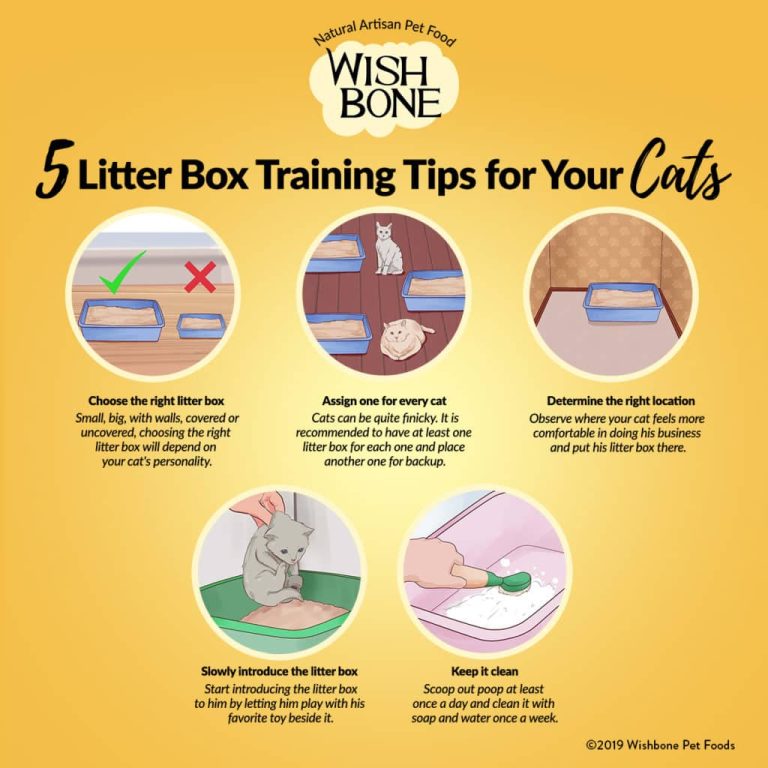
Begin training your kitten as soon as you bring them home. Early training helps them adapt quickly. Consistency is key. Ensure that the litter box is in the same location every day. This helps your cat associate that spot with their bathroom duties.Choosing The Right Litter Box
Select a litter box that suits your cat’s size. A box too small can make your cat uncomfortable. Consider the type of litter. Some cats prefer unscented litter, while others might like scented ones. Experiment to see what your cat prefers.Location Matters
Place the litter box in a quiet, accessible area. Cats like privacy, so avoid high-traffic areas. Keep the box away from their food and water. Cats are clean animals and prefer their bathroom space separate from their dining area.Positive Reinforcement
Reward your cat with treats or affection when they use the litter box correctly. Positive reinforcement encourages repeat behavior. Avoid punishing your cat for mistakes. This can cause stress and lead to more accidents.Common Challenges And Solutions
Sometimes, cats refuse to use the litter box. Check if the box is clean; cats dislike dirty spaces. Is your cat avoiding the box due to a recent move or change in the home environment? Cats are sensitive and might need time to adjust.When To Seek Help
If your cat continues to have issues, consult a vet. There could be underlying health problems causing the behavior. A professional can provide insights and solutions tailored to your cat’s needs. Potty training your cat is a rewarding journey that strengthens your bond with your pet. What’s your biggest challenge with potty training? Share your experience in the comments.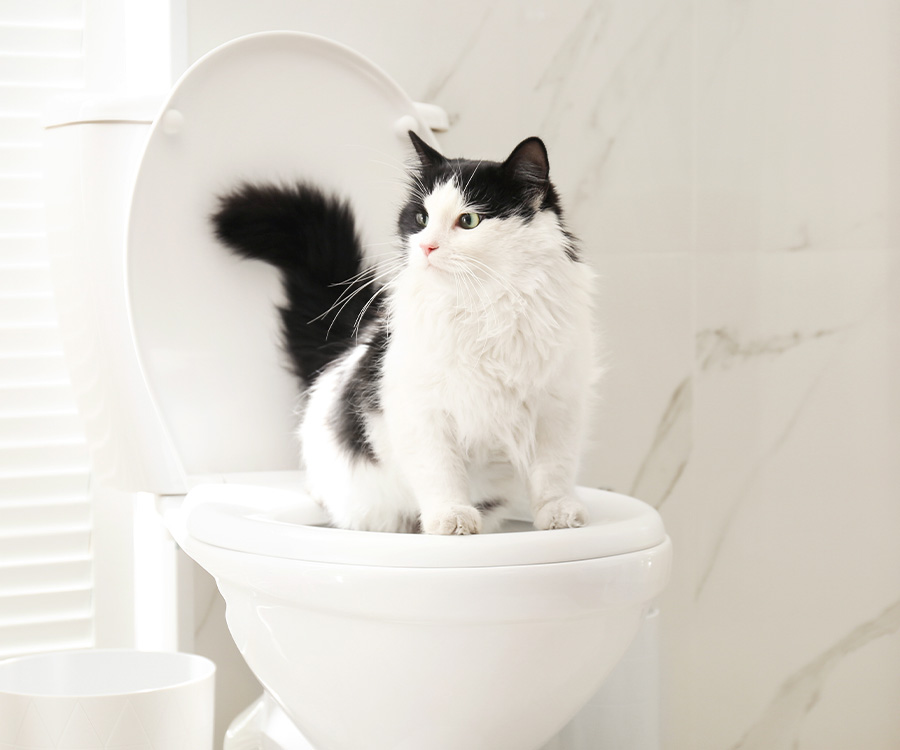
Credit: www.hartz.com
Natural Instincts Of Cats
Cats naturally know how to use a litter box without much training. Their instincts guide them to cover their waste. This behavior is inherited from their wild ancestors, who buried waste to hide their scent from predators.
Cats have a fascinating natural instinct for cleanliness. Their innate behaviors often amaze pet owners. One of these instincts relates to their litter habits. This natural inclination makes potty training less demanding for cat owners. Understanding these instincts can make life easier for both cats and their humans.Understanding The Litter Box
Cats instinctively seek out areas to bury their waste. This behavior helps them avoid detection by predators. A litter box naturally appeals to this instinct. Its soft, granular texture resembles soil or sand. This makes it an ideal place for cats to do their business.Grooming Habits
Cats are meticulous groomers. They spend a significant amount of time cleaning themselves. This behavior stems from their need to stay undetected in the wild. They dislike being near their waste. A clean litter box aligns with their grooming habits.Scent Marking
Cats use scent to communicate. They have scent glands in their paws. Covering their waste in the litter box helps mark territory. This behavior is essential for their communication. It provides a sense of security and ownership.Environmental Influences
The environment greatly affects a cat’s potty habits. Cats prefer quiet, private spaces for their litter boxes. Unfamiliar smells or noises can disturb them. Ensuring a peaceful environment helps maintain their natural instincts. These natural instincts simplify potty training for cats. Understanding and supporting these behaviors can enhance your cat’s well-being.Litter Box Training
Training a cat to use a litter box is essential. It ensures a clean and comfortable home environment. Cats are naturally inclined to bury their waste. This instinct makes litter box training relatively straightforward. With the right approach, most cats learn quickly.
Choosing The Right Litter Box
Select a litter box that suits your cat’s size. Larger cats need more space to move. A box with high sides can prevent litter spills. Consider a box with easy access for kittens or older cats. Some prefer covered boxes for privacy. Ensure the box is easy to clean.
Selecting Suitable Litter
Choose litter that feels comfortable for your cat’s paws. Some cats prefer finer textures. Others may like larger granules. Unscented litter is often best. Strong scents can deter cats. Experiment with different types to find what your cat likes.
Placement Of The Litter Box
Place the litter box in a quiet area. Cats need privacy to feel comfortable. Avoid noisy or high-traffic spots. Keep the box away from food and water. This prevents contamination. Ensure easy access for your cat at all times.

Credit: www.siamesecatspot.com
Common Challenges In Potty Training
Potty training cats can be a challenging process for pet owners. Cats are naturally clean animals, but they might not always understand where to go. Understanding common challenges helps in making the process smoother.
Dealing With Accidents
Accidents can be frustrating for both the cat and the owner. Cats may have accidents due to stress or changes in the environment. They might also struggle if the litter box is too far. Cleaning accidents properly is crucial to avoid repeat behavior. Use cleaners that remove both stains and odors. Consistency and patience are key to overcoming this challenge.
Addressing Litter Box Avoidance
Cats might avoid the litter box for many reasons. A dirty litter box can deter them from using it. Cats are particular about cleanliness. They may also dislike the type of litter used. Experiment with different types to find one your cat prefers. The location of the litter box matters too. It should be in a quiet, accessible place. Avoid loud or high-traffic areas. Observe your cat’s behavior to identify any preferences or dislikes.
Benefits Of Potty Training Cats
Cats benefit from potty training by maintaining a clean home environment. It reduces litter box odor and mess. Training also strengthens the bond between cats and their owners, enhancing communication and understanding.
Potty training cats might seem like an unusual endeavor, but it offers numerous benefits that can transform your home and improve your relationship with your feline friend. Whether you’re tired of cleaning litter or simply want a cleaner living environment, potty training can be a game-changer. But what exactly are these benefits, and why should you consider this for your cat?Improved Hygiene
Training your cat to use the toilet can significantly enhance hygiene in your home. Litter boxes can become breeding grounds for bacteria and odors. Have you ever noticed an unpleasant smell lingering even after cleaning the litter box? Potty training eliminates this issue. With a toilet-trained cat, you won’t have to deal with litter that gets scattered around, reducing the risk of germs spreading. Think about how much cleaner your floors can be without constant litter tracking. Wouldn’t it be refreshing to walk into a room without the subtle scent of litter in the air? Improved hygiene is not just about cleanliness; it’s about peace of mind.Enhanced Living Environment
Potty training your cat can lead to a more pleasant living environment. Without a litter box, you can reclaim space in your home, creating a tidier and more organized area. Imagine freeing up that corner in your bathroom or living room for a cozy reading nook instead. Consider the beauty of a space without the clutter of litter supplies or the chore of constant scooping. It also minimizes mess during social gatherings. Have you ever had guests stumble upon a smelly litter box? Your home becomes more welcoming and comfortable for both you and your visitors. Potty training is not just a convenience; it’s a lifestyle improvement. It brings harmony to your shared space, making it more enjoyable for everyone. So, why not explore the possibility of giving your cat this unique skill?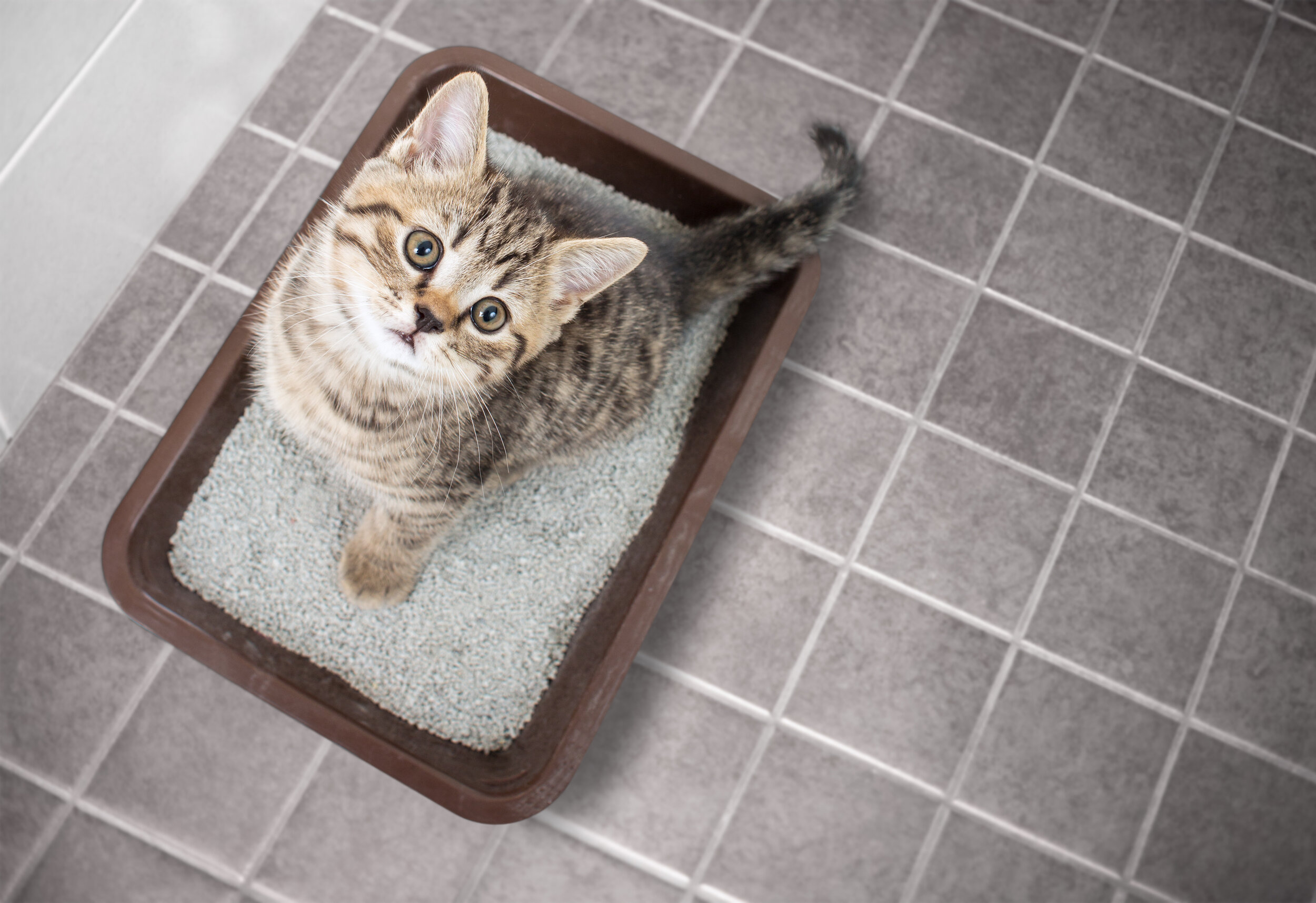
Credit: www.embassyofpakistanusa.org
Alternatives To Traditional Litter Boxes
Cats don’t always need potty training, yet some alternatives to traditional litter boxes can help. Options like self-cleaning boxes or natural materials might make the process easier for both cats and owners.
When it comes to managing your cat’s potty needs, traditional litter boxes aren’t the only solution. Some cat owners are exploring alternative methods that might better suit their lifestyle and space. Whether you’re looking to save on litter costs or reduce the mess, these alternatives can offer practical benefits. Let’s look at a few creative options you can consider.Toilet Training
Toilet training a cat might sound unusual, but it’s gaining popularity. This approach eliminates the need for litter entirely. Imagine not having to scoop litter every day! Start by gradually moving the litter box closer to the toilet. Then, raise it to seat level over time. You can use a special training seat designed for cats, which fits over the toilet. Consistency is key. Be patient; your cat needs time to adjust. Not all cats will take to this method, but for those that do, it can be a game-changer. Would you be willing to try this with your feline friend?Outdoor Potty Options
If you have a safe outdoor space, consider setting up an outdoor potty area. This can mimic a cat’s natural instinct to do their business outside. Use a section of your garden and fill it with soft soil or sand. Make sure it’s in a sheltered area to protect against the elements. Train your cat by initially placing their used litter in the area. This helps them recognize the spot as their new bathroom. Just ensure the area is secure from other animals and hazards. This option can reduce indoor odor and give your cat a taste of the outdoors. Could this be the fresh solution you’re looking for? Exploring these alternatives can lead to a cleaner, more convenient setup for you and your cat. They require effort and patience, but the potential rewards might just be worth it.Tips For Successful Potty Training
Cats naturally use litter boxes, but training might help young kittens or new pets. Gradually introduce the litter box, ensuring it’s always clean and accessible. Positive reinforcement encourages consistent use.
Potty training a cat might seem like a daunting task at first, but with the right approach, it can be a smooth and rewarding process. Understanding your cat’s behavior and ensuring a supportive environment can lead to successful potty training. Here are some practical tips to help you navigate this journey effectively.Consistency And Patience
A successful potty training journey is often rooted in consistency and patience. Cats thrive on routine, so ensure you maintain a regular schedule for their training sessions. Consistent placement of the litter box and adherence to a feeding routine can significantly aid the process. Patience is your best ally. Remember, every cat learns at its own pace. If your cat doesn’t catch on immediately, don’t get discouraged. My own cat, Luna, took a few weeks before she got the hang of it, but staying consistent helped her understand what was expected.Positive Reinforcement Techniques
Positive reinforcement can be a game-changer in cat potty training. Rewarding your cat for using the litter box correctly encourages them to repeat the behavior. Try using treats or affection as a reward. Every time your cat uses the litter box, offer a small treat or a gentle petting session. This will help them associate the act with positive outcomes. Avoid scolding or punishing your cat for accidents. Negative reactions can create stress and hinder the training process. Instead, focus on celebrating the successes, no matter how small. Have you ever tried using clicker training with your cat? Clicker training can be an effective method to reinforce desired behaviors. A click followed by a treat can signal to your cat that they’ve done something right. By applying these techniques, you’ll be better equipped to guide your cat through potty training successfully. What challenges have you faced in training your pet, and how did you overcome them? Share your experiences in the comments below!Understanding Feline Behavior
Understanding feline behavior is crucial for potty training. Cats have unique instincts and habits. Knowing these traits makes training easier. Cats are naturally clean animals. They prefer designated spots for waste. Observing their behavior helps identify potty training readiness. Recognizing signs and challenges is key to successful training.
Signs Of Potty Training Readiness
Cats show signs when ready for training. They start exploring litter boxes. Curiosity about litter is a positive sign. Regular sniffing or scratching indicates interest. Consistent bathroom use signals readiness. Cats may avoid inappropriate spots. Attention to these signs aids training.
Behavioral Issues Affecting Training
Behavioral issues can hinder training. Stress affects their bathroom habits. Changes at home can cause anxiety. Cats may refuse using the litter box. Health problems might disrupt training. Addressing these issues is essential. Understanding feline needs helps resolve problems.
Expert Opinions On Cat Potty Training
Experts debate whether cats need potty training. Most cats instinctively use litter boxes, but guidance can help adapt behavior. Proper training ensures cleanliness and prevents accidents, enhancing pet-owner harmony.
Expert Opinions on Cat Potty Training When it comes to understanding whether cats need potty training, expert opinions offer valuable insights. While some might assume that cats instinctively know how to use a litter box, the truth is more nuanced. Let’s delve into what veterinarians and animal behaviorists have to say on this topic.Veterinarian Insights
Veterinarians often emphasize the natural instincts of cats. Cats have a strong urge to bury their waste, which naturally leads them to use a litter box. However, if a cat is not using the litter box, veterinarians might suggest checking for underlying health issues. A personal story: My cat, Luna, began having accidents outside the litter box. A quick vet visit revealed a urinary tract infection. This taught me the importance of considering health issues first. Do you have a cat that suddenly stops using the litter box? It might be time for a vet check-up.Animal Behaviorist Views
Animal behaviorists focus on the environment and habits. They suggest that training can be necessary if the cat’s living situation changes or if a kitten is not exposed to a litter box early on. Imagine adopting a stray cat that has never been indoors. Animal behaviorists might recommend creating a familiar and stress-free environment to encourage litter box use. They also point out that consistency is key. Placing the litter box in a quiet, accessible area can make all the difference. Have you ever considered how the location of your cat’s litter box affects its usage? The balance between natural instinct and environmental influence is crucial. Understanding these expert opinions can guide you in ensuring your cat uses the litter box effectively.Frequently Asked Questions
Will A Cat Automatically Use A Litter Box?
Most cats instinctively use a litter box due to their natural burying instincts. Provide a clean, accessible box.
Are You Supposed To Potty Train Cats?
Cats typically don’t need potty training like dogs. They instinctively use litter boxes. Provide a clean, accessible litter box to encourage their natural behavior. If problems occur, consult a veterinarian.
Will An Untrained Cat Use A Litter Box?
Most cats instinctively use a litter box. Early introduction increases success rates. Ensure the box is clean and accessible. If issues arise, consult a vet to rule out health problems.
Can A Cat Be Housebroken?
Yes, a cat can be housebroken with patience and consistency. Use a litter box for training. Reward and praise good behavior to reinforce habits. Ensure the litter box is clean and accessible. Cats naturally prefer using litter boxes, making housebreaking easier than with other pets.
Conclusion
Cats often learn litter box habits naturally. Most need little training. Their instincts guide them. Provide a clean, accessible litter box. Choose the right spot. Consistency is key. Watch for signs of discomfort. Address issues early. With patience, you’ll succeed.
Cats are smart creatures. Understanding their needs helps. A stress-free environment supports learning. Your furry friend will thank you. Happy cat, happy home. Enjoy the journey together.