Does My Cat Have Separation Anxiety?: Signs & Solutions
Have you ever noticed your cat acting differently when you’re about to leave the house? Perhaps they meow incessantly, scratch at the door, or seem anxious when you prepare to go.
If so, you might be wondering, “Does my cat have separation anxiety? ” You’re not alone in this concern. Many cat owners find themselves puzzled by their feline friends’ behavior when left alone. Understanding the signs of separation anxiety in cats is crucial for their well-being and your peace of mind.
Imagine coming home to a relaxed and happy cat, rather than one who seems stressed or upset. This article will guide you through the tell-tale signs and simple solutions to ensure your cat feels secure, even when you’re not around. By the end, you’ll have the tools to create a more harmonious environment for both you and your beloved pet. Keep reading to uncover the secrets to a happier, anxiety-free cat.
Signs Of Separation Anxiety In Cats
Cats may show separation anxiety through excessive meowing, destructive behavior, or litter box issues. Clinginess or changes in appetite also indicate distress. Understanding these signs can help address your feline’s anxiety effectively.
Recognizing the signs of separation anxiety in your cat can be crucial in addressing their emotional well-being. Cats, much like humans, can feel stressed or anxious when left alone for extended periods. Understanding these signs helps you provide the necessary support and comfort to your feline friend.Excessive Vocalization
Does your cat meow more than usual when you leave? Excessive vocalization is a common sign of separation anxiety. Your cat might yowl, meow, or cry loudly, expressing their distress. I once had a cat named Whiskers who would meow incessantly whenever I left for work. It was her way of saying, “I need you here!”Destructive Behavior
Have you noticed your furniture or curtains are suddenly scratched or damaged? Cats with separation anxiety often engage in destructive behavior to cope with their stress. They might scratch, chew, or knock things over. It’s their way of dealing with the anxiety of being alone.Inappropriate Elimination
Is your cat suddenly refusing to use the litter box? Inappropriate elimination is another telltale sign. Cats may urinate or defecate outside the litter box when they’re anxious. This behavior can be frustrating, but it’s essential to understand that it’s a cry for help.Clinginess
Does your cat follow you from room to room? Clinginess is a clear sign your cat feels anxious when you’re not around. They might insist on sitting on your lap or not letting you out of their sight. It’s their way of seeking reassurance and comfort. Understanding these signs is the first step in helping your cat feel more secure. Have you noticed any of these behaviors in your furry friend? Taking action early can prevent these anxiety-driven behaviors from escalating.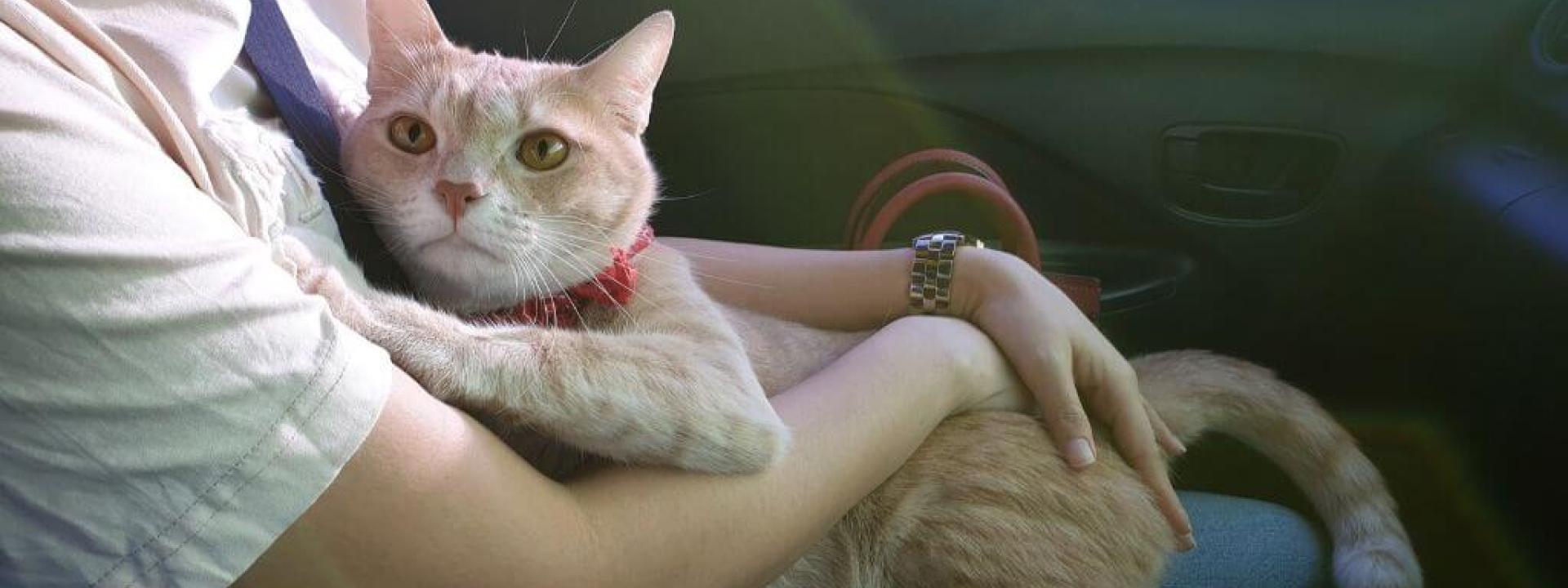
Credit: tosvets.com
Causes Of Separation Anxiety
Cats may experience separation anxiety due to changes in routine or lack of social interaction. Symptoms include excessive meowing or destructive behavior. These feelings arise from fear of being left alone, leading to stress when their owner is away.
Cats, like humans, can experience separation anxiety. This condition arises from various factors and can deeply affect your feline friend. Understanding these causes helps in addressing their anxiety effectively. Let’s explore some common triggers for separation anxiety in cats.Change In Routine
A sudden change can disrupt your cat’s sense of security. Cats thrive on stability and predictability. A new job or altered schedule might unsettle them. They rely on routine to feel safe and comfortable. When this routine changes, they may become anxious. This anxiety can lead to behavioral issues. Keep changes gradual to minimize stress.Lack Of Socialization
Socialization plays a key role in your cat’s emotional health. Cats that haven’t been socialized may struggle with separation. They might not know how to cope with being alone. A cat used to constant company might feel abandoned. Encourage social interactions with other pets. Spend time playing and bonding with your cat. This can reduce anxiety significantly.Past Trauma
A traumatic event may leave a lasting impact on your cat. Cats remember distressing experiences vividly. An abandoned or neglected cat may fear being alone again. This fear manifests as separation anxiety. Providing a stable, loving environment helps. Create a safe space where they feel secure. Show them they are loved and cared for.Diagnosing Separation Anxiety
Is your cat acting unusually clingy or vocal when you’re away? These behaviors might indicate separation anxiety. Observing changes in eating, litter habits, or excessive grooming can help determine if your feline friend is experiencing distress when left alone.
Diagnosing separation anxiety in cats can feel like deciphering an intricate puzzle. You might wonder if those mysterious behaviors your feline friend exhibits are signs of distress or simply quirks. Understanding the nuances of your cat’s behavior can help you make informed decisions about their well-being.Observing Behavior Patterns
Cats are creatures of habit. Notice changes in your cat’s routine that seem unusual or exaggerated. Does your cat start to meow excessively or become destructive when you leave the house? Small shifts in behavior like hiding or refusing to eat can signal separation anxiety. Watch for physical symptoms too, such as excessive grooming or pacing. You might even catch them waiting by the door, ears perked, ready to bolt after you. These behaviors are not just coincidences; they might be your cat’s way of expressing distress.Consulting A Veterinarian
Your observations provide valuable insights, but consulting a veterinarian can offer professional guidance. They can perform a thorough examination to rule out other health issues that might mimic separation anxiety. A vet can also suggest practical strategies to ease your cat’s stress, such as interactive toys or calming pheromone diffusers. Don’t hesitate to ask specific questions about your cat’s behavior patterns during the visit. Your curiosity can lead to solutions that improve your cat’s quality of life. Could your cat’s anxiety be a cry for help, yearning for more companionship? Working with a vet could be your first step in finding answers.Effective Solutions For Anxiety
Separation anxiety in cats can be quite distressing for both you and your feline friend. If your cat seems overly upset when you leave the house, there are effective solutions to ease their anxiety. Addressing this issue can bring peace to your home and improve your cat’s well-being.
Environmental Enrichment
Creating a stimulating environment can significantly reduce anxiety. Ensure your cat has access to toys that challenge them mentally and physically. Puzzle feeders are excellent for keeping them occupied while you’re away.
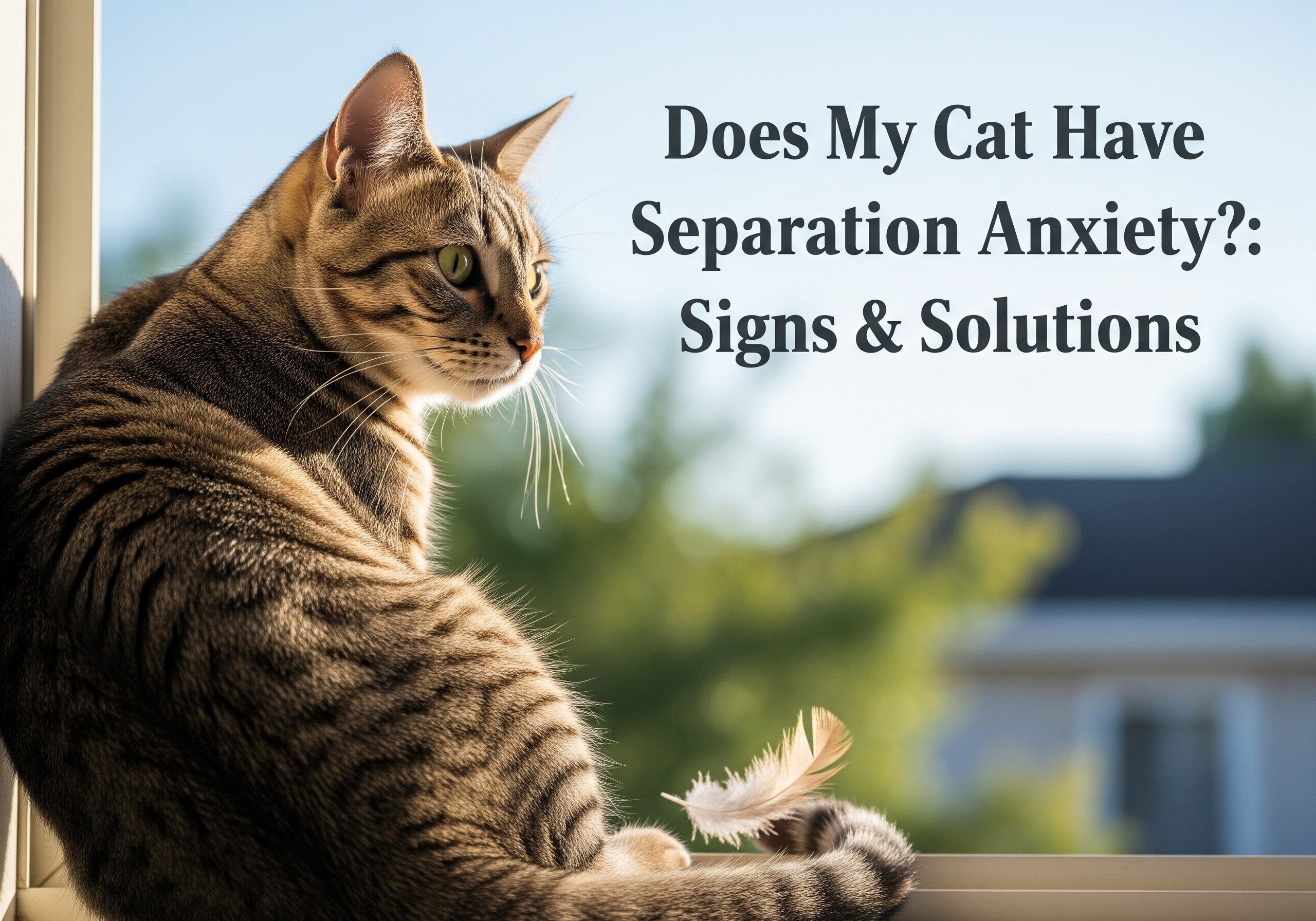
Consider setting up a perch near a window where they can watch birds or squirrels. This provides natural entertainment and distracts them from your absence. You might also leave a TV or radio on with calming sounds or shows specifically for cats.
Behavioral Training
Training can help your cat feel more independent and secure. Start by leaving the house for short periods, gradually increasing the duration as your cat becomes more comfortable. Reward them for calm behavior with treats or affection.
Teach your cat basic commands like ‘sit’ and ‘stay.’ This not only strengthens your bond but also builds their confidence. Could training be the key to easing your cat’s separation anxiety?
Using Pheromones
Pheromones can create a calming effect. Products like diffusers or sprays mimic natural cat pheromones, helping them feel safe. These are readily available at pet stores and can be an easy addition to your anxiety-relief toolkit.
Have you considered using pheromone products to soothe your anxious cat? Many pet owners find them to be a gentle yet effective solution. Try using them near your cat’s favorite resting spots.
Addressing separation anxiety requires patience and creativity. With the right approach, you can help your cat feel secure and happy, even when you’re not around. Why not try one of these solutions today and see how your cat responds?
Long-term Strategies
Cats may experience separation anxiety if they show distress when left alone. Long-term strategies include gradually increasing solo time and creating a cozy environment. Consistent routines can help ease anxiety, making your cat feel safe and secure.
Long-term strategies can help manage your cat’s separation anxiety. They require patience and consistency. These approaches can improve your cat’s comfort when alone. Let’s explore effective methods to ease your cat’s stress.Creating A Safe Space
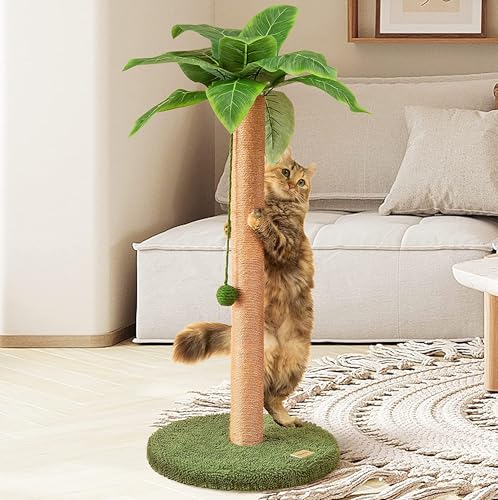
Give your cat a secure area. This space should have familiar items. Include their favorite bed and toys. Add a scratching post and water bowl. The area should be quiet and calm. It should feel like a sanctuary. Your cat will associate it with safety and comfort.Gradual Desensitization
Start by leaving for short periods. Gradually increase the time you’re away. This teaches your cat to feel relaxed alone. Use calming music during your absence. Reward your cat when you return. This positive reinforcement builds confidence. Over time, your cat will adjust to your absence.
Credit: www.feliway.co.uk
Professional Help
If your cat shows signs of separation anxiety, seeking professional help can be beneficial. This can provide effective solutions and ease your worries. Experts understand feline behavior deeply. They can offer strategies tailored to your cat’s needs. Let’s explore two key areas where professional help can make a difference.
Animal Behaviorist
An animal behaviorist specializes in understanding pet behavior. They can identify the root cause of your cat’s anxiety. This expert observes your cat in its environment. They look for specific triggers. After analysis, they suggest behavior modification plans. These plans aim to reduce anxiety gradually. Consistent follow-up sessions track progress. They adjust strategies based on your cat’s response.
Veterinary Intervention
A veterinarian can rule out medical issues causing anxiety. Sometimes, underlying health problems lead to behavioral changes. A vet conducts a thorough check-up. They ensure your cat is healthy. If needed, they might prescribe medication. This can help manage severe anxiety symptoms. Medication is usually a temporary aid. It often complements behavior modification techniques. Regular vet visits ensure the chosen approach is effective.

Credit: www.banfield.com
Frequently Asked Questions
What Are The Signs Of Separation Anxiety In A Cat?
Cats show separation anxiety by excessive meowing, destructive behavior, and over-grooming. They may refuse to eat or use the litter box. Changes in sleeping patterns and clinginess are also common signs.
How Do I Stop My Cat From Meowing When I Leave?
Use toys or puzzles to keep your cat entertained. Establish a calming routine before leaving. Provide a cozy spot with your scent. Gradually increase time away to desensitize them. Consult a vet if the behavior continues.
Do Cats Get Sad When You Leave For Vacation?
Cats can feel sad or anxious when you leave for vacation. They miss your presence and routine. Provide familiar items and entertainment to comfort them. Consider a pet sitter or cat-friendly environment to ease their stress. Understanding their emotions helps in making their time alone more comfortable.
Is My Cat Too Attached To Me?
Cats can form strong bonds with their owners. Signs of excessive attachment include constant following, meowing, or distress when left alone. Ensure your cat has stimulating toys and activities to promote independence. If concerned, consult a veterinarian or pet behaviorist for advice.
Conclusion
Recognizing cat separation anxiety helps improve your pet’s well-being. Watch for signs like excessive meowing, pacing, or destructive behavior. Understanding these behaviors can ease your cat’s stress. Spend quality time with your feline friend. Provide engaging toys or calming music when you’re away.
Consult a vet for serious anxiety issues. A happy cat means a happy home. Remember, your support makes a big difference. Prioritize your cat’s emotional health. It leads to a stronger bond. Your attentive care ensures a loving and peaceful environment for your cat.
Small changes can create a calmer, more content pet.