Can Cat Food Hurt My Dog: Risks Every Pet Owner Should Know

Have you ever caught your dog sneaking a bite from your cat’s food bowl? It’s a common scene in many households, and it might make you wonder: Can cat food hurt my dog?
While it might seem harmless at first, feeding your dog cat food can lead to surprising consequences. If you’re a pet parent, understanding the difference between cat and dog nutrition is crucial for keeping your furry friend healthy. You’ll discover why it’s important to keep cat food away from your dog and how to ensure each pet gets the nutrition they need.
Get ready to uncover some eye-opening facts that could make a big difference in your pet’s well-being. Dive in to learn how to make the best food choices for your beloved dog!
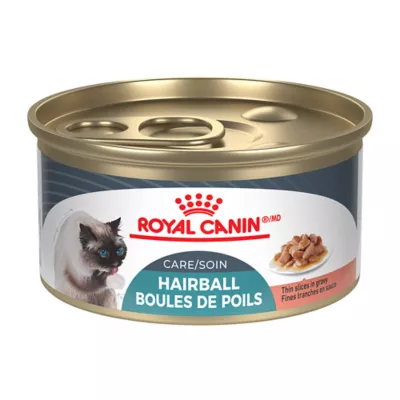
Credit: greensafaris.com
Nutritional Differences
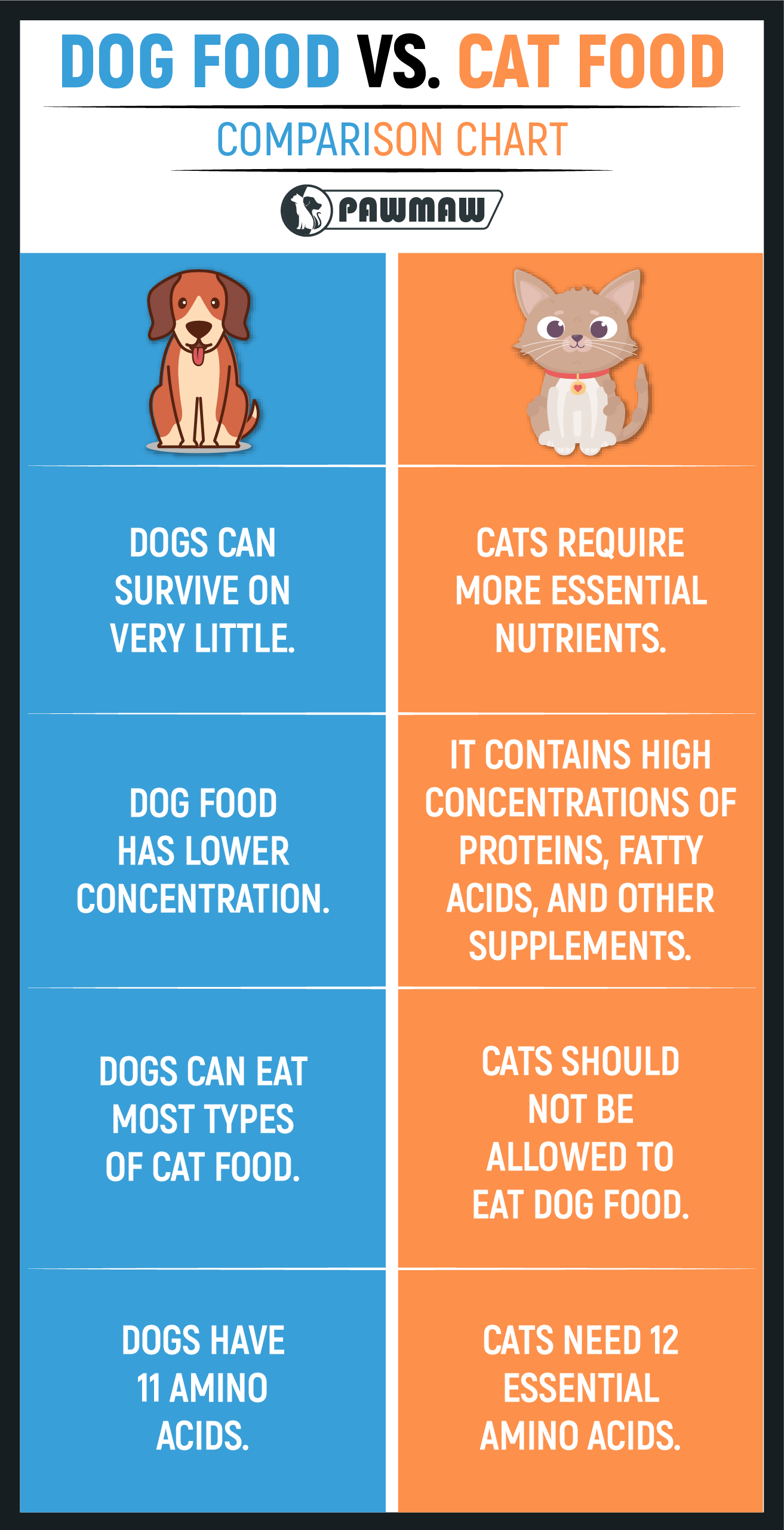
Understanding the nutritional differences between cat and dog food is crucial. Dogs and cats have different dietary needs. Feeding your dog cat food can cause health issues. Let’s explore why these differences matter.
Key Nutrient Variations
Cat food is rich in protein. Cats need more protein than dogs. Taurine is essential for cats. Dogs can produce taurine naturally. Cat food contains more fat and calories. Dogs need fewer calories than cats. Vitamins and minerals also vary. Cats need more vitamin A.
Impact On Health
Feeding dogs cat food can lead to obesity. Too many calories cause weight gain. High protein affects kidneys in dogs. It can stress their organs. Dogs may lack nutrients they need. Over time, this can harm their health. Digestive issues may occur. Dogs can have diarrhea or vomiting.
Common Ingredients
Cat food may seem similar to dog food. But, its ingredients differ. Some common ingredients in cat food can harm dogs. Let’s explore these components. Understanding them helps ensure your dog’s health and safety.
High Protein Content
Cat food often contains more protein than dog food. Cats need more protein for energy. Dogs need less. A dog eating too much protein might face health issues. It can strain their kidneys. It might upset their stomach. Your dog could feel unwell.
Taurine Levels
Taurine is crucial for cats. They can’t produce it naturally. Dogs make their own taurine. Cat food has added taurine. Too much taurine can affect dogs. Their system doesn’t need the extra amount. It can lead to digestive problems. It may cause other health issues. Always check food labels carefully.
Potential Health Risks
Feeding your dog cat food might seem harmless. Yet, it poses serious risks. Cat food is designed for cats’ nutritional needs. Dogs have different dietary requirements. Feeding them cat food can lead to health issues.
Digestive Issues
Dogs have sensitive stomachs. Cat food is rich and high in fat. This can cause stomach upset. Symptoms include diarrhea and vomiting. Prolonged exposure can worsen these symptoms. It’s important to monitor your dog closely.
Obesity Concerns
Cat food is calorie-dense. Dogs eating cat food can gain weight quickly. Obesity leads to other health problems. Joint pain, heart disease, and diabetes are common. Maintaining a healthy weight is crucial for your dog.
Allergic Reactions
Some dogs are allergic to ingredients in cat food. It may contain fish or other allergens. Allergies can cause skin issues and itching. Constant scratching can lead to infections. Always watch for signs of allergies.
Behavioral Changes
As a pet owner, you might have wondered if feeding your dog cat food could lead to behavioral changes. Dogs and cats have different dietary needs, but sometimes our furry friends decide to share their meals. This can lead to unexpected changes in your dog’s behavior.
Food Preferences
Has your dog suddenly turned its nose up at its usual kibble? Cat food often has a stronger aroma and flavor, which can make it more appealing to dogs. If your dog starts preferring cat food, it may resist its regular meals.
Imagine coming home to find your dog eagerly waiting by the cat’s bowl, wagging its tail. You might be amused, but over time, this preference could disrupt their balanced diet.
Consider mixing your dog’s food with a bit of warm water to enhance its aroma. This might draw them back to their food bowl. Have you tried different flavors or brands to reignite their interest?
Feeding Competition
Sharing food can create unexpected rivalry. If your dog and cat are vying for the same bowl, it may lead to aggression or stress. Dogs might eat faster or guard their food more fiercely.
Imagine watching your pets eyeing each other, waiting for a chance to sneak a bite. This competition can affect their relationship and create tension during feeding times.
Separate feeding areas might be a simple solution. It gives each pet its own space and reduces competition. Have you considered timing their meals differently to avoid overlap?
Understanding these behavioral changes can help you create a harmonious feeding environment. How do you handle mealtime with your pets? Share your experiences in the comments below.
Safety Measures
Feeding dogs cat food can lead to health issues due to different nutritional needs. High protein levels in cat food might harm a dog’s liver and kidneys over time. Always check the label and consult a vet to ensure your pet’s diet is safe and balanced.
Safety Measures When it comes to ensuring your dog’s health, understanding the safety measures surrounding cat food is crucial. While it might seem harmless to let your dog sneak a bite from the cat’s dish, the reality is more complex. Proper precautions can prevent potential health issues, keeping your furry friends safe and sound.Proper Storage
Proper storage plays a vital role in maintaining the quality of pet food. Always store cat food in a cool, dry place. This prevents spoilage and contamination. Use airtight containers to keep the food fresh. This also keeps curious paws and noses at bay. Have you ever noticed your dog sniffing around the pantry? Proper storage helps keep temptation out of reach.Feeding Guidelines
It’s important to follow feeding guidelines for each pet. Cat food is formulated differently than dog food. It lacks essential nutrients that dogs need. Avoid mixing cat food into your dog’s meals. This ensures your dog gets a balanced diet tailored to their needs. Have you ever wondered why your dog keeps begging for more food? It might be because they’re missing out on essential nutrients. Consider what could happen if your dog regularly eats cat food. Could it lead to health problems? Consult your veterinarian for advice tailored to your pet’s specific needs.
Credit: www.micronsteel.jp
Alternatives To Cat Food
Feeding your dog cat food isn’t ideal. Dogs have different nutritional needs. Cat food lacks the right balance for them. It can lead to health issues in dogs. Understanding alternatives can help keep your dog healthy and happy.
Dog-specific Diets
Dog-specific diets are essential. They provide the right nutrients for dogs. These diets include proteins, fats, and carbohydrates. They support your dog’s growth and energy needs. Look for high-quality dog food brands. They offer balanced nutrition. Check labels for nutritional content. Ensure they meet your dog’s needs.
Homemade Meals
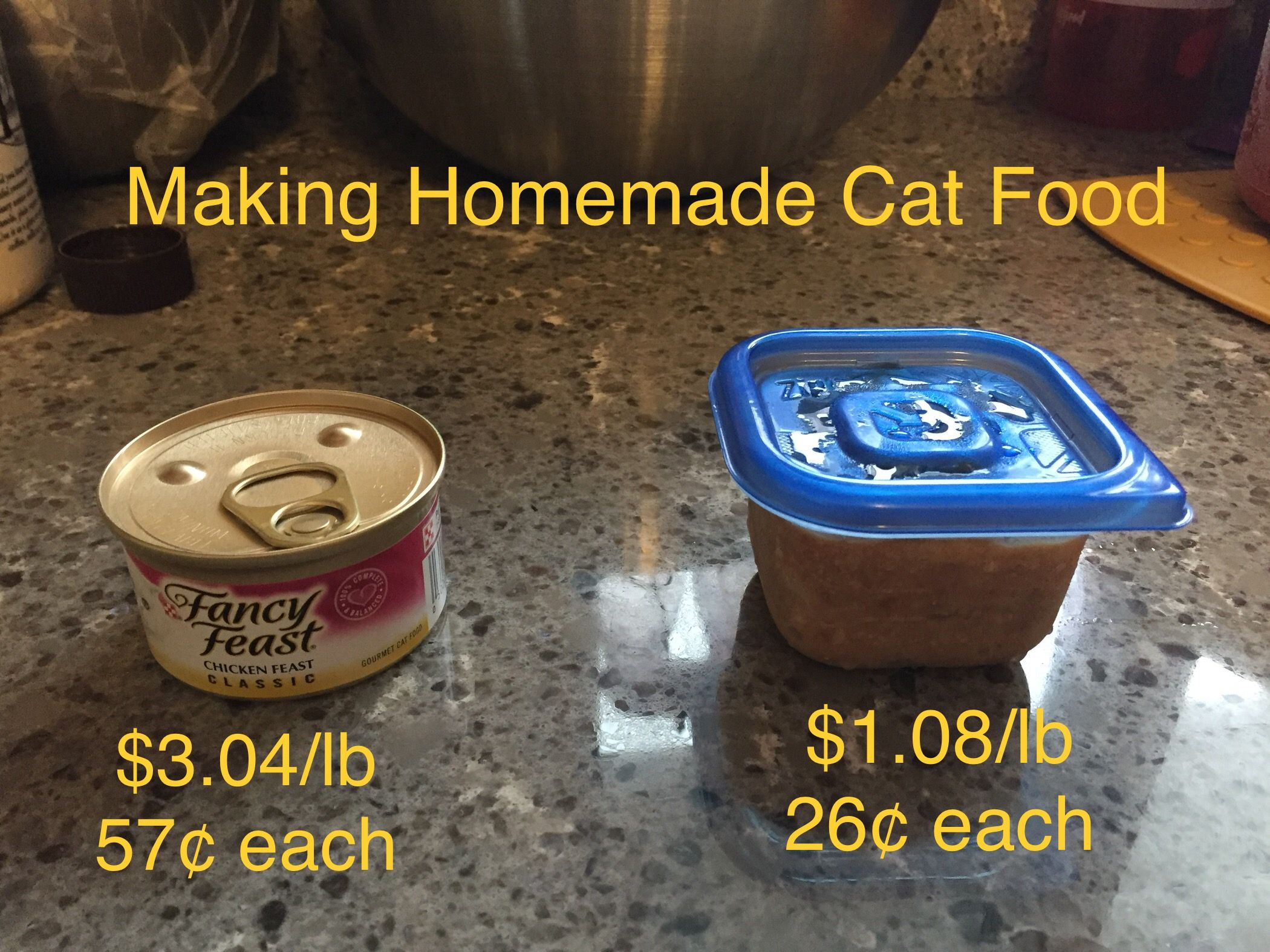
Homemade meals can be a healthy option. You control the ingredients. This ensures your dog gets fresh, wholesome foods. Include lean proteins like chicken or turkey. Add vegetables such as carrots and peas. Include whole grains like brown rice or oats. Consult a vet for a balanced recipe. They can guide you on portion sizes and nutrients.
Consulting A Veterinarian
When it comes to the health and well-being of your furry friend, consulting a veterinarian is crucial. You might think that giving your dog cat food occasionally isn’t a big deal. However, this could lead to nutritional imbalances or health issues. So, how do you navigate this situation effectively? Here’s where expert advice can be invaluable.
Professional Advice
Veterinarians have a wealth of knowledge about pet nutrition. They can explain why cat food might not be suitable for your dog. For instance, cat food is higher in protein and fat, which can be harmful to dogs in the long run.
Do you remember the last time you were unsure about what to feed your dog? A quick call or visit to your vet could have cleared up any confusion. They can tailor recommendations specifically for your pet’s needs.
Have you ever thought about the long-term effects of an improper diet on your dog? A veterinarian can help you understand these risks. They can provide a balanced diet plan that keeps your dog healthy and happy.
Regular Health Check-ups
Regular vet visits are a must for maintaining your dog’s health. How often do you schedule check-ups for your pet? These visits can catch potential issues early, including those caused by eating inappropriate food.
During a check-up, vets can assess your dog’s overall health. They can identify symptoms that you might overlook, like weight changes or digestive problems. Wouldn’t you want peace of mind knowing your pet is thriving?
Routine check-ups also give you a chance to discuss any dietary concerns. Is your dog sneaking into the cat food bowl too often? Your vet can provide practical solutions, ensuring your pet gets the nutrition it needs.
By consulting a veterinarian, you make informed decisions about your dog’s diet. Isn’t it worth the effort to ensure your furry friend enjoys a long, healthy life?

Credit: greensafaris.com
Frequently Asked Questions
What Happens If A Dog Eats Cat Food?
Dogs can eat cat food occasionally without harm, but regular consumption may lead to nutritional imbalances. Cat food lacks essential nutrients dogs need, like specific proteins and vitamins. It can also cause digestive issues or obesity in dogs due to higher fat content.
Always consult a veterinarian for advice.
Is It Bad To Feed Cat Food To My Dog?
Feeding cat food to dogs is not recommended. Cat food lacks essential nutrients for dogs and is too high in protein and fat. Consistent feeding can lead to digestive issues and nutritional imbalances in dogs. For optimal health, always provide species-specific diets tailored to your pet’s needs.
What If I Accidentally Gave My Dog Cat Food?
Feeding your dog cat food occasionally isn’t harmful. Dogs might experience mild digestive upset. Monitor your dog for any signs of discomfort, and consult a vet if symptoms persist. Ensure your dog primarily eats a balanced diet formulated for dogs.
What Is In Cat Food That Makes Dogs Sick?
Cat food contains high protein and fat levels, which can upset a dog’s stomach. It often includes taurine and other ingredients tailored for cats, potentially causing digestive issues in dogs. Keep dog and cat food separate to ensure your pet’s health.
Conclusion
Feeding cat food to dogs can cause health issues. Dogs need specific nutrients. Cat food lacks those. High protein in cat food can harm dogs. It might upset their stomach. Lead to weight gain. Even cause pancreatitis. Always choose dog food for your pet.
It meets their dietary needs. Protects their health. Consult a vet for advice. If your dog eats cat food, watch for symptoms. Act quickly. Prioritize your dog’s health. Keep cat food out of reach. It ensures a happy, healthy dog.

Similar Posts