Have you noticed your cat scratching more than usual or spotted circular, bald patches on their fur? It might be an unwelcome guest known as ringworm, a common fungal infection in cats.
Understanding how to treat ringworms effectively is crucial for your cat’s health and happiness, and it can prevent the infection from spreading to other pets or even you. This guide will walk you through the symptoms, treatment options, and preventive measures to ensure you are equipped with everything you need to handle this issue.
Don’t let this pesky fungus disrupt the harmony in your home—read on to discover how you can take swift action and restore your cat’s well-being.
Credit: www.cdph.ca.gov
Recognizing Symptoms
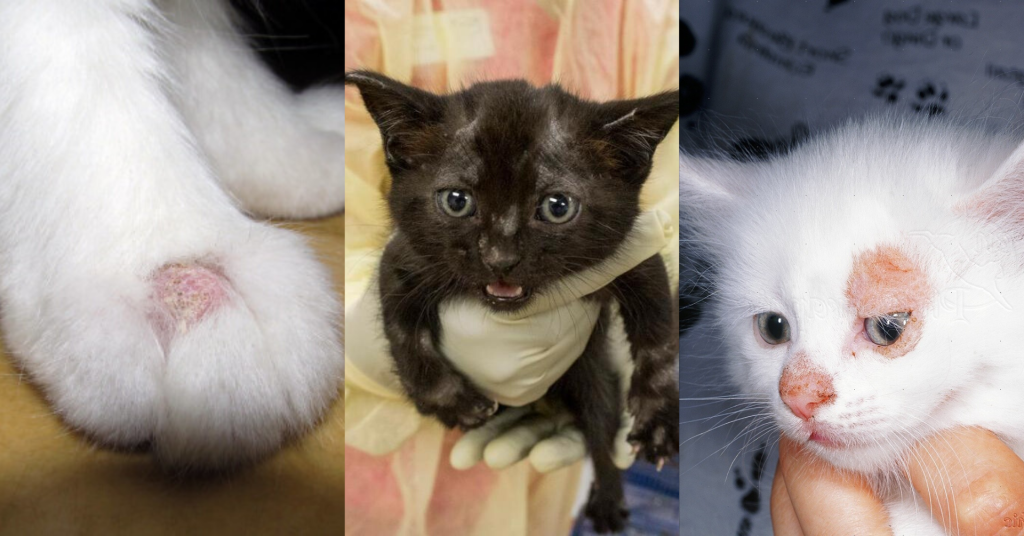
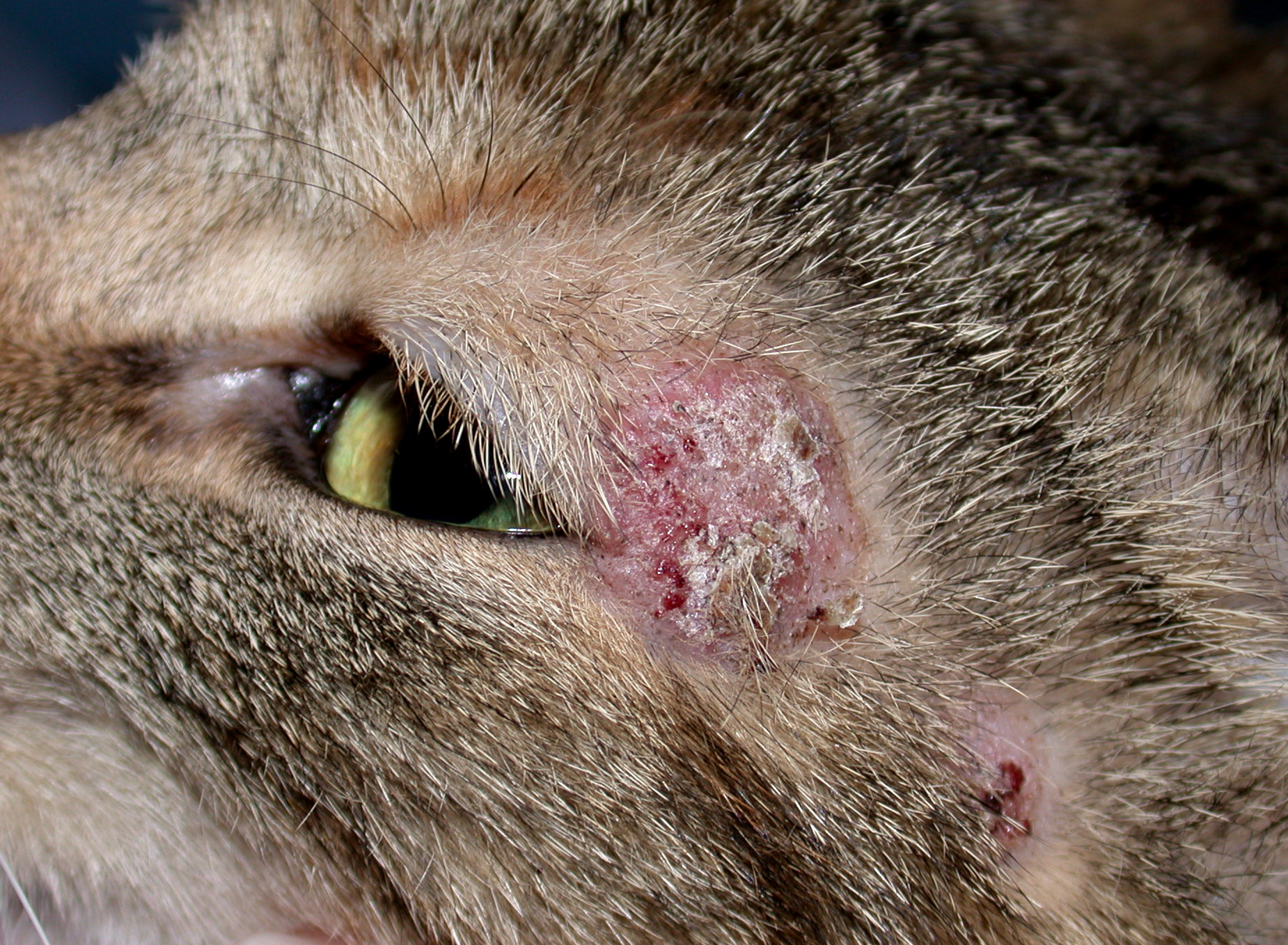
Identifying ringworm symptoms in cats is essential for effective treatment. Look for bald spots, red or scaly skin, and itchy patches. Quick action helps prevent spreading and ensures your cat’s speedy recovery.
Recognizing symptoms of ringworm in cats is crucial for early treatment. Cats may not show clear signs initially. Observing changes can help catch the infection early. Ringworm can affect cats of all ages. Knowing what to look for makes a difference.Visible Skin Changes
Ringworm often causes skin changes in cats. Look for round patches of hair loss. The skin may appear scaly or red. These patches are usually circular. Sometimes, there are multiple spots. Check your cat’s face and ears first. These areas are common for ringworm. The tail and paws can also show signs. A closer look may reveal broken hairs. Regular grooming sessions help spot these changes.Behavioral Indicators
Behavioral changes can signal ringworm in cats. Increased scratching is a common sign. Your cat may seem more restless. Cats may avoid certain activities. They might shy away from petting. Lethargy can be another indicator. Affected cats might sleep more. Watch for changes in playfulness. Cats may become less social. Keep an eye on their grooming habits. Excessive grooming can be a hint. Regular observation helps in catching these signs early.
Credit: www.fetchpet.com
Diagnosis Methods
Ringworm in cats can be tricky to diagnose due to its similarity to other skin conditions. Accurate diagnosis is essential for effective treatment. Knowing the right methods can help in identifying this fungal infection. Below are two primary methods used by veterinarians to diagnose ringworm in cats.
Veterinary Examination
The first step involves a thorough physical examination. Vets check for signs like bald patches, flaky skin, and redness. They may use a special ultraviolet lamp, known as a Wood’s lamp. This lamp can reveal ringworm’s fluorescent glow on the skin. Not all strains of ringworm glow, though. So, vets often combine this with other methods for accuracy.
Laboratory Tests
Laboratory tests provide more precise results. Vets may take skin scrapings or hair samples from your cat. These samples get examined under a microscope. The vet looks for fungal spores or hyphae. Another common method is fungal culture. Here, the sample is placed in a special medium to grow any fungi present. This process can take up to two weeks. It’s reliable and confirms the presence of ringworm.
Both methods are crucial for proper diagnosis. Early detection helps in managing and treating ringworm effectively.
Home Treatment Options
Treating ringworms in cats at home involves several steps. Gently bathe your cat with an anti-fungal shampoo. Keep the infected area clean and dry. Trim fur around the affected spot to help healing. Always consult a vet for proper guidance.
Treating ringworm in cats can be a challenging task, but there are effective home treatment options that can help manage this pesky fungal infection. While professional veterinary guidance is crucial, several home remedies can complement medical treatment. Let’s dive into some practical solutions that can make a difference in your cat’s recovery journey.Topical Antifungals
Topical antifungals are your first line of defense against ringworm. These creams or ointments can be applied directly to the affected areas of your cat’s skin. Look for products containing ingredients like miconazole or clotrimazole. They are known to fight fungal infections effectively. Always ensure you follow the instructions on the packaging. Pay close attention to the frequency and method of application. Does your cat resist topical treatments? Try distracting them with a treat or toy. This little trick can make the process smoother and less stressful for both of you.Environmental Cleaning
Ringworm spores can linger in your home environment. Cleaning your cat’s surroundings plays a significant role in preventing reinfection. Start with vacuuming carpets, rugs, and upholstered furniture. This helps remove hair and spores that might be hiding there. Wash your cat’s bedding and toys regularly in hot water. A simple act that can drastically reduce the risk of reinfection. Consider using a diluted bleach solution to disinfect surfaces. It’s a powerful agent against ringworm spores. Are you wondering if more cleaning is necessary? Ask yourself: Would you want your living space to harbor infectious agents? Being proactive in cleaning is key to a healthier environment for your furry friend. Addressing ringworm at home requires vigilance and persistence. These practical steps can empower you to take control of your cat’s health, ensuring a happier and healthier life for them.Veterinary Treatments
Treating ringworms in cats involves antifungal medications prescribed by a veterinarian. Regular cleaning of infected areas and proper hygiene are vital. Keep your cat’s environment clean to prevent spread.
Veterinary treatments are crucial for treating ringworm in cats. These treatments ensure the infection is managed effectively. A vet can prescribe medications tailored to your cat’s needs. Follow-up care is vital for recovery. Let’s explore these aspects further.Prescription Medications
Veterinarians often prescribe antifungal medications. These medicines fight the ringworm infection. Topical creams can be applied directly to affected areas. Oral medications might be necessary for severe cases. Your vet will determine the best treatment plan. It’s important to follow their instructions carefully. Regular check-ups can monitor your cat’s progress.Follow-up Care
Follow-up care ensures the ringworm is fully treated. Regular vet visits help track healing. Your vet might suggest additional tests. These tests confirm the infection is clearing. Cleaning your cat’s environment is crucial. It prevents re-infection. Use disinfectants recommended by your vet. Keep your cat’s bedding clean and dry. Follow-up care supports a healthy recovery.Preventing Future Infections
Treating ringworms in cats involves regular antifungal treatments and maintaining a clean environment. Frequent cleaning of bedding and grooming tools is essential to prevent the spread of infection. Monitoring your cat for signs of ringworm helps in early detection and treatment, ensuring a healthier pet.
Ringworm infections in cats can be a recurring nightmare for pet owners. Once you’ve dealt with the initial outbreak, it’s crucial to focus on preventing future infections. How can you ensure your feline friend stays ringworm-free? Here are practical strategies to keep those pesky fungi at bay.Regular Health Checks
Scheduling regular health checks with your vet is vital. These visits can catch infections early and prevent them from spreading. Monitor your cat’s skin and fur for any unusual changes. Is there excessive scratching or hair loss? These could be early signs of an issue. Stay informed about potential health risks. Discuss with your vet how to boost your cat’s immune system against infections.Hygiene Practices
Maintaining a clean environment is essential. Vacuum your home frequently to remove any fungal spores lurking in carpets or furniture. Wash your cat’s bedding and toys regularly. Use hot water and a pet-safe disinfectant to ensure thorough cleanliness. Consider creating a cleaning schedule. Consistency in hygiene practices can significantly reduce the risk of future infections. Have you ever noticed how a small change in routine can make a big difference? Implementing these practices can safeguard your cat’s health and bring peace of mind. How proactive are you about your cat’s health? Taking these steps not only protects your pet but also strengthens your bond with them.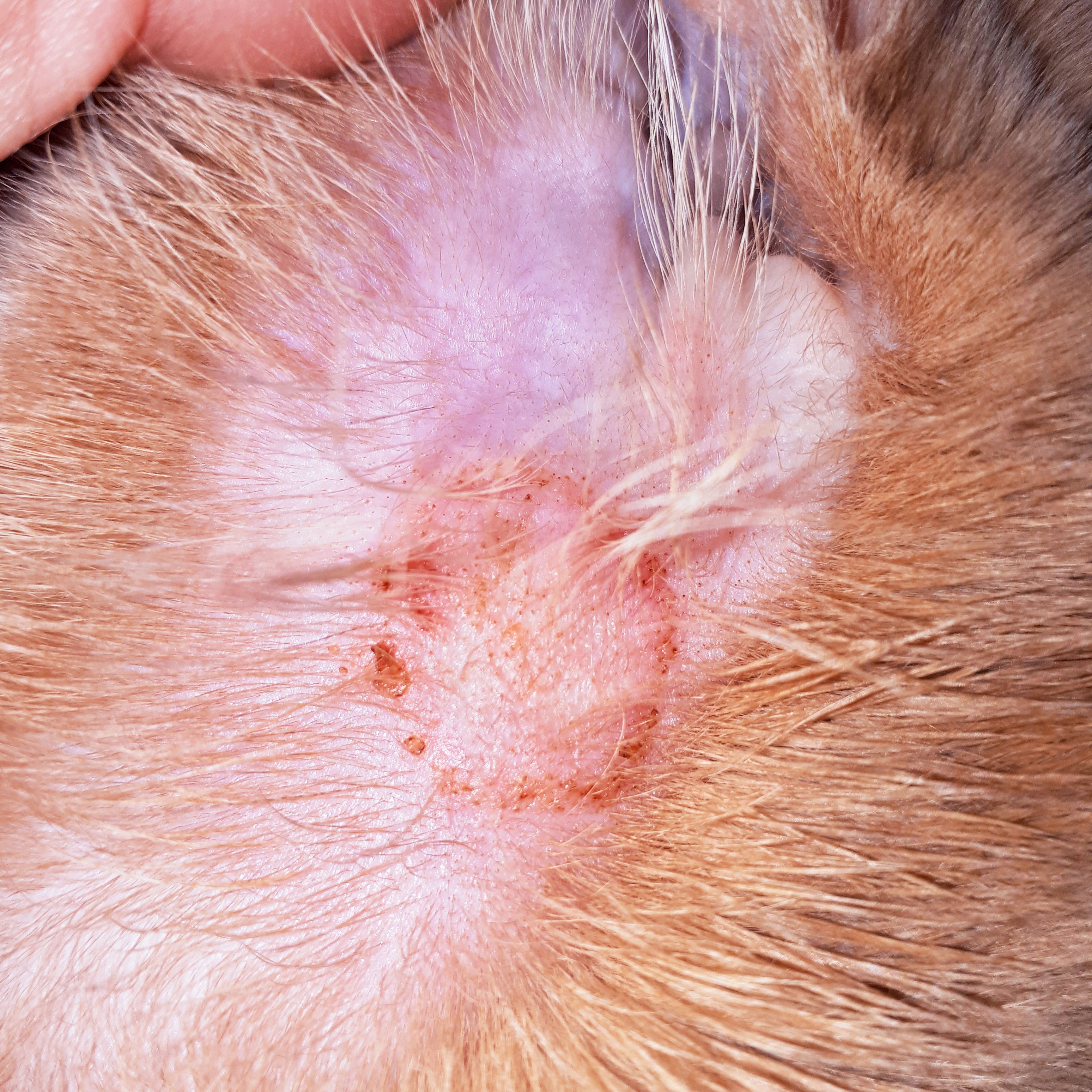
Credit: www.purina.com.au
Managing Multi-pet Households
Treating ringworms in cats involves regular vet visits and antifungal medications. Isolate infected cats to prevent spreading. Maintain a clean environment by washing bedding and toys.
Managing a multi-pet household can be challenging, especially with ringworm. This contagious fungus spreads easily among animals. Understanding how to control it keeps your pets safe. It requires careful steps and constant awareness. Here, we discuss effective methods to manage ringworm in homes with several pets.Isolation Techniques
Isolation helps prevent the spread of ringworm among pets. Keep the infected cat in a separate room. Use a room that’s easy to clean. Limit access to other pets. Visitors should also avoid contact. Clean the room regularly. This includes vacuuming and disinfecting surfaces. Change the infected cat’s bedding often. Use hot water and pet-safe detergent. Always wash your hands after handling the infected pet.Regular Monitoring
Regular monitoring ensures other pets remain healthy. Check your pets’ skin daily for signs of ringworm. Look for patches of hair loss or scaly skin. Early detection stops the spread. If you notice symptoms, consult a vet immediately. Regular vet visits help catch infections early. Keep a journal of your pets’ health. Note any changes in behavior or appearance. This helps track potential ringworm outbreaks.Frequently Asked Questions
How Can I Treat My Cat’s Ringworm Fast At Home?
Treat cat’s ringworm fast at home by keeping the area clean and dry. Apply antifungal cream recommended by a vet. Use diluted apple cider vinegar for natural treatment. Ensure your cat’s bedding is regularly washed. Consult your vet for proper guidance and effective treatment options.
What Causes Ringworm In Cats?
Ringworm in cats is caused by a fungal infection. The fungi, known as dermatophytes, thrive in warm, humid environments. Cats can contract ringworm through direct contact with infected animals or contaminated objects. It is important to treat ringworm quickly to prevent spreading.
How Do I Know If My Cat Has Ringworm?
Signs of ringworm in cats include circular hair loss, scaly patches, and red skin. Cats may also experience itchiness and dandruff. If you notice these symptoms, consult a veterinarian. A vet can perform tests to confirm a ringworm diagnosis.
Can Ringworm In Cats Affect Humans?
Yes, ringworm in cats can spread to humans. It is a zoonotic disease, meaning it can be transmitted from animals to people. Always wash hands after handling infected cats. Keep affected cats isolated to prevent spreading the infection to other pets and family members.
Conclusion
Treating ringworms in cats requires patience and proper care. Use prescribed medications consistently. Keep your cat’s environment clean and sanitized. Regularly wash pet bedding and toys. Avoid direct contact with infected areas. Monitor your cat’s progress closely. Consult your vet if symptoms persist.
Remember, early intervention is key. Stay informed about your cat’s health needs. Healthy cats bring joy and peace at home. With dedication, your cat will recover soon. Ensure your furry friend enjoys a happy, itch-free life.