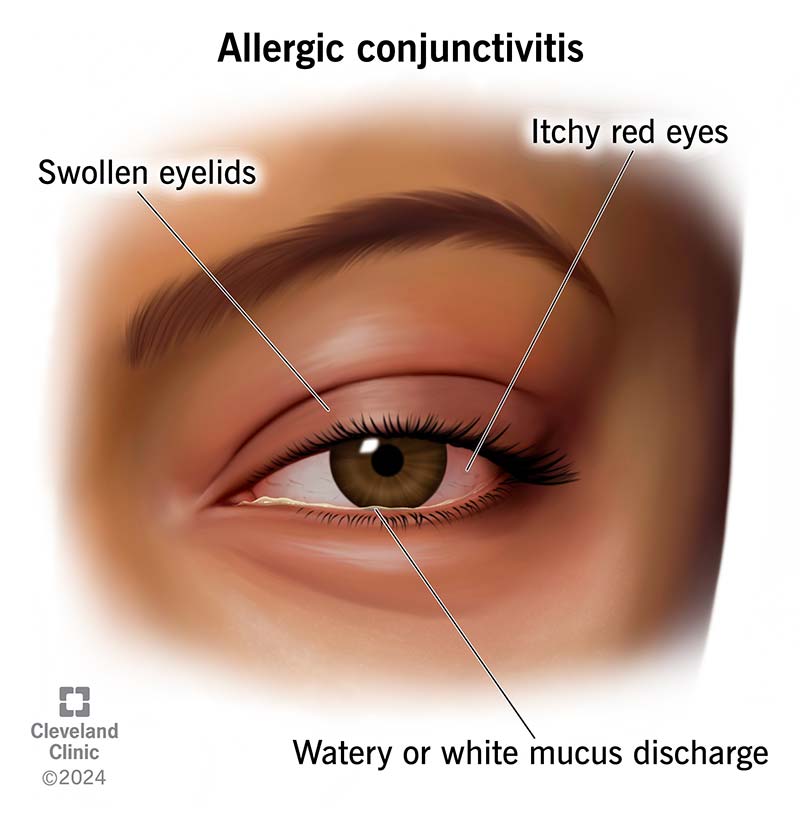
Your eyes are itchy, red, and swollen, and the culprit is your beloved feline friend. You’re not alone in this struggle, and understanding how to manage these symptoms can significantly improve your quality of life.
Swollen eyes from cat allergies can be more than just a nuisance; they can disrupt your daily activities and make it hard to enjoy time with your pet. But don’t worry—relief is within reach. You’ll discover simple and effective ways to soothe your eyes and reduce allergy symptoms.
By the end, you’ll feel more in control and ready to enjoy your time with your cat without the discomfort. Ready to find the solutions you need? Keep reading, and let’s tackle this together.
Causes Of Swollen Eye From Cat Allergy
Cat allergies can cause swollen eyes. This happens when the immune system reacts. It mistakenly sees harmless cat proteins as threats. These proteins are found in cat saliva, skin, and fur. Swelling is a common response. It can cause discomfort and irritation.
Allergic Reaction Mechanism
When exposed to cat allergens, the body reacts. It releases chemicals like histamines. These chemicals cause inflammation. Blood vessels in the eyes expand. This leads to swelling and redness. Histamines also cause itching and tearing. These symptoms are common in cat allergies.
Common Triggers
Contact with cat dander is a main trigger. Dander is tiny skin flakes from cats. It can stick to furniture, clothes, and carpets. Cat saliva is another trigger. Cats groom themselves often. Their saliva dries and becomes airborne. This increases exposure to allergens. Urine from litter boxes can also be a trigger. Keeping distance from these can help reduce symptoms.
:max_bytes(150000):strip_icc()/Health-GettyImages-1268551000-17cf8293ad2941dd950b0047b54ec081.jpg)
Credit: www.health.com
Identifying Symptoms
Swollen eyes from cat allergies can be uncomfortable. Understanding the symptoms helps in managing them effectively. Recognizing the signs early can prevent further discomfort. It also aids in seeking the right treatment.
Physical Signs
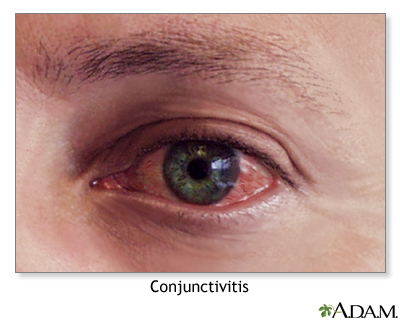
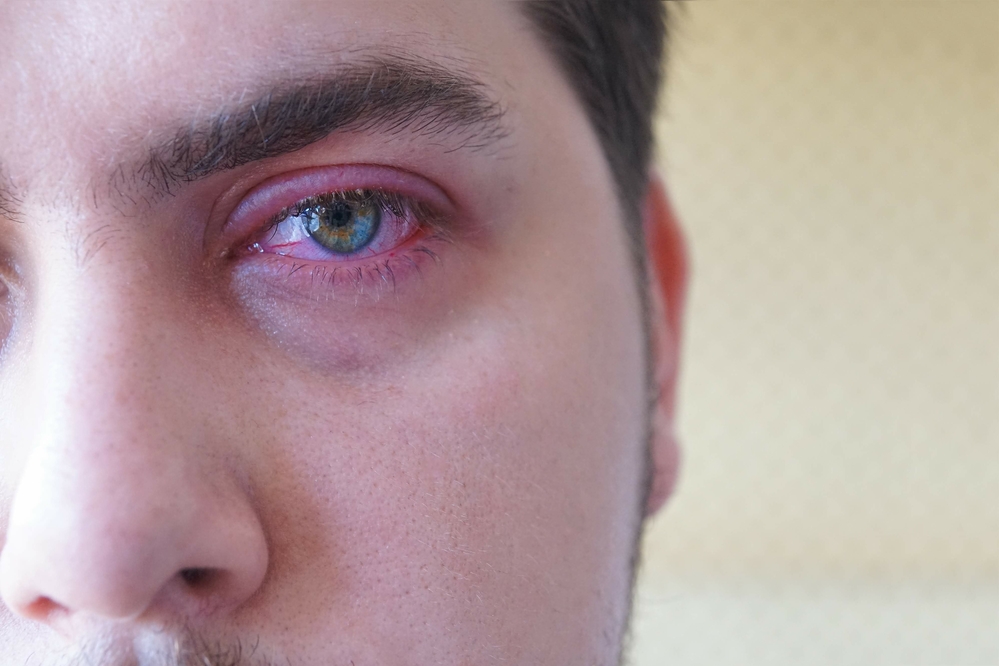
Redness around the eyes is a common symptom. You might notice the eyes feeling itchy. Watery eyes can occur frequently. Swelling can make the eyes puffy. These signs indicate an allergic reaction. Sneezing might also accompany these symptoms.
Behavioral Indicators
Rubbing the eyes often suggests discomfort. You may find it hard to focus due to irritation. Constant blinking is another sign. Feeling tired or sluggish is common. Avoiding light can indicate eye sensitivity. These behaviors show the body’s response to allergens.
Immediate Relief Techniques
To ease swollen eyes from cat allergies, apply a cold compress gently. This reduces puffiness and soothes irritation. Over-the-counter antihistamines can also help, calming allergic reactions quickly.
When your beloved feline friend triggers an allergy, it can be a real challenge. If your eyes are swollen and irritated, immediate relief is crucial. You want to ease the discomfort quickly so you can get back to enjoying your day. Here are some simple techniques to help soothe your swollen eyes from cat allergies.Cold Compress Application
Apply a cold compress to your eyes to reduce swelling. You can use a clean cloth soaked in cold water or grab a bag of frozen veggies wrapped in a towel. Hold it gently against your closed eyelids for a few minutes. The cold helps constrict blood vessels and reduce puffiness. Remember to be gentle and avoid pressing too hard. You might be surprised at how much relief a simple cold compress can provide. Have you tried this technique before?Use Of Antihistamines
Antihistamines are a popular choice for tackling allergy symptoms. These medications can reduce swelling and itchiness. They are available over-the-counter, making them an accessible option for quick relief. Whether you prefer tablets, eye drops, or nasal sprays, antihistamines can offer significant comfort. Always read the instructions carefully and consult with your healthcare provider if you’re unsure. Imagine regaining your comfort with just a small pill or drop! Have antihistamines made a difference in your allergy struggles? Acting swiftly with these techniques can make a world of difference. Don’t let cat allergies keep you from enjoying your furry companion. With the right steps, you can manage the symptoms effectively and keep your eyes feeling fresh.Home Remedies
Dealing with swollen eyes from a cat allergy can be uncomfortable. Fortunately, there are several home remedies to help alleviate symptoms. These remedies use natural ingredients found in most households. They are gentle and soothing, providing relief from discomfort.
Natural Eye Wash
A natural eye wash can calm swollen eyes. Mix a cup of warm water with a pinch of salt. Stir until the salt dissolves completely. Use this solution to rinse your eyes. It helps remove allergens and reduces inflammation.
Apply the eye wash twice daily for best results. Ensure the water is lukewarm, not hot. Hot water might irritate sensitive skin. The salt acts as a gentle cleanser, soothing the eye area.
Herbal Teas
Herbal teas can be used externally for relief. Chamomile tea is particularly effective. Brew a cup of chamomile tea and let it cool. Dip a clean cloth in the tea and place it over your eyes. Keep it on for 10 minutes. This process helps reduce swelling and redness.
Green tea is another option. It contains antioxidants that soothe irritated eyes. Brew a cup and cool it down. Use cotton balls to apply the tea to your eyelids. Repeat daily for calming effects. Herbal teas can refresh and rejuvenate.
Medical Treatments
Dealing with a swollen eye from a cat allergy can be both uncomfortable and frustrating. While home remedies may offer temporary relief, medical treatments often provide more effective solutions. Understanding the available options can help you choose the best path to recovery.
Prescription Medications
Your doctor might prescribe antihistamines or corticosteroids to reduce inflammation and alleviate symptoms. Antihistamines are particularly effective in blocking the allergic reaction that causes swelling. Corticosteroids, on the other hand, work by reducing inflammation directly. Both medications can be administered orally or as eye drops, offering flexibility depending on your comfort level.
Imagine the relief of waking up without that irritating puffiness around your eyes. Prescription medications are often the turning point for many, providing not just relief but also a sense of normalcy. Have you ever considered discussing these options with your healthcare provider?
Doctor Consultation
Seeking professional advice can be a game-changer. Your doctor can help identify the specific allergen affecting you and tailor a treatment plan accordingly. They may recommend allergy testing to pinpoint the exact trigger, ensuring that your treatment is as targeted as possible.
Remember when you last felt overwhelmed by symptoms and a quick visit to the doctor transformed your understanding of your condition? It’s empowering to know exactly what you’re dealing with and how to tackle it head-on. Why not schedule a consultation to explore your options?
Medical treatments offer a structured approach to managing swollen eyes from cat allergies. With the guidance of a healthcare professional, you can find relief and regain control over your symptoms. Are you ready to take the next step in your treatment journey?
Credit: www.mountsinai.org
Preventive Measures
To treat swollen eyes from cat allergies, avoid contact with cats and wash your hands frequently. Use antihistamines to reduce swelling and irritation. Applying a cold compress can soothe discomfort effectively.
Dealing with a swollen eye from a cat allergy can be frustrating, but taking preventive measures can drastically minimize your discomfort. Prevention is not just about avoiding cats entirely; it’s about strategically reducing your exposure and improving your living environment. Here’s how you can take proactive steps to keep your eyes irritation-free.Reducing Exposure
Limit your direct contact with cats, especially if they live in your home. If you have a pet cat, consider grooming them regularly to reduce shedding and dander. Encourage family members who are not allergic to take on the responsibility of feeding and cleaning up after the cat. A simple adjustment like this can significantly reduce your exposure to allergens. Think about creating a cat-free zone in your home. Could you designate your bedroom as an area where your cat is not allowed? This can provide you with a sanctuary to breathe easy and sleep without the irritation of allergens.Improving Home Environment
Regular cleaning is crucial. Vacuum your carpets and furniture often, using a vacuum with a HEPA filter to trap allergens. Consider investing in an air purifier. A good air purifier can capture airborne allergens, making the air in your home cleaner and healthier. Wash your hands and face after handling your cat, even briefly. This simple practice can prevent allergens from lingering on your skin and causing an allergic reaction. Is it time to rethink your flooring? Hardwood or laminate floors are easier to keep allergen-free compared to carpets, which can trap dander. Would changing your flooring be a worthwhile investment for your health? By focusing on these practical steps, you can significantly lessen the impact of cat allergens on your daily life. What small changes can you make today to create a more allergy-friendly home?Lifestyle Adjustments
Dealing with a swollen eye from a cat allergy can be challenging. Lifestyle adjustments can ease symptoms and improve overall well-being. Making small changes can help you live comfortably with your furry friend.
Pet Handling Tips
Limit close contact with your cat to reduce allergic reactions. Create cat-free zones in your home, like your bedroom. Use air purifiers to filter allergens from the air. Regularly groom your cat to minimize shedding and dander. Wear gloves when brushing your pet to avoid direct contact. Consider choosing hypoallergenic cat breeds if you plan to get a new pet.
Personal Hygiene Practices
Wash your hands after touching your cat or their belongings. Avoid touching your face after pet handling to prevent irritation. Change clothes if you’ve been cuddling with your cat. This stops allergens from spreading. Shower before bed to remove allergens from your skin and hair. Clean your home regularly to reduce allergen buildup.
Credit: community.aafa.org
Frequently Asked Questions
How To Get Rid Of Swollen Eyes From Cat Allergy?
To reduce swollen eyes from cat allergy, wash your face and use a cold compress. Take antihistamines and consider allergy eye drops. Keep your home clean and consider using air purifiers. Consult a doctor for persistent symptoms.
How Long Do Puffy Eyes From Cat Allergies Last?
Puffy eyes from cat allergies typically last for a few hours to a couple of days. Reducing allergen exposure and using antihistamines can help alleviate symptoms faster. Consult a doctor if symptoms persist or worsen.
How Do You Get Rid Of A Swollen Eye From An Allergic Reaction?
Apply a cold compress to reduce swelling. Use antihistamines to relieve allergic symptoms. Keep the area clean and avoid irritants. Consult a doctor for severe reactions. Consider hydrating and resting to support recovery.
How Long Does A Swollen Eye Last From An Allergic Reaction?
A swollen eye from an allergic reaction usually lasts 24 to 48 hours. Treatment can speed up recovery. Use antihistamines or cold compresses to reduce swelling. If symptoms persist, consult a healthcare professional.
Conclusion
Treating swollen eyes from cat allergy involves simple steps. Identify triggers and avoid them. Use antihistamines for relief. Cold compresses reduce swelling quickly. Keep your home clean to minimize allergens. Consult a doctor for persistent symptoms. Allergies can be managed with care.
Protect your eyes from further irritation. Remember, early treatment helps prevent complications. Stay informed about allergy solutions. Maintain a healthy environment for comfort. Prioritize your eye health. Small changes make a big difference. Understand your body’s reactions. Find what works best for you.
Embrace a life with fewer allergy worries.