What Percentage of Cats are Black: Fascinating Insights
Have you ever wondered why black cats have such a mysterious allure? Maybe you’ve noticed that they seem to pop up in folklore and spooky tales more often than other cats.
But have you ever stopped to consider just how many black cats are out there? What percentage of our feline friends are wearing these sleek, midnight coats? This intriguing question might just lead you to uncover fascinating facts about genetics, superstitions, and even the psychology behind why these cats captivate us so much.
As you delve deeper, you’ll find that the answer is more complex and captivating than you might expect. Ready to unlock the secrets behind the prevalence of black cats? Keep reading to discover the surprising truth that lies behind the numbers.
Credit: www.zebu.net
Black Cat Statistics
Black cats often captivate imaginations. Their mysterious allure sparks curiosity about their statistics. How common are they? What factors influence their numbers?
Global Population Data
Worldwide, black cats represent a significant portion of feline populations. Estimates suggest they make up around 20% to 25% of all cats. This percentage varies due to factors like genetics and breeding practices. Black fur is a dominant trait, which helps maintain their presence globally.
Regional Variations
The percentage of black cats fluctuates across different regions. In some areas, cultural beliefs impact their numbers. For instance, black cats are seen as omens in certain cultures, affecting their adoption rates. Regions with positive views of black cats may show higher numbers. Urban areas tend to have more black cats than rural ones due to varied breeding practices.
Historical Trends
Historically, black cats have faced challenges. In medieval times, they were associated with witchcraft, reducing their popularity. Over the years, perceptions shifted. Campaigns and awareness efforts helped change public opinion. Today, many see them as symbols of luck, increasing their appeal. This shift impacts their population positively, showing growth in recent years.
Genetics Of Black Cats
Black cats make up about 22% of the overall cat population. Their unique appearance is due to a dominant gene. This gene gives them their distinctive black fur, setting them apart from other cats.
Genetics of Black Cats The mysterious allure of black cats often sparks curiosity about their genetics. Why do some cats sport a sleek black coat while others don’t? The answer lies in their genetic makeup, which determines their fur color based on specific traits and factors.Genetic Factors
Black cats owe their distinctive color to dominant genetic traits. The gene responsible for black fur is called the “B” gene. It’s dominant, meaning if a cat inherits this gene, its fur will likely be black. But it’s not always as straightforward as it seems. Other genes can influence the shade and pattern of the black fur, leading to variations like smoky or striped patterns. Have you noticed black cats with faint stripes under certain lighting? That’s the tabby gene, quietly working in the background.Common Breeds
Several cat breeds are known for their stunning black coats. Bombay cats are famously all-black and are often likened to miniature panthers. With their sleek fur and striking golden eyes, they make quite an impression. Oriental Shorthairs and British Shorthairs also frequently have black variants. These breeds are popular in households because of their friendly nature and glossy coats. If you’ve ever cuddled with a black British Shorthair, you know the joy of their plush and silky fur.Melanin And Fur Color
The secret behind the deep black fur lies in melanin, a pigment also found in human skin. Cats with higher melanin levels have darker fur. In black cats, an abundance of eumelanin, a type of melanin, gives their fur that rich, dark shade. However, the melanin not only affects fur color but can also impact eye color. Many black cats have captivating yellow or green eyes, a striking contrast that adds to their allure. Have you ever noticed how their eyes seem to glow in dim light? That’s the melanin at work, enhancing the enchanting mystique of black cats.In understanding the genetics of black cats, you’re not just learning about science; you’re unraveling the mystery behind their unique beauty. Next time you see a black cat, consider the intricate genetic dance that led to its striking appearance. What other genetic wonders might be hiding in plain sight?
Cultural Significance
Black cats have fascinated cultures around the world for centuries. Their mysterious allure has sparked both admiration and suspicion. While they may only account for a small percentage of the feline population, their cultural significance is vast and intriguing.
Superstitions And Myths
Superstitions surrounding black cats vary widely. In some cultures, they are seen as harbingers of bad luck. A black cat crossing your path might make you pause and wonder what’s next.
Yet, in other traditions, they are seen as symbols of prosperity and protection. You might find yourself petting a black cat for good luck in certain regions.
Have you ever hesitated when a black cat crossed your path? It’s fascinating how a simple color can evoke such strong beliefs.
Symbolism In Different Cultures
Black cats hold different meanings across cultures. In Japan, they are often considered signs of good fortune. Owning a black cat might be seen as a way to attract wealth.
In ancient Egypt, they were revered and associated with deities. Imagine how powerful they must have seemed in the eyes of the Egyptians.
What do black cats symbolize in your culture? It’s interesting to see how one animal can have such diverse representations.
Black Cats In Media
Media has played a significant role in shaping perceptions of black cats. They’ve appeared in countless films and books as witches’ companions. You might recall the iconic black cat from the movie “Hocus Pocus”.
In contrast, some stories depict them as wise and protective. Have you noticed how they often appear as guides in fantasy tales?
Think about the last movie you watched with a black cat. How did it shape your view of these enigmatic creatures?
Black cats, despite their modest numbers, have left a lasting impact on global culture. Their presence in myths, symbolism, and media continues to captivate and provoke thought. What role do they play in your life?

Credit: www.researchgate.net
Black Cat Adoption Trends
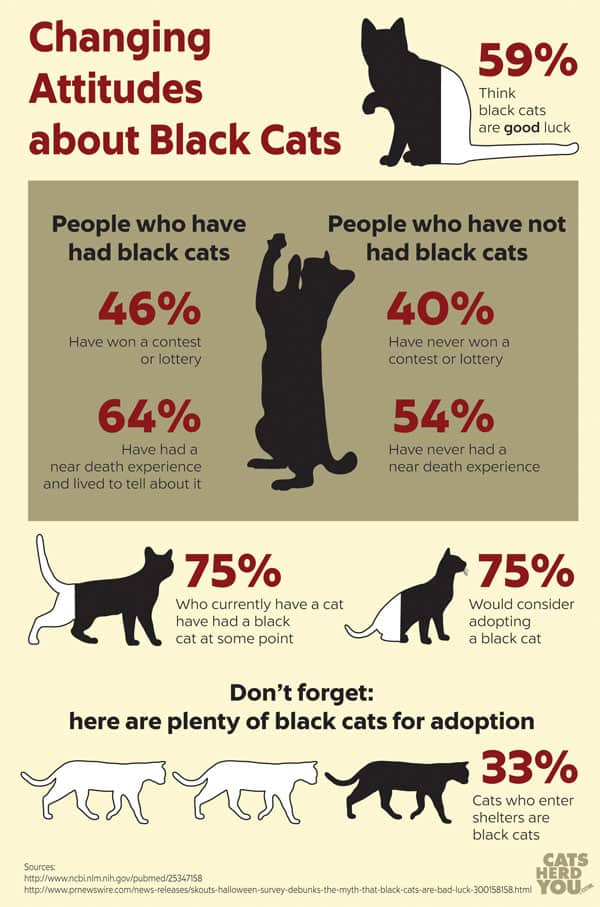
About 33% of cats in shelters are black, reflecting a significant portion of feline populations. Despite myths, black cats often face adoption challenges, yet their charm remains undeniable. More adopters are now recognizing their unique beauty and embracing these adorable companions.
When it comes to adopting a cat, many people picture a fluffy tabby or a sleek Siamese. But what about black cats? Despite their beauty and charm, black cats often face unique challenges in the adoption world. These felines deserve our attention and understanding, especially when it comes to increasing their adoption rates.Adoption Rates
Black cats make up a significant portion of the feline population in shelters. According to some estimates, they account for about 33% of all cats in shelters. However, they are often the last to be adopted. Why do black cats linger in shelters longer than their more colorful counterparts? Some believe it’s due to outdated superstitions or the misconception that black cats are less photogenic. Yet, if you’ve ever had a black cat curl up in your lap, you know they are just as loving and playful as any other cat.Challenges In Adoption
Adopting black cats comes with its own set of challenges. They face stereotypes and myths that can deter potential adopters. These myths can range from old superstitions to ideas about their temperament. Another hurdle is visibility. In shelters, black cats might not stand out as much as lighter-colored cats. This makes it crucial for shelters to find creative ways to showcase their unique personalities and traits.Promoting Black Cat Adoption
Promoting the adoption of black cats requires a shift in perspective. Shelters can organize special events like “Black Cat Fridays” to highlight these beautiful animals. Encouraging people to share positive stories about their black cats can also help change perceptions. Social media is a powerful tool in this endeavor. Pictures and videos showcasing the playful and affectionate nature of black cats can reach a wide audience. Imagine scrolling through your feed and seeing a black cat playfully swatting at a toy—it’s hard not to fall in love. Have you ever considered the impact you could have by adopting a black cat? Not only would you gain a loyal companion, but you’d also help break down barriers for future adopters. Taking a chance on a black cat could mean saving a life and gaining a friend for years to come. In your experience, what has been the most endearing quality of a black cat you’ve known?Care For Black Cats
Black cats often hold a mysterious charm, captivating anyone who crosses their path. Caring for these enchanting creatures involves understanding their unique needs. Many black cat owners find themselves wondering how to provide the best care for their feline friends. Let’s dive into some essential aspects of caring for black cats that might surprise you!
Health Considerations
Black cats, like all cats, need regular health check-ups. However, their dark fur can sometimes hide signs of health issues, such as skin problems or parasites. It’s crucial to inspect them closely during grooming sessions. Have you noticed how your cat reacts to different foods or environments? Monitor any changes in behavior that could indicate health issues. Regular vet visits can help catch any problems early.
Grooming Tips
Black cats often have sleek, shiny coats that require some maintenance. Brushing them weekly can help reduce shedding and prevent hairballs. Have you ever tried using a lint roller to clean up after grooming sessions? It’s a handy tool to have. Additionally, pay attention to their nails and ears. Keeping nails trimmed and ears clean can prevent discomfort and infections.
Dietary Needs
Your black cat’s diet is an important part of their overall care. Ensure they have a balanced diet rich in proteins and essential nutrients. Have you noticed how your cat reacts to different types of food? Some cats have specific dietary preferences or allergies. Offering a variety of food options can help you identify their favorites and ensure they receive adequate nutrition. Consult with your vet to tailor a diet plan that suits your cat’s needs.
Are you ready to give your black cat the care they deserve? With a little attention to their health, grooming, and diet, you can ensure your furry friend lives a happy, healthy life. How do you plan to enhance your black cat’s care routine today?

Credit: en.wikipedia.org
Frequently Asked Questions
How Common Are Black Cats?
Black cats are relatively common worldwide. They appear frequently in shelters and homes. Their popularity grows during Halloween due to superstition and folklore. Despite myths, black cats make affectionate and playful pets.
What Is The Rarest Color Of A Cat?
The rarest cat color is albino. These cats have a genetic mutation causing a lack of pigment. Their eyes appear pink or light blue due to blood vessels showing through. Albino cats are unique and not common in the feline world.
Is 100% Black Cat Rare?
A 100% black cat is not rare. Black cats are common and found worldwide. Their prevalence is due to genetics, and they have been popularized in various cultures and media.
What Color Cat Is The Most Common?
The most common cat color is black. Black cats often have solid or mixed color patterns. They are widely found due to their dominant genetic traits.
Conclusion
Black cats hold a special place in many hearts. They are unique and mysterious. Around 22% of cats are black. This number varies by region and breed. Black cats face many myths and superstitions. Sadly, this impacts their adoption rates.
Yet, their charm and elegance are undeniable. They bring joy and companionship, just like any other cat. If you’re considering adopting, think about a black cat. They might just be the perfect friend for you. Remember, every cat deserves a loving home.
Choose with your heart and give them a chance.