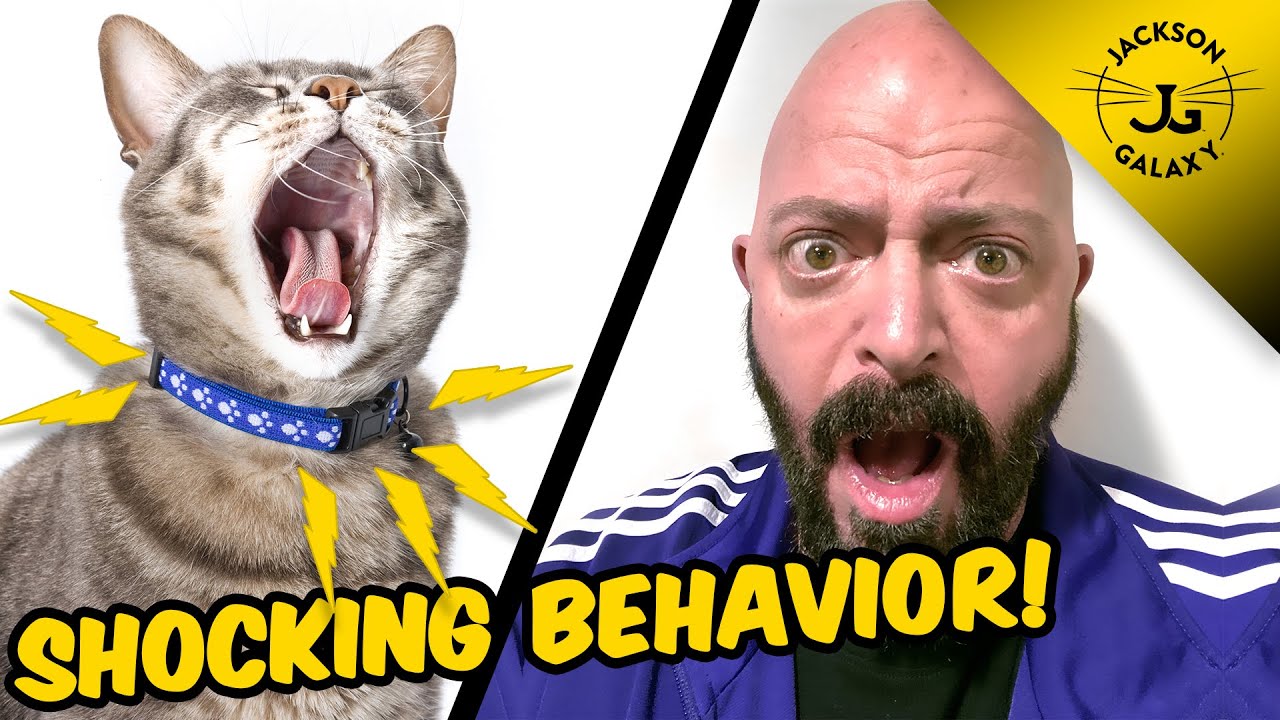
Do They Make Shock Collars for Cats: Discover the Truth
Are you curious about managing your cat’s behavior? The idea of shock collars for cats might have crossed your mind, especially if your feline friend tends to be a bit mischievous.
You’re not alone in wondering if such a tool exists or if it could be the solution you’ve been searching for. But before you dive into the world of pet gadgets, it’s crucial to understand what options are available and how they may impact your furry companion’s well-being.
We’ll explore whether shock collars are made for cats, discuss their potential pros and cons, and help you make an informed decision for your pet. Stay with us to uncover the facts and myths surrounding this intriguing topic.
What Are Shock Collars?
Shock collars are tools used in animal training. They deliver mild electric pulses. These collars often assist in controlling unwanted behaviors. Many pet owners use them for dogs. But their use on cats raises questions.
Shock collars come with adjustable settings. This allows the user to control the intensity. Some collars also have vibration or beep settings. These provide non-electric corrections. This versatility makes them popular among trainers.
How Do Shock Collars Work?
Shock collars work through remote control. The owner presses a button to send signals. These signals can be a shock, beep, or vibration. The collar’s purpose is to correct behavior. It helps pets understand what is not allowed.
The collar fits around the animal’s neck. Electrodes make contact with the skin. This ensures the signal reaches the pet. Proper fit is essential for effectiveness. Loose collars may not work correctly.
Are Shock Collars Safe For Cats?
Shock collars are generally designed for dogs. Cats have different anatomy and behavior. Their use on cats is less common. Safety concerns arise due to size and sensitivity.
Cats are smaller and more sensitive than dogs. Their necks are delicate. A shock collar might cause harm. Experts often recommend alternative methods for cats. Positive reinforcement is a preferred option.
Alternatives To Shock Collars For Cats
Training cats requires patience and understanding. Positive reinforcement techniques are effective. Rewards for good behavior encourage learning. Treats, toys, or affection work well.
Clicker training is another option. It uses a clicking sound to mark desired behaviors. Cats respond well to consistent signals. This method avoids stress and discomfort.
Environmental changes can help too. Adjusting the surroundings reduces unwanted behaviors. Providing ample toys and scratching posts diverts attention. This keeps cats engaged and happy.
Shock Collars For Cats: Myth Or Reality?
Exploring whether shock collars are made for cats reveals a controversial topic. Many cat owners seek gentle training alternatives. The debate continues over their safety and effectiveness.
Shock collars for cats: myth or reality? This question has sparked curiosity and debate among pet owners. While shock collars are commonly associated with dogs, the idea of using them on cats raises eyebrows and concerns. Let’s explore whether these devices are a practical tool or just another myth in the realm of pet training. Shock collars, also known as electronic collars, deliver a small electric shock to the animal. They are primarily used in training to discourage unwanted behavior. While they are more popular in dog training, some claim they can be used on cats as well.Are Shock Collars Safe For Cats?
Safety is the primary concern when considering shock collars for cats. Cats are more sensitive and react differently than dogs. A shock intended to correct behavior might cause fear or anxiety, leading to more harm than good. Before considering a shock collar, explore other training methods. Positive reinforcement, such as treats and praise, can be effective. Clicker training is another option that can yield good results without causing distress to your cat.Personal Experience With Pet Training
I once tried using a shock collar on my overly energetic dog. While it helped with training, the experience made me question its use on a sensitive animal like a cat. Cats have unique personalities and require a gentler approach.Should You Use A Shock Collar On Your Cat?
Ask yourself if a shock collar aligns with your values as a pet owner. Consider your cat’s temperament and the underlying reasons for their behavior. Explore less intrusive methods before resorting to a shock collar.Final Thoughts On Shock Collars For Cats
The debate around shock collars for cats highlights the importance of understanding your pet’s needs. Always prioritize their well-being and safety. What works for one animal may not work for another, so choose wisely. Deciding how to train your cat is a personal journey. What methods have you found effective in your pet training experience?How Shock Collars Work
Shock collars, often a topic of debate, are devices used to train pets through electrical stimulation. While they’re commonly associated with dogs, some wonder if they are suitable for cats. Understanding how shock collars work can help you make informed decisions about your pet’s training needs.
Mechanism Behind Shock Collars
Shock collars function by delivering a mild electric shock through contact points on the collar. This shock is intended to deter unwanted behaviors. The concept is simple: when your pet displays a behavior you want to change, a button on a remote is pressed to administer the shock.
The shock intensity can usually be adjusted, allowing you to tailor the level according to your pet’s size and sensitivity. Some models also offer vibration or sound settings as alternatives to electric shocks. These features aim to make the collar versatile and suitable for various training scenarios.
It’s crucial to monitor your pet’s reaction to the collar, ensuring they’re not stressed or fearful. If your cat seems uncomfortable or distressed, reconsider using the collar and explore other training methods.
Types Of Shock Collars
Shock collars come in several varieties, each with unique features. Basic collars provide a simple electric shock, while advanced models offer a combination of shock, vibration, and sound alerts. These multipurpose collars give you more options for training.
Remote-controlled collars allow you to administer the shock manually, giving you control over timing and intensity. Some collars are automatic, activating when the pet performs certain actions, like crossing a boundary.
Consider your cat’s temperament and size when choosing a collar type. A timid cat may respond better to vibration settings, while a more assertive pet might require a higher intensity shock for effective training.
Reflect on whether a shock collar aligns with your training goals and your pet’s well-being. Are there alternative methods that might be more suitable for your cat? Let your pet’s comfort guide your choices.
Potential Risks And Concerns
Shock collars for cats are a controversial topic. Many pet owners worry about their safety and effectiveness. These devices, meant to control behavior, can pose risks to feline health. Understanding these risks helps in making informed decisions.
Physical Health Implications
Shock collars deliver electric pulses to the cat’s neck. These pulses can cause skin irritation. Prolonged use might lead to burns or infections. Cats have sensitive skin that can react negatively. The collar’s pressure can also affect breathing. Incorrect sizing may lead to choking or discomfort. Monitoring the collar’s fit is crucial for safety.
Behavioral Effects On Cats
Cats respond differently to shock collars. The sudden jolt can frighten them. Fear can lead to stress and anxiety. Stress might cause changes in behavior. Some cats become aggressive or withdrawn. Using shocks to train cats may confuse them. They might not understand why they are punished. This confusion can damage their trust in humans. Establishing a bond with fear is not ideal for pets.
Alternatives To Shock Collars
Many cat owners wonder if shock collars, commonly used for dogs, are suitable for cats. The truth is, these devices can cause distress and are often ineffective for feline behavior training. Fortunately, there are kinder and more effective alternatives to help guide your cat’s behavior.
Positive Reinforcement Techniques
Imagine teaching your cat to come when called or to stop scratching furniture without stress or fear. Positive reinforcement is the key. Reward your cat with treats or affection whenever they exhibit desired behavior. This creates a pleasant association for them.
Consistency is crucial. Your cat will start to understand what behaviors earn them rewards. It’s also a great bonding opportunity. You might find that your cat becomes more affectionate and engaged with you.
Doesn’t the idea of having a well-behaved cat without using fear sound appealing? With patience and rewards, you can achieve just that.
Gentle Training Devices
Consider using gentle training devices such as clickers or motion-activated deterrents. Clickers can help reinforce positive behaviors with an audible cue. They’re easy to use and can be paired with treats.
Motion-activated deterrents can discourage undesired behaviors like scratching or jumping on counters. They emit a harmless spray or sound that startles your cat without causing distress.
These tools are practical and effective, reducing the need for harsher measures. Why not give them a try? Your cat deserves a stress-free environment.
Ultimately, your relationship with your cat should be built on trust and understanding. Have you tried any of these alternatives? Share your experiences and help others find the best solution for their furry friends.

Credit: www.amazon.com
Ethical Considerations
Exploring shock collars for cats raises ethical concerns about animal welfare. These devices can cause stress and discomfort. Understanding the impact on feline behavior is crucial before considering their use.
Ethical Considerations When it comes to using shock collars for cats, ethical considerations are crucial. The idea of using shock collars on cats sparks intense debate among pet owners and animal experts alike. Understanding these ethical concerns can help you make an informed decision about what’s best for your feline friend.Animal Welfare Perspectives
Animal welfare advocates raise significant concerns about shock collars for cats. Cats are naturally sensitive creatures, and the use of shock collars may lead to stress or fear. Imagine your cat associating its safe space with discomfort—it’s a distressing thought. Some people argue that shock collars can be cruel and inhumane. They believe that these devices may compromise a cat’s mental well-being. Would you want your pet to live in an environment of fear?Expert Opinions
Veterinarians and animal behaviorists often advise against using shock collars for cats. They emphasize that cats might not understand why they are being shocked, leading to confusion rather than correction. An expert once told me how a cat might link the shock to something unrelated, causing unnecessary anxiety. Instead, experts recommend positive reinforcement training methods. These methods focus on rewarding good behavior, which can be both effective and humane. Have you considered using treats or toys to encourage your cat’s good behavior? To sum up, while shock collars may seem like a quick fix, the ethical implications are worth pondering. Prioritizing your cat’s well-being can lead to a happier and healthier relationship. What choices will you make for your furry companion?Market Availability And Trends
Shock collars for cats are less common but available in the market. Trends show a growing interest in pet safety and behavior training tools. As more pet owners seek gentle methods, alternatives to shock collars are also gaining popularity.
Market Availability and Trends The concept of shock collars for cats often sparks debate and curiosity. While traditionally associated with dog training, some pet owners wonder if similar devices are available for felines. Understanding the market availability and trends is crucial if you’re considering this option for your cat.Current Market Offerings
The market for shock collars specifically designed for cats is limited. Most available products are primarily targeted at dogs, given their different training needs and sizes. However, some adjustable collars can be adapted for smaller animals, including cats. Manufacturers often market these collars for behavioral correction, like discouraging excessive meowing or preventing jumping on furniture. But always ensure the collar is safe and comfortable for your cat before making a purchase.Consumer Demand And Trends
Consumer demand for cat shock collars is relatively niche. Cat owners often seek gentler alternatives like clicker training or pheromone diffusers. Yet, the demand for shock collars persists among those seeking a quick fix for behavioral issues. Interestingly, the trend is shifting towards more humane and technology-driven solutions. Smart collars, for instance, offer features like GPS tracking and activity monitoring without the use of shocks. These alternatives highlight a growing preference for kinder training methods. When considering a shock collar for your cat, think about the broader implications. Is it the best choice for your pet’s well-being? Explore all options and trends to make an informed decision that aligns with your values and your cat’s needs.
Credit: www.purrfectfence.com
Making An Informed Decision
Exploring options for cat training, shock collars are often discussed. Potential risks and benefits must be understood. Gather reliable information before deciding on their use for feline behavior modification.
Making an informed decision about using shock collars for cats is crucial. It’s not just about selecting a product; it’s about understanding your pet’s unique needs and ensuring their safety. This choice should be guided by knowledge and compassion, considering both the potential benefits and risks involved.Assessing Your Pet’s Needs
Before you decide, take a close look at your cat’s behavior. Is your cat prone to wandering or aggressive tendencies? Think about their personality and past experiences. Does your cat respond well to training or seem anxious? Understanding these aspects can help you determine if a shock collar is suitable. You want a solution that respects their nature and promotes well-being.Consulting A Veterinarian
A veterinarian’s insight is invaluable. Their expertise can shed light on whether a shock collar is appropriate for your cat. Discuss your concerns and ask about alternatives. Vets can suggest training methods or tools that align with your pet’s needs. By consulting a professional, you ensure your decision is backed by knowledge, not guesswork. This step could be the difference between a harmonious home and added stress for your pet. As you weigh your options, consider the impact on your cat’s happiness. Is a shock collar the best path forward?
Credit: www.youtube.com
Frequently Asked Questions
Is It Okay To Use A Shock Collar On A Cat?
Using a shock collar on a cat is generally not recommended. Cats are sensitive creatures. Shock collars can cause stress, fear, and injury. Positive reinforcement methods are better for training cats. Consult a veterinarian for advice on training techniques. Always prioritize your cat’s safety and well-being.
Do They Make A Cat Shock Collar?
Yes, cat shock collars are available, but they are controversial. Experts advise against using them due to potential harm. Opt for positive reinforcement training methods to ensure your cat’s well-being. Always consult with a veterinarian or animal behaviorist before using any training device on your pet.
Is There A Collar To Stop Excessive Cat Meowing?
No collar specifically stops excessive cat meowing. Address underlying issues like boredom, anxiety, or health problems. Consult a veterinarian for guidance and solutions. Consider environmental enrichment or behavioral training to reduce meowing effectively.
Do Vets Recommend Collars For Cats?
Vets often recommend breakaway collars for cats. These collars enhance safety by preventing strangulation. Microchipping is also advised for permanent identification. Always consult your vet for personalized recommendations based on your cat’s needs and lifestyle.
Conclusion
Shock collars for cats raise ethical concerns. Cats are sensitive creatures. Using shock collars may harm their well-being. Alternative training methods exist. Positive reinforcement is a great choice. This approach builds trust between you and your cat. Consider consulting a professional for guidance.
They can offer tailored advice. Safety should always come first. Cats deserve a loving and caring environment. Making informed decisions benefits both you and your pet. Always prioritize your cat’s comfort and happiness. Their trust is priceless.