How Contagious is Ringworm from Cat to Human: Unveiling Risks
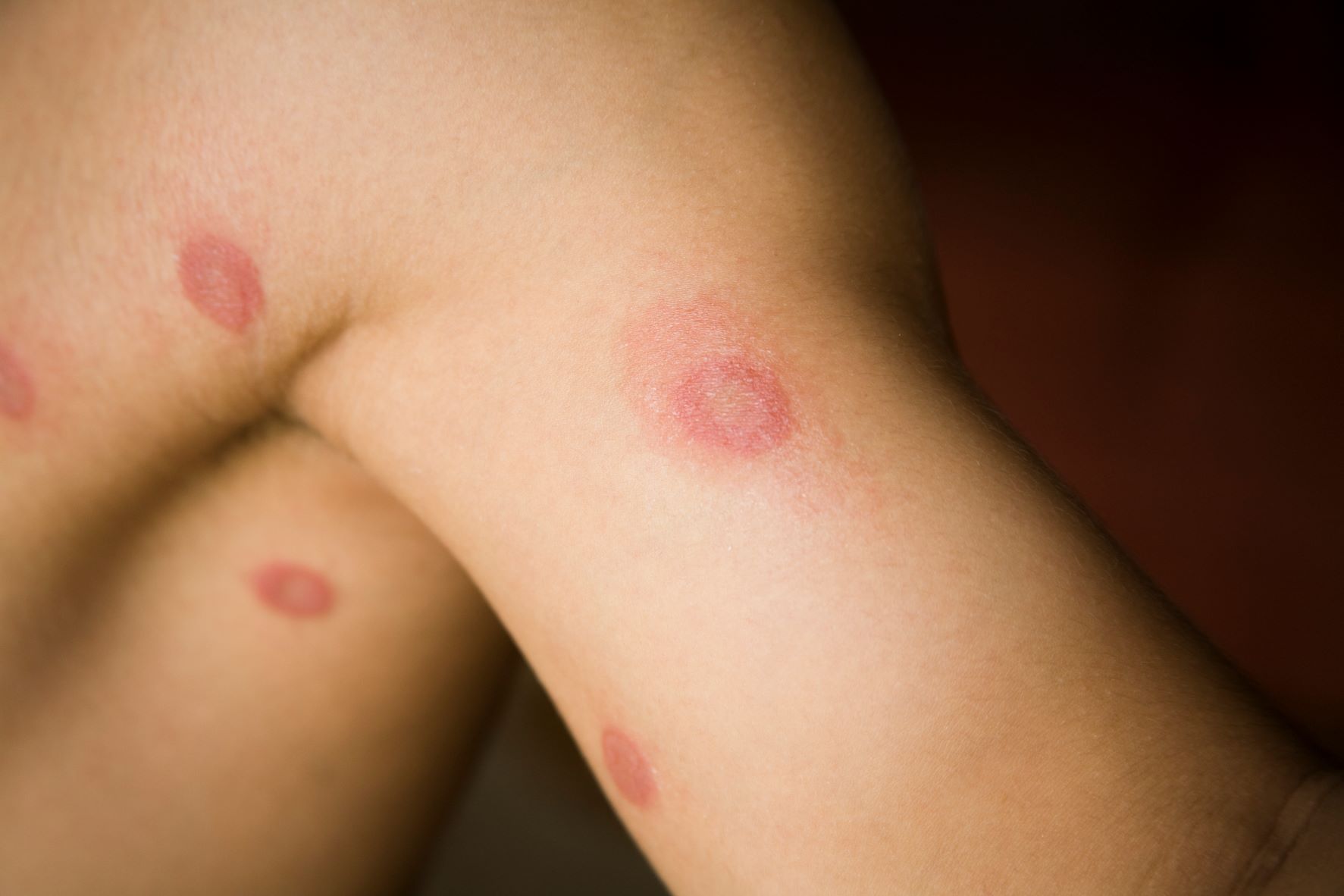
Have you ever noticed a peculiar rash on your skin after cuddling with your cat? You might be wondering, “How contagious is ringworm from cat to human?”
This question isn’t just about curiosity; it’s about your health and the well-being of your furry friend. Understanding the risks and how to protect yourself is crucial. You’ll uncover the truth about ringworm transmission and learn simple steps to keep you and your pet safe.
Stick around to discover how you can continue to enjoy those precious moments with your cat without worry. Your peace of mind is just a few paragraphs away!
Credit: www.coloradoanimalrescue.org
What Is Ringworm
Ringworm isn’t a worm at all. It’s a skin infection caused by fungi. This condition results in circular, itchy rashes. People and animals can both get ringworm. The infection is contagious and spreads easily.
Cats are common carriers of ringworm. Humans can catch it from them. Understanding ringworm helps in preventing its spread. Knowing how it spreads is crucial for pet owners.
Fungal Nature Of Ringworm
Ringworm is caused by fungi called dermatophytes. These fungi thrive on skin, hair, and nails. Moist environments help them grow. They cause red, scaly patches on the skin. The infection can be itchy and uncomfortable.
Dermatophytes are not limited to cats. They can infect dogs and humans too. Transmission happens through direct contact. Sharing items like towels can also spread the fungi.
Common Misconceptions
Many believe ringworm is caused by worms. That’s not true. It’s a fungal infection, not parasitic. Another misconception is that ringworm is rare. In fact, it’s quite common among pets and people.
People think ringworm clears up on its own. It requires treatment to prevent spreading. Over-the-counter creams are often effective. Early treatment reduces the risk of spreading to others.
Transmission Pathways
Understanding how ringworm spreads from cats to humans is essential. This fungal infection can quickly spread through several pathways. Recognizing these pathways helps in preventing infection. Below, we explore the main ways ringworm can be transmitted.
Direct Contact
Direct contact is a common way to catch ringworm. Touching an infected cat can spread the fungus. The infection thrives on the skin and fur of cats. Even brief contact can transfer the fungus to a person.
Indirect Contact
Indirect contact involves touching objects or surfaces. These can carry the fungus from the infected cat. Items like bedding, brushes, or furniture can be carriers. Sharing these items with an infected cat increases the risk.
Environmental Factors
Ringworm fungi can survive in the environment. They thrive in warm, moist areas. Contaminated soil, carpets, or pet areas can harbor the fungus. Humans can pick up the infection from these places.
Symptoms In Humans
Ringworm isn’t caused by a worm. It’s a fungal infection affecting skin. Cats can carry it, and humans can catch it. Symptoms in humans can be itchy and uncomfortable. Learning what to look for helps stop its spread.
Recognizing Early Signs
Initial signs include red patches on the skin. These patches might be round. The center of the patch may clear as it grows. Itching often follows, especially at night. Dry skin can appear around the patch. The edges may look slightly raised. Noticing these signs early is crucial.
Areas Commonly Affected
Ringworm can appear almost anywhere. Scalp infections are common. They might cause hair loss in patches. Feet can also be affected, resembling athlete’s foot. The chest and arms are other frequent sites. The infection can spread through contact. Clothes and towels can transfer it. Skin-to-skin contact increases risk.
Diagnosis Methods
Ringworm can spread easily from cats to humans. Diagnosis involves observing skin changes and confirming with a fungal culture. Early detection and treatment help prevent further spread and complications.
Ringworm is a common concern for cat owners worried about its contagious nature. Knowing how to diagnose it accurately can help you prevent its spread. Identifying ringworm in cats involves a few key steps, both visual and scientific. Let’s explore the diagnosis methods so you can better understand how to protect yourself and your feline friend.Clinical Examination
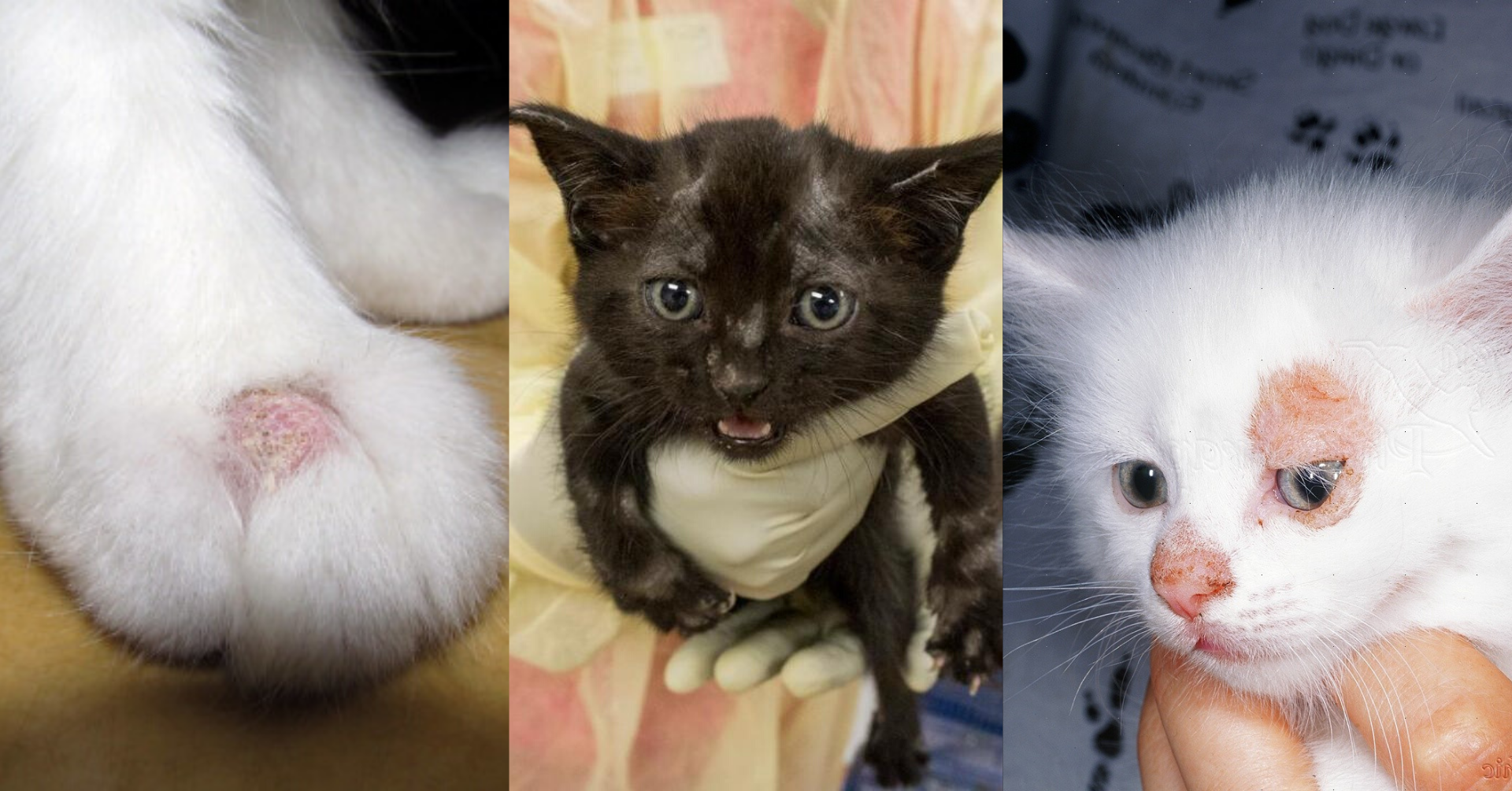
The first step in diagnosing ringworm is a clinical examination by a veterinarian. During this examination, the vet looks for common signs like bald patches, scaly skin, and red, circular lesions. A Wood’s lamp, a special ultraviolet light, may be used to highlight the infected areas, as some types of ringworm glow under this light. Imagine the relief of discovering that not all hair loss is due to ringworm. It’s crucial to let a professional differentiate between ringworm and other skin conditions. Have you ever mistaken a simple rash for something more severe? A vet’s trained eye can ease your worries with a thorough check-up.Laboratory Tests
If visual signs suggest ringworm, the next step often involves laboratory tests. The most common test is a fungal culture, where samples from the affected area are collected and observed for fungal growth over time. This test can take several weeks but offers conclusive results. For a more immediate response, a skin scraping can be examined under a microscope. This test looks for fungal spores or hyphae, although it’s not as definitive as a culture. Would you prefer a quick but uncertain result or wait for a definitive answer? Blood tests are generally not used for diagnosing ringworm, as they don’t provide useful information in this context. It’s fascinating how a simple skin scraping can reveal so much about your cat’s health. Knowing how ringworm is diagnosed helps you act promptly and responsibly. Have you ever considered how a few simple tests can make a significant difference in managing your pet’s health?Treatment Options
Ringworm spreads easily from cats to humans through direct contact. Treatment involves antifungal creams or medications. Keep your pet’s environment clean to minimize transmission.
Ringworm, despite its name, isn’t caused by a worm but by a fungus. If your cat has ringworm, you might be wondering how contagious it is and what you can do to treat it. Luckily, there are effective treatment options available for both pets and humans. Whether you’re dealing with a mild case or something more severe, there are solutions that can help. Treating ringworm promptly can prevent its spread to other animals and humans in your household. Let’s dive into the various treatment options available for ringworm.Topical Treatments
Topical treatments are often the first line of defense against ringworm. These creams and ointments are applied directly to the affected area. Clotrimazole and miconazole are common antifungal creams that work well. You can find these at your local pharmacy without a prescription. But, it’s crucial to follow the instructions on the package for the best results. If your cat is the one infected, consult your vet for pet-safe topical treatments. Have you ever wondered why topical treatments are effective? They target the fungus directly, minimizing its ability to spread. Be consistent with your application to see improvements.Oral Medications
Sometimes, topical treatments aren’t enough, especially if the infection is widespread. Oral medications can be prescribed by a doctor or veterinarian. Griseofulvin and itraconazole are commonly used oral antifungals. These medications work from the inside out, tackling the infection systemically. If you’ve tried topical treatments without success, oral medications might be the answer. Remember to discuss potential side effects with your healthcare provider. Are you ready to tackle ringworm head-on with oral meds? This could be the step that resolves the issue for good. In dealing with ringworm, taking action quickly is key. Have you considered which treatment option suits your situation best? Whether you opt for topical or oral treatments, remember that consistency and proper application are crucial.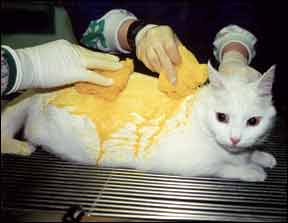
Credit: www.catwatchnewsletter.com
Prevention Strategies
Ringworm is a common fungal infection that can easily spread from cats to humans. While it’s not life-threatening, it can cause discomfort. Prevention is crucial to avoid contracting this infection. By adopting effective strategies, you can significantly reduce the risk of transmission.
Hygiene Practices
Maintaining good hygiene is essential. Wash your hands after petting your cat. Use soap and warm water to ensure cleanliness. Keep your cat’s living area clean. Regularly wash bedding and toys. This minimizes the presence of fungal spores.
Vacuum your home frequently. Pay special attention to carpets and upholstery. This helps remove any lingering spores. Thorough cleaning can greatly reduce infection risks.
Protective Measures
Consider wearing gloves when handling your cat. Especially if you suspect an infection. This provides a barrier against direct contact. Protective clothing, like long sleeves, can also help.
If possible, isolate the infected cat. Keep them in a separate area until treated. This limits the spread of ringworm to other pets and humans.
Regular vet check-ups are wise. They ensure your cat’s health and detect infections early. Early treatment reduces the risk of spreading ringworm to humans.
Risks For Vulnerable Groups
Ringworm can spread from cats to humans through direct contact. Vulnerable groups, like children and those with weak immune systems, face higher risks. It’s crucial to maintain good hygiene and handle pets with care to prevent infection.
When considering how contagious ringworm is from cats to humans, it’s crucial to understand the risks for vulnerable groups. Some individuals are more susceptible due to age, health, or lifestyle. Recognizing these vulnerabilities can help you take proactive steps to protect yourself and your loved ones from this common fungal infection.Children And Elderly
Children and the elderly are often at greater risk of contracting ringworm from cats. Their immune systems might not be as robust, making it easier for the fungus to take hold. Children, with their curious nature, often play closely with pets, increasing their exposure. Regular handwashing and monitoring pet health are essential steps you can take to minimize risk. For the elderly, skin becomes thinner and more prone to infection as they age. If you have elderly family members, ensure they maintain good hygiene practices and avoid direct contact with infected animals.Immunocompromised Individuals
If you or someone in your household has a weakened immune system, the risk of contracting ringworm is significantly higher. Individuals undergoing chemotherapy, living with HIV, or taking immunosuppressive drugs are particularly vulnerable. Living with an immunocompromised condition requires extra care around pets. Have regular veterinary check-ups for your cat to catch any signs of ringworm early. Consider creating a designated area in your home for pet interaction to control exposure. Ask yourself: Is my household environment safe for everyone, including those with weaker immune defenses? Taking simple precautions can greatly reduce the risk. By staying informed and vigilant, you can ensure a healthier environment for everyone in your home.
Credit: www.verywellhealth.com
Contagion Myths
Ringworm, a common fungal infection, often sparks fears about contagion. Many myths surround the transmission of ringworm from cats to humans. Understanding these myths is crucial to prevent unnecessary panic. Let’s explore these myths and clarify the facts.
Debunking Common Myths
Myth: Ringworm is highly contagious from cats to humans. Fact: While contagious, it requires direct contact. Not every touch will result in infection. Myth: Cats always show symptoms if they have ringworm. Fact: Cats can be carriers without visible signs. Myth: Humans get ringworm just by being near infected cats. Fact: Proximity alone isn’t enough. Contact with spores is necessary.
Reliable Sources Of Information
Get accurate information from veterinary clinics. They offer professional insights into ringworm transmission. Trust medical websites with detailed research. They provide reliable data on how ringworm spreads. Consult your local veterinarian. They can guide you based on specific needs and situations. Avoid myths by seeking expert advice and credible sources.
Frequently Asked Questions
How Easily Does Ringworm Spread From Cats To Humans?
Ringworm spreads easily from cats to humans through direct contact with infected fur or skin. Humans can catch it by touching contaminated surfaces or grooming tools. Symptoms in humans include red, itchy patches on the skin. Quick treatment reduces transmission risk and helps prevent further infection.
Do I Need To Quarantine If My Cat Has Ringworm?
No quarantine is needed for humans, but limit contact with your cat. Clean the environment and consult a vet.
Can You Touch Your Cat If It Has Ringworm?
Avoid touching your cat if it has ringworm. Ringworm is contagious and can spread to humans. Wear gloves when handling infected pets. Consult a veterinarian for proper treatment. Wash hands thoroughly after contact. Keep your cat isolated from other animals until treated.
Regularly clean surfaces and bedding to prevent infection spread.
Can I Still Be Around People If I Have Ringworm?
Avoid close contact with others if you have ringworm. It’s a contagious fungal infection. Use antifungal treatments and keep the area covered. Ensure good hygiene to prevent spreading. Consult a doctor for proper advice.
Conclusion
Ringworm can easily spread from cats to humans. It thrives in warm, moist areas. Keep your cat healthy and clean. Regular vet check-ups are essential. Maintain personal hygiene to minimize risks. Wash hands after petting cats. Avoid sharing personal items with infected pets.
Disinfect surfaces regularly. Educate family about prevention methods. Early detection ensures effective treatment. Stay informed and vigilant. Protect yourself and your loved ones.

Similar Posts