What Do Vets Use to Euthanize Cats: A Compassionate Guide
Facing the difficult decision to euthanize a beloved pet is an emotional experience that many cat owners must confront. You may find yourself grappling with questions and uncertainties about what exactly occurs during this process.
Understanding the methods and substances veterinarians use to euthanize cats can provide clarity and comfort during this challenging time. By addressing your concerns, this article aims to guide you through the process with empathy and factual information, allowing you to make informed decisions that honor your cherished feline companion.
Let’s explore what vets use to ensure a peaceful, humane end for your cat, and why this knowledge can be a vital part of your journey.
Reasons For Euthanasia
Euthanasia is a compassionate choice for suffering cats. Vets often recommend it to relieve pain. It is a tough decision for pet owners. Understanding the reasons can help. Here are common reasons for euthanasia in cats.
Chronic Illness
Chronic illness is a leading cause. Cats with ongoing health issues suffer greatly. Conditions like kidney failure or cancer cause immense pain. Medication may not ease their suffering. Euthanasia offers a peaceful end.
Severe Injury
Severe injuries can lead to euthanasia. Accidents may cause untreatable damage. Sometimes recovery is impossible. Cats deserve dignity and relief from agony. Vets suggest euthanasia to prevent prolonged pain.
Quality Of Life
Quality of life is crucial. Cats unable to enjoy daily activities suffer. Loss of appetite, mobility issues, or distress indicate poor life quality. Owners want their pets to live joyfully. When that is not possible, euthanasia becomes an option.
Credit: catvets.com
Euthanasia Drugs
Euthanasia drugs play a crucial role in the humane ending of a pet’s life. Vets use these drugs to ensure a peaceful and painless transition. Understanding these drugs helps pet owners know what to expect during this difficult time.
Pentobarbital
Pentobarbital is a common choice for euthanizing cats. It’s a barbiturate that acts quickly to induce deep unconsciousness. Vets use it due to its reliability and effectiveness. The cat experiences no pain, slipping peacefully into sleep. Within minutes, the heart stops beating. This drug ensures a serene end.
Combination Drugs
Some vets prefer combination drugs for euthanasia. These mixtures often include anesthetics and sedatives. The goal is a swift, stress-free process. Combining drugs ensures the cat is calm and relaxed. The heart then ceases without distress. The use of combination drugs helps maintain a gentle farewell.
Euthanasia Process
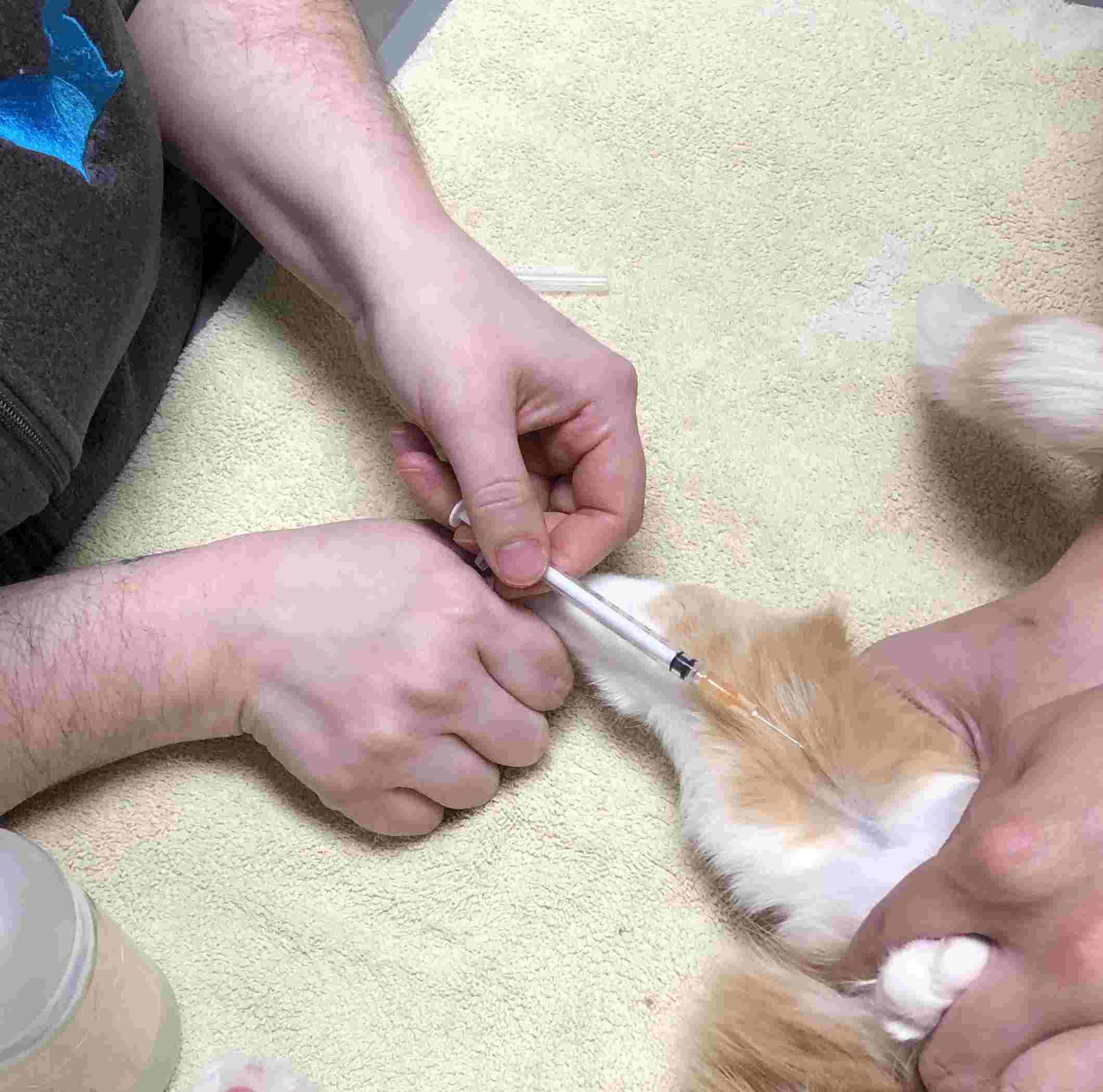
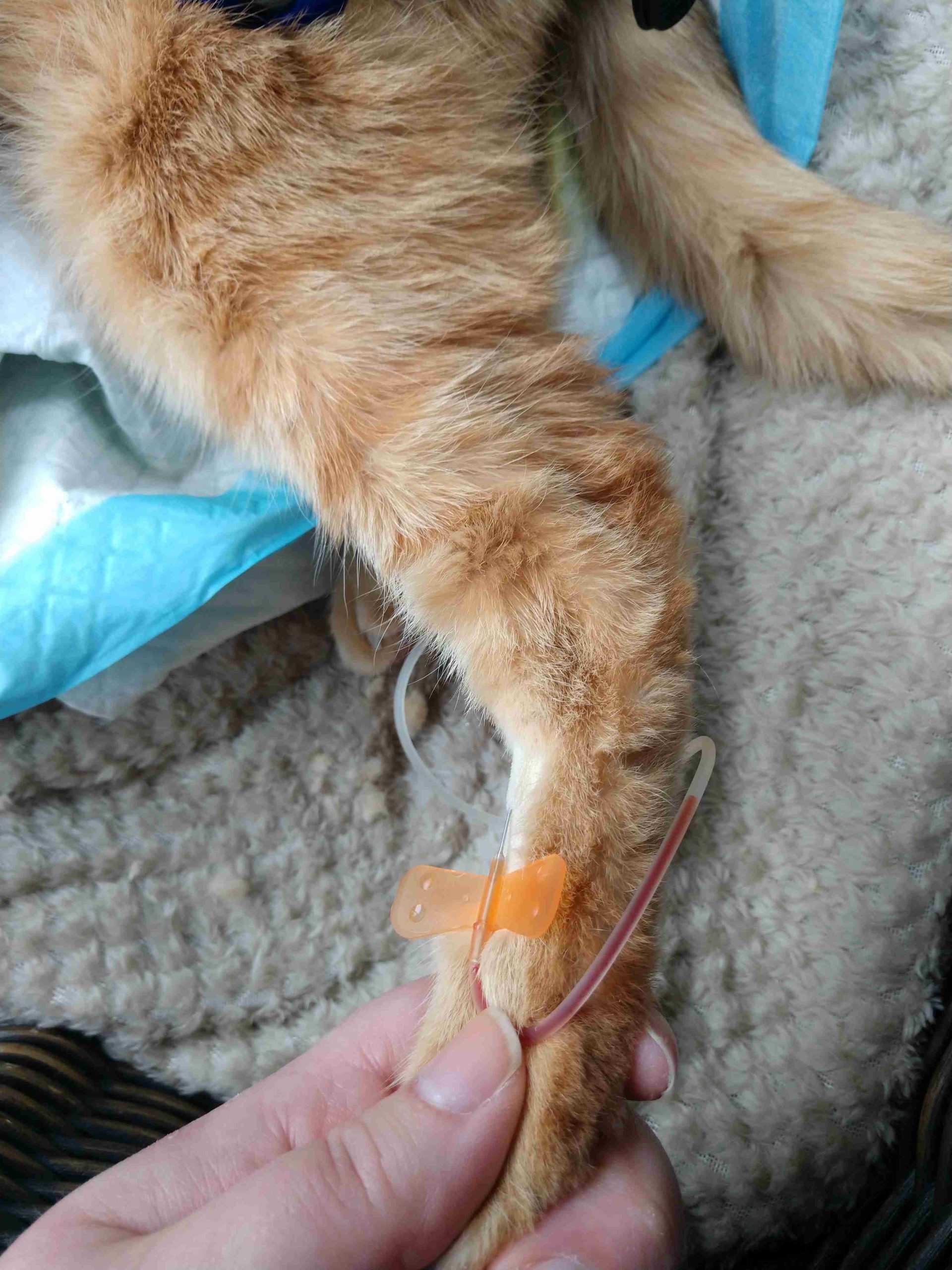
Veterinarians use a drug called pentobarbital to euthanize cats. This drug is injected into the cat’s vein. It acts quickly, ensuring a peaceful and painless passing.
The process of euthanasia for cats is a deeply emotional experience for pet owners. Understanding each step can provide some peace of mind during a difficult time. It helps to know what to expect and how to prepare for this final act of love.Pre-euthanasia Consultation
Before the procedure, your veterinarian will conduct a thorough consultation. They’ll discuss your cat’s condition and the options available. This is your chance to ask questions and express any concerns you have. Being informed can ease your worries. Your vet is there to guide you through this process. They’ll provide support and compassion, ensuring your cat’s comfort is prioritized.Sedation Phase
Sedation is the first step in the euthanasia process. A mild sedative is given to help your cat relax and feel calm. This ensures that your pet experiences no stress or anxiety. Your cat may become sleepy or lightly doze off. It’s comforting to know they are not in pain. Many owners choose to hold their cat during this time, offering love and reassurance.Administration Of Euthanasia Drugs
Once your cat is sedated, the vet will administer the euthanasia drug. Typically, this is an injection of a barbiturate, which works quickly to stop the heart. The process is swift and painless. You’ll notice your cat drifting into a deep sleep. This is a peaceful transition, and you can remain with your pet throughout. It’s a moment to say goodbye, filled with love and gentle farewells. The decision to euthanize a beloved pet is never easy. Understanding the process can make it a little less daunting. How do you plan to support yourself and your family during this time?
Credit: pawsandmorevet.com.au
Emotional Support
Emotional support plays a crucial role during a pet’s final moments. Euthanizing a beloved cat is heart-wrenching for owners. Vets aim to provide compassion and understanding throughout this tough process. They know how important it is to support both the pet and its owner emotionally.
Supporting The Pet Owner
Vets offer comfort by explaining the process clearly. They answer questions patiently, alleviating fears and concerns. Some clinics have cozy rooms for privacy and peace. Owners find solace in knowing their pet isn’t suffering. Vets may suggest bringing a comforting item, like a blanket or toy.
Coping Strategies
Grieving is a personal journey. Vets can provide guidance on coping with loss. They often recommend support groups or counseling services. Sharing feelings with others helps many owners heal. Journaling about memories can also be therapeutic.
Taking time to honor your cat’s life is important. Create a memory box or photo album. Plant a tree or flower as a living tribute. These acts offer closure and keep your pet’s spirit alive.
Aftercare Options
Vets use a drug called pentobarbital to euthanize cats. It is fast-acting and painless, ensuring a peaceful passing. Aftercare options include burial, cremation, or memorial services, providing comfort during a difficult time.
When faced with the heart-wrenching decision to euthanize a beloved cat, many pet owners find comfort in knowing there are thoughtful aftercare options available. These choices can help you honor your pet’s memory and provide a sense of closure. Whether you’re considering traditional cremation or planning a personalized memorial, understanding your options can guide you through this difficult time.Pet Cremation
Pet cremation is a popular choice for many families. It allows you to keep a physical reminder of your pet close. You can choose between private or communal cremation. In a private cremation, your cat is cremated individually, and you receive their ashes. This can be comforting if you wish to keep them in a special urn at home or scatter them in a meaningful place. Communal cremation, on the other hand, means your pet is cremated with other animals, and you don’t receive their ashes. It’s often a more economical option but still dignified. Consider what feels right for you and your family. Does having your pet’s ashes in a special urn provide solace? Or would a communal service suffice?Memorial Services
Creating a memorial for your cat can be a healing process. It allows you to celebrate their life and the joy they brought into your home. Some families host small gatherings to share memories and stories, giving everyone a chance to say goodbye. You might light candles, play music, or display photos of your cat. Others opt for planting a tree or flower in their garden as a lasting tribute. This living memorial can be a beautiful reminder of your pet’s presence. Reflect on what kind of service would best honor your cat’s spirit. Would a gathering with friends and family feel right? Or perhaps a quiet ceremony in your backyard? Ultimately, the aftercare choice is personal and should resonate with your family’s values and emotions. What matters most is finding a way to keep your cat’s memory alive in a way that comforts you.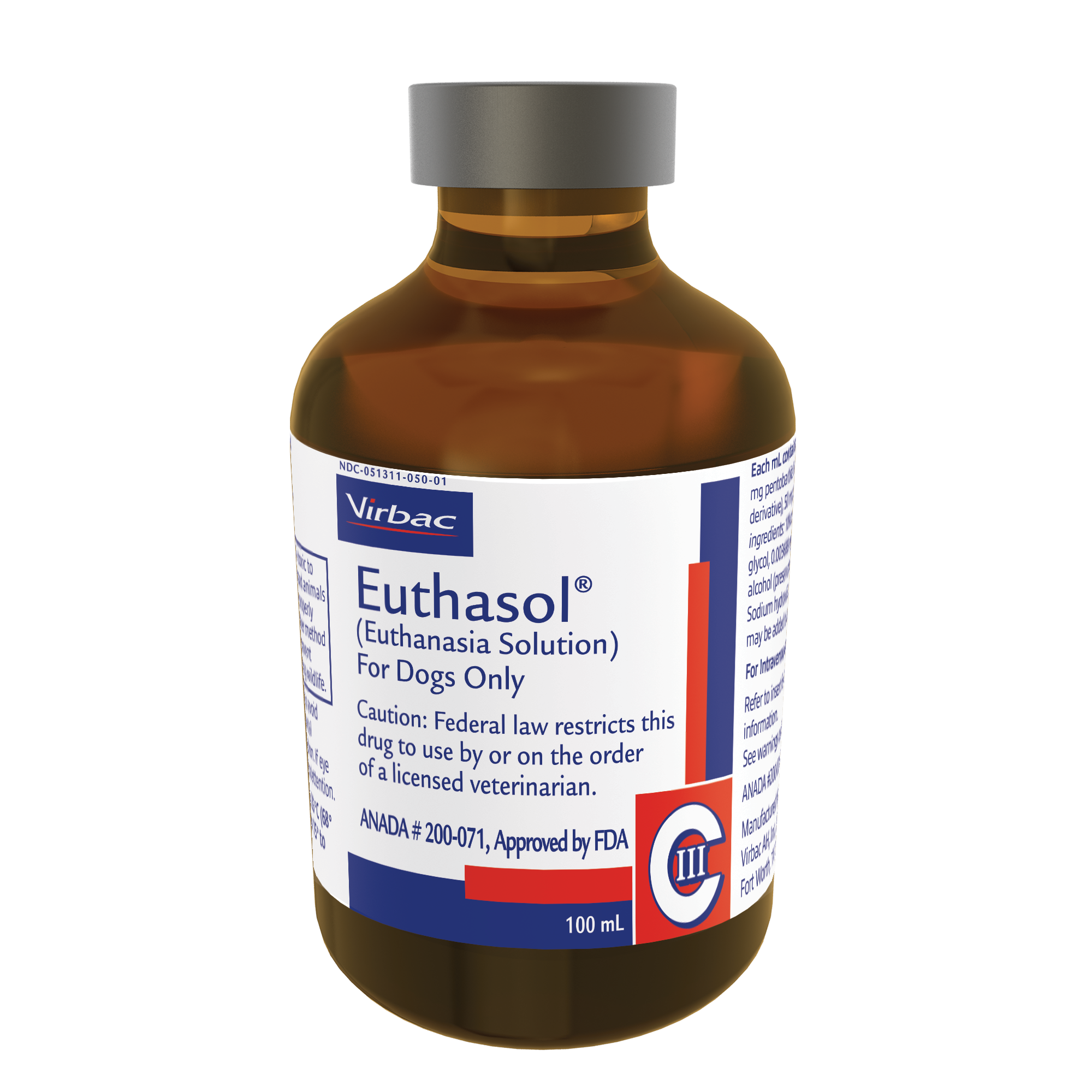
Credit: vet-us.virbac.com
Frequently Asked Questions
What Meds Do Vets Use To Euthanize Cats?
Vets often use pentobarbital to euthanize cats. It’s a barbiturate that induces deep sleep and painless death. The process is quick, minimizing distress for the cat. Euthanasia is performed compassionately, ensuring the cat’s comfort during its final moments. Vets follow strict protocols to ensure a peaceful passing.
Does A Cat Feel Pain When Being Euthanized?
Cats feel minimal pain during euthanasia. Veterinarians administer an injection that causes unconsciousness first. This painless step ensures comfort. The final injection leads to a peaceful passing. Euthanasia prioritizes the cat’s wellbeing, offering a humane end to suffering.
What Is The Best Method Of Euthanasia For Cats?
The best method for cat euthanasia is an intravenous injection by a veterinarian. This ensures a peaceful and painless passing. Always consult a professional to discuss options and ensure your pet’s comfort.
Do Cats Know They Will Be Euthanized?
Cats do not understand they will be euthanized. They sense their owner’s emotions and changes in routine. Comforting them with love and care can help alleviate stress during difficult times.
Conclusion
Euthanizing a cat is a tough choice for pet owners. Vets use humane methods to ensure a peaceful process. Pentobarbital is the most common drug used. It helps the cat pass away without pain or distress. Always talk with your vet about your concerns.
They can guide you with compassion and understanding. Remember, it’s about your cat’s comfort and dignity. Making this decision shows love and care for your pet. It’s a part of responsible pet ownership. Trust your vet to provide the best care during this emotional time.