Why Do Cats Purr When You Pet Them: Unravel the Mystery
Have you ever wondered why your cat purrs when you pet them? It’s a sound that instantly warms your heart and makes you feel connected to your furry friend.
But, what’s really going on when your cat starts purring? Is it simply a sign of happiness, or is there more beneath the surface? Imagine this: you’re gently stroking your cat, and suddenly, the soothing rhythm of purring fills the room.
You’re not just hearing a sound; you’re experiencing a moment of pure bliss. This is no accident. Your cat’s purr is a powerful tool designed to captivate you and deepen your bond. Get ready to uncover the secrets behind this fascinating feline behavior. You’ll discover why purring is more than just a cute sound. It’s a remarkable communication method that plays a crucial role in your cat’s life—and yours. Keep reading to transform the way you perceive your pet’s enchanting purrs.
The Science Behind Purring
Cats are mysterious creatures. Their purring is one of their most intriguing features. Why do they purr when you pet them? The science behind this soothing sound is fascinating. It involves complex physiological and neurological processes. Understanding these can deepen your bond with your feline friend.
Physiology Of Purring
The act of purring begins in a cat’s laryngeal muscles. These muscles twitch at a rapid rate. This twitching happens 25 to 150 times per second. The rapid movement causes the vocal cords to separate. As the cat breathes, air hits the cords. This produces the familiar rumbling sound.
The diaphragm also plays a role. It helps push air through the vocal cords. This enhances the purring effect. The entire process is both involuntary and voluntary. Cats can control when they purr, but it happens naturally too.
Brain Mechanisms Involved
Purring isn’t just a physical action. It involves complex brain mechanisms. The brain sends signals to the laryngeal muscles. These signals cause the muscles to twitch. This communication happens through a neural oscillator. This oscillator is located in the cat’s brain.
Researchers believe purring is linked to emotions. The brain releases endorphins when cats purr. These chemicals make them feel good. Purring can also indicate contentment and relaxation. It’s a cat’s way of showing happiness.
Purring might serve a healing purpose. Vibrations from purring can promote tissue regeneration. This could explain why cats purr when injured or stressed. Their brain triggers purring as a self-healing mechanism.
Emotional Signals
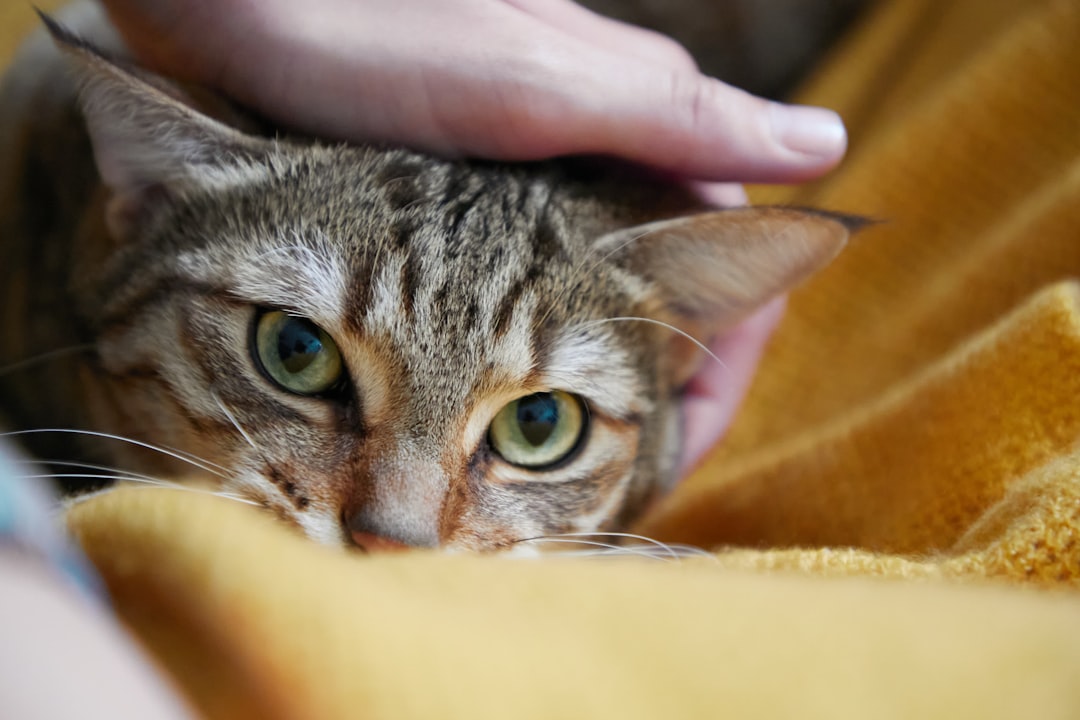
Cats purr as a comforting response when petted. This soothing sound signals contentment and trust. It’s their way of expressing happiness and bonding with humans.
Cats communicate through various sounds and gestures. One of the most intriguing signals is purring. When a cat purrs, it often indicates an emotional state. Understanding these signals enriches the bond between you and your feline friend. Let’s dive into the emotional signals behind a cat’s purr.Expression Of Contentment
Cats purr to show happiness. A gentle stroke can trigger this soothing sound. It’s a sign they feel safe and relaxed. Many cats purr when they curl up for a nap. This suggests they are content and at ease. When your cat purrs during petting, it’s expressing pleasure. This sound conveys satisfaction and joy.Stress Relief And Comfort
Purring serves as a stress reliever for cats. It helps them calm down in tense situations. The rhythmic vibrations create a soothing effect. This natural mechanism provides comfort to cats. When facing discomfort, cats may purr to self-soothe. It’s their way to cope with stress or anxiety. This calming behavior is beneficial for their well-being.Communication With Humans
Cats have a fascinating way of communicating with humans, and purring is one of their most intriguing methods. You might wonder why your feline friend starts purring when you pet them. Is it simply a sign of pleasure, or is there something more? Understanding the reasons behind this behavior can deepen your bond with your cat and enhance your interactions.
Bonding And Trust
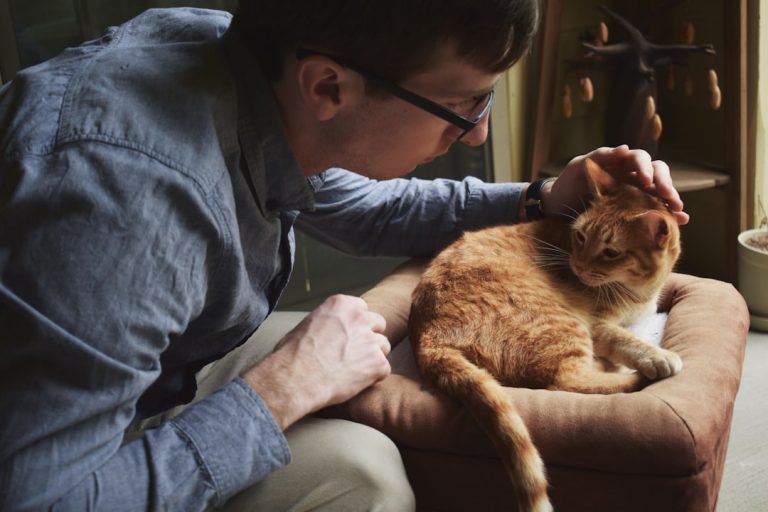
When your cat purrs while you pet them, it’s often a sign of bonding and trust. This soothing sound can mean that your cat feels safe and secure with you. It’s their way of expressing affection and contentment.
Imagine your cat curling up on your lap, purring softly. It’s a moment of connection, a silent promise of trust. This behavior indicates a strong bond, one that’s nurtured through consistent care and love.
Do you notice your cat purring more when you’re calm? Cats are sensitive to your emotions, and your peaceful demeanor can encourage them to express their comfort through purring. It’s a two-way street of trust and affection.
Attention Seeking Behavior
Sometimes, purring is your cat’s way of seeking attention. Cats are clever creatures; they know that purring often prompts you to pet them more or give them treats. It’s their subtle method of getting what they want.
Have you ever noticed your cat purring loudly when you’re busy? They might be trying to grab your attention, asking for some playtime or even a snack. This behavior shows their intelligence and understanding of how to communicate with you.
Think about how you respond when your cat purrs for attention. Do you indulge them with extra petting or treats? Your response reinforces their behavior, creating a cycle of interaction that strengthens your bond.
Understanding why your cat purrs when you pet them can enhance your relationship. It’s not just a sound; it’s a form of communication, a bridge between your world and theirs. So, next time your cat purrs, consider what they’re trying to tell you and respond with love and care.

Credit: www.massapequapost.com
Variations In Purring
Cats purr differently. Each has its unique sound. This variation can depend on several factors. Breed, mood, and health play a role. Understanding these differences can deepen your bond. It offers insights into your cat’s feelings.
Different Purring Sounds
Not all purrs sound alike. Some are loud, others soft. A cat may purr like a motor. Another may purr like a gentle hum. This diversity fascinates cat lovers. Listen closely to your cat’s purr. It might tell you something new.
Breed-specific Purring Traits
Some breeds have distinct purrs. Siamese cats have a unique purr. Persian cats purr differently too. Each breed has its signature sound. These traits make each breed special. They add charm to your feline friend.
Purring Beyond Petting
Have you ever wondered why your cat purrs even when you’re not petting them? While purring is often associated with the pleasure of being stroked, there’s more to this soothing sound than just a simple reaction to affection. Cats purr for various reasons, some of which might surprise you. Let’s dive into the fascinating world of purring beyond petting.
Self-soothing Mechanism
Cats often purr to calm themselves down. It’s not always about expressing happiness; sometimes it’s a way to cope with stress or discomfort. Think of it as their own built-in stress relief. If you’ve ever noticed your cat purring during a vet visit, it might be their way of self-soothing in an unfamiliar environment.
This self-soothing capability is a testament to their resilience. Next time you hear your cat purring, consider what might be happening in their environment. Are they feeling anxious? Are they in need of reassurance? Understanding this can help you become a more empathetic pet owner.
Healing Properties
Did you know purring has healing benefits? The vibrations from a cat’s purr have been found to promote healing, especially in bones and tissues. It’s like a natural recovery tool for them. Some experts believe that these vibrations help reduce pain and inflammation.
Imagine your cat utilizing their purrs as a personal health regimen. When your cat purrs while resting, it could be aiding their recovery from minor injuries. This insight not only highlights the complexity of cats but also suggests that purring has a purpose beyond mere communication.
So, what do you think about the multifaceted nature of cat purring? Next time your feline friend starts purring, take a moment to appreciate the mystery and science behind it. Could there be more to learn from our furry companions than meets the eye?
Credit: www.banfield.com
Myths And Misconceptions
Cats purr for various reasons, often showing contentment or seeking comfort. Some believe purring signals relaxation, yet it can also indicate stress or illness. Understanding this behavior helps build a stronger bond with your feline friend.
When you hear the soothing purr of a cat, it might feel like a gentle thank you for your attention. But why do cats purr when you pet them? There are many myths and misconceptions surrounding this curious feline behavior. Some people might even tell you tall tales that sound more like folklore than fact. Let’s dive into the most common myths and see what science has to say.Common Misbeliefs
Many believe cats purr solely as a sign of happiness. While it’s true that a content cat often purrs, it’s not the only reason. Some think that all purring is positive, but cats also purr when they’re injured or stressed. Have you ever heard the myth that cats purr to manipulate humans? This idea suggests cats have figured out how to pull at our heartstrings to get what they want. While cats are smart, this notion might be giving them a bit too much credit.Scientific Clarifications
Science tells us that purring is a complex behavior with multiple triggers. Cats purr using the muscles within their larynx and diaphragm, a process that requires a lot of energy. This means purring can serve various purposes beyond just expressing contentment. Purring might also have a self-healing function. Frequencies between 25 and 150 Hertz are known to promote tissue regeneration. This could explain why cats purr when they’re injured or feeling unwell. When you pet your cat, the purring might be a mix of comfort and communication. Cats could be using purring to bond with you, similar to how they did with their mother as kittens. Next time you hear that gentle rumble, consider the many reasons behind it. Is your cat simply happy, or is there more to the story? Understanding these nuances can deepen your connection with your furry friend.
Credit: www.dutch.com
Frequently Asked Questions
Is It Good When A Cat Purrs When You Pet Them?
A cat purring while you pet them typically indicates they feel happy and content. Purring is a sign of relaxation and trust. Cats often purr when they feel safe and loved. Remember, each cat is unique, and their purring might have different meanings.
Always observe their body language for a clearer understanding.
Why Does My Cat Start Purring When I Touch Him?
Cats often purr when touched because they feel happy and secure. This soothing sound can signal contentment. Touching activates their pleasure centers, creating a bond between you and your pet. Purring may also promote healing and relaxation, making your cat feel comfortable and loved.
Are Cats Really Happy When They Purr?
Cats often purr when they’re content, but they can also purr when stressed or in pain. Purring serves multiple purposes, including self-soothing and communication. Observing other body language signs can help determine if a cat is truly happy. Always consider the overall behavior for a better understanding.
Do Cats Know We Love Them?
Cats sense love through your actions and care. They recognize affection in petting, feeding, and attention. Cats may show love back by purring, rubbing, or sitting close. Building trust and a bond helps them understand your love. Cats have their unique ways of reciprocating affection.
Conclusion
Cats purr for many reasons. It often signals contentment when petted. They feel safe and loved. Purring also helps them relax. It can even heal. Understanding these sounds strengthens your bond. Next time you pet your cat, notice the purr.
It’s their way of communicating with you. Each purr holds a unique message. Sometimes comfort. Sometimes happiness. Other times, healing. By knowing this, you connect deeper with your furry friend. Enjoy these special moments. They are a beautiful part of sharing life with a cat.
Purring is more than just a sound. It’s a sign of trust.