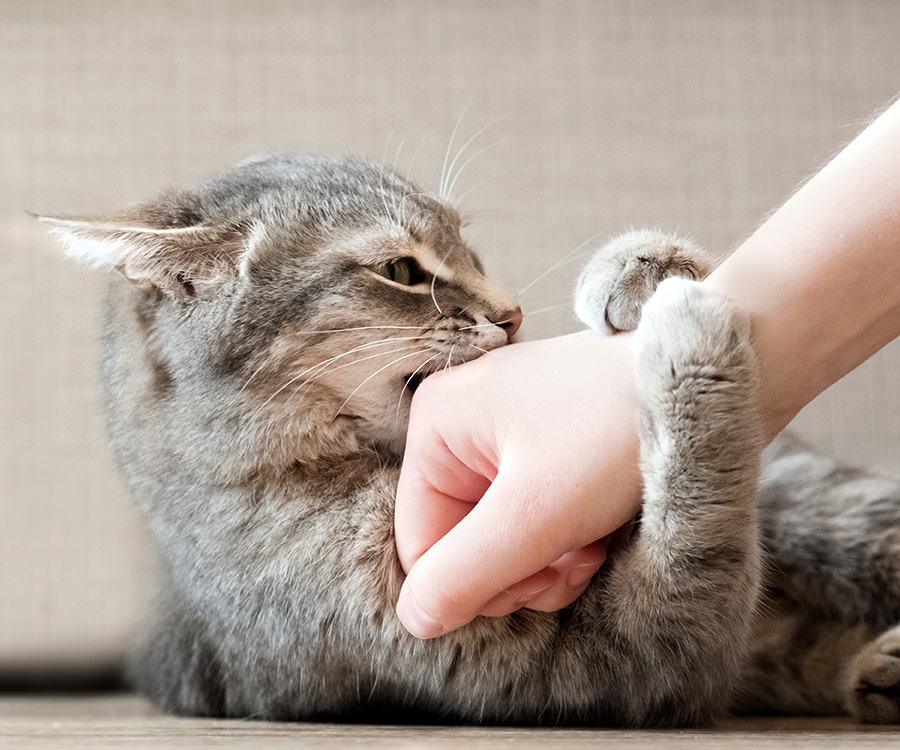
Why Do Cats Bite You When You Pet Them: Unveiling Secrets
Have you ever been happily petting your cat when, out of the blue, it bites you? You’re not alone.
Many cat owners find themselves puzzled by this behavior. You might even wonder if your feline friend is upset with you or if there’s something wrong. Understanding why cats bite when you pet them can strengthen your bond and make your interactions more enjoyable.
This article will uncover the reasons behind this curious behavior, offering insights that might surprise you. So, if you want to improve your relationship with your furry companion and ensure your petting sessions are a purr-fect experience, keep reading.

Credit: www.ranchovillagevet.com
Common Reasons For Cat Biting
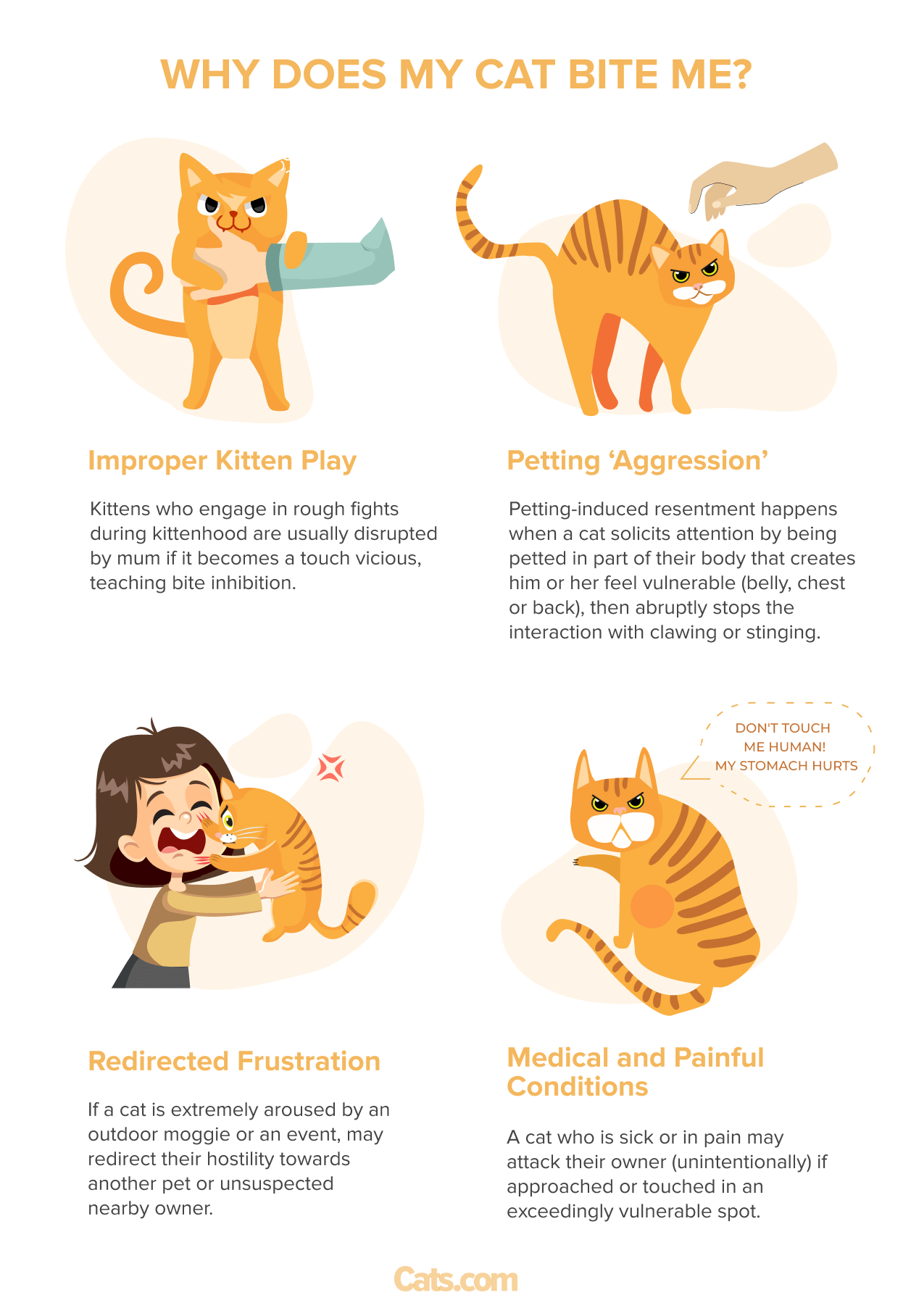
Cats might bite during petting due to overstimulation or sensitive spots being touched. They could also be expressing discomfort or asserting boundaries. Understanding their body language helps prevent these bites.
Cats biting during petting can puzzle many owners. It’s a common behavior with several reasons behind it. Understanding these reasons can help you respond better. Let’s explore some common causes of cat biting.Overstimulation
Cats can get overstimulated during petting. Repeated petting in one spot can irritate them. This irritation can lead to sudden biting. Watch for signs like tail flicking or flattened ears. These are warnings your cat might bite soon. It’s their way of saying, “I’ve had enough.”Playful Behavior
Cats often bite playfully. This behavior mimics their hunting instincts. Young cats especially see hands as toys. They might nip to engage in play. Providing toys can redirect this behavior. It gives them a proper outlet for their playful energy.Fear Or Anxiety
Fear can make cats bite. A sudden noise or movement might startle them. They bite out of fear or anxiety. New environments or strangers can also trigger this. Creating a calm space helps reduce their anxiety. Let them approach you on their terms.Understanding Cat Communication
Understanding your cat’s communication style is crucial for a harmonious relationship. Cats have unique ways of expressing themselves. They use a combination of body language and vocal cues. By learning these signals, you can better understand why your cat might bite during petting. It helps in building trust and ensuring a loving bond.
Body Language Signals
Cats communicate a lot through their bodies. A flicking tail can signal agitation. A slow blink often means relaxation or affection. If your cat’s ears are flat, they’re likely stressed or annoyed. Watch their posture. A hunched back or puffed-up fur indicates fear or aggression. Even the position of their whiskers can tell you something. Forward whiskers show curiosity; backward whiskers suggest fear.
Vocal Cues
Pay attention to the sounds your cat makes. Purring usually signals contentment, but not always. Some cats purr when anxious or in pain. A hiss or growl indicates they want space. Short, sharp meows can mean they’re annoyed or want you to stop. On the other hand, a long, drawn-out meow might be a plea for attention.
The Role Of Past Experiences
Understanding why cats bite during petting can be quite the puzzle. One crucial factor to consider is their past experiences. Cats, like humans, are shaped by their pasts. If you’ve ever wondered why your feline friend suddenly switches from purring to nipping, it’s time to delve into their history.
Previous Trauma
Cats may bite due to previous trauma. If a cat has experienced rough handling or has been hurt while being petted, it might associate petting with discomfort or fear. This can lead to defensive biting.
Imagine a cat that was mistreated before coming to your home. It’s not uncommon for such a cat to react negatively to touch. You might think you’re showing affection, but the cat could be recalling those painful memories.
Being aware of this can help you approach your cat with more patience. Slow, gentle movements may reassure them that they are safe. Have you ever tried changing your petting style to accommodate your cat’s comfort?
Socialization History
Socialization plays a vital role in a cat’s behavior. Cats that weren’t socialized properly as kittens might struggle with being petted. They may not know how to handle human touch, leading to biting as a way to cope.
A cat raised in isolation might not be familiar with human interaction. This unfamiliarity can cause anxiety, making them defensive when approached. Are you helping your cat become more comfortable with touch?
Consider gradually introducing your cat to gentle petting sessions. Over time, they may learn to associate your touch with positive experiences. Have you noticed any changes in your cat’s behavior when you adjust your approach?
Understanding your cat’s past experiences can dramatically improve your relationship with them. By recognizing potential traumas and socialization gaps, you can tailor your interactions to be more comforting and enjoyable for your furry friend.
Credit: www.wb-iisg.com
How To Prevent Cat Biting
Understanding why cats bite when you pet them is crucial for maintaining a harmonious relationship with your feline friend. While their biting behavior may seem unpredictable, it often stems from overstimulation or discomfort. Learning how to prevent cat biting not only keeps your hands safe but also ensures that your cat feels secure and happy in your home. Let’s dive into some practical strategies to prevent those unexpected nibbles.
Recognizing Warning Signs
Before a cat bites, there are usually clear indicators of discomfort or overstimulation. Watch for tail twitching, ears flattening, or sudden vocalizations. These signs suggest that your cat has had enough interaction.
Pay attention to your cat’s body language during petting sessions. If you notice any warning signs, give them space and time to relax. This approach helps you respect their boundaries.
Think about the times your cat has bitten you before. Were there any visible signs you missed? Reflecting on past experiences can help you recognize patterns and prevent future incidents.
Creating A Safe Environment
A comfortable and secure environment can reduce stress and biting tendencies in cats. Ensure they have access to quiet spaces where they can retreat when feeling overwhelmed.
Provide toys and scratching posts to keep your cat entertained and mentally stimulated. This reduces the likelihood of them using you as a plaything.
Consider the layout of your home. Is there enough room for your cat to roam freely and escape stressful situations? Adjusting their environment can make a big difference.
Positive Reinforcement Techniques
Rewarding good behavior encourages cats to act appropriately. Use treats or praise when your cat responds positively to petting without biting.
Teach your cat that gentle interactions are more rewarding than biting. This helps them associate petting with positive outcomes.
Remember the last time your cat calmly enjoyed your affection? Reinforcing such behavior with rewards can build a habit of gentle interactions.
Are you ready to transform your petting sessions into moments of joy rather than fear? Implementing these strategies can lead to a more trusting and enjoyable relationship with your cat. How will you make your cat feel safe and loved today?
Training And Behavioral Strategies
Cats might bite while being petted due to overstimulation or discomfort. Recognizing subtle cues can prevent bites. Training helps improve interaction and understanding between you and your feline friend.
Cats can be mysterious creatures, especially when they bite during petting. Understanding their behavior helps create a harmonious relationship. Training and behavioral strategies play a crucial role. They address the underlying causes of biting. These methods aim to improve interaction and reduce unwanted behavior.Desensitization Techniques
Desensitization involves gradually exposing your cat to gentle petting. Start with short sessions. Increase the duration slowly. Watch your cat’s body language. Stop if your cat shows signs of discomfort. This process helps the cat become accustomed to touch. Use treats to reward calm behavior. Positive reinforcement encourages acceptance. Consistency is key. Practice these techniques regularly.Interactive Play Tips
Interactive play can redirect biting behavior. Use toys to engage your cat. Wand toys and balls work well. They keep the cat’s focus away from your hands. Play sessions should be frequent. This helps expend energy and reduces aggression. Introduce variety in toys. Rotate them weekly. Cats enjoy the novelty. Ensure playtime is safe. Avoid toys with small parts. Supervise to prevent accidents.When To Seek Professional Help
Sometimes cats bite during petting due to overstimulation or stress. If biting becomes frequent, consult a vet or animal behaviorist. Professional help can address underlying health issues or anxiety contributing to aggressive behavior.
When to Seek Professional Help Have you ever been caught off guard when your cat suddenly bites you during a petting session? It’s not uncommon for cat owners to experience this behavior. But how do you know when it’s time to seek professional help? Understanding the difference between normal cat behavior and signs that something might be wrong can make a world of difference for both you and your feline friend.Identifying Persistent Issues
If your cat’s biting is persistent and seems to happen every time you pet them, it might be an indication of an underlying issue. Consider whether there are other behavioral changes, like avoiding being touched altogether or hiding more than usual. Have you noticed if your cat bites only when you touch a specific area? This could be a sign of pain or discomfort, possibly hinting at a medical issue that needs attention. Sometimes, cats bite due to stress or anxiety. Has there been any recent change in your home environment, such as new pets, furniture rearrangements, or changes in routine? These might be affecting your cat’s behavior.Consulting A Veterinarian
If you suspect that your cat’s biting is linked to pain or health issues, it’s a good idea to consult a veterinarian. They can perform a physical examination to rule out or confirm any medical problems. During the vet visit, share any observations about when and how the biting occurs. This information can help the vet make a more accurate diagnosis. Sometimes, the solution might be as simple as a change in diet or medication. Other times, it may involve a more in-depth treatment plan. A veterinarian can guide you in taking the appropriate steps for your cat’s health. Remember, you are not alone in dealing with this behavior. Many cat owners have been in your shoes and found solutions by seeking professional advice. Is your cat trying to tell you something with their bites? Taking action can lead to a happier, healthier relationship with your furry companion.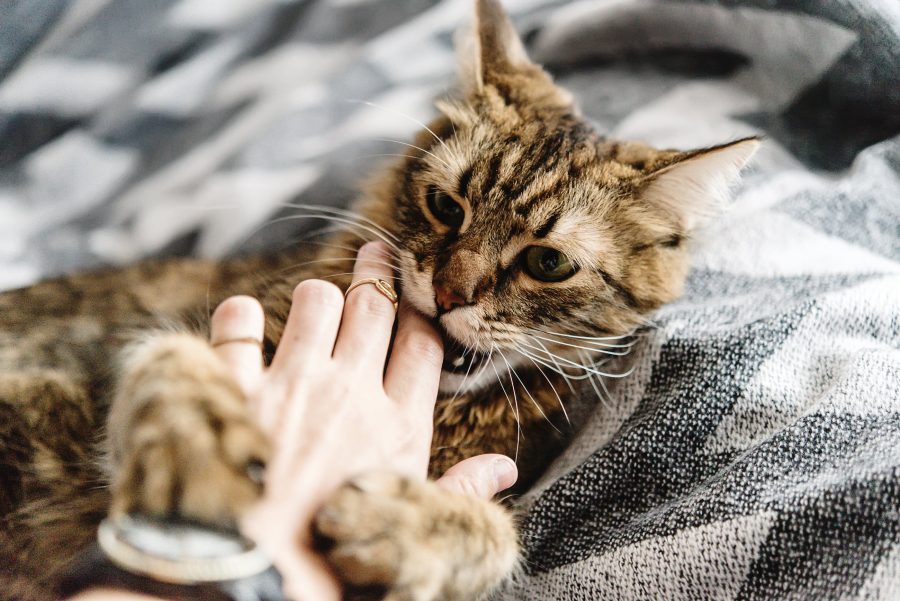
Credit: www.kippy.eu
Frequently Asked Questions
Why Does My Cat Want Me To Pet Her But Then Bites Me?
Cats may bite after petting due to overstimulation. They enjoy affection but can become overwhelmed quickly. Watch for signs like tail twitching or ears flattening to prevent biting. Understanding your cat’s boundaries can improve your relationship.
Why Do Cats Bite During Petting?
Cats may bite during petting due to overstimulation or sensitivity. Some areas might be more sensitive than others. Recognizing body language can help prevent bites. Cats may also bite to communicate discomfort or the need for space. It’s essential to respect their boundaries and understand their cues.
Is Biting A Sign Of Affection In Cats?
Biting can sometimes be a sign of affection. Cats might nibble gently to show love or playfulness. However, not all bites are affectionate. It’s crucial to distinguish between gentle love bites and aggressive bites. Observing their behavior and body language can provide better insights into their intentions.
How Can I Prevent My Cat From Biting?
Preventing cat bites involves understanding their triggers. Pay attention to their body language for signs of overstimulation. Avoid petting sensitive areas, and provide interactive toys to redirect their energy. Establish a routine to help them feel secure. Respect their boundaries and give them space when needed.
Conclusion
Understanding why cats bite during petting can improve your relationship. Cats bite for many reasons. Overstimulation, playfulness, or expressing discomfort. Knowing these can help you respond better. Pay attention to their body language. Avoid petting sensitive areas. Give them space when needed.
This builds trust and strengthens bonds. Remember, each cat is unique. What works for one may not work for another. Patience is key. Enjoy the playful moments with your furry friend. Appreciate their quirks. With time, biting can decrease, leading to happier interactions.
Keep learning about your cat’s behavior. It makes a difference.