What Cat Food is Best for Cats With Kidney Problems: Expert Guide
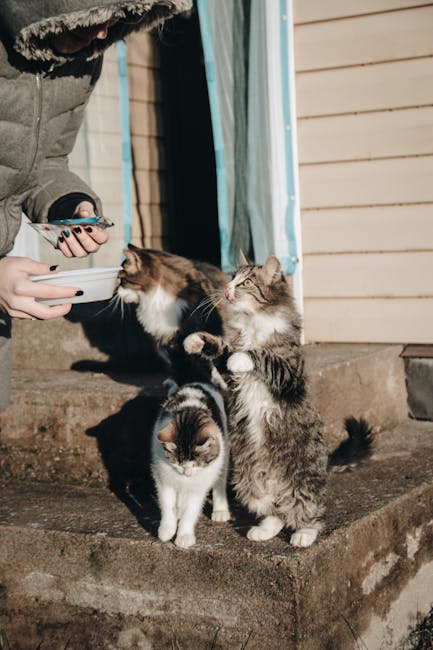
Are you worried about your cat’s health because of kidney problems? You’re not alone.
Many cat owners face the same concerns. Finding the right food is crucial for your feline friend’s well-being and can make a significant difference in their quality of life. But with so many options available, how do you choose the best one?
We’re diving deep into what cat food is best for cats with kidney problems. We’ll guide you through the must-know facts, expert tips, and trusted recommendations. By the end, you’ll feel confident in making the best choice for your furry companion. Stick around; your cat’s health could depend on it.
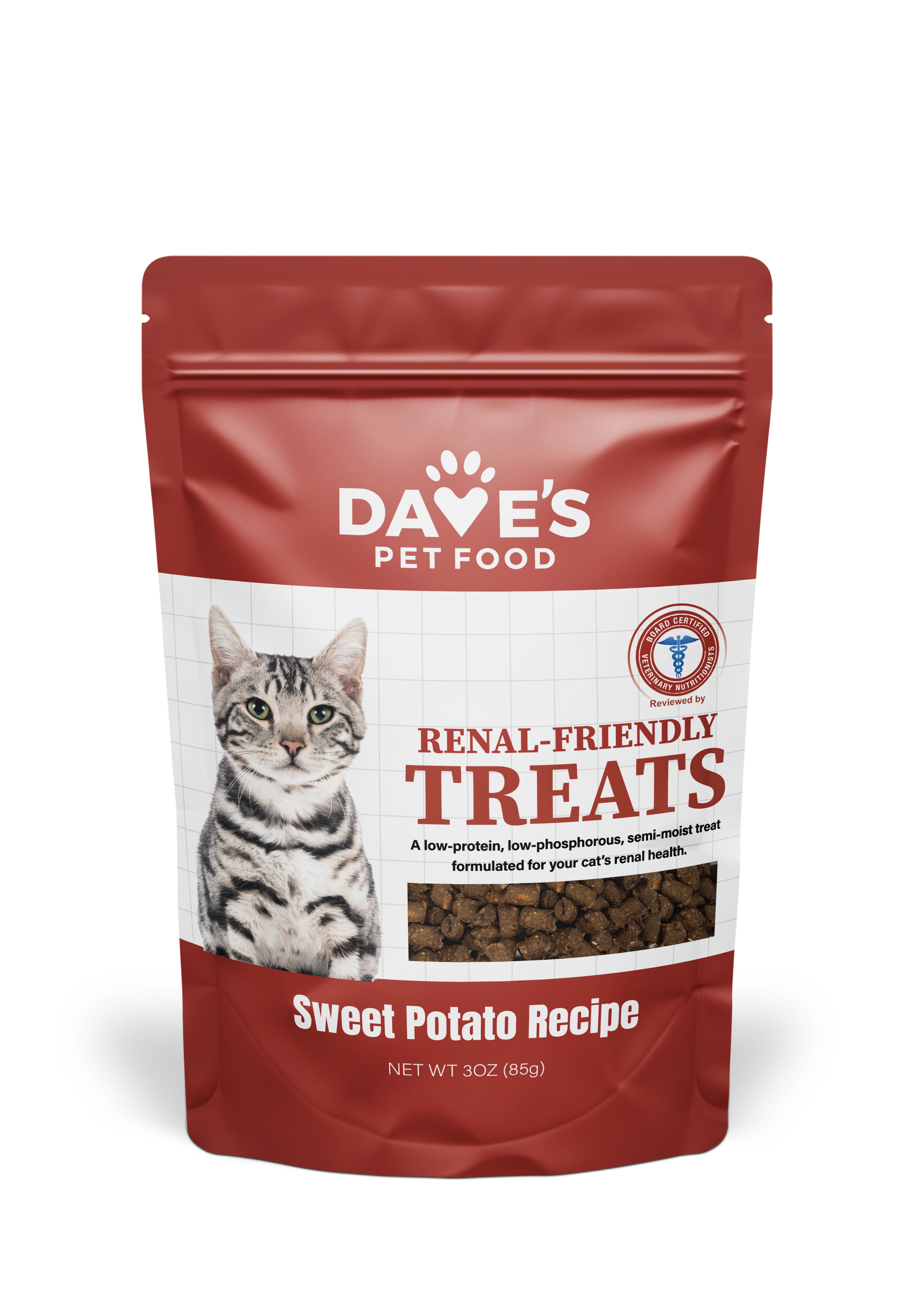
Credit: davespetfood.com
Understanding Kidney Problems In Cats
Cats often face kidney problems as they age. These issues can affect their health significantly. Understanding the symptoms and causes is crucial for care.
Kidney problems can lead to serious health issues. Early detection and proper diet can help manage these problems.
Common Symptoms
Watch for increased thirst in your cat. Frequent urination is another sign. Cats may also lose weight unexpectedly. Lethargy and vomiting can occur as well. Bad breath or mouth ulcers might develop. Pay attention to these changes.
Causes And Risk Factors
Old age is a primary risk factor for kidney issues. Infections or toxins can also damage kidneys. High blood pressure is another contributing factor. Some breeds are more prone to kidney problems. Genetics play a role in this vulnerability. Regular vet check-ups can help catch issues early.

Credit: www.hillspet.com
Nutritional Needs For Cats With Kidney Issues
Understanding the nutritional needs of cats with kidney problems is crucial for their well-being. Cats suffering from kidney issues require a special diet to help manage their condition and improve their quality of life. Tailoring your cat’s diet to meet these specific needs can make a significant difference in their health and comfort.
Importance Of Low Phosphorus
Phosphorus levels can be a hidden enemy for cats with kidney issues. Lowering phosphorus intake is vital, as high levels can accelerate kidney damage. Look for cat foods specifically labeled as low-phosphorus to help manage your cat’s condition more effectively.
Have you ever noticed how some cat foods proudly display their low-phosphorus content? This is not just a marketing gimmick. It’s essential for cats with kidney problems. Keeping phosphorus low helps slow the progression of kidney disease.
Benefits Of High-quality Protein
Protein is a tricky subject when dealing with kidney issues. It’s about quality, not quantity. High-quality proteins are easier for cats to process, reducing strain on their kidneys.
Consider the difference between a premium cat food and a generic brand. The former often uses better protein sources, which can make a difference in how well your cat feels. By choosing high-quality protein, you’re giving your cat the best chance at maintaining muscle mass and energy levels.
Hydration And Water Intake
Water is life, especially for cats with kidney issues. Ensuring your cat stays hydrated can help support kidney function and overall health. Encourage your cat to drink more water by keeping fresh water readily available and considering wet cat food options.
Have you tried using a water fountain for your cat? Many cats are intrigued by running water, which can encourage them to drink more. Dehydration can worsen kidney problems, so every drop counts. Make sure your cat has access to water at all times.
Reflect on your cat’s eating habits and consider if their food meets these nutritional needs. Could small changes in their diet lead to significant improvements in their health? Taking proactive steps in their nutrition can help your cat live a more comfortable and happy life.
Types Of Cat Food Suitable For Kidney Health
Cats with kidney problems need special diets. The right cat food can help manage their condition. It can prolong their quality of life. Understanding different food types is crucial for their health. Here, we explore various cat food options suitable for kidney health.
Wet Vs. Dry Food
Wet food is often recommended for cats with kidney issues. It has higher moisture content. This helps keep cats hydrated. Hydration is vital for kidney function. Dry food, on the other hand, contains less moisture. It can be convenient and less expensive. But it may not provide enough hydration. Discuss options with your vet. They can suggest the best choice for your cat.
Prescription Diets
Prescription diets are tailored for cats with specific health needs. These diets often contain lower protein levels. They reduce the kidneys’ workload. Phosphorus levels are also controlled. This can slow kidney disease progression. Prescription diets are available through veterinarians. They ensure the right nutrients for your cat’s condition.
Homemade Options
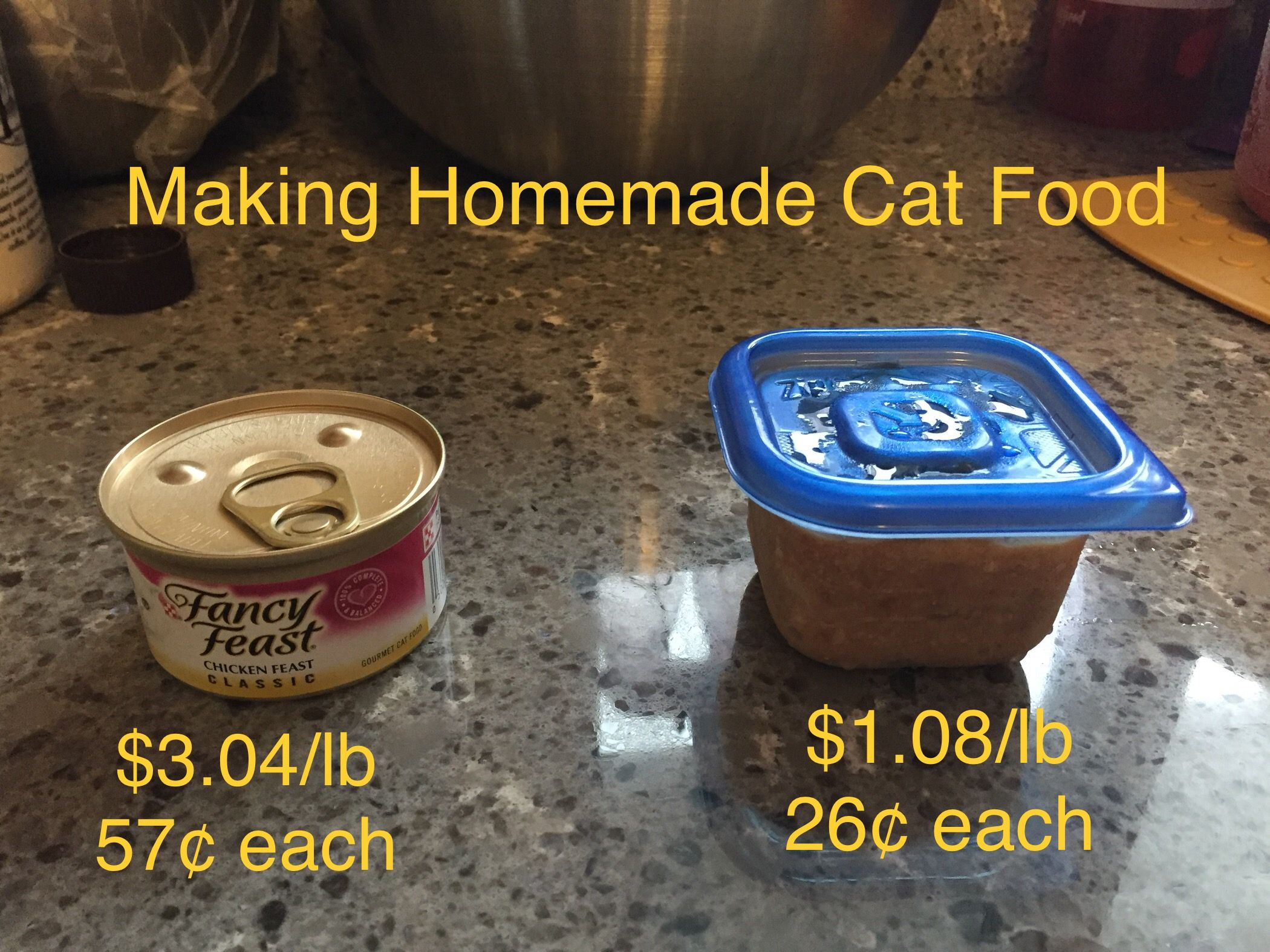
Some owners prefer homemade diets. It offers control over ingredients. You can choose fresh, high-quality components. But creating a balanced diet is challenging. It requires careful planning. Consult a vet or pet nutritionist before starting. They can help design a suitable meal plan. This ensures your cat gets essential nutrients.
Evaluating Commercial Cat Foods
Cats with kidney problems need special care. Choosing the right food is crucial. Commercial cat foods offer many options. Understanding their ingredients helps you make the best choice.
Key Ingredients To Look For
Protein levels should be lower to reduce kidney stress. Look for high-quality proteins. Omega-3 fatty acids can help reduce inflammation. Phosphorus levels must be low to support kidney health. Antioxidants can boost the immune system. Vitamins like B-complex support energy and metabolism. Look for foods with added hydration like wet or canned options.
Brands Recommended By Veterinarians
Veterinarians often suggest Royal Canin Renal Support. Hill’s Prescription Diet k/d is a popular choice. Purina Pro Plan Veterinary Diets also offers kidney support. These brands provide balanced nutrition. They focus on kidney health needs. Consult with a vet for personalized recommendations.
Homemade Diet Considerations
Choosing the right diet for cats with kidney problems is crucial. Homemade diets offer control over ingredients. This helps tailor meals to meet your cat’s needs. Cooking at home allows you to avoid harmful additives. It can improve your cat’s health and comfort.
Balancing Nutrients
A balanced diet is key for kidney health. Protein levels should be moderate. High protein can stress kidneys. Include lean meats like chicken or turkey. Avoid red meats and fish. They can raise phosphorus levels. Phosphorus is hard on kidneys.
Focus on low-phosphorus vegetables. Options include carrots and peas. These are gentle on ailing kidneys. Add omega-3 fatty acids. These support kidney function and reduce inflammation. Use fish oil supplements for these benefits.
Recipes And Preparation Tips
Creating a special diet needs care. Cook chicken or turkey thoroughly. Raw meat can harm cats with weak kidneys. Mix cooked meat with boiled carrots or peas. This adds nutrients without extra phosphorus. Steaming vegetables keeps their vitamins intact.
Include a small amount of rice. Rice is easy to digest and adds calories. Use pumpkin puree as a fiber source. Pumpkin helps digestion and is gentle on kidneys. Avoid using salt in meals. Salt can worsen kidney issues.
Prepare meals in batches. Store them in airtight containers. This saves time and ensures freshness. Monitor your cat’s response to new diets. Adjust recipes based on their reactions.
Consulting With A Veterinarian
Choosing the right food for cats with kidney problems is crucial. A veterinarian can guide you in this process. They provide expertise tailored to your cat’s unique needs. Regular consultations ensure your cat stays healthy and comfortable. Kidney health is complex. Professional advice makes managing it easier.
Regular Check-ups
Regular vet visits are essential for cats with kidney issues. These check-ups monitor your cat’s health closely. Vets can detect changes early. Early detection helps in adjusting treatment plans. Consistent monitoring supports better health outcomes.
Adjusting Diet Based On Health Changes
A cat’s dietary needs may change over time. Kidney health can fluctuate. Vets help adjust the diet based on these changes. They recommend foods that support kidney function. Tailoring the diet ensures your cat’s specific needs are met. This personalized approach is vital for managing kidney problems.
Credit: www.catster.com
Frequently Asked Questions
What Is The Best Food To Feed A Cat With Kidney Problems?
Feed a cat with kidney problems a diet low in phosphorus and protein. Choose high-quality, wet renal-support cat food. Consult your veterinarian for specific dietary recommendations tailored to your cat’s needs. Proper hydration is crucial, so ensure your cat has access to fresh water at all times.
What Not To Feed Your Cat With Kidney Disease?
Avoid feeding high-protein and high-phosphorus foods to cats with kidney disease. Limit salty snacks and processed foods. Choose specialized kidney diets recommended by veterinarians to support kidney health. Always provide fresh water to ensure hydration.
Is Tuna High In Phosphorus For Cats?
Tuna is high in phosphorus, which may not be ideal for cats with kidney issues. Limit tuna intake for healthy phosphorus balance. Consider consulting a vet for dietary advice tailored to your cat’s health needs. Offer a balanced cat food diet to ensure proper nutrition and well-being.
What Is The Life Expectancy Of A Cat With Kidney Disease?
Cats with kidney disease can live several months to a few years. Life expectancy depends on disease progression, treatment, and care. Early diagnosis and proper management improve their lifespan significantly. Regular vet check-ups are essential for monitoring and adjusting treatment plans.
Conclusion
Choosing the right cat food is crucial for kidney health. Cats with kidney problems need special attention. Low-phosphorus and high-moisture foods can help. These foods support kidney function effectively. Always consult your vet for personalized advice. They know your cat’s specific needs best.
Regular check-ups ensure your cat stays healthy. Diet plays a vital role in managing kidney issues. Keep your feline friend happy and healthy with the right food choices. Remember, a balanced diet contributes to a longer life. Your cat deserves the best care possible.

Similar Posts