How to Treat Pink Eye in Cats: Effective Home Remedies
Your beloved feline friend isn’t quite themselves lately. Maybe you’ve noticed them rubbing their eyes more than usual or a concerning redness around their peepers.
It’s possible that your cat has developed pink eye, also known as conjunctivitis. This common eye condition can be uncomfortable for your pet and worrying for you. But don’t fret—understanding how to treat pink eye in cats is easier than you might think.
You’ll discover straightforward steps you can take to help your kitty feel better fast. Stay with us, because ensuring your cat’s health and comfort is just a few paragraphs away.
Credit: thecreeksidevet.com
Identifying Symptoms In Cats
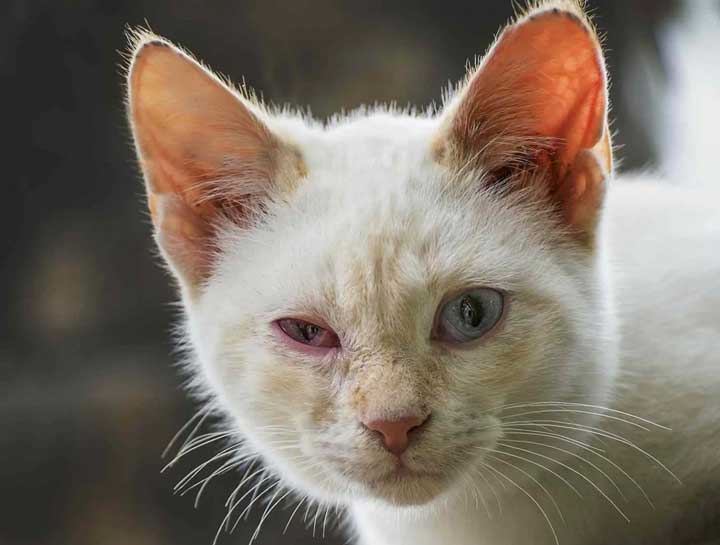
Spotting pink eye in cats involves noticing red, swollen eyes and frequent pawing. Quick veterinary care and prescribed ointments or drops can effectively treat the infection, ensuring your feline friend feels better soon. Regular cleaning of the eye area helps prevent further irritation and promotes healing.
Cats can’t tell us when they feel unwell. It’s crucial for pet owners to spot signs of pink eye. This eye condition can be uncomfortable for your furry friend. Knowing the symptoms helps in providing timely care. Watch for changes in your cat’s eyes and behavior.Common Signs Of Pink Eye
Redness is a key indicator of pink eye. Look for any swelling around the eyes. Watery discharge is another common symptom. You might notice your cat blinking more than usual. Keep an eye out for any signs of irritation. Cats often paw at affected eyes due to discomfort.When To Consult A Veterinarian
Consult a veterinarian if symptoms persist. A vet visit is essential if there’s severe swelling. Don’t wait if your cat seems in distress. Professional care ensures proper treatment. Early intervention prevents complications. Follow your vet’s advice for recovery. Remember, timely care is crucial.Causes Of Pink Eye
Pink eye, or conjunctivitis, in cats can cause discomfort and irritation. Understanding the causes helps in addressing the problem effectively. Pink eye results from various factors, including bacterial and viral infections, and environmental influences.
Bacterial Infections
Bacterial infections are a common cause of pink eye in cats. These infections can spread quickly, leading to inflammation. Your cat may develop symptoms like red eyes and discharge. A veterinarian can diagnose and treat bacterial conjunctivitis. Treatment often involves antibiotic eye drops or ointments. Early intervention can prevent further complications.
Viral Infections
Viral infections also contribute to conjunctivitis in cats. Feline herpesvirus is a notable cause. This virus remains dormant and may flare up under stress. Symptoms include watery eyes and sneezing. Antiviral medications help manage the condition. Vaccination can reduce the severity of viral infections.
Environmental Factors
Environmental factors may trigger pink eye in cats. Dust, pollen, or smoke irritate sensitive feline eyes. Allergies also play a role in causing conjunctivitis. Keeping your cat’s environment clean can help. Regularly check for irritants around the home. Ensure your cat’s living area is well-ventilated.
Safe Home Remedies
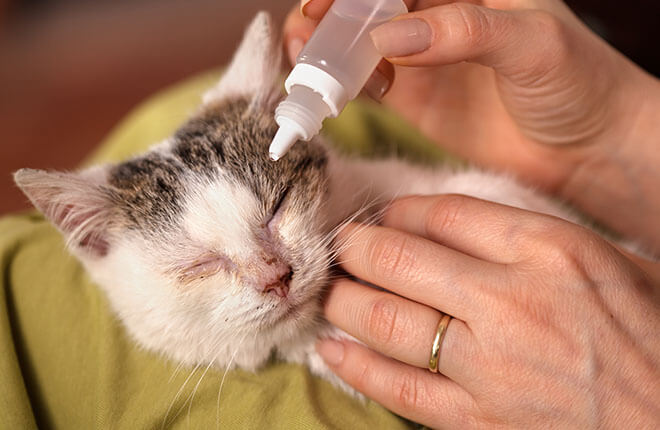
Treating pink eye in cats can be safe with home remedies. Gently clean their eyes using a warm, damp cloth. Ensure the environment is dust-free and soothing for recovery.
When your feline friend has pink eye, quick action is crucial. Safe home remedies can ease discomfort and promote healing. These methods are gentle and effective. Always consult your vet before trying these remedies. Your cat’s health is the top priority. Below are some safe home remedies to consider.Saline Solution Rinses
Saline solution is a simple yet effective remedy. It cleanses the eye gently. Mix one cup of warm water with a teaspoon of salt. Stir until the salt dissolves completely. Use a clean dropper or cotton ball to apply. Gently rinse your cat’s eye twice daily. This can help reduce irritation and flush out debris.Chamomile Tea Compress
Chamomile tea has natural soothing properties. It can reduce inflammation in the eye. Brew a cup of chamomile tea and let it cool. Soak a clean cloth in the tea. Gently apply the compress to your cat’s closed eye. Hold it for a few minutes. Repeat this process twice a day. This can provide relief and soothe your cat’s eye.Warm Towel Application
A warm towel can offer immediate comfort. It helps reduce swelling and irritation. Soak a clean towel in warm water. Wring out the excess water. Gently place the warm towel over your cat’s eye. Hold it there for a few minutes. Repeat this several times a day. Ensure the towel is not too hot. Your cat should feel relaxed and comfortable.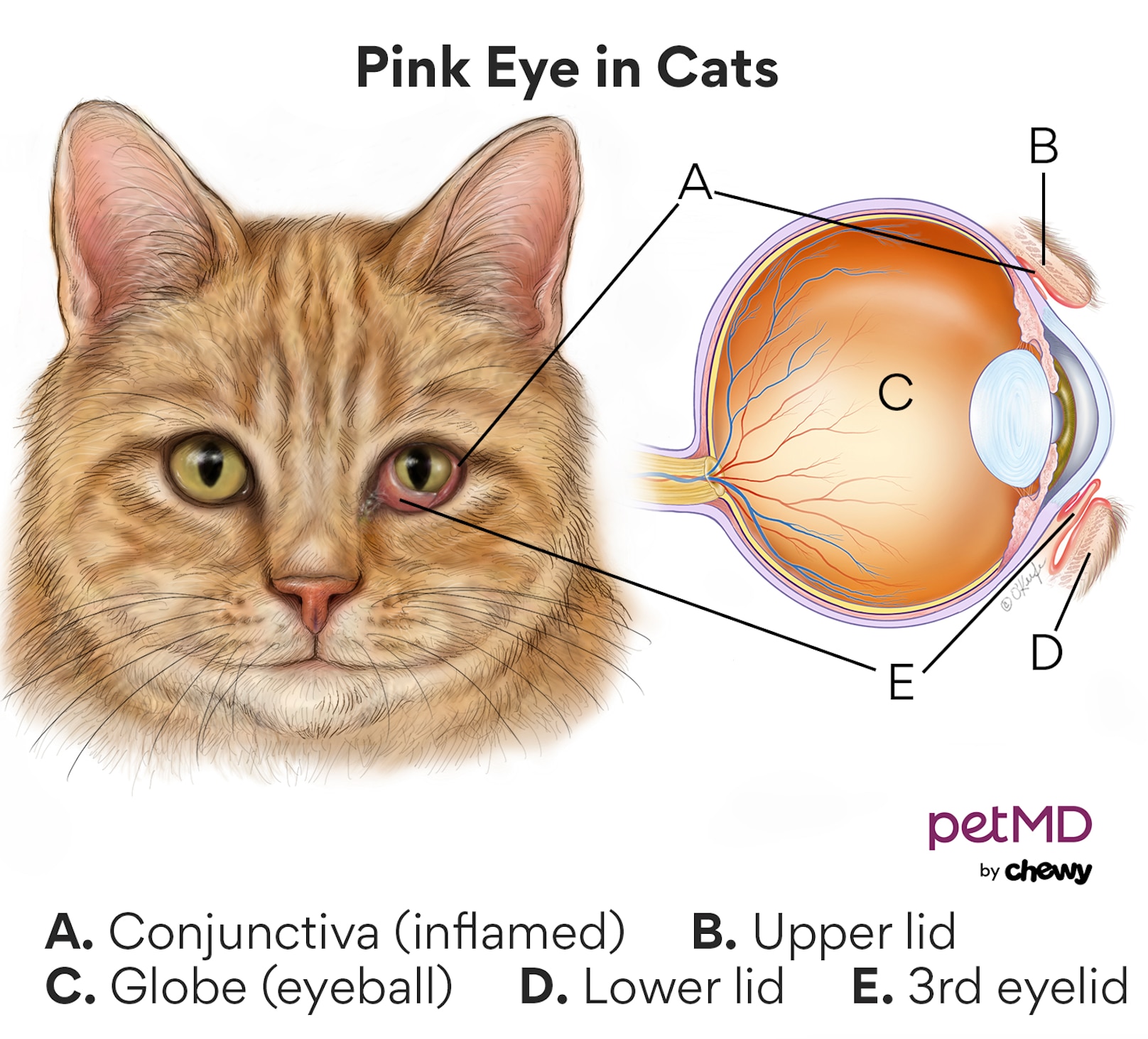
Credit: www.petmd.com
Preventing Pink Eye
Treating pink eye in cats involves keeping their eyes clean and applying prescribed medication. It’s crucial to consult a vet for proper diagnosis and treatment. Regularly monitor your cat’s eyes and maintain hygiene to prevent infections.
Preventing pink eye in cats is essential to ensure their health and comfort. Pink eye can cause discomfort and lead to more severe issues if not addressed. By taking preventive measures, you can minimize the risk of your cat developing this condition. Let’s explore some practical steps you can take.Maintaining Hygiene
Keeping your cat’s environment clean is crucial. Regularly wash your cat’s bedding, toys, and bowls with warm water and mild soap. This reduces the chance of bacteria and viruses that cause pink eye. Consider your own hygiene as well. Wash your hands before and after handling your cat. This simple step can prevent the transfer of germs that could lead to infection. Avoid sharing items like towels or brushes between pets. Each cat should have its own set of items to reduce the risk of contamination.Boosting Immune System
A strong immune system can fend off infections effectively. Ensure your cat’s diet is rich in nutrients. Foods high in vitamins C and E can help build immunity. Exercise and play are not just for fun; they keep your cat active and healthy. A well-exercised cat is often more resilient to infections. Consider supplements if your vet recommends them. They can provide extra support to your cat’s immune system, especially if they have a history of infections.Regular Vet Check-ups
Regular vet visits are essential for monitoring your cat’s health. During these check-ups, the vet can spot early signs of pink eye and provide treatment before it worsens. Discuss any changes in your cat’s behavior or health with your vet. Sometimes, subtle changes can indicate the onset of an infection. Ensure your cat is up-to-date with vaccinations. Vaccines can prevent some of the viruses that cause pink eye, offering an extra layer of protection. Taking these steps not only keeps your cat healthy but also provides peace of mind. How proactive are you in ensuring your cat’s well-being?When Home Remedies Aren’t Enough
Pink eye in cats often requires more than home remedies for effective treatment. Veterinary care becomes crucial to ensure proper medication and prevent complications. Timely intervention aids in reducing discomfort and promoting recovery.
When home remedies aren’t enough for your cat’s pink eye, it’s time for a different approach. Pink eye, known as conjunctivitis, can worsen quickly. Early stages might improve with simple care, but serious cases need professional help. Understanding when to seek expert advice is crucial for your cat’s health.Signs Of Worsening Condition
Watch for signs. If your cat’s eye remains red or swollen, it’s a concern. Persistent discharge or squinting indicates worsening. Increased eye rubbing can mean discomfort. These signs suggest home remedies aren’t working. Your cat may need medical attention.Professional Treatment Options
Veterinary care offers solutions. Prescription eye drops can reduce inflammation. Antibiotics may treat infections. Sometimes, eye ointments are necessary. A vet may also check for underlying issues. This ensures the best treatment plan. Timely intervention can prevent further complications. Always follow the vet’s advice for effective recovery.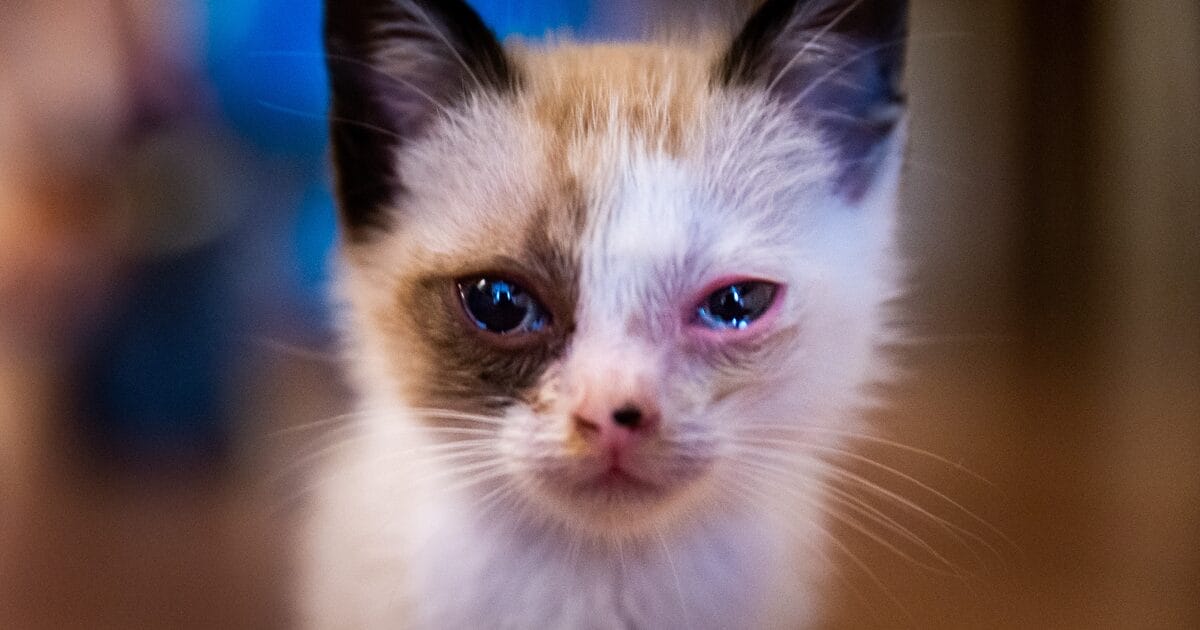
Credit: www.medvet.com
Frequently Asked Questions
How Can I Treat My Cat’s Pink Eye At Home?
Gently clean your cat’s eyes with a damp, warm cloth. Use saline solution to flush out irritants. Ensure your cat has a clean environment. Consult a vet if symptoms persist or worsen. Never use human medications on cats.
How Long Does Pinkeye Last In Cats?
Pinkeye in cats typically lasts 1 to 3 weeks. Treatment can help speed recovery. Consult a vet for guidance.
What Are Symptoms Of Pink Eye In Cats?
Symptoms of pink eye in cats include redness, discharge, and squinting. You might notice excessive blinking or rubbing of the eyes. Swelling and watery discharge are common signs. If you observe these symptoms, consult a veterinarian for proper diagnosis and treatment to ensure your cat’s comfort and health.
How Do Cats Get Pink Eye?
Cats can get pink eye from bacterial or viral infections. Allergies or irritants can also cause conjunctivitis. It may spread from contact with infected animals. Maintaining good hygiene and regular vet check-ups can help prevent pink eye. Always monitor your cat’s health and consult a vet when symptoms appear.
Conclusion
Caring for a cat with pink eye requires patience and attention. Early detection helps ensure effective treatment. Clean your cat’s eyes gently with a damp cloth. This helps remove discharge and soothe irritation. Consult a vet for proper medication. Avoid using human eye drops.
These can harm your cat. Keep your cat’s environment clean and stress-free. This supports healing and prevents recurrence. Monitor your cat’s progress daily. Look for signs of improvement or worsening. Seek professional help if needed. Prioritize your cat’s comfort and health.
A healthy cat means a happy home.