What Can You Feed a Kitten Besides Cat Food: Safe Options

Are you a new kitten parent wondering what to feed your tiny, whiskered friend besides the usual cat food? You’re not alone.
Many kitten owners like you want to offer their little furballs something special, something that keeps them happy and healthy. You’ll discover safe and nutritious alternatives to standard kitten food. These options could not only enhance your kitten’s diet but also strengthen the bond between you and your pet.
Keep reading to uncover secrets that might transform mealtime into the highlight of your kitten’s day.
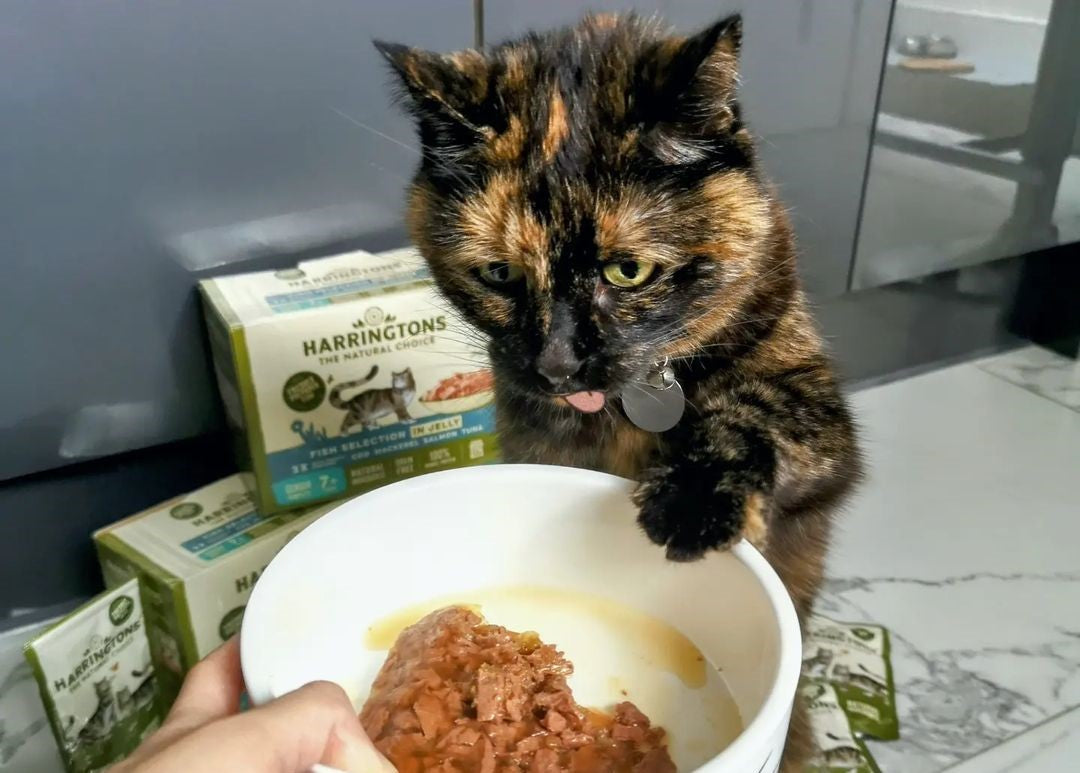
Credit: www.harringtonspetfood.com
Homemade Meals For Kittens
Feeding your kitten homemade meals can be a delightful way to ensure they receive a balanced diet tailored to their needs. You might wonder, “Is it possible to give my kitten something other than commercial cat food?” Absolutely! With a little creativity, you can whip up nutritious meals right in your kitchen. This can be a fun, rewarding experience for both you and your furry friend. Let’s dive into the essentials.
Meat And Protein Sources
Protein is crucial for your kitten’s growth and development. Consider serving boiled chicken or turkey, as they are rich in essential nutrients. Avoid seasoning or oils, as they can upset your kitten’s stomach.
Fish is another excellent choice, but ensure it’s cooked and boneless. Tuna or salmon can be a treat but should not be the main protein source due to high mercury levels.
Eggs are a fantastic alternative. Scrambled or boiled, they provide a wealth of amino acids vital for your kitten’s health. Wondering if kittens enjoy eggs? Try it and see their excitement!
Grains And Carbohydrates
While kittens primarily need protein, grains can be a source of energy. Cooked rice or oats are gentle on their digestive system and can be mixed with meat for a balanced meal.
Whole grain bread or pasta, in small amounts, can add variety to their diet. Remember, moderation is key, as kittens digest grains less efficiently than proteins.
Have you ever thought about quinoa? It’s not just a superfood for humans; its high protein content makes it a great addition to your kitten’s meal.
Vegetables And Fiber
Vegetables can provide essential vitamins and fiber. Cooked carrots or peas are safe choices that can be mashed and mixed with their meals.
Sweet potatoes can be a tasty treat, offering vitamins A and C. Ensure they are fully cooked and mashed to avoid choking hazards.
Spinach, when cooked, can be a good iron source. How does your kitten react to greens? Experiment and discover their preferences.
Feeding homemade meals to your kitten can be a rewarding journey, offering you a closer bond and them a healthier start in life. What will you try first?

Credit: www.thehonestkitchen.com
Dairy Products
Kittens can enjoy small amounts of plain yogurt, cottage cheese, or scrambled eggs as a treat. These dairy products provide extra nutrients. Always monitor for digestive issues and ensure they’re lactose-tolerant.
Feeding a kitten can be a fun yet challenging task. While cat food is the most reliable option, sometimes you might find yourself wondering if you can offer them something from your fridge. Dairy products, often associated with cats, can be an occasional treat, but they require careful selection. Let’s explore the possibilities of feeding your kitten dairy products beyond their regular cat food.Milk Alternatives
Kittens naturally drink their mother’s milk, but cow’s milk may not be suitable for them as it can cause digestive issues. Instead, consider milk alternatives specifically designed for cats. These alternatives are lactose-free and gentle on their stomach. Brands like CatSip and Whiskas Cat Milk offer lactose-free options that are safe and nutritious. Before offering these, ensure they are at room temperature to avoid shocking your kitten’s system. Always serve in moderation to prevent any digestive discomfort.Cheese And Yogurt
Cheese can be a tasty treat for your kitten, but not all types are safe. Opt for mild cheeses like cheddar or mozzarella. These have lower lactose content and are less likely to upset their tummy. A tiny cube occasionally can be a delightful surprise for your furry friend. Yogurt, especially plain and unsweetened, can also be a good option. It contains probiotics which are beneficial for your kitten’s gut health. Mix a small spoonful with their regular food or serve as a standalone treat. However, avoid flavored yogurts as they contain sugars and additives that are not kitten-friendly. When feeding your kitten dairy products, always observe their reaction. Does it lead to any discomfort or signs of allergy? Adjust accordingly to ensure your kitten remains healthy and happy. Have you ever tried offering dairy alternatives to your kitten? Share your experiences and tips in the comments below!Fish And Seafood
Feeding kittens involves more than just standard cat food. Fish and seafood can be an excellent alternative. These nutrient-rich options offer essential benefits for your furry friend. With the right choices, fish can support your kitten’s growth and health.
Safe Fish Choices
When selecting fish, opt for safe options. Salmon is a popular choice. It is rich in nutrients. Sardines are another good option. They are packed with essential vitamins. Avoid fish high in mercury. Tuna and swordfish are not ideal. Cooking the fish ensures safety. Raw fish can carry harmful bacteria.
Benefits Of Omega-3
Omega-3 fatty acids are crucial. They support brain development in kittens. These nutrients enhance coat health. A shiny coat means a healthy kitten. Omega-3 also reduces inflammation. It aids in joint health and mobility. Including fish in their diet boosts these benefits. Always choose fresh, high-quality fish.
Eggs And Their Benefits
Feeding a kitten involves careful choices to ensure proper growth. While cat food is crucial, eggs can be a nutritious supplement. They offer essential proteins and vitamins that boost a kitten’s health. Let’s explore how eggs can benefit your furry friend.
Eggs: A Rich Source Of Protein
Eggs are packed with protein, vital for a kitten’s growth. Protein helps in building strong muscles. It supports overall development. A kitten needs protein to grow healthy and strong.
Vitamins In Eggs
Eggs contain vitamins such as B12 and D. These vitamins aid in energy production. They support bone health. Vitamins help a kitten stay active and playful.
Feeding Eggs Safely
Cook eggs thoroughly before feeding. Raw eggs can be harmful. Scrambled or boiled eggs are best. Avoid adding salt or spices. Simple preparation is safest for kittens.
Portion Size Matters
Serve small portions of eggs. Too much can upset their stomach. Introduce eggs gradually. Observe your kitten’s response. Adjust the portion if needed.
Balanced Diet Importance
Eggs should be part of a balanced diet. They cannot replace cat food. Cat food provides necessary nutrients. Eggs are a supplement, not a substitute.
Fruits For Kittens
Introducing fruits into your kitten’s diet can be a delightful and nutritious supplement to their regular cat food. While it’s essential to ensure that the fruits you offer are safe for your kitten, this can also be a fun way to engage with them and observe their reactions to new tastes. Have you ever wondered which fruits are suitable for your kitten and what benefits they might bring?
Safe Fruit Options
Not all fruits are safe for kittens, but there are a few that are harmless and can be enjoyed. Bananas, apples, and blueberries are some of the safer choices. They are gentle on your kitten’s tummy and are unlikely to cause any adverse reactions.
Remember to introduce these fruits in small quantities. Too much can upset their digestive system. Always remove seeds and peels before offering them to your kitten, as these can pose a choking hazard or contain substances that aren’t kitten-friendly.
Nutritional Benefits
Fruits can provide essential vitamins and minerals. Bananas, for instance, are rich in potassium, which supports muscle function. Apples offer vitamin C, which can boost your kitten’s immune system.
Blueberries are packed with antioxidants. These may help in maintaining your kitten’s overall health. Think of fruits as a natural way to add variety to your kitten’s diet while promoting good health.
Before you start offering fruits, consider your kitten’s unique preferences and any allergies they might have. Have you noticed how some kittens seem to have a sweet tooth? Observing their reactions can guide you in choosing the best options.
Engaging with your kitten during feeding time can strengthen your bond. Watching them explore new flavors can be rewarding. Isn’t it fascinating how kittens, like humans, have distinct tastes and preferences?
As you experiment with fruits, keep an eye on their behavior and health. Your kitten’s diet is crucial for their growth and development. Would you try adding fruits to enhance their meals?
Supplements And Vitamins
Providing the right supplements and vitamins can ensure a kitten’s growth. These nutrients help support strong bones, shiny coats, and a robust immune system. While cat food offers basic nutrients, sometimes kittens need a little extra. This is where supplements and vitamins can play a vital role. Let’s explore the essential nutrients and how to balance your kitten’s diet.
Essential Nutrients
Kittens need several key nutrients for healthy growth. Protein is crucial for muscle development. Calcium strengthens bones and teeth. Omega-3 fatty acids support brain development. Vitamin E keeps their coat shiny. Each of these nutrients plays a specific role. Ensuring a balanced intake is vital for their health.
Balancing Diet
A balanced diet ensures kittens get all essential nutrients. Too much or too little can cause health issues. Consult with a vet to understand your kitten’s needs. Supplements should not replace regular meals. They should complement their diet. Fresh water should always be available.
Foods To Avoid
Feeding your kitten a balanced diet is crucial for their growth. Some foods can harm them. It’s important to know what to keep away from their reach. This section highlights foods that could pose risks to kittens.
Toxic Ingredients
Certain foods contain ingredients that are toxic to kittens. Chocolate is one example. It can cause serious health issues. Grapes and raisins are also dangerous. They can lead to kidney failure. Onions and garlic, even in small amounts, can harm a kitten’s red blood cells. Keep these foods far from your kitten’s diet.
Allergenic Foods
Some kittens have food allergies. Dairy products can be a common issue. Kittens often find it hard to digest lactose. Symptoms like diarrhea may occur. Also, some kittens are allergic to certain grains. Wheat and corn may cause reactions. Watch for signs of discomfort or skin issues. If you notice them, consult a vet.
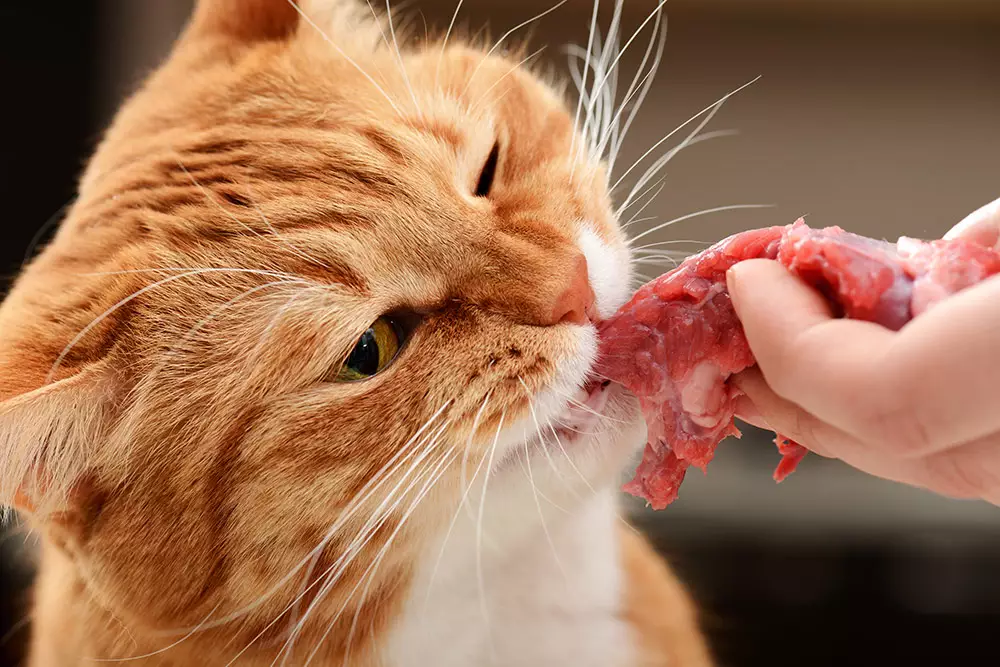
Credit: bowwowinsurance.com.au
Frequently Asked Questions
What Can I Feed A Kitten If I Don’t Have Kitten Food?
Feed kittens cooked chicken or turkey, mashed sweet potatoes, or scrambled eggs. Avoid seasonings and bones. Ensure portions are small. Offer fresh water always. Transition back to kitten food soon for balanced nutrition. Consult a vet for advice on long-term diet changes.
What Is A Good Alternative To Cat Food For Kittens?
Wet kitten food or cooked chicken and rice can be good alternatives. Ensure the food is high in protein. Always consult your vet before changing your kitten’s diet. Milk is not a suitable substitute.
What Household Food Can A Kitten Eat?
Kittens can eat cooked chicken, turkey, and small amounts of fish. Offer plain yogurt for probiotics and scrambled eggs for protein. Always avoid onions, garlic, and chocolate. Ensure all foods are cooked and free from bones or seasonings. Provide fresh water and prioritize kitten-specific food for balanced nutrition.
What Can I Feed A Starving Kitten?
Feed a starving kitten with kitten formula or wet kitten food. Choose high-quality, protein-rich options. Warm the food slightly for better acceptance. Avoid cow’s milk, as it causes digestive issues. Gradually introduce solid food as they grow. Consult a vet for specific dietary needs and guidance.
Conclusion
Feeding a kitten requires care and thought. Offer safe, nutritious options. Cooked chicken, turkey, or fish can be great treats. Always ensure bones and skin are removed. Plain, boiled rice or pasta works in small amounts. Some vegetables like carrots or peas can add variety.
Avoid onions, garlic, and chocolate. Fresh water should always be available. Consult your vet for personalized advice. Keeping your kitten healthy is a rewarding experience. Proper nutrition supports growth and energy. Enjoy watching your kitten thrive with balanced meals.

Similar Posts