You’re worried. You’ve noticed some suspicious bald spots on your cat, and now you’re wondering if it might be ringworm.
Don’t panic. Ringworm is common in cats and can be treated effectively. But you need to act fast to protect your cat and your home. In this guide, you’ll discover the step-by-step process to treat cat ringworm and prevent its spread.
With the right approach, you can ensure your furry friend is back to their playful, healthy self in no time. Dive in to learn how to tackle this pesky problem and regain peace of mind.

Credit: lolahemp.com
Identifying Cat Ringworm
Cat ringworm is a common fungal infection. It affects the skin, fur, and claws. Knowing how to spot it early helps in treating it effectively. Quick identification can prevent the spread to other pets and humans. Let’s explore how to identify cat ringworm.
Symptoms To Look For
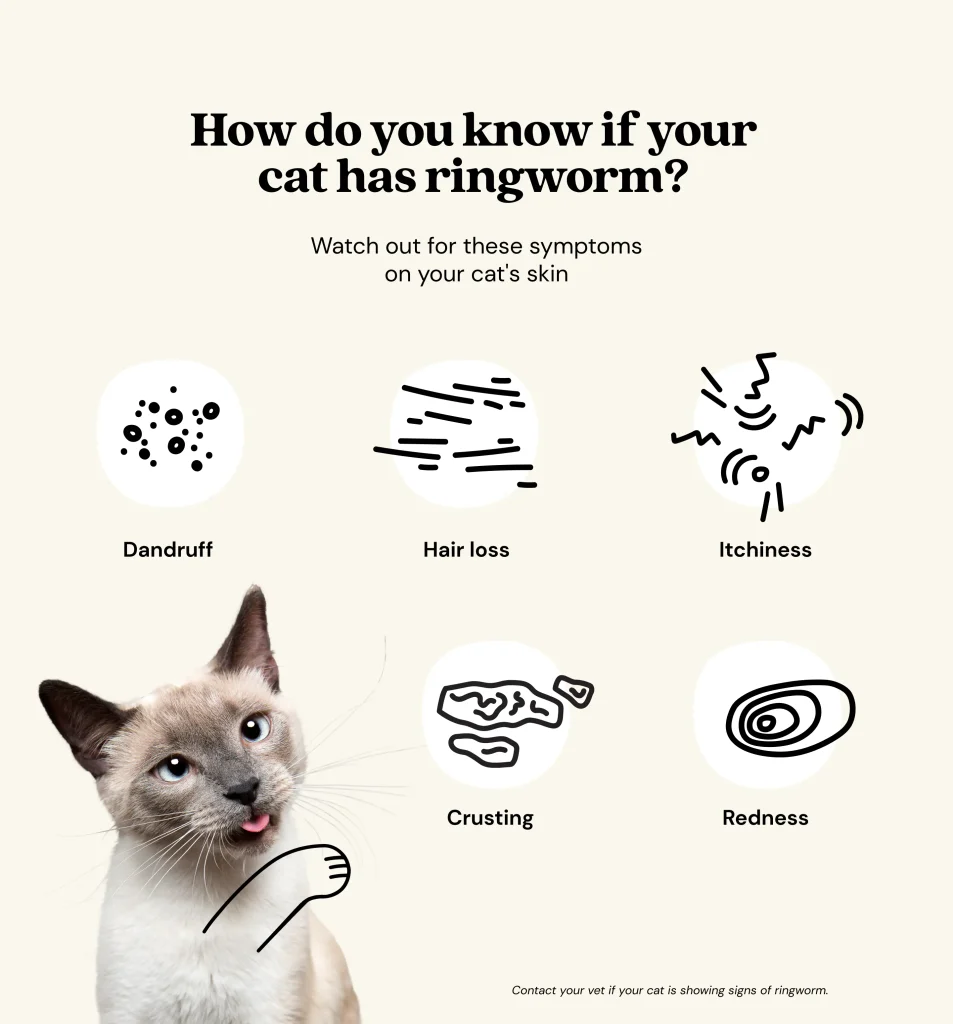
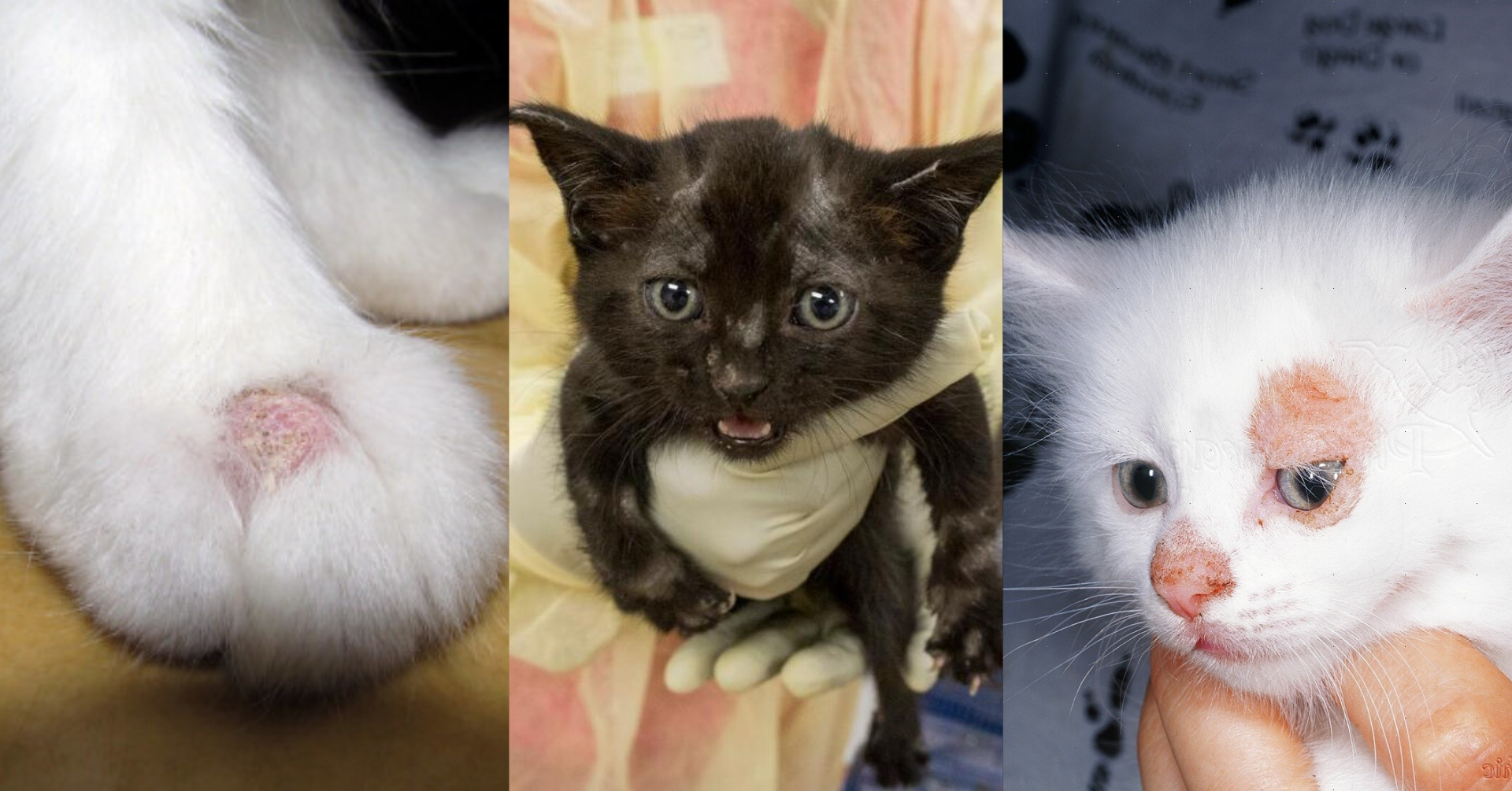
Ringworm causes round, hairless patches on the skin. These patches may appear scaly or red. Cats with ringworm often scratch or lick these areas. You might notice broken hairs around the bald spots. Sometimes, the skin becomes thick and crusty. Watch for changes in the cat’s behavior or grooming habits. Increased scratching can be a sign of discomfort.
Causes And Risk Factors
Ringworm spreads through direct contact with infected animals. It can also spread via contaminated objects like bedding. Young cats and those with weak immune systems are at higher risk. Stress or crowded living conditions increase susceptibility. Warm, humid environments favor fungal growth. Regular cleaning and good hygiene reduce the risk of infection.
Credit: www.coloradoanimalrescue.org
Natural Remedies For Cat Ringworm
Cat ringworm can be a troubling skin infection for pet owners. It’s not caused by a worm but by a fungus. This can make your cat’s skin itchy and inflamed. While veterinary treatments are available, natural remedies can also offer relief. These remedies are often gentle and easy to use. Let’s explore some effective natural treatments for cat ringworm.
Apple Cider Vinegar
Apple cider vinegar is a popular natural remedy. Its acidic nature helps fight fungi. To use, mix equal parts vinegar and water. Apply gently to your cat’s skin with a cotton ball. This can soothe and reduce ringworm symptoms. Use it twice daily for best results.
Coconut Oil
Coconut oil is known for its healing properties. It’s safe for cats and helps soothe irritated skin. Apply a small amount to the affected area. Rub gently into the skin to ensure it absorbs well. Coconut oil also has antifungal properties. Use it daily to help combat ringworm.
Aloe Vera Gel
Aloe vera gel is soothing and cooling. It provides relief from itching and irritation. Use fresh aloe gel for the best effect. Apply it directly to the infected areas. This can help speed up healing and reduce inflammation. Aloe vera is gentle and safe for regular use.
Herbal Treatments
Herbal treatments can offer gentle care for cat ringworm. They work well for mild cases. Many pet owners prefer natural remedies for their pets. Using herbs can reduce the risk of harsh side effects. Here, we explore two popular herbal treatments. Both are easy to use and widely available.
Tea Tree Oil
Tea tree oil is a natural antifungal. It helps treat cat ringworm effectively. Dilute the oil with water before use. Apply the mixture to the affected area. Do this twice daily for best results. Avoid using undiluted tea tree oil. It can irritate your cat’s skin.
Turmeric Paste
Turmeric is known for its healing properties. It helps fight fungal infections like ringworm. Make a paste with turmeric powder and water. Apply it gently on the infected skin. Leave it on for a few hours. Rinse off with lukewarm water. Repeat the process daily until the infection clears.
Boosting Immune System
Strengthening your cat’s immune system can help treat ringworm effectively. A balanced diet with essential nutrients supports their natural defenses. Regular grooming and clean living spaces prevent infection spread.
Boosting your cat’s immune system is a vital step in treating ringworm effectively. A strong immune system helps your cat fend off infections and recover faster. You might wonder, “How can I help my cat build a stronger immune system?” Let’s dive into practical ways to do this, focusing on diet and supplements.Balanced Diet
A balanced diet is crucial for your cat’s health. It provides the necessary nutrients to support their immune system. Consider foods rich in proteins, as they are essential for building antibodies. Include ingredients like chicken, fish, or turkey in their meals. These are excellent sources of high-quality protein. Avoid processed foods that might lack essential nutrients. Opt for brands that list whole foods as the first ingredient.Supplement Options
Supplements can be a game-changer for boosting your cat’s immune system. They fill nutritional gaps that diet alone might not cover. Look for supplements containing omega-3 fatty acids. These support immune health and have anti-inflammatory properties. Probiotics can also be beneficial. They promote a healthy gut, which is key to a strong immune system. Consider consulting your vet before adding any supplements. They can recommend the best options tailored to your cat’s needs. Remember, every cat is unique, and what works for one might not work for another. Have you noticed any changes in your cat’s health after adjusting their diet or adding supplements? Your observations can guide you in making the best choices for your feline friend.Preventing Spread Of Ringworm
Ringworm in cats is a highly contagious fungal infection. It can spread quickly among pets and even to humans. Preventing its spread is crucial for the health of all household members. Taking proper precautions helps contain the infection and protect others.
Cleaning And Disinfecting
Regular cleaning is essential to stop ringworm from spreading. Vacuum daily to remove hair and skin flakes. Use a vacuum with a HEPA filter for best results. Disinfect surfaces with a bleach solution or a veterinary-recommended cleaner. Wash pet bedding, toys, and grooming tools frequently. Hot water and detergent effectively kill fungal spores. Consider using disposable items like paper towels to reduce contamination risk. Keep your home clean to protect everyone from infection.
Isolating Infected Cats
Keep infected cats separate from other pets and family members. Isolation prevents the fungus from spreading to other areas. Set up a comfortable space for the infected cat. Include bedding, food, and water in this area. Limit interaction with the infected cat to essential care only. Wash hands thoroughly after handling the infected cat. Use gloves if needed to minimize contact with the fungus. Monitoring the infected cat’s condition helps ensure a quicker recovery.
When To Consult A Veterinarian
Notice hair loss or scaly patches on your cat’s skin? These could be signs of ringworm. Quick consultation with a veterinarian ensures proper treatment and prevents spreading.
When caring for a cat with ringworm, vigilance is key. Not every case requires a vet visit, but some situations do. Understanding when to consult a veterinarian ensures your cat’s health. It also protects your household from potential spread.Persistent Symptoms
If your cat’s symptoms linger, it may need professional help. Watch for bald patches, red skin, or itchy areas. These signs should improve with treatment. If not, a vet visit is wise. Persistent symptoms may signal a deeper issue. A vet can identify underlying problems. They may adjust treatment for better results.Severe Infections
In severe cases, immediate veterinary care is crucial. Large areas of hair loss indicate a serious problem. Open sores and scabs are concerning. Severe infections can lead to discomfort and pain. They may also spread to other pets or humans. A veterinarian can prescribe strong medication. This ensures effective treatment and faster recovery.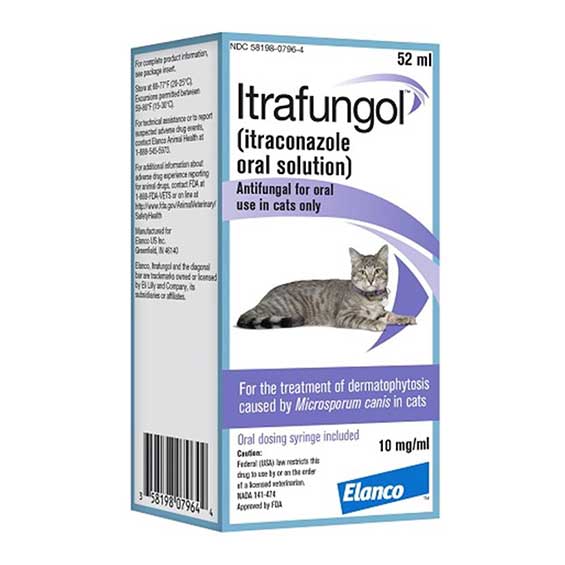
Credit: pureliferx.com
Frequently Asked Questions
How Can I Treat Ringworm On My Cat At Home?
Use antifungal cream specifically for cats. Clean infected areas daily. Keep the environment clean and dry. Consult your vet for oral medication if needed. Maintain hygiene to prevent spread.
Does Ringworm On Cats Go Away By Itself?
Ringworm on cats usually doesn’t go away by itself. Treatment is necessary to eliminate the infection. Consult a veterinarian for diagnosis and appropriate antifungal medication. Regular cleaning of the cat’s environment helps prevent spread. Early intervention ensures quicker recovery and reduces transmission to other pets or humans.
Is It Okay To Touch A Cat With Ringworm?
Avoid touching a cat with ringworm. It can spread the infection to humans and other pets. Always wear gloves and wash your hands thoroughly if contact is necessary. Seek veterinary advice for treatment to prevent further spread and ensure safety.
What Cures Ringworm Fast?
Antifungal creams or ointments like clotrimazole or terbinafine cure ringworm fast. Apply them directly to affected areas. Keep the skin clean and dry. Consult a doctor for severe cases or persistent infections. Avoid sharing personal items to prevent spreading.
Conclusion
Treating cat ringworm requires patience and care. Early detection is key. Keep your pet’s environment clean. Use prescribed medications regularly. Always follow your vet’s advice. Ensure your cat’s comfort during treatment. Regularly wash your hands after handling. Monitor your cat for signs of improvement.
Stay attentive to any new symptoms. Consistency in care leads to recovery. Your cat’s health will improve with time. Maintain a healthy routine to prevent future issues. Enjoy a happy, ringworm-free feline friend. Remember, your efforts make a difference.