Is Ringworm Contagious in Cats: Essential Facts Revealed
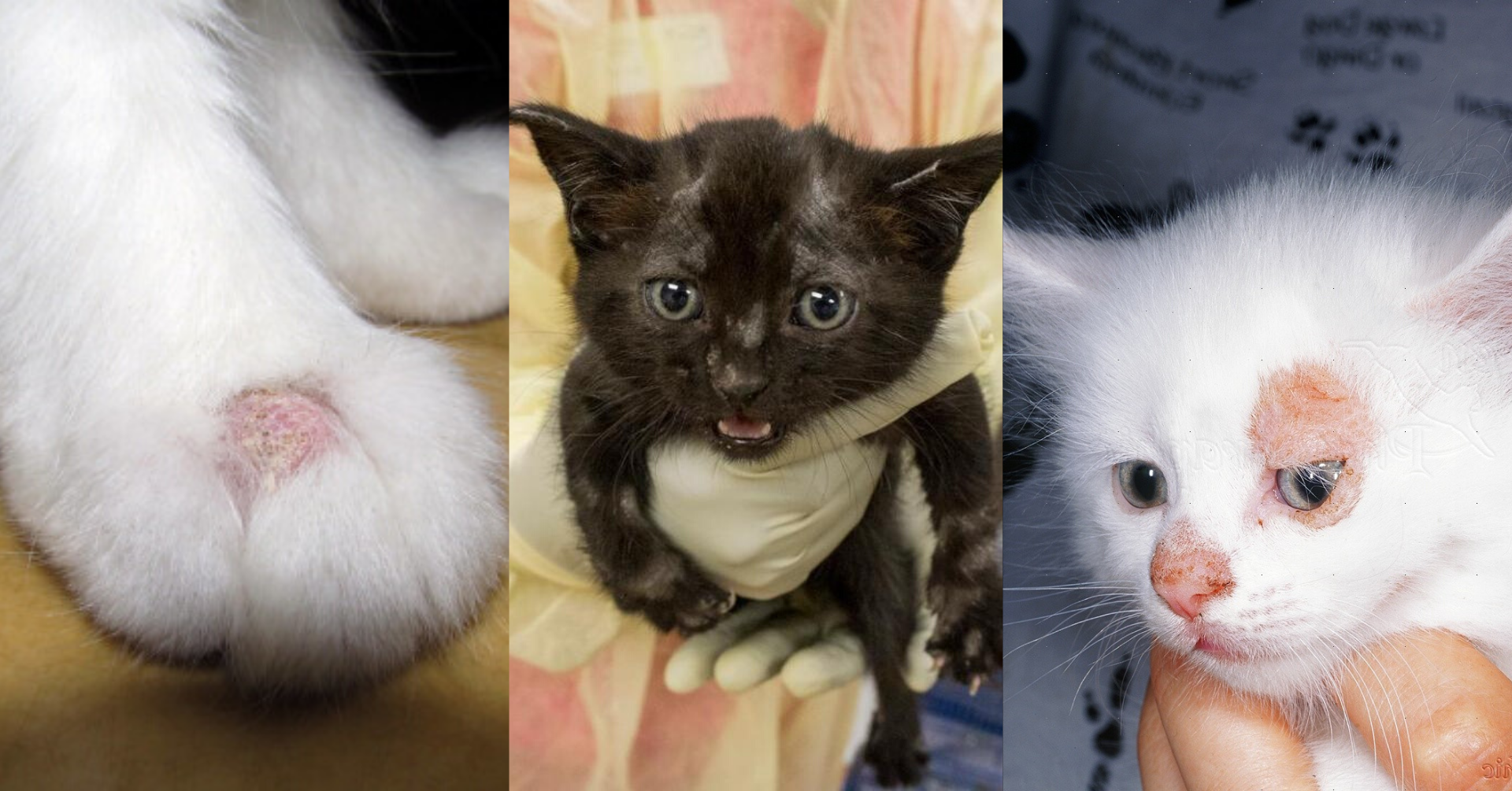
Imagine petting your adorable feline friend, only to discover a peculiar patch of skin that seems a bit unusual. Suddenly, a question pops into your mind: “Is ringworm contagious in cats?”
You’re not alone in this concern. The health of your furry companion is crucial, and understanding potential risks can help you safeguard both your pet and your household. This article will dive into the essentials of ringworm in cats, its contagious nature, and how you can protect yourself and your beloved pet.
Stay with us to uncover vital insights that every cat owner needs to know, ensuring peace of mind and a healthy home environment.
What Is Ringworm?
Ringworm is a common fungal infection. Despite its name, it isn’t caused by worms. It affects the skin, causing circular lesions. This condition is not limited to humans. Cats can also suffer from ringworm. Understanding this infection helps in controlling its spread.
Common Misconceptions
Many people believe ringworm is caused by worms. This is a myth. Ringworm results from a fungus. It thrives in warm and moist environments. The name comes from its ring-like appearance. It’s important to dispel these myths. Accurate information aids prevention and treatment.
How It Affects Cats
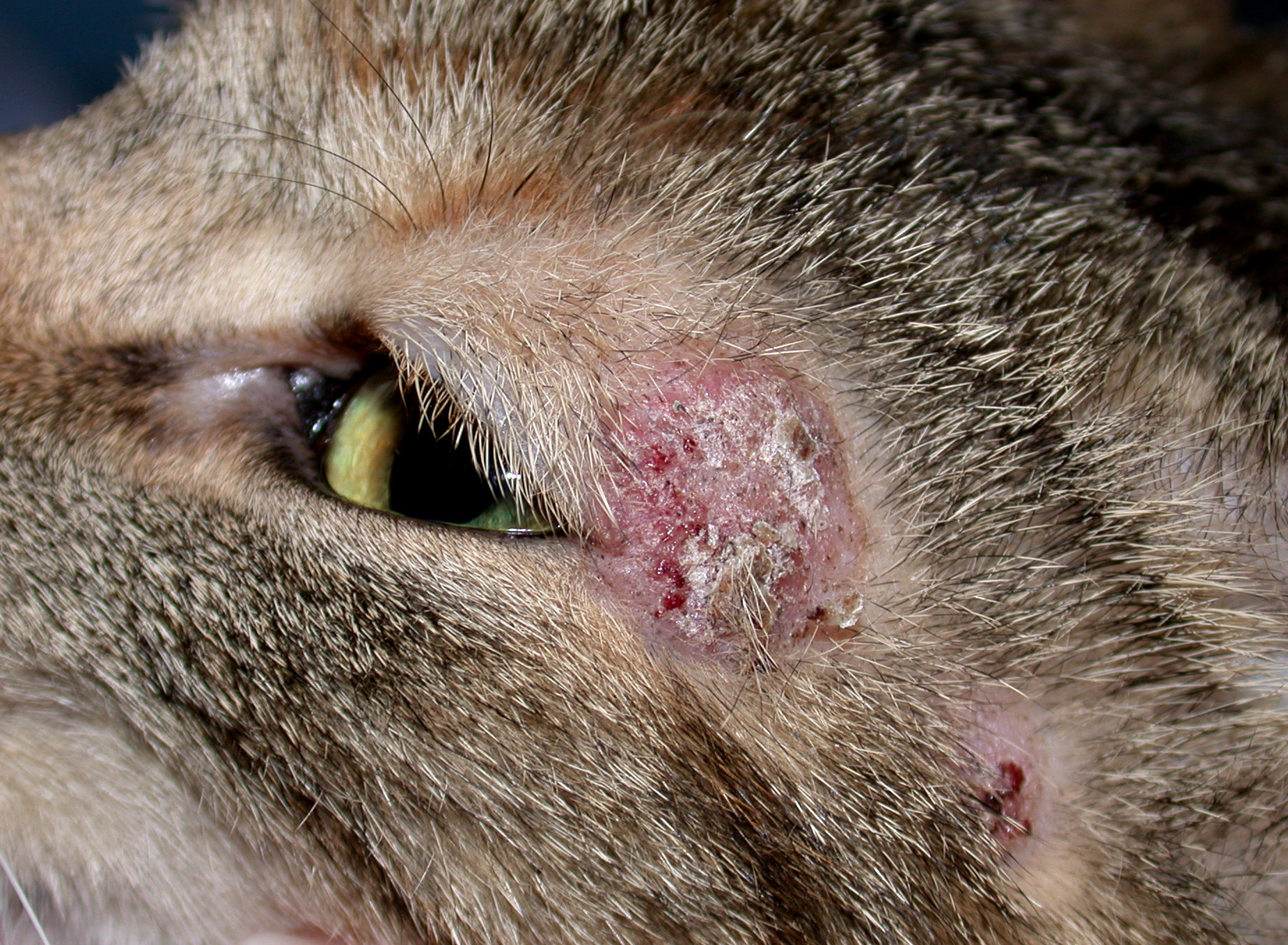
Ringworm can affect cats of all ages. Younger cats are more susceptible. The infection causes hair loss and skin lesions. Cats may scratch or groom excessively. This behavior leads to further irritation. The fungus spreads easily between animals. Infected cats can transmit it to humans. Early detection and treatment are vital. Regular check-ups help in managing the condition.
Credit: www.cdph.ca.gov
Transmission In Cats
Ringworm is a common fungal infection in cats. It’s highly contagious and can spread quickly. Understanding how it transmits is crucial for prevention. Cats can catch ringworm in several ways. Learning these methods helps keep your pet safe.
Direct Contact Risks
Direct contact with an infected cat is a major risk. Cats often groom each other. This makes transmission easy during play or fights. Even a brief touch can spread the fungus. Sharing bedding or toys also poses a risk. Keep infected cats separate until treated.
Environmental Factors
Ringworm spores can live in the environment. They thrive on surfaces like furniture and floors. Spores can survive for months. This increases the chance of infection. Regular cleaning helps reduce this risk. Vacuum and disinfect areas where cats spend time. Proper hygiene is essential to control spread.
Symptoms In Cats
Ringworm in cats can be a tricky condition to spot, but understanding the symptoms is key to ensuring your furry friend gets the help they need. Cats might not always show obvious signs, and sometimes the symptoms can be subtle. You might notice changes in their appearance or behavior that could indicate ringworm. Recognizing these signs early can make a big difference in your cat’s recovery process.
Visible Signs To Watch For
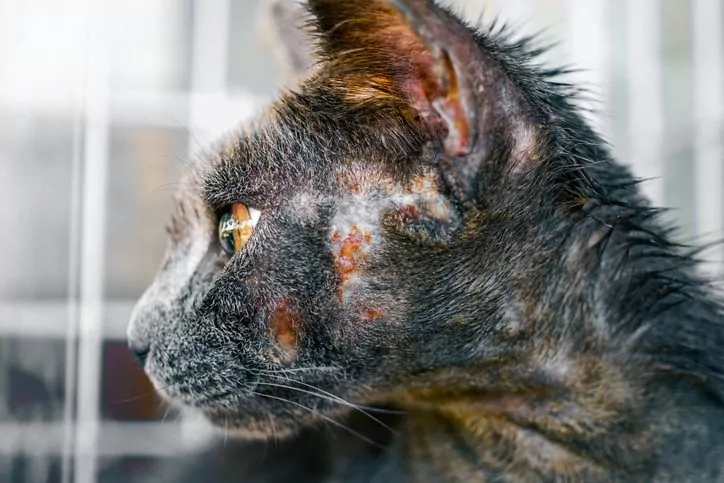
If you’ve ever noticed patches of missing fur on your cat, that might be a sign of ringworm. Look for circular bald spots that can appear anywhere on their body. These spots might be red or scaly, and sometimes, you might see tiny bumps or pimples.
Another sign is the condition of their skin. You may spot dandruff-like flakes or crusty skin. In some cases, the affected areas can be quite itchy, leading your cat to scratch more frequently. If you see any of these signs, it’s wise to consult your vet.
Behavioral Changes
Have you noticed your cat acting differently lately? Cats with ringworm might exhibit unusual behavior. They might be more irritable or restless due to discomfort. Increased grooming or scratching is a common behavioral change.
Pay attention to their energy levels. A cat suffering from ringworm might be less active or seem down. Their appetite can also change; some cats eat less when they’re not feeling well. These subtle shifts in behavior can be crucial indicators.
Have you ever dealt with a pet illness that seemed minor but turned out significant? It’s surprising how small changes can signal bigger issues. If you suspect your cat has ringworm, act promptly. Early detection and treatment can prevent the spread and ensure a speedy recovery.
Credit: careyanimalhospital.com
Diagnosing Ringworm
Cats can easily spread ringworm to humans and other animals. Symptoms include itchy skin and circular patches of hair loss. Early detection and treatment prevent further contagion and discomfort.
Diagnosing ringworm in cats can be a bit tricky, but it’s crucial for preventing the spread of this contagious fungus. While it might sound alarming, identifying ringworm early can make a world of difference for your feline friend and your household. Understanding the methods of diagnosis will empower you to act swiftly and keep your pet healthy.Veterinary Tests
When you suspect your cat might have ringworm, a trip to the vet is your best bet. Veterinarians have a variety of tests to confirm the presence of ringworm. A common method is the Wood’s lamp test, where a special UV light makes some ringworm spores glow. Another reliable test is a fungal culture. Your vet will take a sample of hair or skin and let it grow in a lab setting to see if the fungus develops. This test might take a few days, but it’s highly accurate. A direct microscopic examination might also be done. The vet will look at samples under a microscope to spot the spores. Each of these tests has its strengths, and your vet will choose the best option based on your cat’s symptoms.Home Inspection Techniques
But what if you want to take a closer look at home? You can start by observing your cat’s skin and coat. Look for circular patches of missing fur or red, scaly skin. These are classic signs of ringworm. Keep a close eye on your cat’s behavior. If you notice excessive scratching or grooming, it could indicate an issue. Make sure to check areas like the face, ears, and paws, where ringworm often appears. Consider your own health, too. If you or your family members develop similar itchy, red patches, it might be a clue. Don’t ignore these signs—your cat’s health and your own could be at stake. Diagnosing ringworm isn’t just about tests and inspections. It’s about being observant and taking action when something seems off. What steps will you take to ensure your cat stays healthy and happy?Treatment Options
Ringworm in cats spreads easily through direct contact or shared items. Prompt treatment options include antifungal creams, oral medications, and regular cleaning of the cat’s environment. Early intervention helps prevent the spread of this contagious skin condition.
Dealing with ringworm in cats can be a stressful experience. It’s contagious and can spread not only to other animals but also to humans. Luckily, there are several treatment options available to help your feline friend recover swiftly. By understanding these options, you can make informed decisions and provide the best care for your cat. Let’s dive into the medications available and home care tips that can ease the process.Medications
Medications play a crucial role in treating ringworm in cats. Antifungal medications, like itraconazole and terbinafine, are commonly prescribed by veterinarians. These medications help eliminate the fungus from your cat’s system. Your vet may also recommend topical treatments such as antifungal shampoos or creams. Regular application can speed up recovery and prevent the spread of infection. In some cases, oral medications may be necessary. These can be more effective, especially for severe infections. Always follow your vet’s instructions regarding dosage and duration. It’s vital to complete the entire course, even if symptoms improve. Have you ever wondered why this is essential? Stopping early might lead to resistance or recurrence.Home Care Tips
Home care is equally important in managing ringworm. Start by isolating your infected cat to prevent spreading the fungus to other pets or family members. Clean your cat’s environment thoroughly. Frequent vacuuming and sanitizing areas can help eliminate fungal spores. Consider using disposable gloves when handling your cat. This precaution reduces the risk of transmitting the infection to yourself. Regularly wash your hands and any items your cat frequently uses, like bedding and toys. You might notice your cat feeling itchy or uncomfortable. Try using a damp cloth to gently wipe down your cat’s fur. This can soothe the skin and remove any loose spores. Have you tried creating a calming environment for your cat? Providing a cozy, stress-free space can aid in recovery. Remember, patience and persistence are key. While it may take a few weeks for your cat to fully recover, maintaining a dedicated routine is crucial. Do you have any tried-and-true methods that worked for you? Sharing experiences can be a lifeline for others facing similar challenges.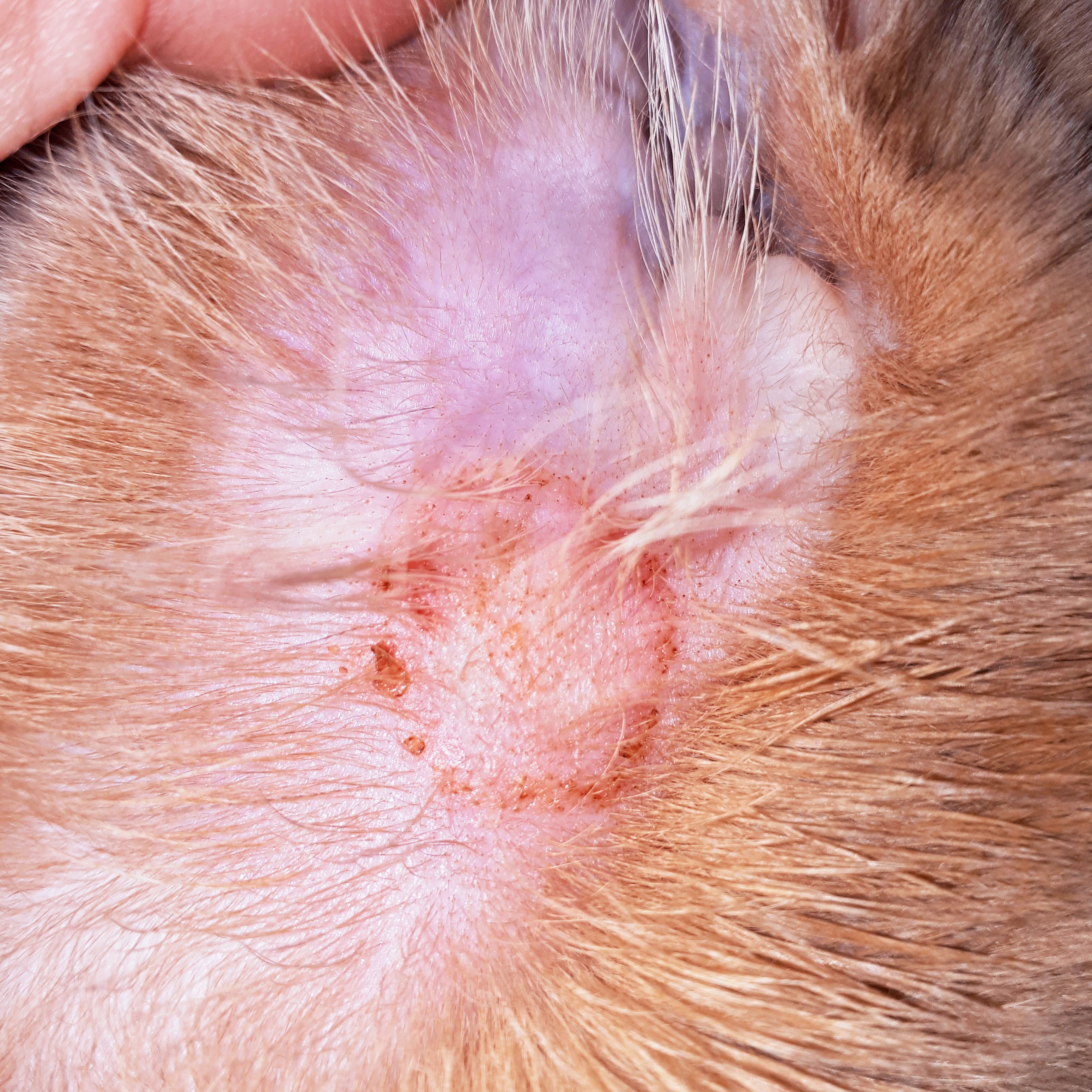
Credit: www.purina.com.au
Preventing Spread
Ringworm in cats can spread rapidly without proper care. It is a fungal infection, not a worm, despite its name. Understanding prevention methods is key to stopping its spread. Cats show symptoms like hair loss and skin lesions. Humans and other pets can catch ringworm from infected cats. Proper cleaning and quarantine measures can help prevent this.
Cleaning And Disinfection
Regular cleaning is crucial for controlling ringworm. Clean your cat’s bedding frequently. Use hot water and a pet-safe disinfectant. Vacuum your home often to remove hair and spores. Pay attention to carpets, furniture, and curtains. Disinfect surfaces where your cat spends time. Consider using a bleach solution for hard surfaces. Ensure the area is well-ventilated during cleaning.
Quarantine Measures
Isolate infected cats to prevent spreading ringworm. Use a separate room with easy-to-clean surfaces. Limit the cat’s contact with other pets and family members. Wear gloves when handling an infected cat. Wash your hands thoroughly after contact. Keep the quarantine area clean and disinfected. Monitor other pets for signs of infection. Seek veterinary advice if symptoms appear.
Impact On Other Pets
Ringworm is a common fungal infection that affects cats. This infection doesn’t just impact your feline friends. It poses a risk to other pets in your household. Understanding its effects on different species is crucial. This knowledge helps in preventing its spread.
Cross-species Transmission
Ringworm spreads easily among animals. Cats can pass it to dogs and other pets. The fungus travels through direct contact with the infected animal. Contaminated objects also pose a threat. Bedding, grooming tools, and toys can harbor the spores. Vigilance is key in stopping the transmission.
Many pet owners overlook the risk of cross-species infection. This mistake can lead to an outbreak. Ensuring each pet is checked regularly can prevent problems. Early detection is essential. It keeps the infection from spreading further.
Protecting Your Household
To protect your pets, maintain a clean environment. Regular cleaning reduces the risk of infection. Wash pet bedding and toys frequently. Use disinfectants safe for animals. Vacuum carpets and furniture to remove spores.
Isolation is necessary for infected pets. Keep them separate from healthy animals. This helps in controlling the spread. Consult a vet for the best treatment options. They can provide effective medication and advice.
Educating family members is also important. Explain how ringworm spreads and its risks. Everyone should practice good hygiene. Regular hand washing reduces the chance of transmission. Awareness is a powerful tool in protecting your home.
When To Seek Professional Help
Cats with ringworm can easily spread it to other animals and humans. Noticeable hair loss or red patches on your cat may indicate infection. Seek professional help immediately to prevent further spread and ensure proper treatment.
When your furry feline friend starts showing signs of ringworm, it’s essential to know when to seek professional help. While mild cases can often be managed at home, severe infections require the expertise of a veterinarian. Understanding the symptoms of a severe infection and knowing when to consult a professional can make a significant difference in your cat’s recovery. Let’s dive into what you should look out for and when it’s time to make that crucial veterinary appointment.Signs Of Severe Infection
Severe ringworm infections can cause your cat significant discomfort. Notice if your cat is excessively scratching or biting at their skin. This could be more than just a minor itch. Look for widespread hair loss. If bald patches seem to be multiplying, it’s a sign that the infection is not just skin deep. Red, inflamed skin and scaly patches indicate that the ringworm is taking a toll on your cat’s health. A prompt response is crucial to prevent further complications.Consulting A Veterinarian
Don’t wait until the situation worsens. If you notice the signs of a severe infection, schedule a vet visit as soon as possible. Your veterinarian can provide a proper diagnosis and treatment plan. Consider how a professional can offer solutions you might not have thought of. Treatments may include antifungal medications or topical ointments, depending on the severity. Remember, a vet can also help you prevent the spread to other pets or yourself. They offer guidance on sanitizing your home and caring for your cat during recovery. Have you ever faced a pet health scare and waited too long to seek help? It’s a common experience, but it’s a reminder that trusting your instincts and acting quickly can save your cat from unnecessary pain.Frequently Asked Questions
Is It Safe To Be Around A Cat With Ringworm?
Being around a cat with ringworm can lead to infection. Ringworm is contagious to humans. Wash hands thoroughly after contact and seek medical advice if necessary. Keep the cat isolated until treated, and ensure proper hygiene to reduce risk.
Do I Need To Clean My House If My Cat Has Ringworm?
Yes, you should clean your house if your cat has ringworm. Disinfect surfaces, wash bedding, and vacuum carpets to prevent spread. Keep your cat isolated and consult a vet for treatment.
How Would An Indoor Cat Get Ringworm?
An indoor cat can get ringworm from contaminated items, infected animals, or people. Spores spread through bedding, toys, or grooming tools. Always maintain a clean environment and regular vet checks to prevent infection.
Do I Need To Quarantine If My Cat Has Ringworm?
You don’t need to quarantine, but limit contact with your cat. Keep affected areas clean. Consult a vet for treatment.
Conclusion
Ringworm in cats can spread easily. It’s important to keep an eye on symptoms. Quick action can prevent transmission. Regular check-ups help catch it early. Clean surfaces where cats spend time. This limits the risk of spreading. Always wash hands after touching infected cats.
Prompt treatment stops the fungus. Your vet can guide you. Medications are effective. A healthy cat is a happy cat. Staying informed helps you protect your pets. Keep your furry friend safe and sound. Stay alert, act fast, and ensure a ringworm-free home.

Similar Posts