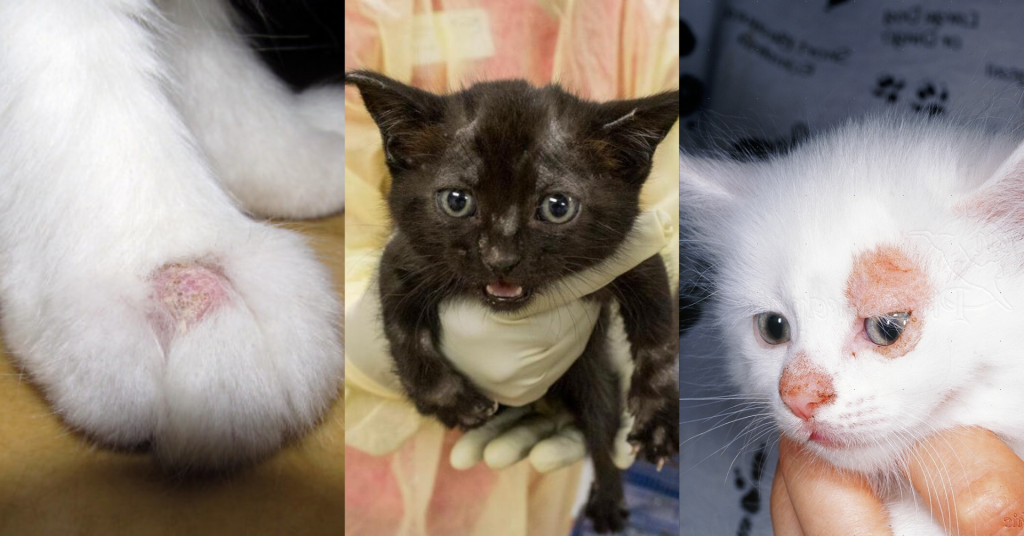
Imagine this: you’re cuddling with your fluffy feline friend when you notice a strange, circular patch on their skin. Your immediate thought is, “What is that?”
If you’ve ever wondered whether cat ringworm is contagious, you’re not alone. This common concern can leave you feeling uneasy and protective over your household. After all, your furry family member’s health is just as important as your own. But don’t worry, understanding the nature of cat ringworm and its potential impact on you and your loved ones is the first step toward peace of mind.
Let’s dive into the facts together, so you can feel confident in keeping your home and your cat healthy.

Credit: www.abcdcatsvets.org
Understanding Cat Ringworm
Cat ringworm is a common skin issue. It’s not a worm but a fungal infection. Understanding cat ringworm is important for pet owners. This helps in preventing its spread.
What Is Ringworm?
Ringworm is a skin infection caused by fungi. It affects cats, dogs, and humans. The infection causes circular patches on the skin. These patches are often red and itchy. Ringworm is highly contagious.
Causes Of Ringworm In Cats
Ringworm spreads through direct contact. Cats can catch it from infected animals. Contaminated objects like bedding or grooming tools can also spread it. Warm, humid environments increase the risk. Young and sick cats are more vulnerable.
Symptoms In Cats
Cat ringworm is a skin infection caused by a fungus. Recognizing its symptoms early can help in treating it effectively. Cats show different signs when affected. Knowing these symptoms helps in preventing its spread to other pets or humans. Let’s explore some common symptoms in cats.
Visible Signs
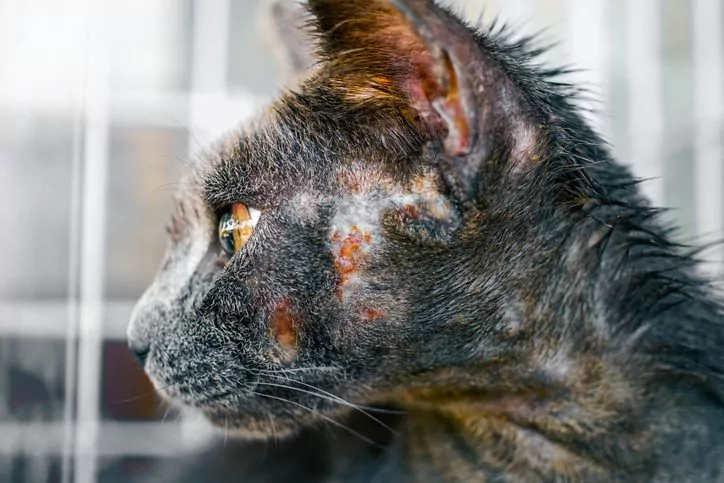
Look for circular patches of hair loss on your cat. These patches might appear red or scaly. You may notice dandruff-like flakes on the cat’s fur. Broken hairs around the affected area are another sign. Check for these signs, especially on the head and forelimbs.
Behavioral Changes
Your cat might start scratching more than usual. Excessive grooming can also indicate discomfort. Some cats become irritable or more aggressive. This behavior often points to underlying skin irritation. Watch for these changes in your cat’s daily routine.
Transmission To Humans
Cat ringworm is a fungal infection that affects the skin. It’s not caused by worms, despite the name. It can be passed from cats to humans. This transmission often happens through direct contact. Understanding how it spreads helps in prevention.
How It Spreads
Ringworm spreads through spores. These spores live in fur, skin flakes, and surfaces. Touching infected cats or contaminated items can transfer spores to humans. Spores can linger on objects like bedding and brushes. They thrive in warm and damp environments. It’s easy to catch ringworm without realizing it.
Risk Factors
Several factors increase the risk of getting ringworm. Close contact with infected cats is a major risk. People with weakened immune systems are more vulnerable. Young children and elderly individuals are at higher risk. Living in crowded conditions can also increase exposure. Frequenting areas with many animals, such as shelters, poses a risk. Understanding these risks aids in taking preventive measures.
Preventing Spread
Cat ringworm is highly contagious, easily spreading to humans and other animals. Regular cleaning and isolating infected cats helps prevent its spread. Treating affected cats quickly is crucial to reduce transmission risks.
Preventing the spread of cat ringworm is crucial to safeguarding both your pet and household members. Ringworm, despite its name, is a fungal infection rather than a worm, and it can easily spread from animals to humans. By taking proactive steps, you can minimize the risk of transmission and ensure a healthy environment for everyone involved.Home Precautions
One of the first steps in preventing the spread of cat ringworm is to assess and sanitize your living space. Start by thoroughly cleaning areas where your cat spends most of its time. This includes vacuuming carpets, washing bedding, and disinfecting surfaces. Consider using a diluted bleach solution or specialized antifungal cleaner to eliminate spores. Pay special attention to fabric items like curtains or cushions that might harbor the fungus. Have you checked if your cat’s favorite hiding spot is clean and free from fungal residues?Hygiene Practices
Maintaining good hygiene practices can greatly reduce the risk of ringworm spreading. Wash your hands immediately after handling your cat, especially if you’ve been petting or grooming them. Use soap and warm water to ensure thorough cleaning. If your cat has been diagnosed with ringworm, wear gloves when applying any topical treatments. This helps protect you from direct contact with the infection. Consider how often you touch your face or hair after playing with your cat—these are potential transmission points. Regularly clean and disinfect your cat’s grooming tools and food bowls. A practical tip is to soak these items in a disinfectant solution weekly. Have you noticed how often your cat brushes against your clothes? Consider changing clothes after interacting with them. By focusing on these preventive measures, you can create a safer environment for both your feline friend and household members.Treatment Options
Ringworm in cats is a common concern for pet owners. Treating ringworm effectively requires understanding different options available. Both veterinary solutions and home remedies can help manage this contagious condition.
Veterinary Solutions
A vet can diagnose ringworm through a physical exam and tests. Prescription antifungal creams or ointments are commonly used. Oral medications may be necessary for severe cases. Regular vet visits ensure the treatment is working. It’s crucial to follow the vet’s instructions closely.
Home Remedies
Natural solutions can support veterinary treatments. Apple cider vinegar has antifungal properties. Dilute it with water and apply it to affected areas. Coconut oil can soothe and hydrate the skin. Use a small amount on the ringworm patches. Always consult a vet before trying home remedies.

Credit: www.petmedicalcenterverobeach.com
Protecting Other Pets
Protecting your other pets from cat ringworm is crucial. This fungal infection spreads easily. Understanding how to keep your household safe can prevent further outbreaks. By taking preventive steps, you can ensure the health of all your furry friends. Here’s how you can protect them effectively.
Isolation Techniques
Isolate the infected cat immediately. Use a separate room if possible. This limits contact with other pets. Clean the isolation room regularly. Disinfect surfaces and wash bedding. This helps prevent the spread of ringworm spores. Ensure the isolated area has proper ventilation. It reduces humidity, which fungi love. Always wash your hands after handling the infected cat.
Monitoring Health
Keep a close watch on your other pets. Look for signs of ringworm. Symptoms include hair loss, red patches, and scaly skin. Early detection can prevent severe outbreaks. Regularly check their skin and fur. Schedule vet visits if you notice unusual symptoms. A vet can provide guidance and treatment options. Keeping a health log can be helpful. Document any changes or symptoms you observe.
Myths And Facts
Understanding cat ringworm involves separating myths from facts. Many misconceptions confuse pet owners. Clarity is essential for proper care and prevention. This section explores common misunderstandings and scientific truths. Clear information helps protect you and your furry friend.
Common Misconceptions
Many believe ringworm is a worm. It’s not. It’s a fungal infection. Some think only cats can get it. Humans can catch it too. Ringworm is not always visible. Symptoms may be hidden. Another myth is that healthy cats can’t get infected. Any cat can catch ringworm, regardless of health. Some assume only direct contact spreads it. Spores can linger on surfaces and infect others.
Scientific Insights
Ringworm is caused by dermatophytes, a type of fungus. It thrives in warm, humid environments. Scientific studies show ringworm is highly contagious. Spores can live on bedding, furniture, and carpets. The fungus can survive for months without a host. Ringworm spreads through contact with infected animals or surfaces. Veterinary science confirms that early detection is crucial. Treatment includes topical antifungal creams and oral medications. Proper hygiene reduces the risk of spreading ringworm.
Credit: careyanimalhospital.com
Frequently Asked Questions
Is It Safe To Be Around A Cat With Ringworm?
Being around a cat with ringworm can be risky. Ringworm is contagious and can spread to humans and other pets. It’s crucial to maintain hygiene, wash hands, and seek veterinary advice to minimize risk.
Do I Need To Quarantine If My Cat Has Ringworm?
Quarantine isn’t necessary, but limit your cat’s contact with others. Clean infected areas and wash your hands. Consult a vet for treatment options. Ringworm can spread to humans and other pets, so maintain hygiene to prevent transmission.
Do I Need To Clean My House If My Cat Has Ringworm?
Yes, clean your house if your cat has ringworm. This prevents spreading the infection to humans and other pets. Focus on vacuuming, washing bedding, and disinfecting surfaces. Regular cleaning helps eliminate fungal spores effectively.
How Would An Indoor Cat Get Ringworm?
Indoor cats can get ringworm from contaminated objects, other pets, or humans. Spores can be carried on clothes or shoes. Regular cleaning and proper hygiene can help prevent infection.
Conclusion
Cat ringworm spreads easily between animals and people. Wash your hands after touching infected cats. Keep your pets away from infected animals. Clean surfaces to prevent spreading. Early treatment helps prevent severe cases. Visit a vet if your cat shows symptoms.
Ringworm can be treated effectively. Follow vet advice for best results. Stay informed about how it spreads. Protect your family and pets from infection. Healthy practices reduce the risk significantly. Everyone can help stop the spread. Be proactive and stay safe.
Remember, prevention is always better than cure. Keep your home and pets ringworm-free.