Is Giardia Contagious in Cats: Uncover the Truth

Have you ever noticed your cat acting a bit off? Maybe they’re experiencing digestive issues, or perhaps they’re less energetic than usual.
If so, you might be wondering about Giardia, a parasite that can affect your feline friend. But is Giardia contagious in cats, and what does that mean for you and your household? Understanding this condition is crucial for keeping your pet healthy and happy.
We’ll dive into the ins and outs of Giardia in cats, exploring how it spreads and what you can do to protect your furry companion. Stick with us, and you’ll gain the insights you need to keep your cat safe and your mind at ease.
Credit: petpooskiddoo.com
What Is Giardia?
Giardia is a common parasite. It affects the intestinal tract of cats. Understanding Giardia is key. It helps in managing its impact on feline health.
Definition And Characteristics
Giardia is a protozoan parasite. It lives in the intestines of cats. This tiny organism is invisible to the naked eye. It can cause gastrointestinal issues in infected cats.
Giardia is microscopic. It has a pear-shaped structure. It moves using whip-like flagella. This parasite can survive in wet environments for weeks.
Giardia infects cats through contaminated water or food. It can also spread through infected feces. Cats often show signs like diarrhea and weight loss.
Life Cycle Of Giardia
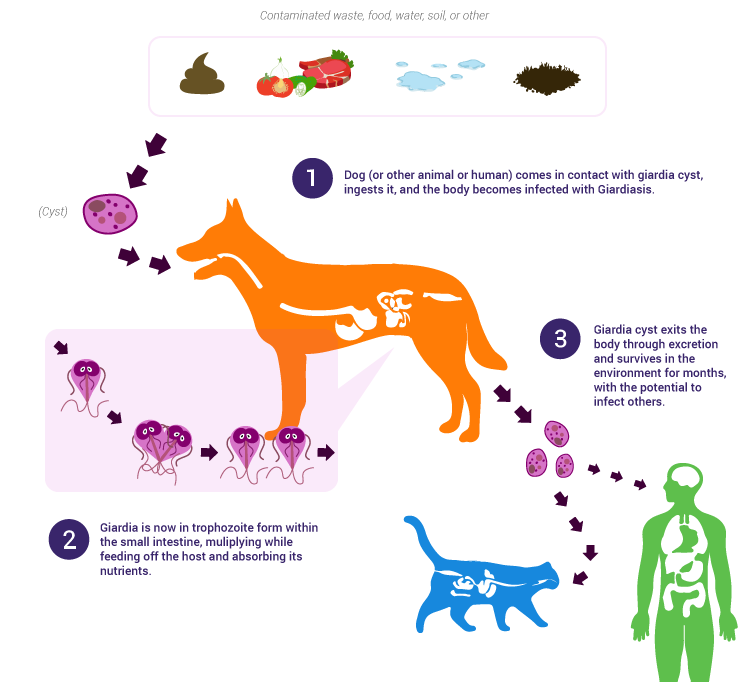
Giardia has a simple life cycle. It exists in two forms: trophozoites and cysts. Trophozoites are the active form. They live in the host’s intestines.
Cysts are the dormant form. They survive outside the host. Cats ingest cysts from contaminated sources. Once inside, cysts release trophozoites.
Trophozoites multiply in the intestines. They cause irritation and symptoms. Eventually, they form cysts again. These cysts are excreted in feces.
The cycle repeats when another cat ingests cysts. This keeps Giardia spreading among cats.
Symptoms In Cats
Giardia in cats can spread easily through contact with contaminated water, food, or feces. Symptoms include diarrhea, weight loss, and lethargy. It’s important to keep infected cats isolated to prevent transmission to other pets.
When considering the health of your feline friend, understanding the symptoms of giardia in cats is crucial. Giardia is a parasite that can lead to gastrointestinal issues. Recognizing the signs early can help you take swift action to ensure your cat’s well-being.Common Signs Of Infection
Cats with giardia may exhibit a variety of symptoms. Diarrhea is the most frequent sign. It can be persistent or intermittent, often with a foul odor. You might also notice your cat experiencing weight loss despite having a healthy appetite. Vomiting and a generally poor coat condition are other indicators of possible infection. These symptoms can be subtle. So, it’s vital to observe any changes in your cat’s behavior or appearance closely.Severity And Impact On Health
The severity of giardia symptoms can vary widely. In some cats, the infection is mild and may go unnoticed for some time. Others may suffer severe dehydration due to persistent diarrhea and vomiting. Giardia can be particularly dangerous for kittens, older cats, or those with weakened immune systems. They are more susceptible to the adverse effects of the infection. If left untreated, giardia can lead to more serious health issues. This includes malnutrition and a compromised immune system. Have you noticed any of these symptoms in your cat? If so, it might be time to consult with your veterinarian. Early diagnosis and treatment are key to preventing further health complications.Transmission Methods
Understanding how Giardia spreads among cats is crucial for effective prevention and care. Transmission methods primarily involve direct contact with infected animals or contaminated environments. Let’s take a closer look at these transmission pathways.
Direct Contact
Direct contact is a significant method through which Giardia can spread among cats. Picture this: your cat is playing with another feline at a neighbor’s house. If that cat is infected, the risk of transmission increases. The parasite can transfer via shared water bowls, litter boxes, or even through grooming each other.
Think about it—how often do you see cats licking each other or sharing toys? These interactions might seem harmless, but they can facilitate the spread of Giardia. Ensuring your cat’s playmates are healthy can make a difference.
Environmental Factors
The environment plays a sneaky role in the transmission of Giardia. If your cat roams outdoors, it might drink from puddles or streams contaminated with the parasite. Even indoor cats can be exposed through contaminated surfaces or objects brought inside.
Imagine walking in the park with your cat on a leash. If they come into contact with contaminated soil or water, they can bring Giardia home. Regular cleaning of your cat’s living space and monitoring their outdoor activities can help mitigate these risks.
Have you ever considered how the simple act of cleaning can impact your cat’s health? By keeping your home and yard free from potential contaminants, you are actively protecting your furry friend from Giardia.
Reflect on these transmission methods. Are there changes you can make to reduce your cat’s exposure? Your proactive steps can safeguard your pet’s health and prevent the spread of Giardia.

Credit: m.facebook.com
Diagnosing Giardia In Cats
Giardia spreads easily among cats, causing stomach issues. Cats catch it from contaminated water, food, or other infected animals. Diagnosing involves stool tests, helping vets identify and treat the infection efficiently.
Diagnosing giardia in cats requires careful observation and attention. Cats often show signs like diarrhea and weight loss. Early detection is key to managing the infection.Veterinary Examination
A veterinary examination is the first step in diagnosing giardia. The vet will observe your cat’s symptoms and behavior. They will check for signs of dehydration and weight loss. A thorough physical exam helps determine the next steps.Diagnostic Tests
Diagnostic tests confirm the presence of giardia in cats. The vet might request a fecal test. This test checks for giardia cysts in the stool. Sometimes, multiple samples are needed for accurate results. An antigen test might also be used. This test detects giardia proteins in your cat’s stool. Both tests are important in confirming a giardia infection. `Treatment Options
Giardia in cats is a common concern for pet owners. Understanding treatment options is crucial for managing this condition effectively. Treatment typically involves medications and supportive care to ensure your cat recovers fully. Let’s explore these options in detail.
Medications For Giardia
Giardia in cats often requires specific medications. Veterinarians commonly prescribe metronidazole, which targets the parasite directly. Another option is fenbendazole, effective in clearing the infection. Administering these medications correctly is crucial for success. Follow your vet’s instructions carefully. Consistency in dosing ensures the best outcomes.
Supportive Care
Supportive care plays a vital role during Giardia treatment. Hydration is essential as diarrhea can lead to dehydration. Provide fresh water at all times. A balanced diet helps maintain strength. Consider feeding easily digestible food. It’s important to monitor your cat’s progress. Look for signs of improvement or any new symptoms. Regular check-ups with the vet help track recovery.
Preventing Infection
Preventing infection from Giardia in cats is crucial to maintaining not only your feline friend’s health but also the overall well-being of your household. Giardia is a microscopic parasite that can cause gastrointestinal issues in cats, and its contagious nature means it can easily spread if not managed properly. By implementing effective prevention strategies, you can significantly reduce the risk of infection and keep your cat healthy and happy.
Hygiene Practices
Good hygiene is your first line of defense against Giardia. Regularly clean your cat’s litter box using hot water and a pet-safe disinfectant. This simple step can drastically minimize the risk of contamination.
Wash your hands thoroughly after handling your cat or cleaning their litter box. Consider wearing gloves during these tasks to add an extra layer of protection. Remember, germs can linger on surfaces, so frequent handwashing is key.
Do you have multiple pets? Make sure to clean their feeding and water bowls daily. Keeping their environment clean prevents the spread of Giardia and other infections.
Environmental Control
Environmental control plays a significant role in preventing Giardia. Regularly clean your home, especially areas your cat frequents. Vacuum carpets and upholstery to remove any parasites that may be lurking.
Consider using a steam cleaner on surfaces your cat touches often. The high temperature can kill parasites and bacteria, ensuring a safer environment for your pet.
Do you allow your cat outdoors? Be cautious, as Giardia can be found in contaminated water sources. Ensure your cat drinks clean, fresh water at all times, and limit their exposure to potentially infected environments.
Preventing Giardia in cats is a matter of diligence and care. By maintaining proper hygiene and controlling your home environment, you can effectively protect your feline companion from this pesky parasite. Are you ready to take these simple yet impactful steps to safeguard your cat’s health?
Giardia And Other Pets
Giardia is a microscopic parasite that affects many animals, including cats. It can cause gastrointestinal issues, making pets quite uncomfortable. Understanding how Giardia spreads among different pets is crucial for preventing outbreaks in your home. Many pet owners worry about the risk of transmission to other animals. Let’s explore how Giardia affects various pets and what safety measures can be taken.
Cross-species Infection
Giardia can infect more than just cats. Dogs, rabbits, and even some birds can be carriers. This makes multi-pet households more challenging. The parasite spreads through contaminated water and feces. Pets sharing spaces or playing together are at risk. Ensuring clean environments is vital to prevent cross-species infection.
Safety Measures
Maintaining hygiene is crucial for preventing Giardia. Regularly clean your pets’ living areas. Provide fresh water and clean feeding bowls daily. Be vigilant about picking up feces in your yard. This reduces the risk of contamination. Regular vet check-ups help detect Giardia early. This minimizes the spread to other pets. Always wash your hands after handling pets or cleaning their areas. Educating family members about these safety practices is also important.

Credit: www.thesprucepets.com
Myths And Misconceptions
Giardia in cats often sparks confusion among pet owners. Many myths surround this parasitic infection, leading to unnecessary worry. Understanding common misconceptions helps clarify the truth about giardia’s contagious nature.
Common Misunderstandings
Some believe giardia spreads easily from cats to humans. This myth causes fear of close contact. In reality, transmission between species is rare. Another common misunderstanding is that giardia always causes symptoms. Many infected cats show no signs at all.
People also think giardia is always severe. This misconception leads to over-treating mild cases. Not all infections require aggressive intervention. Misunderstandings can cause unnecessary stress for pet owners.
Scientific Clarifications
Scientific research provides clarity on giardia’s nature. Studies show that giardia is species-specific. Cats usually contract giardia from contaminated water or feces. The parasite rarely crosses species boundaries.
Research indicates that most cats recover without extensive treatment. The body’s immune system often clears the infection naturally. Scientific findings debunk many myths about giardia’s impact and spread.
Knowledge empowers pet owners to manage giardia effectively. Understanding scientific facts helps reduce fear and misinformation. Reliable information aids in making informed decisions about cat health.
Frequently Asked Questions
Can Cats With Giardia Be Around Other Cats?
Cats with Giardia should be kept away from other cats. Giardia is contagious and spreads through feces. Isolation helps prevent transmission. Ensure proper hygiene and clean litter boxes regularly. Consult a veterinarian for treatment and guidance. Keep infected cats separate until fully treated and cleared by a vet.
How Do You Clean Your House After A Cat Has Giardia?
Disinfect surfaces using a bleach solution, wash bedding and toys in hot water, and vacuum carpets thoroughly. Clean litter boxes daily with a bleach solution. Ensure hands are washed after cleaning and handling your cat.
Is It Common For Humans To Get Giardia From Cats?
Humans rarely contract Giardia from cats. Direct transmission is uncommon. Proper hygiene and regular vet check-ups reduce risks.
Can Giardia Live In Cat Litter?
Giardia can survive in cat litter if contaminated with infected feces. It thrives in moist environments. Regular cleaning and proper hygiene can help prevent the spread. Always wash hands after handling cat litter to reduce infection risk. Keeping litter boxes clean is essential for pet health.
Conclusion
Giardia can spread among cats, causing discomfort and health issues. Keeping litter boxes clean helps prevent it. Regular vet visits are crucial for early detection. Always watch your cat’s health closely. Maintain good hygiene to protect your pet and home.
Giardia is treatable, but prevention is better. Educate yourself about symptoms and treatments. This keeps your cat healthy and happy. Understanding giardia’s contagious nature is key. Act swiftly if you suspect an infection. Your cat’s well-being depends on your care and attention.
Taking these steps ensures a safe environment for your feline friend.

Similar Posts