How Contagious is FIV to Other Cats? Essential Insights
Imagine coming home to your beloved feline, only to wonder if they might be at risk of contracting a virus from another cat. It’s a thought that can send shivers down any pet owner’s spine.
Feline Immunodeficiency Virus (FIV) is a topic that raises many questions and concerns for cat lovers like you. How contagious is it, really? Can your healthy cat catch it just by sharing the same space with an infected one? We’re diving deep into the realities of FIV transmission among cats.
You’ll discover what you need to know to keep your furry friend safe and healthy. We’ll unravel the myths, provide clear facts, and arm you with the knowledge to protect your cherished pet. Keep reading to ensure you’re making informed decisions about your cat’s health and well-being.
Fiv Overview
Feline Immunodeficiency Virus (FIV) is a concern for cat owners. Understanding its contagious nature is essential. FIV affects a cat’s immune system. Cats become vulnerable to infections. Recognizing symptoms early can help manage the condition.
What Is Fiv?
FIV is a viral disease in cats. It targets the immune system. This virus is similar to HIV in humans. Cats with FIV may not show symptoms for years. During this time, they can still transmit the virus.
How Does Fiv Spread?
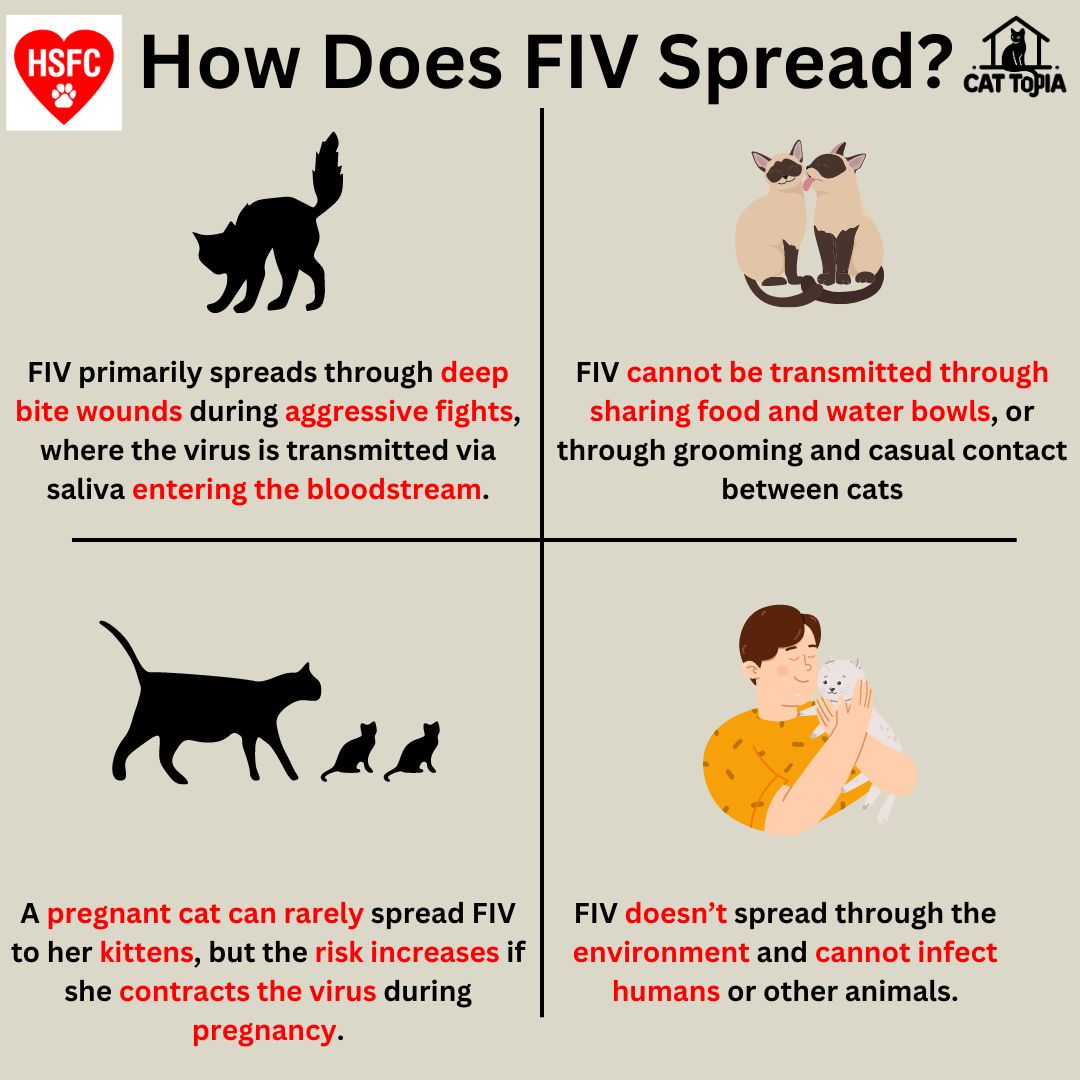
FIV spreads mainly through bite wounds. Cats fighting can transmit the virus. Rarely, it spreads through grooming. It is less likely to spread through casual contact.
Symptoms Of Fiv In Cats
Symptoms vary greatly. Cats may suffer from fever. Weight loss is common. Some cats develop gum infections. Others have respiratory issues. Symptoms may come and go over time.
Preventing Fiv Transmission
Keeping cats indoors reduces risk. Regular vet check-ups are crucial. Avoid contact with stray cats. Neutering reduces fighting and aggression. Vaccination can offer some protection.
Testing For Fiv
Testing involves a simple blood test. Early detection is vital. Regular testing is recommended for outdoor cats. Testing helps manage and monitor the disease.
Credit: www.facebook.com
Transmission Methods
Feline Immunodeficiency Virus (FIV) spreads mainly through bite wounds in cats. Close contact rarely transmits it. Sharing food or water bowls poses minimal risk. Keeping cats indoors helps prevent exposure.
Understanding how Feline Immunodeficiency Virus (FIV) spreads among cats is crucial if you’re a cat owner. By knowing the transmission methods, you can better protect your feline companions. Let’s explore the main ways FIV is transmitted from one cat to another.Bite Wounds
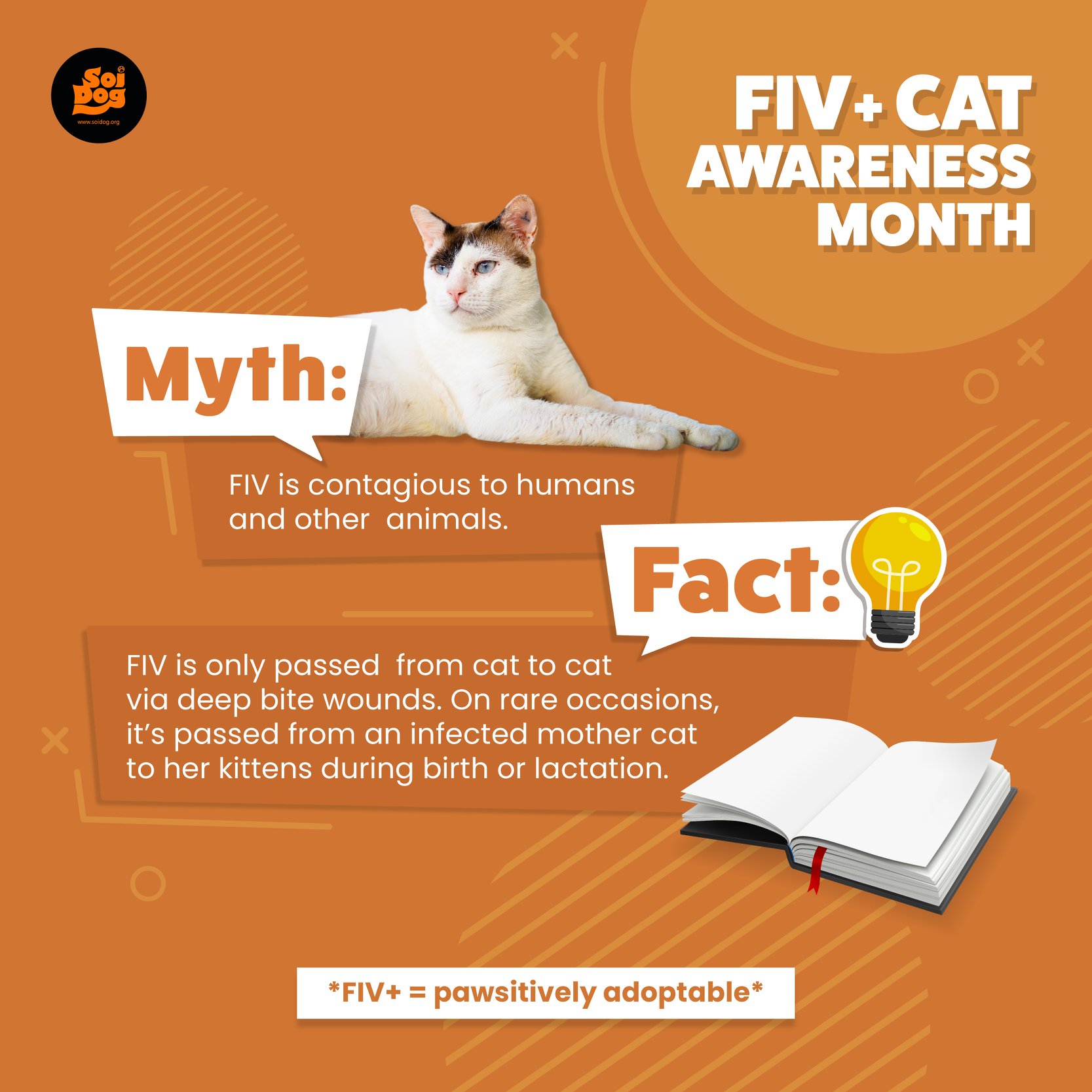
Cats are territorial creatures. When they feel threatened, they may engage in fights that can lead to bite wounds. These wounds are the primary way FIV is spread. The virus is present in the saliva of infected cats, and a bite can easily transfer it to a healthy cat. Imagine your cat getting into a tussle with a stray cat. It’s not just a simple scuffle; it could be a potential health risk. Keeping your cat indoors or supervising outdoor time can minimize the chances of such encounters.Mother To Kitten
The bond between a mother cat and her kittens is precious. However, if the mother is FIV-positive, there’s a risk she might pass the virus to her kittens. Transmission can happen during pregnancy, birth, or while nursing. If you’re considering adopting or fostering a pregnant cat, knowing her FIV status is important. It’s a simple test that can prevent future heartache. Have you ever thought about the impact of early testing and how it can change the course of a kitten’s life? By understanding these transmission methods, you can take practical steps to safeguard your cats. Regular vet visits and awareness of your cat’s interactions can make all the difference.Risk Factors
Understanding the risk factors of Feline Immunodeficiency Virus (FIV) is crucial. It helps in prevention and management. FIV is contagious among cats, and certain factors increase the risk. Knowing these factors can aid cat owners in reducing the spread.
Outdoor Exposure
Cats that roam outside are more likely to catch FIV. They encounter stray cats, increasing the risk of infection. Outdoor cats often engage in fights. This can lead to bites and scratches, which transmit the virus. Keeping cats indoors reduces their exposure to infected felines.
Unneutered Males
Unneutered male cats are at higher risk of FIV infection. They tend to roam and fight more often. Testosterone drives aggressive behavior. This leads to confrontations with other cats. Neutering can reduce these behaviors. It decreases the likelihood of FIV transmission through fights.
Credit: www.facebook.com
Symptoms In Infected Cats
Feline Immunodeficiency Virus (FIV) affects cats’ immune systems. Infected cats show specific symptoms at different stages. Recognizing these signs helps in managing the disease effectively. Monitoring your cat’s health can prevent severe complications. Learn about the symptoms of FIV in cats below.
Early Signs
Early signs of FIV can be subtle. Cats may seem tired or lethargic. Reduced appetite is common. They might have a fever or swollen lymph nodes. These symptoms can mimic other illnesses. Regular vet check-ups can detect FIV early.
Progression Of Disease
As FIV progresses, symptoms become more noticeable. Cats may experience weight loss and poor coat condition. Persistent diarrhea can occur. Frequent infections, like skin or respiratory infections, are signs. Dental issues, like gum disease, might develop. Behavioral changes, such as aggression, can also appear. Monitoring these changes is crucial for care.
Prevention Strategies
Feline Immunodeficiency Virus (FIV) spreads primarily through bites. Keeping infected cats separate reduces risk. Regular vet check-ups help monitor health.
Preventing the spread of FIV among cats is crucial for their health and well-being. If you’ve ever worried about your furry friend’s safety, you’re not alone. Many cat owners find themselves searching for effective strategies to keep their pets safe from this virus. Luckily, there are simple and actionable measures you can take to minimize the risk of FIV transmission. Let’s dive into these prevention strategies and make sure your feline companions stay healthy and happy.Vaccination
Vaccination is a powerful tool in disease prevention. While there isn’t a vaccine for FIV itself, keeping your cat’s overall health in check through regular vaccinations can boost their immune system. Ensure your cat is up-to-date on vaccines for common feline diseases, like rabies and distemper. This provides a strong baseline of protection against potential infections. Consult with your vet about a suitable vaccination schedule tailored to your cat’s lifestyle. Remember, a healthy cat is a resilient cat.Indoor Living
Indoor living significantly reduces your cat’s exposure to infected felines. Cats that roam outdoors are at a higher risk of encountering FIV-positive animals. Consider enriching your indoor environment to keep your cat entertained and active. You can add climbing posts, interactive toys, and cozy resting spots. Does your cat love exploring the outside world? A screened porch or supervised outdoor play area can satisfy their curiosity without compromising safety. Thinking about how these strategies could transform your cat’s life? You’re not just preventing illness; you’re ensuring peace of mind. What steps will you take today to protect your feline friend?Living With Fiv Positive Cats
FIV spreads among cats mainly through deep bite wounds. Sharing food or grooming rarely causes transmission. Keeping FIV positive and negative cats separate during conflicts reduces risk.
Living with a cat diagnosed with FIV can seem challenging. Yet, with the right knowledge, it becomes manageable. FIV, or Feline Immunodeficiency Virus, impacts a cat’s immune system. It’s crucial to understand how to care for FIV positive cats. This ensures they lead happy and healthy lives.Managing Health
Regular veterinary visits are vital for FIV positive cats. This helps monitor their health closely. A balanced diet boosts their immune system. Fresh water should always be available. Vaccinations and parasite control are essential. These steps help prevent secondary infections. Keeping stress levels low also aids their well-being.Coexisting With Other Cats
FIV spreads mainly through deep bite wounds. Friendly cats can often live together without issues. Supervised introductions help ease tension. Neutering reduces aggressive behaviors. This lowers the risk of fights. Clean shared spaces regularly. Provide separate food and water bowls if needed. Observing their interactions ensures harmony in the household.Common Myths
Many cat owners worry about Feline Immunodeficiency Virus (FIV) spreading. Misinformation often leads to unnecessary fear. These myths can affect how we care for cats. Understanding reality helps protect our feline friends.
Myth 1: Fiv Spreads Like Human Cold
FIV does not spread easily. Cats need close contact for transmission. Fights with biting are the main risk. Casual contact, like sharing food, is safe.
Myth 2: All Infected Cats Show Symptoms
Not all infected cats get sick immediately. Some live for years without symptoms. Regular vet check-ups can ensure their health.
Myth 3: Fiv-infected Cats Can’t Live With Others
FIV-positive cats can cohabit with non-infected cats. Non-aggressive cats pose low risk of spreading FIV. Supervised interactions further minimize risks.
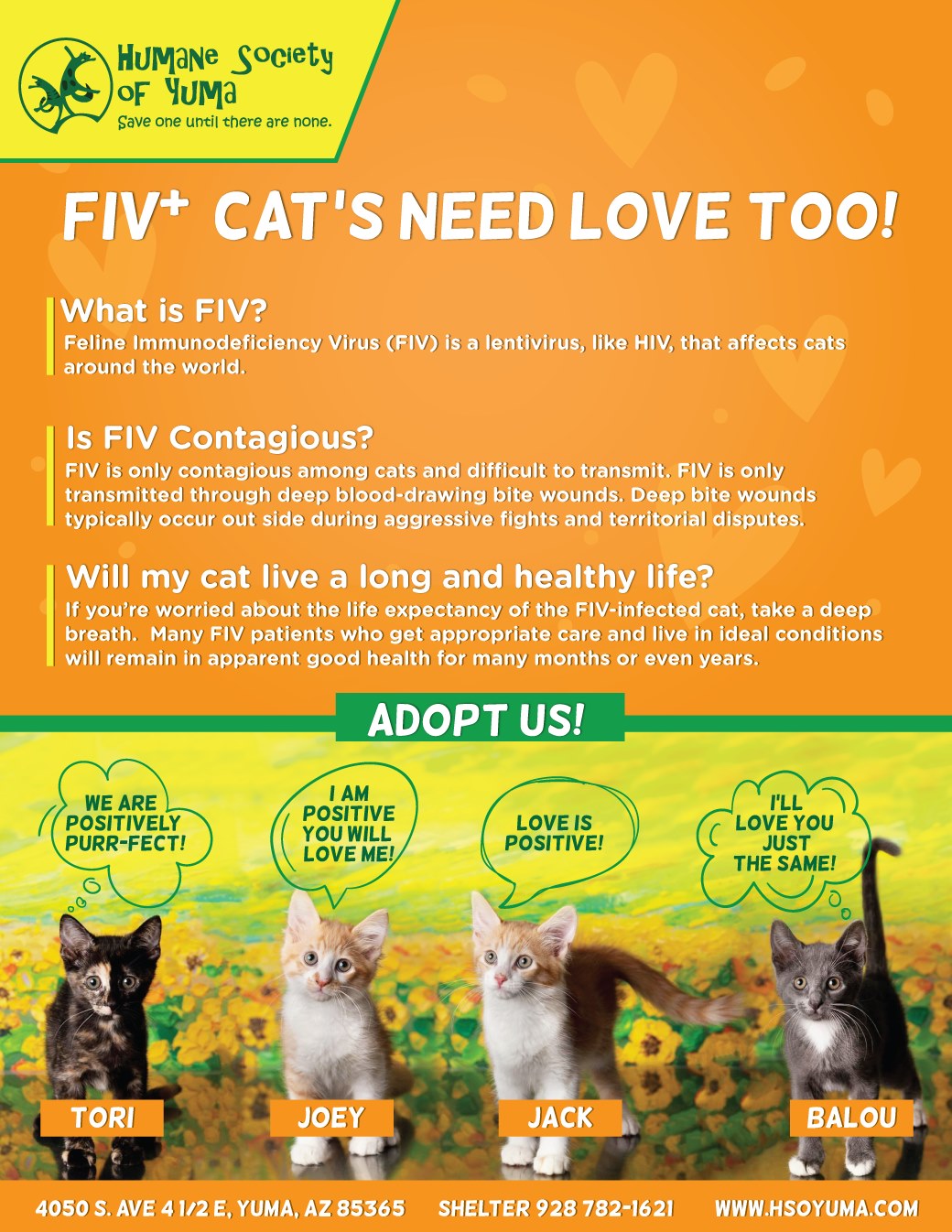
Myth 4: Fiv Is A Death Sentence
FIV is not an immediate death sentence. Many cats live long, healthy lives. Proper care and nutrition play vital roles. Regular veterinary visits are essential.
Myth 5: Vaccines Can Prevent Fiv
No vaccine guarantees complete protection against FIV. Good hygiene and reducing fights help prevent transmission. Always consult your vet for the best advice.

Credit: www.forsythpets.org
Importance Of Regular Vet Visits
Regular vet visits for your cat are crucial. They ensure your feline friend stays healthy and happy. Early detection of illnesses can make a world of difference.
Imagine catching a disease early and preventing it from spreading to other cats. This is possible with routine check-ups. Vets can identify symptoms before they become severe.
But do you really know how often your cat should visit the vet? Many cat owners are surprised to learn that annual visits might not be enough. Some cats, especially older ones, may need semi-annual visits.
Let’s discuss why these visits are essential.
Importance Of Routine Health Checks
Routine health checks play a vital role in keeping your cat safe from contagious diseases like FIV. The vet examines your cat thoroughly, looking for any signs of illness. They can spot even the smallest changes in your cat’s health.
These checks are not just about vaccinations. A vet can advise you on diet, exercise, and preventive care. Each aspect contributes to your cat’s overall well-being.
Early Detection Of Fiv
FIV, or Feline Immunodeficiency Virus, can be hard to detect in its early stages. Regular vet visits increase the chances of catching it early. Early detection can prevent the virus from spreading to other cats.
Vets use specific tests to identify FIV. These tests are quick and straightforward. They offer peace of mind, knowing your cat is free from this disease.
Understanding Transmission Risks
Understanding how FIV spreads is key to protecting your cat. The virus is mainly spread through bites. It’s less likely to spread through casual contact like grooming.
Do you know if your cat has been in a fight recently? A vet can check for bite marks and assess the risk of FIV transmission. This helps in taking swift action to prevent the disease from spreading.
Tailored Advice From Your Vet
Every cat is unique, and so are their health needs. Regular vet visits allow you to get tailored advice. The vet considers your cat’s age, lifestyle, and medical history.
Vets can recommend specific vaccinations or treatments based on your cat’s risk factors. This personalized care is invaluable in maintaining your cat’s health.
Building A Relationship With Your Vet
Frequent visits help build a strong relationship with your vet. This trust makes it easier to discuss concerns and get reliable advice. Your vet can become a partner in ensuring your cat’s health.
Have you ever hesitated to ask a question about your cat’s health? A good relationship with your vet can eliminate that hesitation. You’ll feel more comfortable seeking help when needed.
Are you ready to prioritize regular vet visits? Your cat’s health and happiness depend on it. Make those appointments and give your feline friend the care they deserve.
Frequently Asked Questions
Can You Have Another Cat If Your Cat Has Fiv?
Yes, you can have another cat if your cat has FIV. Ensure the new cat is also FIV-positive or vaccinated. Separate cats during introductions to minimize stress and potential transmission. Regular vet check-ups help maintain their health and safety.
Can Fiv Be Transmitted To Other Cats By Saliva?
FIV can be transmitted through saliva, mainly during aggressive fights where bites occur. Casual contact like sharing food bowls or grooming rarely spreads the virus. To prevent FIV, keep infected and uninfected cats separated. Regular vet check-ups help in early detection and management of FIV.
Can Cats Get Fiv From Sharing A Litter Box?
Cats cannot contract FIV from sharing a litter box. FIV spreads through bite wounds during fights. It’s essential to monitor interactions among cats, especially if one is infected. Keeping infected and healthy cats separate can reduce transmission risk. Regular vet visits ensure early detection and management of FIV.
Do Fiv-positive Cats Need To Be Isolated?
FIV-positive cats don’t always need isolation. They can live with other cats if there’s no aggression. Regular veterinary check-ups and a healthy diet are essential. Always consult a vet to determine the best care for your FIV-positive cat.
Conclusion
FIV can spread between cats, but it’s not highly contagious. It requires close contact like bites. So, keep your cats indoors. This reduces the risk of fights. Regular vet check-ups are crucial. They help catch any signs early. Vaccinations and spaying or neutering also help.
They lower aggression and roaming. Awareness is key for prevention. Educate yourself about FIV. Protect your feline friends with proper care. Always consult a vet for guidance. Keep your cats safe and healthy. FIV is manageable with the right steps.
Remember, your cat’s health is in your hands.

Similar Posts