How Train a Cat to Use Litter Box: Expert Tips

Training your cat to use the litter box might seem like a daunting task, but it doesn’t have to be. Imagine a home free from unwanted messes and a kitty that confidently heads to its designated spot every time nature calls.
Sounds perfect, right? You’re not alone if you feel overwhelmed, but the good news is that with the right approach, patience, and a little bit of understanding of your cat’s natural instincts, success is within reach. In this guide, you’ll discover simple, effective steps that make litter box training a breeze.
You’ll learn how to set up the perfect litter box, understand your cat’s behavior, and create an environment that encourages your feline friend to develop good habits. Stick with us, and soon, you’ll be well on your way to a cleaner home and a happier cat.
Choosing The Right Litter Box
Training a cat to use a litter box starts with choosing the right one. The perfect litter box makes your cat feel comfortable and safe. It encourages consistent use. Selecting the right size, design, and location is crucial. Let’s explore what to consider when picking a litter box for your feline friend.
Size And Design
The litter box should be large enough for your cat to move freely. Cats need space to dig and turn around. A small box can make them feel cramped. An uncovered design offers easy access and lets your cat feel safe. If you have an older cat, consider a box with lower sides. It helps them enter and exit easily. Some boxes have high sides to keep litter inside. Choose what suits your cat’s needs best.
Location Considerations
Place the litter box in a quiet, private area. Cats prefer a calm spot where they feel secure. Avoid areas with loud noises or heavy foot traffic. The location should be easily accessible at all times. If you have multiple cats, each should have its own box. Spread them out in different locations. This reduces territorial issues and stress. Keep the box away from food and water dishes. Cats like to keep these activities separate.
Selecting The Ideal Cat Litter
Choosing the right cat litter is crucial for training success. Cats are picky. They need a litter that feels and smells right. Picking the wrong one can cause litter box rejection. Let’s dive into the types of cat litter available. This will help you make the best choice for your feline friend.
Types Of Cat Litter
There are several types of cat litter to consider. The most common is clay litter. It clumps well, making cleanup easy. Another option is silica gel litter. It absorbs moisture and controls odors. Biodegradable litter is also available. Made from natural materials, it’s eco-friendly. Each type has its pros and cons. Consider your cat’s preferences and your lifestyle.
Scented Vs. Unscented Options
Cats have a strong sense of smell. Scented litter can mask odors for humans. But it might be too strong for cats. Unscented litter is often more natural for them. It allows your cat to feel comfortable. Test both options to see your cat’s preference. A happy cat is more likely to use the litter box.
Litter Box Placement Strategies
Training a cat to use a litter box starts with smart placement. The right spot makes all the difference. Cats are particular about their environment. A strategic location can ease the training process. Consider these placement strategies for success.
Quiet And Accessible Areas
Place the litter box in a quiet area. Cats need privacy when using it. Loud noises can scare them away. Choose a calm spot away from household chaos. Ensure easy access at all times. Cats prefer convenience. They dislike obstacles in their path. Make sure the litter box is reachable. This encourages regular use.
Avoiding High Traffic Zones
Keep the litter box out of busy areas. High traffic zones can disturb cats. Constant movement can cause stress. Cats like to feel safe when using the box. Busy areas can make them anxious. Choose a spot with minimal distractions. This helps your cat feel comfortable.
Introducing The Cat To The Litter Box
Introducing a cat to the litter box involves patience and gentle guidance. Place the litter box in a quiet spot. Show your cat where it is. Encourage them to use it after meals and naps. Clean the box regularly to keep it fresh and inviting.
Introducing a cat to a litter box can be an exciting yet challenging endeavor. Whether you’re a new cat owner or adding a new furry friend to your family, the litter box is a crucial part of your cat’s daily routine. Success here can mean fewer messes and a happier household.Gradual Introduction Techniques
Start by placing the litter box in a quiet, accessible spot. Cats appreciate privacy, and a calm environment helps them feel secure. Gently introduce your cat to the litter box by placing them in it after meals or naps. This is when they’re most likely to need it. Observe your cat’s behavior. Are they curious or hesitant? Understanding their reactions can guide your approach.Encouragement And Positive Reinforcement
Reward your cat when they use the litter box. A treat or gentle praise can reinforce the desired behavior. Avoid scolding if accidents happen. Instead, clean the area thoroughly to remove any lingering scent that might attract repeat incidents. Be patient. Consistency and encouragement will build your cat’s confidence in using the litter box. Engage with your cat during these training sessions. Have you ever noticed how they respond to positive attention? This bond strengthens their willingness to learn. Training a cat to use a litter box is more than just a task; it’s an opportunity to connect with your pet. What techniques have worked for you? Share your experiences and insights!Maintaining A Clean Litter Box
Teaching a cat to use a litter box starts with choosing the right box and placing it in a quiet spot. Encourage your cat by gently placing them in the box after meals or naps. Clean the box regularly to keep it inviting and fresh.
Maintaining a Clean Litter Box A clean litter box is essential for your cat’s hygiene and happiness. Imagine walking into a bathroom that hasn’t been cleaned in days—unpleasant, right? Your cat feels the same way. Keeping the litter box clean not only encourages your feline friend to use it regularly but also prevents unpleasant odors from taking over your home. Let’s dive into some straightforward ways to ensure your cat’s litter box remains clean and inviting.Regular Cleaning Schedule
Setting up a regular cleaning schedule is crucial. Scoop out waste daily. This keeps the litter fresh and reduces the chance of smells developing. Consider doing it at the same time every day. This routine can become part of your daily tasks, just like feeding your cat or watering the plants. If you have more than one cat, scoop twice a day. Cats are picky about cleanliness, and having extra paws in the house can increase litter box use.Deep Cleaning Tips
Deep cleaning is necessary to ensure the litter box stays in top shape. Empty the entire box weekly. Dispose of old litter and wash the box with warm water and mild soap. Avoid strong-smelling cleaners. Cats have sensitive noses, and a lingering scent can deter them from using the box. Dry the box thoroughly before adding fresh litter. Moisture can lead to mold and bacteria, which are harmful to your cat’s health. Think about it: Would you want to use a damp bathroom? Your cat doesn’t either. Keep it dry, clean, and welcoming. By following these steps, you’ll not only maintain a clean litter box but also keep your cat happy and healthy. What’s your routine like for keeping the litter box clean?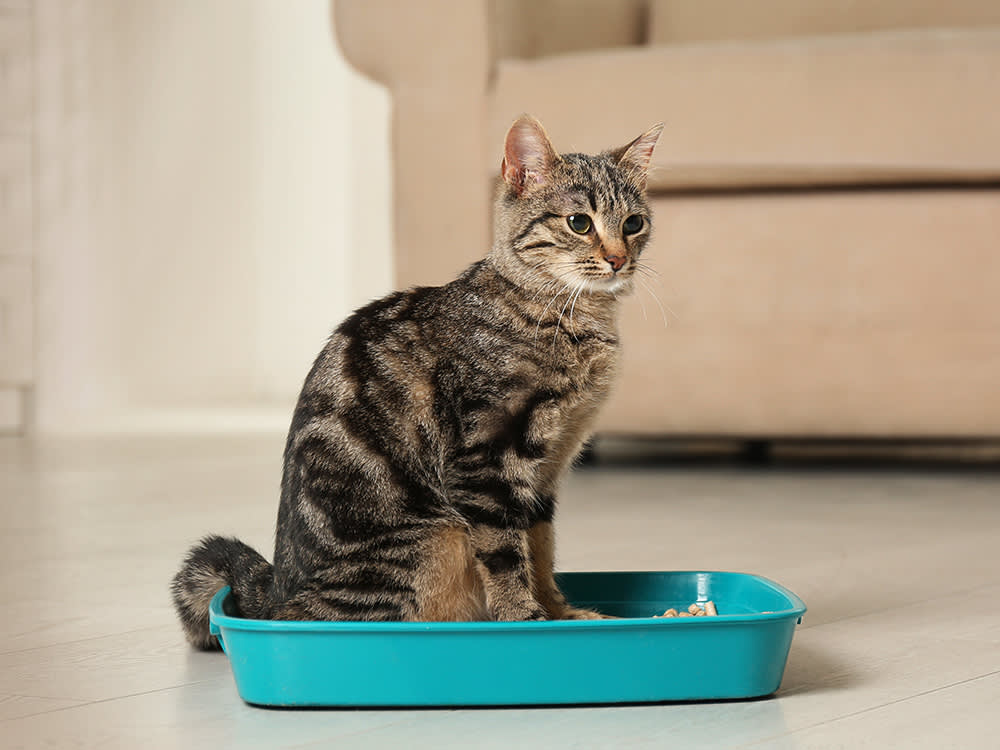
Credit: www.kinship.com
Troubleshooting Common Issues
Training a cat to use a litter box can be challenging. Consistency helps resolve common issues like accidents outside the box. Choosing the right litter and box size makes a big difference.
Training your cat to use the litter box can be smooth sailing until you hit a bump. Sometimes, even with the best efforts, your feline friend might resist or stray from their litter box routine. Understanding and addressing these common issues can make all the difference. Let’s dive into some practical solutions for these challenges.Addressing Litter Box Avoidance
If your cat is avoiding the litter box, the first step is to evaluate its location. Cats prefer a quiet, private spot. Is the box in a noisy or high-traffic area? Consider the type of litter you’re using. Some cats are picky about the texture or scent. You might need to experiment with different options. Cleanliness is crucial. Cats are fastidious creatures. A dirty litter box can be a major turn-off. Ensure it’s cleaned daily and replace the litter regularly.Health Concerns And Vet Visits
Litter box issues can sometimes signal health problems. If your cat suddenly changes its habits, it might be time to visit the vet. Could there be an underlying medical issue? Common issues include urinary tract infections or digestive problems. These can cause discomfort, leading your cat to associate the box with pain. A vet visit can provide peace of mind. It ensures your cat’s behavior isn’t linked to health concerns. Trust your instincts—if something feels off, don’t hesitate to consult a professional. Addressing these issues thoughtfully can restore harmony to your household. What steps will you take to ensure your cat’s litter box experience is stress-free?Training Kittens Vs. Adult Cats
Training kittens is easier than adult cats. Kittens learn quickly with patience and gentle guidance. Adult cats may need more time and encouragement. Ensure the litter box is clean, accessible, and placed in a quiet spot for best results.
Training a cat to use the litter box can differ based on age. Kittens and adult cats have distinct learning needs. Understanding these can help in effective training.Unique Challenges With Kittens
Kittens are naturally curious. They explore their surroundings with enthusiasm. This curiosity is both a benefit and a challenge. They might see the litter box as a playground at first. Introduce them to the box early. Consistency is key. Place them in the box after meals. Also, after naps. This helps build a routine. Accidents might happen. Be patient. Never scold them. Positive reinforcement works best. Praise them when they use the box correctly.Adjusting Techniques For Adult Cats
Adult cats may need a different approach. They might have past experiences with litter boxes. These experiences can be positive or negative. Observe their behavior closely. Choose a quiet spot for the litter box. This ensures privacy. Some adult cats are set in their ways. Transitioning them to a new box might require gradual steps. Introduce the new box alongside the old one. Gradually remove the old box once they adjust. Keep the litter box clean. Cats prefer clean spaces. Regular cleaning can encourage usage.
Credit: hoosierfix.com
Expert Tips For Successful Training
Training a cat to use a litter box involves patience and consistency. Start by placing the box in a quiet spot. Encourage your cat by gently placing them in the box after meals.
Training your cat to use the litter box might feel like a daunting task, but with the right approach, it can be a smooth process. Expert tips can make this journey easier and more effective for both you and your feline friend. From practicing patience to using rewards wisely, these strategies will help you navigate litter box training successfully.Patience And Consistency
Training a cat requires patience. Cats might not catch on immediately, and that’s okay. Remember, every cat is different. Some may take a day, while others need a week or more. Stay consistent with your approach. Consistency is key. Place the litter box in the same location, and guide your cat to it regularly. Your calm demeanor will reassure your cat, making them more willing to learn. Have you ever noticed how cats respond to routines? Use this to your advantage. Establish a routine for litter box visits, just as you would with feeding times.Using Rewards Effectively
Rewards can be a powerful motivator. Praise your cat or offer a treat when they successfully use the litter box. This positive reinforcement encourages them to repeat the behavior. Think about what your cat loves most. Is it a particular treat or toy? Use these as rewards to make the training process enjoyable. Be mindful of timing. Reward immediately after your cat uses the litter box. This helps them associate the act with the positive outcome. Wouldn’t you agree that instant gratification can be quite motivating? Using these expert tips, you can guide your cat towards mastering the litter box with ease. Remember, patience and rewards go a long way in creating successful training experiences. What’s your go-to strategy for training your pet?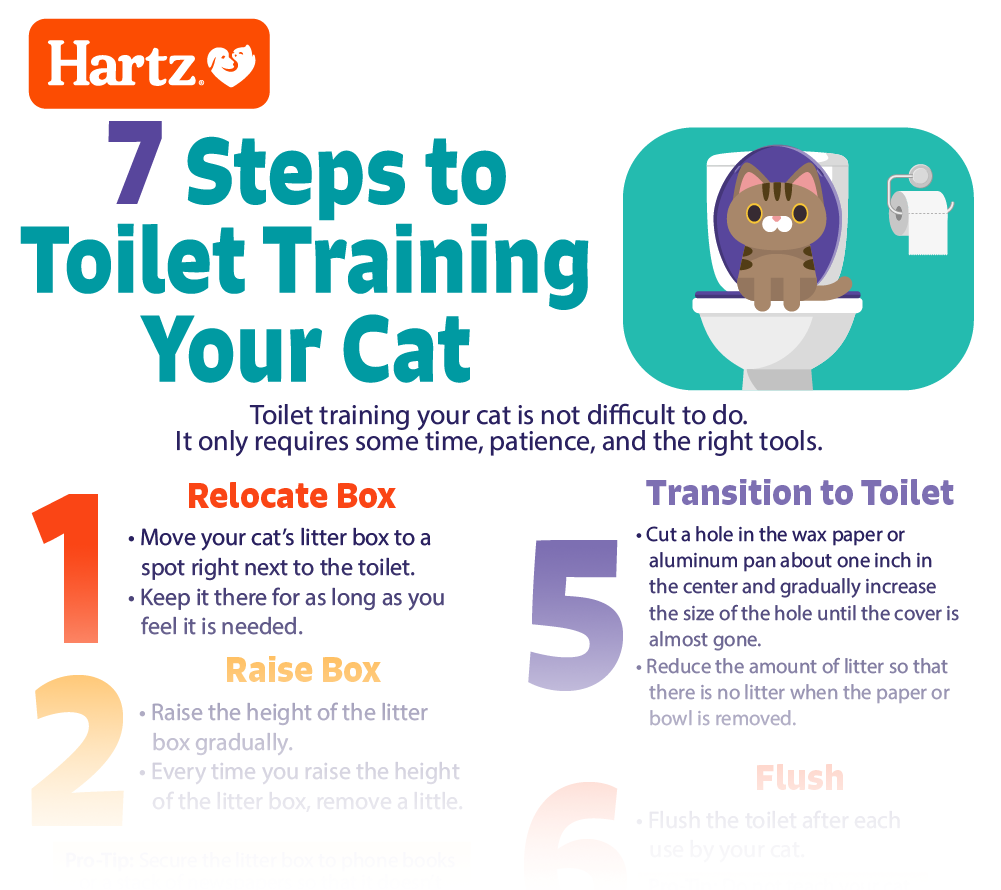
Credit: www.hartz.com
Frequently Asked Questions
How Do I Get My Cat To Use The Litter Box?
Place the litter box in a quiet, accessible area. Use unscented litter and clean regularly. Encourage your cat with praise or treats after use.
How Long Does It Take For A Cat To Learn How To Use A Litter Box?
Cats typically learn to use a litter box within a few days to a week. Kittens often adapt faster. Ensure the box is clean, accessible, and placed in a quiet location. Positive reinforcement helps in training. Consistency is key for successful litter box usage.
Do Cats Train Themselves To Use The Litter Box?
Cats naturally use litter boxes due to instinct. Owners should guide kittens by placing them in the box. Positive reinforcement encourages proper use. Training is usually quick and straightforward with minimal effort. Most cats adapt easily to litter boxes, making them convenient pets.
Do Cats Prefer Open Or Closed Litter Boxes?
Cats have individual preferences for litter boxes. Some prefer open boxes for easy access and ventilation. Others feel secure in closed boxes. Observe your cat’s behavior to determine their preference. Providing both options can help you identify which type they favor.
Conclusion
Training your cat to use a litter box is simple. Start with a comfortable box and location. Consistency is key; stick to a routine. Praise your cat for using the box correctly. Clean the box regularly to keep it inviting.
Patience is important; every cat learns at its own pace. Watch for any signs of discomfort or issues. This ensures a smooth transition for your furry friend. Remember, a little effort goes a long way. Soon, your cat will be a litter box pro.
Enjoy the clean and happy home environment!

Similar Posts