How to Train Your Cat to Use the Litter Box: Expert Tips
Is your new feline friend making a mess outside the litter box? You’re not alone.
Many cat owners face this challenge, but the good news is that training your cat to use the litter box is easier than you might think. Imagine a clean home where your furry companion instinctively knows where to go, saving you time and stress.
This isn’t just a dream—it’s a reality you can achieve with the right approach. In this guide, you’ll discover simple, effective techniques to encourage your cat to use the litter box. We’ll explore the secrets behind why cats might avoid the box and how to gently guide them back. Are you ready to transform your home into a peaceful, odor-free haven? Keep reading to learn how to make your life—and your cat’s—happier and cleaner.
Choosing The Right Litter Box
Choosing the right litter box is crucial for your cat’s comfort. A well-selected litter box helps your cat feel secure. It also minimizes mess and odors in your home. Finding the perfect fit involves considering several factors.
Size And Shape Considerations
The size of the litter box matters. Cats need enough space to move and dig comfortably. A box that’s too small can lead to accidents outside the box. Large litter boxes provide ample room for turning and scratching. The shape also plays a role. Rectangular boxes fit neatly in corners. Round boxes might be easier for cats to enter and exit.
Covered Vs. Uncovered Options
Covered litter boxes offer privacy. They contain odors better than uncovered ones. Some cats prefer the feeling of security they provide. Uncovered boxes are open and airy. They allow your cat to see the surroundings. This can be more inviting for some cats. Choose based on your cat’s personality and preference.
Selecting The Ideal Litter
Selecting the right cat litter is crucial for successful litter box training. Cats have unique preferences. The wrong choice may lead to accidents outside the box. Understanding different types of litter can make this process easier.
Types Of Cat Litter
Cat litter comes in various forms. Each has its own benefits. Clay litter is popular and affordable. It clumps well, making cleaning easier. Silica gel litter absorbs moisture and controls odor. It lasts longer than clay. Biodegradable litter is made from natural materials like corn or wheat. It is eco-friendly and safe for cats.
Scented Vs. Unscented Choices
Scented litter masks odors with fragrances. Some cats might dislike the strong smell. It can deter them from using the box. Unscented litter is neutral. It relies on natural odor control. Cats with sensitive noses prefer this type. Always observe your cat’s preference. Switching litter types can solve many litter box issues.
Finding The Perfect Location
Training your cat to use the litter box starts with finding the perfect location. This decision can impact your cat’s comfort and success. A strategic spot ensures your cat feels safe and uses the box consistently.
Quiet And Accessible Spots
Cats prefer quiet places away from loud noises. Choose a spot where your cat can feel calm. Ensure the area is easy for your cat to reach. This encourages regular use of the litter box. Avoid locations that require climbing or jumping. Keep the path to the litter box clear and simple.
Avoiding High Traffic Areas
High traffic areas can stress your cat. Avoid places like hallways or near doors. These areas can be noisy and busy. Cats may avoid the litter box if they feel disturbed. Choose a spot where people rarely pass by. This gives your cat privacy and peace.
Credit: www.banfield.com
Introducing The Litter Box To Your Cat
Training your cat to use the litter box can be a rewarding experience. Cats are naturally clean animals, but introducing them to a litter box needs patience. Understanding your cat’s behavior helps in this process. A well-planned introduction ensures your cat feels comfortable. This makes training easier and reduces stress for both of you.
Gradual Familiarization Techniques
Start by placing the litter box in a quiet spot. Cats prefer privacy when using the litter box. Let your cat explore the area around the box. Do not rush this step. Allow your cat to sniff and inspect the box. Keep the box clean and fresh. Cats dislike dirty environments. Gradually, your cat will start associating the box with its needs.
Positive Reinforcement Strategies
Encourage your cat with praise when it uses the litter box. Use a gentle voice to show approval. You can also offer a small treat as a reward. This creates a positive association for your cat. Avoid scolding your cat for mistakes. Negative reactions can create anxiety. Always focus on positive reinforcement. This builds trust and confidence in your cat.
Maintaining Cleanliness
Training your cat to use the litter box enhances cleanliness in your home. Start by placing the litter box in a quiet, accessible area. Encourage your cat by gently guiding them to the box after meals and naps.
Maintaining cleanliness in your cat’s litter box is crucial. It ensures your feline friend stays happy and healthy. A clean environment encourages consistent use of the litter box. Cats are naturally clean animals. They avoid dirty or smelly spaces. Keeping their litter box fresh can prevent accidents elsewhere in your home.Regular Cleaning Routine
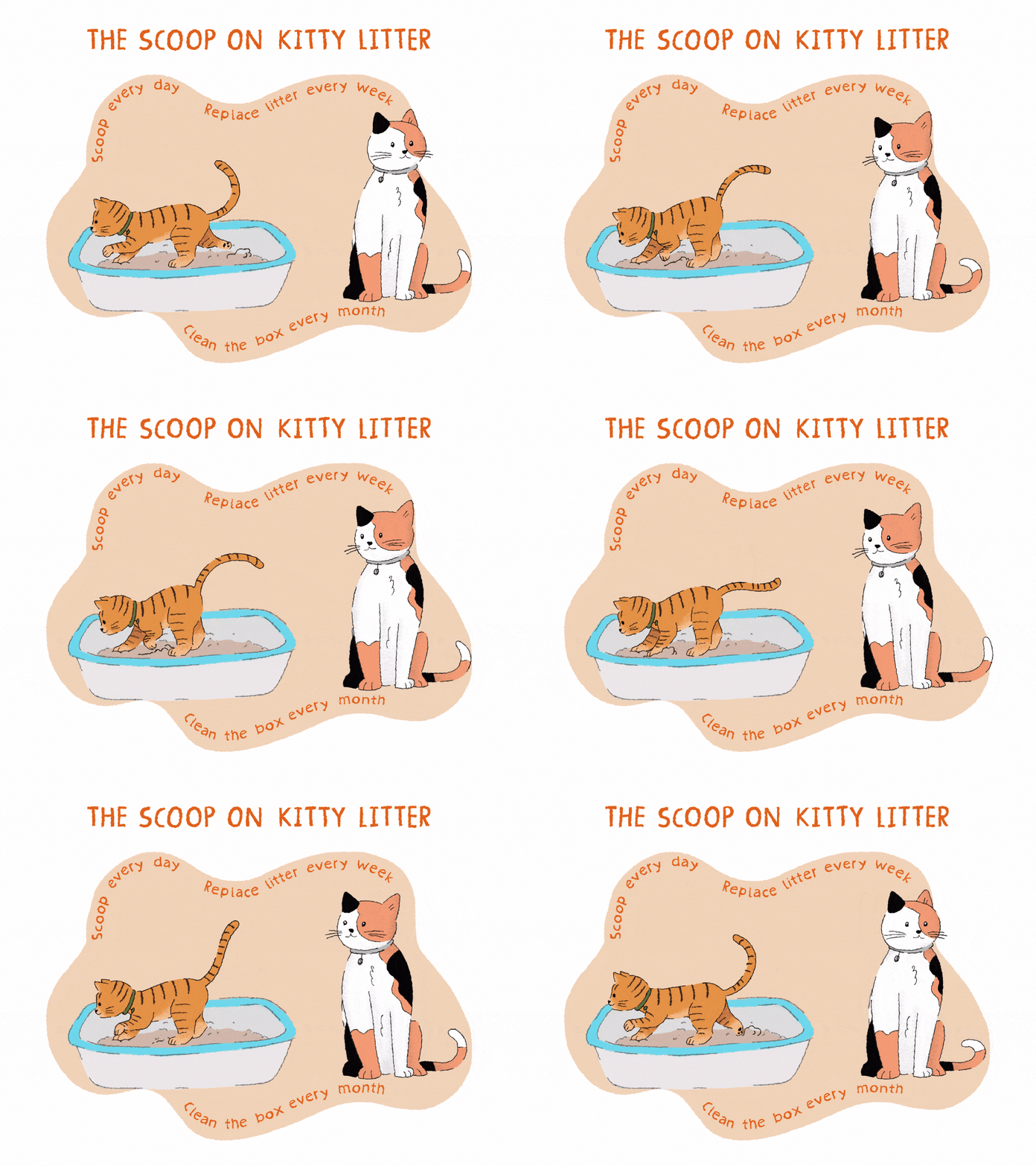
Cleaning the litter box should be a daily task. Scoop out waste at least once a day. This prevents buildup and keeps odors at bay. Dispose of the waste in a sealed bag. It helps control smells and bacteria growth. Every week, replace the old litter entirely. Wash the box with soap and water. Make sure to dry it thoroughly before adding new litter. This routine keeps the box inviting for your cat.Handling Litter Box Odors
Odors can be a challenge, but they are manageable. Use clumping litter to make scooping easier. Clumping litter locks in smells better than non-clumping options. Consider adding a deodorizer to the litter. Baking soda can be an effective, natural choice. Ensure the box is in a well-ventilated area. Good airflow reduces odor concentration. If smells persist, check the box for any damages or leaks. Sometimes, replacing the box might be necessary. Keeping the litter box odor-free ensures a pleasant environment for everyone.
Credit: www.hartz.com
Addressing Common Issues
Training your cat to use the litter box can be challenging. Many cat owners face common issues during this process. Addressing these problems is crucial for a successful training experience. With patience and understanding, you can resolve these issues effectively. Let’s explore some common hurdles and how to tackle them.
Dealing With Accidents
Accidents can happen during the litter training phase. It’s important to clean them thoroughly. Use an enzyme-based cleaner to remove odors. This prevents your cat from returning to the same spot. Avoid scolding or punishing your cat. It can create fear and anxiety. Instead, guide them gently back to the litter box. Consistent encouragement helps reinforce positive behavior.
Understanding Behavioral Problems
Cats may avoid the litter box due to stress or discomfort. Identify any changes in their environment or routine. Loud noises or new pets can cause anxiety. Offer a quiet and safe space for them. Ensure the litter box is clean and accessible. Some cats dislike certain types of litter. Experiment with different textures to find a preferred option. If problems persist, consult a veterinarian. They can rule out medical issues and provide guidance.
Monitoring Your Cat’s Health
Training your cat to use the litter box is crucial for its health. Start by placing the litter box in a quiet, accessible area. Encourage your cat with gentle guidance and praise when it uses the box correctly.
Monitoring your cat’s health is crucial in ensuring their litter box habits are on track. A healthy cat is more likely to use the litter box consistently. But how do you know if your cat’s health is affecting their litter box behavior? Paying attention to your cat’s health can save you time and stress in training them to use the litter box.Signs Of Health Problems
Cats often hide their illnesses. You need to be observant. Changes in litter box habits can be a red flag. Look for signs like increased urination or defecation, straining, or crying when in the litter box. These can be indicators of a urinary tract infection or digestive issues. If you notice unusual smells or colors in their waste, it might be time for a closer look. Has your cat stopped using the litter box altogether? This could also be a symptom of an underlying health issue. Don’t dismiss these changes as mere behavior problems.When To Consult A Veterinarian
So, when should you take your cat to the vet? If you notice any of the signs mentioned, it’s better to be safe than sorry. A vet can perform tests to rule out medical conditions that might be affecting your cat’s litter box use. Early detection can save your cat from discomfort and you from future complications. Remember the time when I thought my cat was just being rebellious by avoiding the litter box? It turned out she had a urinary tract infection. A quick vet visit saved her from pain and saved me from a messy home. Do you want to ensure your cat’s litter box habits remain consistent? Keep a close eye on their health. A small change today can prevent bigger issues tomorrow.
Credit: www.youtube.com
Advanced Training Techniques
Teaching your cat to use the litter box involves patience and consistency. Start by placing the litter box in a quiet area. Encourage your cat with gentle guidance and rewards.
Training your cat to use the litter box can be straightforward, but what if your feline friend needs a little extra guidance? Advanced training techniques can help. These methods are especially useful if your cat is resistant or if you simply want to make the process smoother and more engaging for both of you. With a combination of clicker training, treats, and toys, you can turn litter box training into a rewarding experience.Clicker Training Methods
Clicker training is a great way to communicate with your cat. It’s based on positive reinforcement, using a small device that makes a clicking sound. Each time your cat successfully uses the litter box, you click the device and offer a reward. The clicker helps your cat associate the sound with a positive action. You might wonder, “Does my cat really understand this?” Try it out. You might be surprised at how quickly they catch on. Start by clicking when your cat sniffs around the litter box. Gradually, click only when they use it correctly. Soon, your cat will be seeking that click!Using Treats And Toys
Treats and toys are powerful motivators. They can make training more fun and less of a chore. After your cat uses the litter box, give them a treat or play with their favorite toy. This reinforces good behavior with immediate rewards. Consider this: Would you be more motivated by a reward after completing a task? Your cat thinks the same way. Create a routine. After each successful litter box use, indulge your cat with a treat or a short play session. Over time, your cat will associate the litter box with positive experiences. Both clicker training and the use of treats and toys require consistency. Regular rewards ensure your cat understands what behavior is expected. By using these advanced techniques, you not only teach your cat where to go, but also strengthen your bond with them. Have you ever wondered how far patience and creativity can take you in training your pet? Give these methods a try and watch your cat become a litter box pro!Frequently Asked Questions
How Do I Get My Cat To Use The Litter Box?
Place the litter box in a quiet, accessible area. Show your cat the box, and gently place them inside. Keep the box clean by scooping daily. Use unscented litter to avoid irritation. Encourage your cat with praise when they use the box correctly.
How Long Does It Take To Teach A Cat To Use A Litter Box?
Teaching a cat to use a litter box typically takes about one to two weeks. Consistency is key. Start by placing the cat in the box after meals. Encourage positive behavior with rewards. Most cats learn quickly, but patience is important.
Ensure the litter box is clean and accessible.
Do Cats Train Themselves To Use The Litter Box?
Cats instinctively use litter boxes due to their natural behavior to bury waste. Owners can encourage this with clean boxes and proper placement. Early exposure and positive reinforcement help cats learn quickly, making litter box training relatively straightforward.
Do Cats Prefer Open Or Closed Litter Boxes?
Cats usually prefer open litter boxes for better visibility and accessibility. Closed boxes can trap odors, which some cats dislike. Individual preferences may vary, so observe your cat’s behavior to determine their comfort. Offering both options might help find the best fit for your pet’s needs.
Conclusion
Training your cat to use the litter box takes patience and love. Start with a clean, accessible box. Encourage your cat with gentle guidance. Praise small successes. Keep the litter box in a quiet, calm spot. Routine helps your cat learn quickly.
Be patient if accidents happen. Clean up accidents without scolding. Consistency is key for success. Each cat is unique. Some learn faster than others. Stick with it, and you’ll see progress. Enjoy the bond you build with your cat. A happy cat makes a happy home.

Similar Posts