How Do You House Train a Cat: Expert Tips Revealed
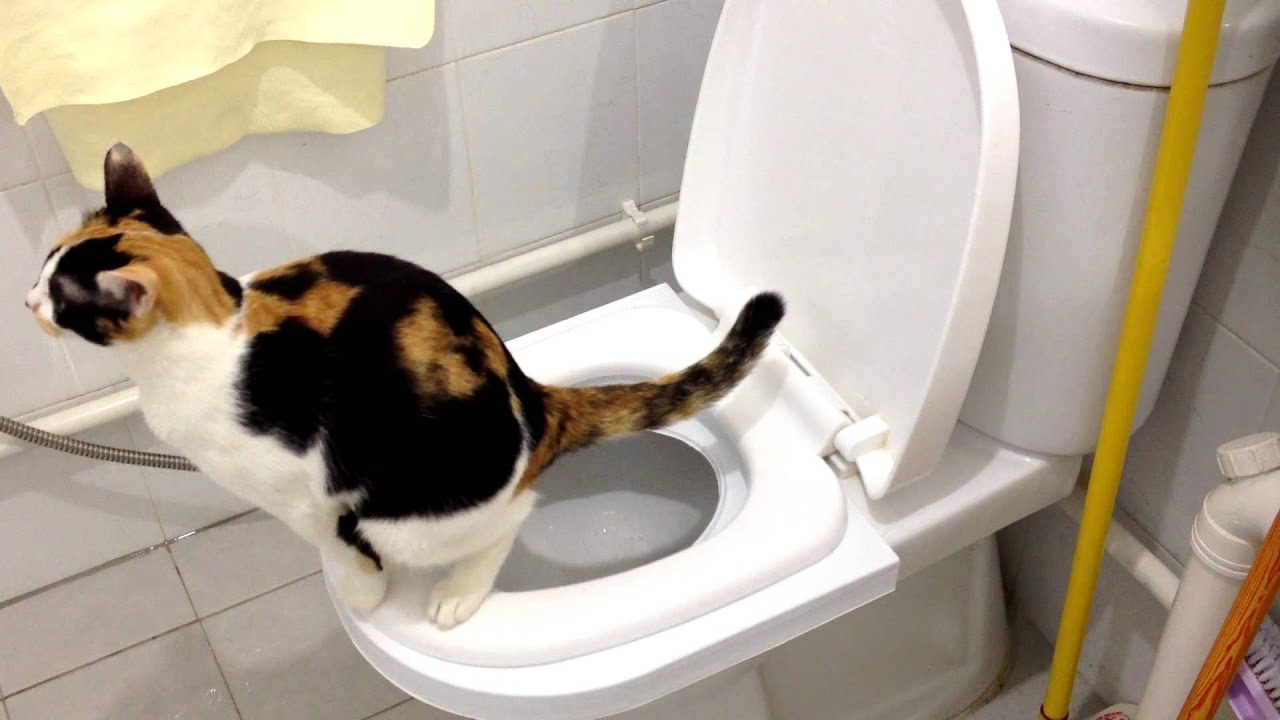
Imagine coming home to find your favorite couch scratched or discovering unpleasant surprises on the carpet. If you’re a cat owner, these scenarios might sound all too familiar.
House training a cat is often seen as a daunting task, but it doesn’t have to be. You can transform your feline friend into a well-behaved companion with the right approach. This article is your guide to understanding how to house train your cat effectively.
You’ll find simple strategies that can make a world of difference and tips to avoid common pitfalls. Dive in, and discover how you can create a harmonious home environment for both you and your cat. Your journey to a cleaner, happier home starts here.
Choosing The Right Litter Box
Choosing the right litter box is crucial for successfully house training your cat. The perfect litter box can make the process smoother and less stressful for both you and your furry friend. It’s not just a container for litter; it’s a key element in your cat’s daily routine. But how do you pick the right one? Let’s dive into the details.
Types Of Litter Boxes
There are several types of litter boxes available, each catering to different needs. Standard open boxes are simple and easy to access, ideal for cats who prefer a straightforward approach. Covered boxes offer privacy and help contain odors, but some cats might feel trapped inside.
Self-cleaning boxes can be a lifesaver for busy households, automatically scooping waste. However, they can be noisy, which might deter some cats. Consider your cat’s personality and habits before making a choice.
Size And Location Considerations
The size of the litter box is important for your cat’s comfort. A box that’s too small can be uncomfortable, causing your cat to avoid it. Make sure there’s enough room for your cat to turn around and scratch comfortably.
Location matters too. Place the box in a quiet, low-traffic area where your cat feels safe. Avoid putting it near noisy appliances or in the middle of busy rooms. Your cat needs privacy and security to feel comfortable using the box.
Have you ever tried placing the litter box in different areas to see where your cat prefers? Sometimes, the most unexpected spot can become your cat’s favorite. Experiment and observe your cat’s behavior.
Choosing the right litter box involves understanding your cat’s needs and preferences. With the right type, size, and location, you’re on the path to successful house training. What changes can you make today to improve your cat’s litter box experience?

Credit: www.cacaopets.com
Selecting The Ideal Cat Litter
Choosing the right cat litter makes house training smoother. Clumping litter helps with easy clean-up. Unscented options are often preferred by cats.
Selecting the right cat litter is a crucial step in house training your feline friend. A cat’s litter box is their personal space, and the type of litter you choose can significantly impact their comfort and willingness to use it. By understanding the different options available, you can make an informed decision that benefits both you and your cat.Clumping Vs. Non-clumping Litter
Choosing between clumping and non-clumping litter often depends on your cleaning preferences. Clumping litter forms solid masses when wet, making it easier to scoop out waste daily. This keeps the litter box cleaner for longer periods, reducing the frequency of complete litter changes. Non-clumping litter, on the other hand, absorbs moisture but does not form clumps. You might find it requires more frequent changes, but it can be less dusty and often costs less. Consider what suits your cleaning routine and your cat’s comfort best.Scented Vs. Unscented Options
Scented litter might seem appealing, especially if you’re concerned about odors. However, some cats are sensitive to strong fragrances and may avoid using a scented litter box. If your cat is one of them, unscented litter could be a better choice. Unscented litter offers a more natural option, allowing you to monitor the cleanliness without overwhelming scents. It’s crucial to pay attention to how your cat reacts. If they’re hesitant to use the box, the scent might be a factor. In my experience, my cat was initially reluctant to use the litter box. After switching from a heavily scented litter to an unscented one, she immediately felt more comfortable. Have you noticed any preferences your cat has shown?Training Techniques For Success
Training a cat involves patience and consistency. Use a litter box and reward positive behavior with treats. Create a routine for feeding and bathroom breaks to help your cat learn.
Training a cat might seem like a daunting task at first, but with the right techniques, you can succeed. Cats are intelligent and can learn quickly when you provide the proper guidance. By focusing on effective training methods, you can help your feline friend develop positive habits. Let’s dive into some key techniques to ensure success in house training your cat.Introducing The Litter Box
Start by placing the litter box in a quiet, accessible location. Cats value privacy when it comes to their personal space. A corner in a room where your cat spends a lot of time is ideal. Show your cat where the litter box is. You might even gently place them inside it to explore. Many cats instinctively know what to do once they feel the litter beneath their paws. Keep the litter box clean. Cats are particular about cleanliness. Regular cleaning encourages them to use the box consistently. Consider how you would feel using a dirty bathroom; cats feel the same way.Positive Reinforcement Methods
Reward your cat for using the litter box. A simple treat or extra playtime can make all the difference. Positive reinforcement helps build good habits. Use praise and affection as rewards too. A few loving words or a gentle pet can show your cat they’ve done well. Cats thrive on attention and will repeat behaviors that earn them your approval. Avoid punishing mistakes. Cats don’t respond well to negative reinforcement. Instead, patiently guide them to the litter box and reward them for using it. How would you feel if someone punished you for a mistake you didn’t understand? Cats need guidance, not punishment. Have you ever had a cat that refused to use the litter box? What strategies worked for you? Sharing experiences can offer valuable insights and help others in similar situations.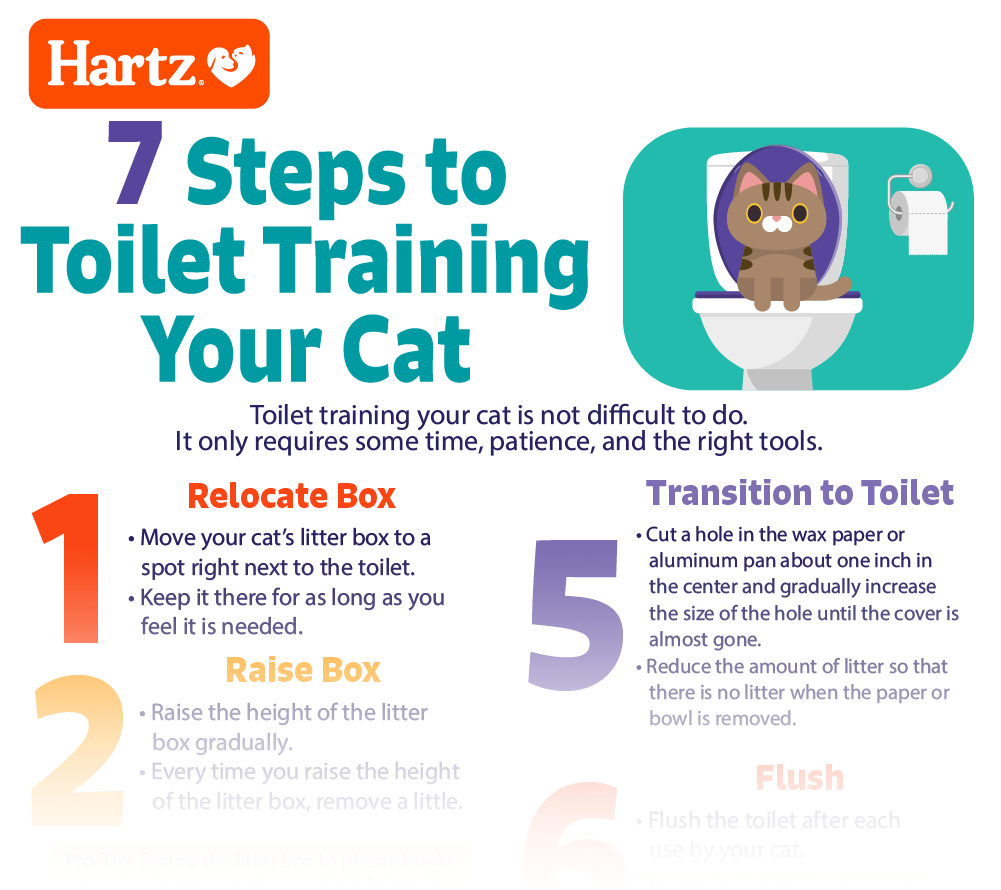
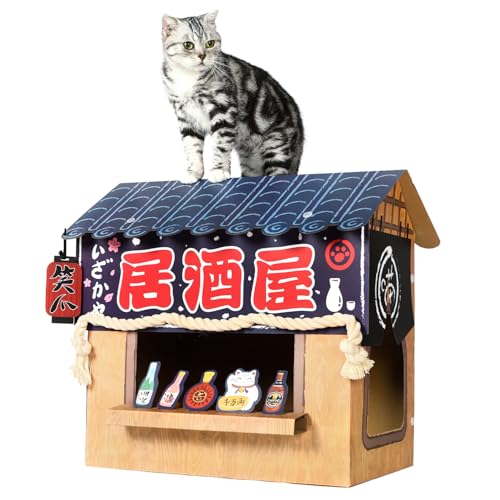
Credit: harubina.co.jp
Common Challenges And Solutions
House training a cat poses challenges like litter box avoidance and marking. Consistency and patience help address these issues effectively. Providing a clean, accessible litter box and positive reinforcement encourages proper habits.
Training a cat to use the litter box can be both a rewarding and challenging journey. Cats are naturally clean animals, but sometimes they need a little help understanding where they should go. Let’s dive into some common challenges you might face when house training your cat and how you can effectively address them.Dealing With Accidents
Accidents happen, and it’s important to handle them with patience. Scolding your cat might lead to fear and stress, making the problem worse. Instead, clean the area thoroughly with an enzyme cleaner to remove the odor. Have you ever found yourself cleaning the same spot repeatedly? It might be due to lingering smells attracting your cat back. Use a black light to find stains you might have missed. Consistency is key in preventing future accidents.Addressing Litter Box Avoidance
Is your cat avoiding the litter box? There could be a few reasons for this behavior. The box might be dirty, or perhaps the location is too noisy or busy for your cat’s liking. Try moving the litter box to a quieter area of the house. Ensure it’s cleaned daily to keep it inviting. Experiment with different types of litter if your cat seems picky. Have you considered the size of the litter box? A small box might be uncomfortable for a larger cat. Ensure the box is spacious enough for your cat to turn around comfortably. Remember, every cat is unique. Pay close attention to your cat’s behavior and preferences. Adjustments may be necessary, but with a little patience, you can find the perfect solution.Maintaining Hygiene And Cleanliness
Training a cat involves maintaining hygiene and cleanliness. Start with a clean litter box in a quiet spot. Encourage consistent use by rewarding your cat with treats.
Maintaining hygiene and cleanliness is crucial when house training a cat. Cats are known for their fastidious nature, and a clean environment makes it easier for them to adapt to a designated area for their needs. Establishing a consistent cleaning routine and preventing odors are key aspects of this process. Let’s dive into practical tips that can help you maintain a spotless and fresh-smelling home while house training your feline friend.Cleaning Routine
Creating a daily cleaning routine ensures your cat’s litter box area remains inviting. Scoop out waste every day to prevent it from piling up, which can deter your cat from using the box. Use a gentle, unscented cleaner to wipe down the litter box weekly. This prevents residue buildup that might not be visible but could be off-putting to your cat. Consider placing a mat under the litter box to catch stray litter. Shake it out regularly to keep the area tidy and prevent tracking through your home.Preventing Odors
Odor control is essential not only for your comfort but also for your cat’s willingness to use the litter box. Use odor-absorbing litter that effectively traps smells, especially if your home is small. Ventilate the area where the litter box is located. A simple open window or a small fan can work wonders in keeping the air fresh. Have you ever walked into a room and been surprised by an unpleasant scent? Regularly check for hidden litter box accidents around the house. Cats can be sneaky, and a quick sniff check can help maintain a fresh-smelling home. Taking these steps can make all the difference in keeping your home clean and welcoming for both you and your cat. What strategies have you found most effective in maintaining cleanliness while house training your cat? Share your experiences and insights below!Monitoring Your Cat’s Health
Keeping an eye on your cat’s health is crucial. This ensures they stay happy and fit. Regular health checks can prevent many issues. It helps in identifying problems early on. A healthy cat is more easily trained. It also makes them more responsive to your efforts. Let’s explore the signs to watch for.
Signs Of Illness
Cats often hide their pain. So, detecting illness can be tricky. Watch for changes in eating habits. A sudden lack of appetite is a red flag. Look out for any vomiting or diarrhea. These can indicate underlying issues. Also, take note of their energy levels. Lethargy might suggest something’s wrong. Keep an eye on their coat. A dull coat often signals poor health.
When To Consult A Vet
Some signs need immediate vet attention. Persistent vomiting or diarrhea is one. If your cat has difficulty breathing, act quickly. Sudden weight loss should not be ignored. Unusual lumps or bumps require a professional check. If your cat seems in pain, don’t wait. Quick action can prevent serious complications. Always trust your instincts. If something feels off, consult the vet.
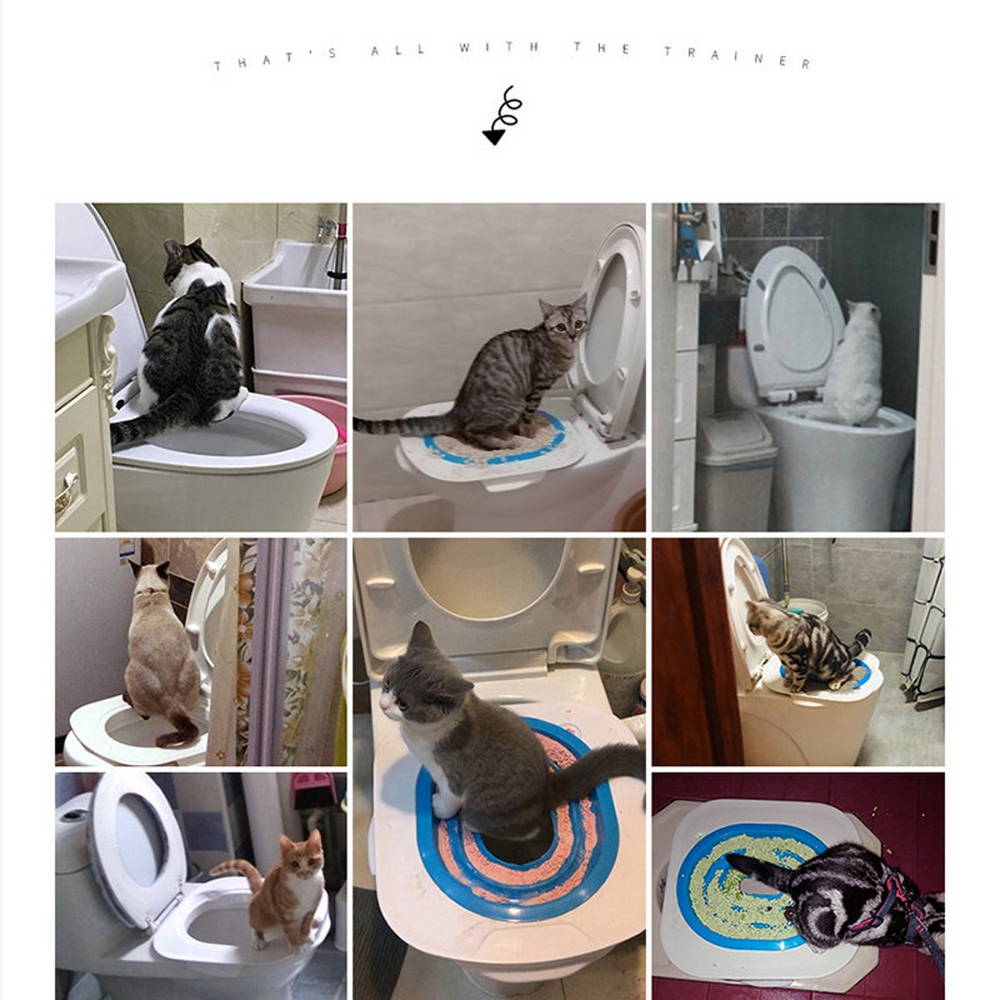
Credit: www.thalinepal.com
Frequently Asked Questions
Are Cats Easy To House Train?
Cats are generally easy to house train. They instinctively use litter boxes. Provide a clean, accessible litter box. Encourage proper behavior by rewarding them. Consistency and patience are key. Most cats learn quickly with minimal effort.
How Long Does It Take To Housetrain A Cat?
Housetraining a cat typically takes a few weeks. Consistency and patience are crucial for success. Use a clean litter box and encourage positive habits. Each cat’s learning speed varies, but most adapt quickly. Providing a stress-free environment can aid the training process.
Will A Cat Automatically Use A Litter Box?
Most cats instinctively use a litter box. Ensure it’s clean and accessible to encourage proper use. Kittens may need some guidance, but they usually learn quickly. Provide a quiet and safe environment for your cat to feel comfortable using the litter box.
Can You Train A Cat To Be A House Cat?
Yes, you can train a cat to be a house cat. Start with a safe environment and consistent routines. Use positive reinforcement for desired behaviors. Offer toys and scratching posts for stimulation. Gradually introduce new experiences to build comfort. Patience and understanding are key for successful house cat training.
Conclusion
Training a cat requires patience and consistency. Cats learn best with positive reinforcement. Reward good behavior with treats and praise. Establish a routine to help them adapt. Clean any accidents promptly to avoid confusion. Use a litter box that suits your cat’s needs.
Keep it clean to encourage use. Understand your cat’s signals and respond quickly. This strengthens your bond. Training takes time, but it’s worth the effort. Your cat can learn to be tidy. Just stay patient and keep encouraging them. With love and persistence, your cat will thrive at home.

Similar Posts