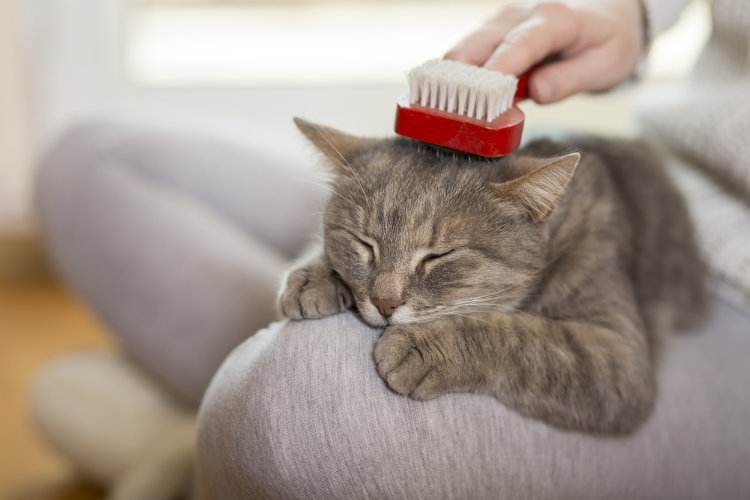
Imagine your cat lounging gracefully, its fur gleaming with health and vibrancy. Now, picture yourself as the reason behind that stunning coat.
You can be the hero your cat deserves, and it all starts with learning how to brush a cat effectively. You might wonder why brushing your cat is so important or how to make it an enjoyable experience for both of you.
Don’t worry; you’re not alone. Many cat owners share the same concerns. That’s why you’re about to discover simple, yet powerful techniques that will transform brushing time into a bonding session with your feline friend. Get ready to explore the secrets of maintaining your cat’s coat, preventing mats, and reducing shedding—all while keeping your kitty happy and stress-free. Keep reading, because every stroke of the brush can make a world of difference for your beloved pet.
Credit: www.youtube.com
Choosing The Right Tools
Brushing a cat is essential for its health and happiness. Choosing the right tools makes the process smoother. With the right brush or comb, you can remove loose fur, reduce shedding, and prevent mats. Quality tools also make grooming less stressful for your cat. Finding the perfect grooming accessories requires understanding your cat’s needs.
Types Of Brushes
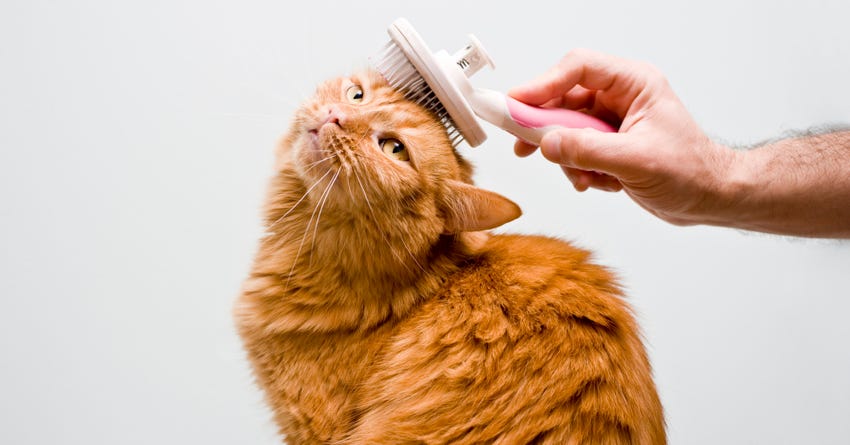
Different brushes suit different cats. Slicker brushes have fine, short wires. They work well for removing tangles and loose fur. Bristle brushes have soft bristles, ideal for removing dust and dirt. These brushes are gentle on sensitive cats. Pin brushes have rounded tips and are excellent for long-haired cats.
Rubber brushes are great for short-haired cats. They help in massaging the skin and collecting loose fur. Consider your cat’s hair type before choosing a brush. This ensures comfort and effectiveness during grooming.
Combs And Grooming Accessories
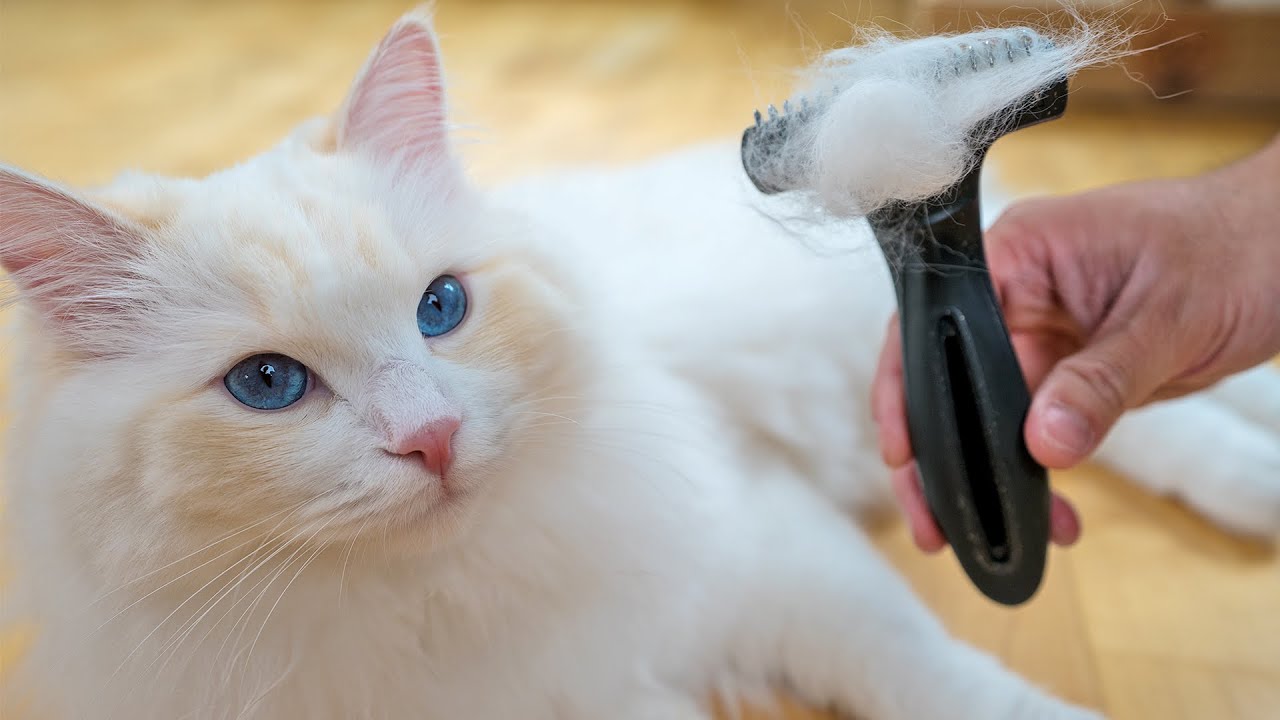
Combs help in detangling and smoothing your cat’s fur. Wide-toothed combs are perfect for removing knots in long hair. Fine-toothed combs remove fleas and debris effectively. Metal combs are durable and strong. They glide smoothly through the fur.
Grooming gloves are a handy accessory. They allow you to pet your cat while removing loose fur. Cats usually find grooming gloves more relaxing. These tools make grooming a bonding experience. Ensure the tools are easy to clean and maintain. This keeps them hygienic and ready for use.
Creating A Comfortable Environment
Creating a cozy spot for your cat helps ease the brushing process. Soft sounds and gentle touches make grooming pleasant. Offer treats to encourage calm behavior, turning grooming into a bonding time.
Creating a comfortable environment for brushing your cat is essential for a stress-free experience for both you and your feline friend. Cats are creatures of habit and can be sensitive to changes in their surroundings. By setting the right atmosphere, you can make grooming a pleasant ritual rather than a dreaded chore.Setting The Mood
Cats are intuitive and can sense your emotions. Before you begin, ensure you are calm and patient. Your cat will pick up on your vibes. Dim the lights slightly if your cat is sensitive to bright lighting. This can help create a soothing atmosphere. Consider playing soft, calming music. Music can have a relaxing effect on cats, much like it does on humans.Finding The Perfect Spot
Choose a place where your cat feels safe and secure. A familiar setting, like their favorite room, can work wonders. Avoid high-traffic areas where noise or interruptions are common. This helps keep your cat focused and calm. Place a soft blanket or towel on the floor or a flat surface. This provides comfort and prevents slipping, which can be unsettling for your cat. — When I first started brushing my cat, Whiskers, I noticed he was much more relaxed in a quiet corner of the living room. The soft hum of classical music seemed to put him at ease. Have you observed a particular spot where your cat seems more comfortable? Paying attention to these small details can transform brushing time from a struggle into a bonding moment. What are some creative ways you ensure your cat feels comfortable?Understanding Your Cat’s Coat
Brushing a cat requires knowing its coat type. Cats have different coat needs. Some have long fur, while others have short hair. Knowing this helps you choose the right brush. It also guides how often to groom your cat. Proper grooming keeps your cat healthy and happy.
Short-haired Vs Long-haired
Short-haired cats need less grooming. A weekly brush suffices. Use a rubber or bristle brush for them. It removes loose hair and dirt. Long-haired cats need more attention. Brush them every day. They need a slicker brush. It helps prevent tangles and mats. Regular brushing keeps their coat shiny.
Sensitive Areas To Consider
Cats have sensitive spots. Be gentle near their belly. Also, take care around their tail. Cats dislike rough handling in these areas. Use a soft brush. It avoids discomfort. Pay attention to their ears too. Use a gentle hand while brushing. Cats enjoy grooming when it’s done right.
Step-by-step Brushing Guide
Brushing your cat is essential for its health and happiness. Regular grooming prevents tangles, reduces shedding, and keeps your cat’s coat clean. This guide will help you brush your cat step-by-step, ensuring a pleasant experience for both of you.
Preparing Your Cat
Start by choosing a quiet place where your cat feels safe. Gather your supplies, like a cat brush and comb. Let your cat sniff the tools to get familiar. Speak softly and pet your cat to calm it down. This helps create a relaxed environment for brushing.
Techniques For Effective Brushing
Use gentle strokes with the brush, moving in the direction of hair growth. Start from the head and work towards the tail. Avoid pressing too hard; gentle strokes prevent irritation. Pay attention to sensitive areas, like the belly and legs. If your cat shows discomfort, pause and reassure it. Reward calm behavior with treats.
Handling Tangles And Mats
Check for tangles and mats as you brush. Use a comb to gently loosen small knots. For larger mats, hold the fur close to the skin and gently work through it. Be patient; rushing can hurt your cat. If a mat is stubborn, consider using a detangler or consulting a professional groomer.
Addressing Common Challenges
Brushing a cat can sometimes feel like a daunting task. Cats have unique personalities. This means that some common challenges can arise during grooming sessions. Understanding these challenges helps in managing them effectively. Here, we explore how to address resistance and avoid over-brushing.
Dealing With Resistant Cats
Some cats show resistance when being brushed. This can be due to fear or discomfort. Start by creating a calm environment. Use a soft brush and gentle strokes. Gradually introduce the brush to your cat. Allow them to sniff and inspect it first. Reward calm behavior with treats. Patience is key to gaining their trust. Make grooming sessions short initially. Increase the duration slowly as your cat gets comfortable.
Preventing Over-brushing
Over-brushing can irritate your cat’s skin. It can lead to hair loss or discomfort. Limit brushing to a few minutes at a time. Check your cat’s skin regularly for signs of irritation. Use a brush suited to your cat’s fur type. Long-haired cats need different brushes than short-haired ones. Be gentle and avoid pulling on knots. Regular grooming sessions help maintain healthy fur without over-brushing.
Post-brushing Care
After grooming your cat, ensure their comfort by checking for leftover tangles. Gently massage their fur to relax them. Offer a treat as a reward for their patience and cooperation.
After spending quality time brushing your cat, post-brushing care is the next essential step to ensure your feline friend remains happy and healthy. This phase is as crucial as the brushing itself. It’s about rewarding good behavior, checking for any potential health issues, and maintaining that beautiful coat.Rewarding Your Cat
Your cat just sat through a brushing session, which, depending on their mood, could have been a delightful bonding experience or a slightly stressful one. Rewarding your cat afterward is a great way to reinforce positive behavior. A small treat or their favorite toy can work wonders. It shows your appreciation and encourages them to cooperate during future grooming sessions. Some cats respond well to verbal praise and gentle petting. Observe what your cat enjoys most and incorporate that into your post-brushing routine.Monitoring Skin And Coat Health
Regular brushing allows you to closely examine your cat’s skin and coat, but the care shouldn’t stop there. After brushing, spend a moment looking for any changes in their skin or fur. Check for any bumps, redness, or unusual spots that might need a vet’s attention. Keep an eye on the coat’s shine and texture, as these can indicate overall health. If you notice excessive shedding or dandruff, consider adjusting your grooming routine or consult a veterinarian. Consistency in post-brushing checks can help catch issues early, ensuring your cat stays in top condition. By taking a few extra steps in post-brushing care, you reinforce a positive experience for your cat and safeguard their health. What new insights have you gained about your cat during these moments? Embrace this time to strengthen your bond and enhance their well-being.Benefits Of Regular Brushing
Regularly brushing your cat offers many benefits for both you and your furry friend. It helps maintain their coat’s health, strengthens your bond, and reduces shedding. These advantages make brushing an essential part of your pet care routine.
Improving Fur Health
Brushing your cat regularly keeps their fur clean and shiny. It removes dirt and loose hair, preventing matting and tangles. This process also distributes natural oils through their coat, promoting healthy skin. Healthy skin means fewer irritations and infections. Regular brushing helps spot any skin issues early, too.
Strengthening Bond With Your Pet
Brushing time is bonding time. Cats enjoy the gentle strokes and attention. This activity builds trust and affection between you and your cat. It is a moment of connection and calmness. Your cat will feel more secure and loved. A strong bond leads to a happier, more relaxed pet.
Credit: www.thehonestkitchen.com
Credit: www.preventivevet.com
Frequently Asked Questions
What Is The Proper Way To Brush A Cat?
Start brushing your cat gently with a soft-bristled brush. Focus on areas like the back and sides. Always brush in the direction of the fur. Be gentle around the belly and tail. Regular brushing helps reduce shedding and prevents matting.
How Do You Brush An Unwilling Cat?
Gently approach your cat and let them sniff the brush. Start with short, gentle strokes. Use treats and praise to encourage calm behavior. Gradually increase brushing time as they become more comfortable. Always stop if they show signs of stress.
Patience and consistency help make the process easier.
How Often Should You Brush A Cat’s Fur?
Brush a cat’s fur at least once or twice a week. Long-haired cats may need daily brushing. Regular grooming reduces shedding and prevents matting. It also keeps your cat’s coat healthy and shiny. Use a suitable brush for your cat’s fur type to ensure effective grooming.
How To Remove A Cat’s Undercoat?
Use a deshedding tool or grooming rake to gently remove the undercoat. Brush in the direction of hair growth. Regular grooming helps reduce shedding and keeps your cat’s coat healthy. Consider professional grooming for thick undercoats.
Conclusion
Brushing your cat regularly keeps their coat healthy and shiny. It also reduces shedding and prevents matting. Start slow, making it a pleasant experience. Use a gentle brush suited for your cat’s fur type. Reward them with treats and affection.
This builds trust and cooperation over time. Regular grooming sessions strengthen your bond. Most importantly, it ensures your cat feels comfortable and loved. Remember, patience is key. With consistent effort, brushing becomes enjoyable for both you and your cat. Happy grooming!