How Do You Train a Cat Not to Scratch Furniture: Expert Tips
You’ve just brought home a new piece of furniture, and within days, your cat has turned it into a scratching post. Frustrating, isn’t it?
You’re not alone in this struggle. Many cat owners face the same dilemma. Cats love to scratch, and while it’s a natural behavior for them, it can wreak havoc on your home. But what if there was a way to protect your cherished furniture while keeping your feline friend happy and healthy?
This article has the answers you’ve been searching for. With a few simple strategies, you can train your cat not to scratch your furniture. Imagine a home free from claw marks and a happier bond with your cat. Keep reading to discover how you can achieve this perfect balance.

Credit: intempusrealty.com
Understanding Cat Behavior
Training a cat not to scratch furniture starts with understanding their behavior. Cats scratch to communicate, maintain claws, and relieve stress. Knowing these instincts helps guide them to scratch in appropriate places.
Natural Scratching Instincts
Cats have a natural urge to scratch. It’s not just a habit. It’s a necessity for their health and well-being. Scratching helps them shed outer nail layers. It also stretches their bodies and flexes their paws. These actions are essential for a cat’s physical health.
Reasons Cats Scratch Furniture
Scratching furniture often serves multiple purposes. Cats scratch to mark territory. They have scent glands in their paws. Scratching leaves both scent and visual marks. It signals other animals to stay away. Stress or boredom can also lead to scratching. Scratching releases energy and reduces anxiety.
Furniture offers the perfect surface for scratching. It’s firm and allows cats to dig in their claws. Understanding these reasons helps in redirecting their behavior effectively.
Effective Training Techniques
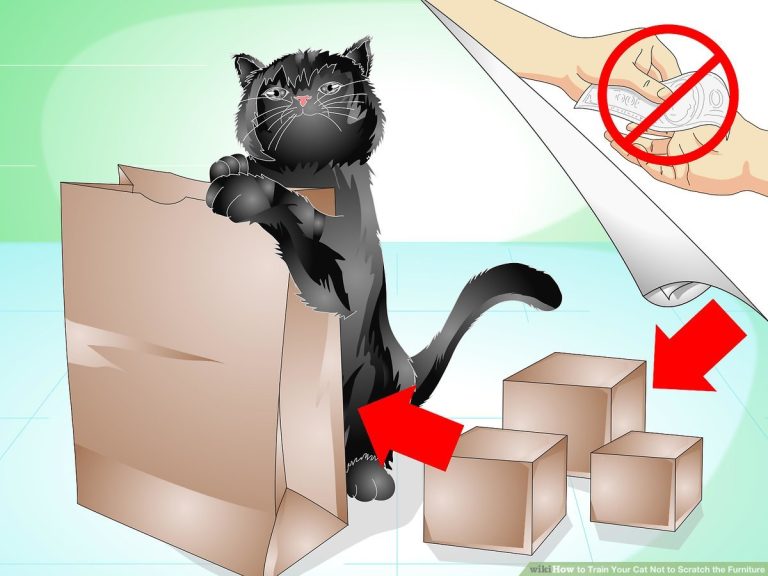
Training a cat not to scratch furniture involves redirecting their behavior. Provide scratching posts as alternatives. Use deterrents like double-sided tape on furniture to discourage scratching.
Training a cat not to scratch your furniture can be a challenging task, but with the right techniques, it’s entirely possible. Cats have a natural instinct to scratch for various reasons like marking territory, sharpening claws, or simply stretching. Instead of trying to eliminate this behavior completely, the goal is to redirect it to more appropriate places.Positive Reinforcement Strategies
Positive reinforcement is a powerful tool in training your cat. Whenever your cat scratches an approved object like a scratching post, reward it with treats, affection, or playtime. This encourages your cat to associate positive outcomes with scratching the right items. Consider keeping treats nearby so you can reward your cat immediately. Timing is crucial; the quicker the reward follows the behavior, the more effective the training. Have you noticed how cats respond to praise? Use your voice to reinforce good behavior by speaking in a happy tone.Using Deterrents
Deterrents can help discourage your cat from scratching furniture. Products like double-sided tape or citrus sprays can make surfaces less appealing to scratch. Cats dislike sticky surfaces and certain scents, so these can be effective deterrents. You might wonder if deterrents are safe for your pet. Ensure any product you use is non-toxic and safe for animals. Placing deterrents on frequently scratched areas can help break the habit. Have you tried using a physical barrier, like a furniture cover, to protect your couch? Sometimes a simple change can make a significant difference. Training a cat requires patience and consistency. By understanding your cat’s needs and using these effective techniques, you can protect your furniture and maintain a happy home for both you and your feline friend.Providing Alternatives
Offer scratching posts to redirect your cat’s attention from furniture. Use catnip to make posts appealing. Regularly trim their nails to reduce damage.
Providing alternatives is crucial in training your cat not to scratch furniture. Cats have a natural instinct to scratch, which helps them maintain their claws and mark territory. Offering suitable alternatives allows them to fulfill this need without damaging your belongings.Choosing The Right Scratching Posts
Select scratching posts that match your cat’s preferences. Some cats prefer vertical posts, while others like horizontal ones. Look for sturdy materials. Sisal, carpet, and cardboard are popular choices. Ensure the post is tall enough for your cat to stretch fully. This encourages proper scratching behavior.Placement And Accessibility
Place scratching posts where your cat spends most of its time. Near their favorite resting spots is ideal. Ensure the post is easily accessible. If it’s in a hidden corner, your cat might ignore it. Position posts near furniture they usually scratch. This redirects their scratching urge to the post.
Credit: www.wikihow.pet
Protecting Your Furniture
Training a cat not to scratch furniture involves providing alternatives. Offer scratching posts and reward positive behavior. Use deterrents like double-sided tape on furniture to discourage scratching.
Protecting your furniture from cat scratches is essential. Cats often scratch to mark territory or keep their claws healthy. This behavior can lead to damaged furniture. Preventing this requires some strategies. Here are effective methods to safeguard your furniture.Furniture Covers And Protectors
Furniture covers are an effective way to shield surfaces from scratches. They come in various materials like plastic, fabric, or vinyl. These covers add a layer of protection between your cat’s claws and your furniture. Choose covers that are durable and easy to clean. Covers can be removed or replaced as needed. This allows for flexibility in maintaining the appearance of your furniture. Furniture protectors also serve a similar purpose. These are often designed to stick directly to furniture surfaces. They are usually transparent, so they blend in with your decor. Protectors can be cut to fit different shapes and sizes. This ensures all areas of your furniture are covered. Simple to apply and remove, they offer a practical solution.Using Anti-scratch Products
Anti-scratch products deter cats from damaging your furniture. These products include sprays or tapes that are safe for pets. Sprays often have scents that cats dislike. Applying them to furniture can discourage scratching. They are non-toxic and won’t harm your cat. Anti-scratch tapes are sticky on one side. Cats dislike the sticky texture, which helps prevent scratching. Apply the tape to areas your cat targets most. It’s easy to remove and won’t leave residue. These products can be combined with other methods for better results.Creating A Cat-friendly Environment
Training a cat to avoid scratching furniture involves providing alternatives like scratching posts. Positive reinforcement, such as treats and praise, encourages using these alternatives. Consistency and patience are key to success.
Creating a cat-friendly environment is crucial for protecting your furniture. Cats instinctively scratch surfaces to mark territory and maintain their claws. Providing alternatives helps redirect this behavior. A well-thought-out space keeps your cat happy and your furniture safe.Enriching Your Cat’s Space
Offer various scratching posts in your home. Choose posts of different textures. Cats enjoy variety. Place them near areas your cat likes to scratch. This encourages proper use. Consider cardboard, sisal, and carpet materials. Each appeals to different preferences. Add vertical spaces for climbing. Cats love to explore high places. Install shelves or cat trees. These provide mental stimulation and physical exercise. High perches satisfy their curiosity. Cats feel secure watching from above. Include cozy sleeping spots. Cats need comfortable resting areas. Soft beds or blankets work well. Keep these spots quiet and undisturbed. Cats appreciate warm, peaceful naps.Incorporating Play And Exercise
Engage your cat in daily play sessions. Use toys to mimic prey. Feathers, balls, and interactive toys are great choices. Playtime keeps your cat active and happy. It reduces stress and excess energy. Rotate toys regularly. This keeps them interesting. Cats can get bored easily. New toys maintain their interest. A simple change sparks excitement. Encourage exercise with laser pointers. Cats love chasing the light. Ensure the laser is safe. Always end with a tangible reward. This satisfies their hunting instinct. Set up puzzle feeders. These challenge your cat mentally. They also slow down eating. Puzzle feeders combine food and play. A win-win for your feline friend.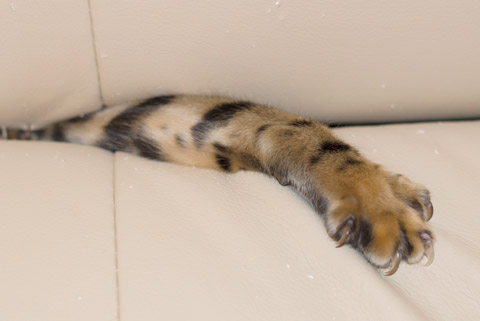
Credit: www.purrfectpost.com
Consistency And Patience
Teaching a cat not to scratch furniture requires steady effort and patience. Offer scratching posts and redirect your cat when it starts scratching the couch. Consistent reinforcement helps your cat learn new habits gradually.
Training a cat not to scratch furniture requires consistency and patience. These two elements are crucial to success. Cats are creatures of habit, and they need time to understand new rules. It’s easy to get frustrated, but remember that patience will help you build a stronger bond with your feline friend. Your calm demeanor can encourage your cat to learn faster.Maintaining Training Routines
Regular training sessions are key. Set aside time daily to reinforce good behavior. Use positive reinforcement like treats or affection when your cat uses a scratching post instead of the couch. Create a routine that fits into your daily schedule. This could be after breakfast or before bedtime. Your cat will start to anticipate these sessions, making them more effective. Think about this: Have you ever tried to learn something new without a routine? It’s much harder, right? Your cat feels the same.Monitoring Progress
Keep track of your cat’s progress. Notice if there’s a decrease in furniture scratching. Celebrate small victories. If your cat uses the scratching post more often, acknowledge this improvement. Create a simple chart or list to record milestones. Make adjustments if needed. If your cat isn’t responding, try different rewards or change the location of the scratching post. Ask yourself: Are you seeing positive changes? If not, what can you tweak? Remember, every cat is unique. What works for one may not work for another, so keep experimenting until you find the perfect routine for your furry companion.Consulting A Professional
Training a cat not to scratch furniture can be challenging. Some cats are more stubborn than others. In these cases, consulting a professional can be beneficial. A professional can provide insights and strategies tailored to your cat’s behavior. This approach can save time and prevent damage to your home. Understanding when and how to seek expert advice is crucial.
When To Seek Expert Advice
Consider professional help if your cat’s scratching is persistent. If you’ve tried various methods and nothing works, it might be time. When scratching leads to significant damage, expert advice can be useful. If your cat seems stressed or anxious, a professional can help. They can identify underlying causes and offer solutions.
Choosing The Right Professional
Look for a certified animal behaviorist or a veterinarian with experience in feline behavior. Verify their credentials and seek recommendations from other cat owners. Check online reviews to gauge their reputation. A good professional should offer a personalized plan for your cat. They should communicate clearly and provide ongoing support.
Frequently Asked Questions
At What Age Do Cats Stop Clawing?
Cats typically stop excessive clawing around 2 years old as they mature. Providing scratching posts helps reduce this behavior. Regular nail trims and positive reinforcement also aid in managing clawing habits.
Is It Possible To Have A Cat That Doesn’t Scratch Furniture?
Yes, it’s possible. Train your cat with scratching posts and regularly trim their nails. Use deterrents like double-sided tape on furniture. Positive reinforcement encourages good behavior.
How To Punish A Cat For Scratching A Couch?
Redirect your cat’s attention with a scratching post. Reward good behavior with treats or affection. Use deterrent sprays on furniture. Trim your cat’s nails regularly. Avoid physical punishment to prevent stress and anxiety.
What Scent Keeps Cats From Scratching Furniture?
Citrus scents, like lemon or orange, deter cats from scratching furniture. Use essential oils or peel. Spray or rub these on furniture to keep cats away. Lavender and eucalyptus scents can also be effective. Always ensure that the scents are safe and non-toxic for pets.
Conclusion
Training a cat not to scratch furniture takes patience and consistency. Use positive reinforcement to encourage good behavior. Provide scratching posts as alternatives. Cats love variety; offer different textures. Keep their claws trimmed to reduce damage. Engage them with toys to distract from furniture.
Understand their needs and respect their instincts. Every cat is unique, so adjust strategies accordingly. With time and understanding, your cat will learn. Your furniture will thank you. Keep encouraging your cat, and celebrate small victories. Happy training!