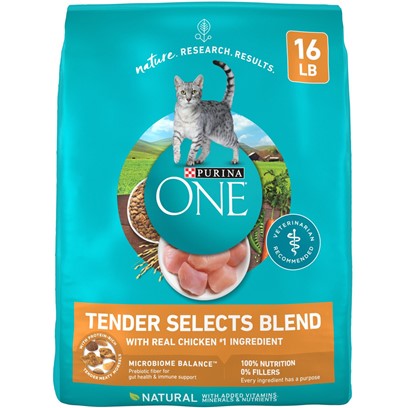
Can Dogs Eat Canned Cat Food: Unveiling the Truth
You adore your dog and want nothing but the best for their health and happiness. But what happens when your curious canine sniffs around the kitchen and eyes the canned cat food with an irresistible curiosity?
It’s a scenario that many pet owners face, and it leaves you wondering: can dogs eat canned cat food safely? Before you give in to those puppy eyes, it’s crucial to understand the potential effects and hidden risks of letting your dog indulge in a meal meant for cats.
We unravel the mystery behind this common question, ensuring you make the best choices for your furry friend’s health. Stay with us as we explore everything you need to know about this intriguing topic, empowering you to keep your pet safe and satisfied.
Nutritional Needs Of Dogs
Understanding a dog’s nutritional needs is essential for their health. Dogs require a balanced diet to maintain energy and strength. Feeding them inappropriate food can lead to health issues. This includes feeding them canned cat food.
Protein Requirements
Dogs need a specific amount of protein daily. Protein helps build muscles and repair tissues. Cat food often has higher protein levels. This might not suit a dog’s dietary needs.
Fats And Oils
Fats are crucial for a dog’s energy. They also support skin and coat health. Canned cat food might contain more fats. This can lead to weight gain in dogs.
Vitamins And Minerals
Vitamins and minerals are vital for a dog’s immune system. Dogs need different vitamins than cats. Cat food lacks essential nutrients for dogs.
Carbohydrate Needs
Carbohydrates provide energy for dogs. While not essential, they are beneficial. Cat food often has fewer carbohydrates. This might not fulfill a dog’s energy needs.
Caloric Intake
Dogs have specific calorie requirements based on their size. Overfeeding can cause obesity. Cat food can be denser in calories. This can upset a dog’s balanced diet.

Credit: www.petmd.com
Nutritional Composition Of Canned Cat Food
Canned cat food is often seen as an enticing option by our furry friends, but what’s really inside those cans? Understanding the nutritional composition is key to knowing whether it’s suitable for dogs. You might be surprised to learn how cat food differs from dog food in its ingredients and nutrient balance.
Protein Content
Cat food typically has high protein levels. Cats are obligate carnivores, meaning they need a diet rich in meat. This might sound appealing for dogs, but dogs have different nutritional needs. While protein is crucial for them too, excessive amounts can cause digestive issues. Ever noticed your dog sneaking a bite from the cat’s bowl and then acting a bit off? That’s the protein overload talking.
Fat Levels
Fats in cat food are also higher than in dog food. Cats require more fat for energy. Dogs can handle fat, but too much might lead to obesity. If your dog seems to gain weight unexpectedly, check if they’ve been snacking on canned cat food. It’s like the dog version of indulging in a rich cake!
Essential Vitamins And Minerals
Canned cat food is packed with vitamins and minerals tailored for feline health. Taurine is one such nutrient vital for cats but not necessarily for dogs. Dogs can produce their own taurine, unlike cats. So feeding them cat food regularly could lead to nutrient imbalances. Have you ever wondered why your dog seems less energetic after eating cat food? It could be due to these missing nutrients.
Moisture Content
The moisture content in canned cat food is higher than in dog food. Cats need more water in their diet to prevent urinary tract issues. This isn’t a concern for most dogs, who usually drink water directly. If your dog’s water bowl is mysteriously full, it might be because they’ve been sneaking moisture-rich cat food!
So, should you let your dog eat canned cat food? While a nibble might not harm them, regular consumption can lead to nutritional imbalances. Consider what your dog truly needs to stay healthy. Are you ready to make informed choices for your furry friend’s diet?
Differences Between Dog And Cat Diets
Many pet owners find themselves wondering if their dog can nibble on canned cat food. Before you pour that cat food into your dog’s bowl, it’s essential to understand the differences between dog and cat diets. These differences are not merely about taste preferences but are rooted in their distinct nutritional needs.
Understanding Nutritional Needs
Dogs are omnivores, meaning they thrive on a mix of proteins, vegetables, and grains. They can eat a wide variety of foods, much like humans. Cats, however, are obligate carnivores. Their diet relies heavily on meat for essential nutrients. This fundamental difference means cat food is rich in proteins and fats, which might not be suitable for dogs.
Essential Vitamins And Minerals
Vitamin A is crucial for cats, and their food contains higher levels of it. Dogs can produce Vitamin A from beta-carotene found in plants, so their food is adjusted accordingly. Feeding your dog cat food can lead to excessive Vitamin A intake, potentially causing health issues.
Protein Content
Cat food is generally higher in protein content. While this might sound beneficial for your dog, excess protein can lead to kidney strain over time. Dogs need a balanced diet with moderate protein levels to support their overall health and energy levels.
Fat Levels
Canned cat food often contains more fat than dog food. Higher fat levels can lead to weight gain and pancreatitis in dogs. Keeping your dog’s diet balanced is crucial to prevent such health complications.
Personal Experience Insight
Years ago, I noticed my dog sneaking bites of my cat’s food. She seemed to love it. However, after a few weeks, she became sluggish and gained weight rapidly. I realized the nutritional imbalance was affecting her health. This taught me the importance of respecting species-specific diets.
Consider Your Pet’s Health
Before you allow your dog to eat cat food regularly, ask yourself: Is it worth risking their health? Dogs may find cat food tasty, but it’s designed for a different digestive system. You can avoid many health issues by sticking to dog-specific food.
Understanding these differences can help you make informed choices about your pet’s diet. Would you risk your dog’s health for a momentary treat? It’s always best to prioritize their well-being.
Risks Of Feeding Dogs Canned Cat Food
Feeding your dog canned cat food may seem harmless. But, it poses risks that shouldn’t be ignored. Dogs and cats have different nutritional needs. Cat food often contains nutrients meant for felines, not canines. This difference can lead to health issues in dogs. Understanding these risks can help you make better choices for your pet.
Imbalanced Nutrition
Cat food has more protein and fat than dog food. This imbalance can cause weight gain in dogs. Dogs need a balanced diet with carbohydrates, proteins, and fats. Missing these can affect their energy levels. Over time, imbalanced nutrition can harm your dog’s health.
Potential Health Issues
Feeding dogs canned cat food can lead to health problems. High protein levels may strain their kidneys. Excess fat can cause pancreatitis, a serious condition. Lack of proper nutrients might weaken their immune system. These health issues can affect your dog’s quality of life.
Occasional Feeding: Is It Safe?
Have you ever found yourself wondering if it’s safe to let your dog snack on canned cat food occasionally? Maybe your pup snuck a bite while you were feeding your cat, or perhaps you ran out of dog food and thought about a temporary solution. It’s a common query among pet owners, and understanding the implications is crucial to keeping your dog healthy. Let’s delve into the details of occasional feeding and whether it poses any risks.
Understanding Nutritional Differences
Canned cat food is designed to meet the dietary needs of felines, not canines. Cats need higher protein levels and specific nutrients like taurine that dogs do not require. While your dog might enjoy the taste, their nutritional needs differ significantly. Feeding cat food might not provide the balanced diet your dog needs.
Short-term Effects On Dogs
Occasionally feeding your dog canned cat food usually won’t cause immediate harm. However, it might lead to digestive issues. Dogs may experience diarrhea or stomach upset from the richer ingredients found in cat food. You might notice your dog looking less energetic or uncomfortable.
Long-term Implications
If you find yourself frequently giving your dog cat food, it could lead to nutritional deficiencies. Over time, lacking essential vitamins and minerals can affect your dog’s health. A consistent diet tailored to your dog’s needs is essential for their well-being.
Personal Experiences
Once, my dog managed to snatch a can of cat food. At first, he seemed thrilled, wagging his tail in triumph. But soon after, he was lying around with a bloated belly. It was a clear reminder that what might seem harmless can cause discomfort.
When Might It Be Acceptable?
If you’re in a pinch and only have cat food on hand, a small amount might be okay. Ensure it’s a rare occurrence and not a substitute for regular dog food. It’s always better to have a backup plan, like stocking some emergency dog food.
What Should You Do?
Consider your dog’s health and dietary needs first. Always aim for food specifically formulated for dogs. If your dog enjoys the taste of cat food, look for dog treats with similar flavors instead. Why not explore new dog food options that will keep them satisfied and healthy?
Have you ever faced this dilemma with your pets? Share your stories and thoughts in the comments!
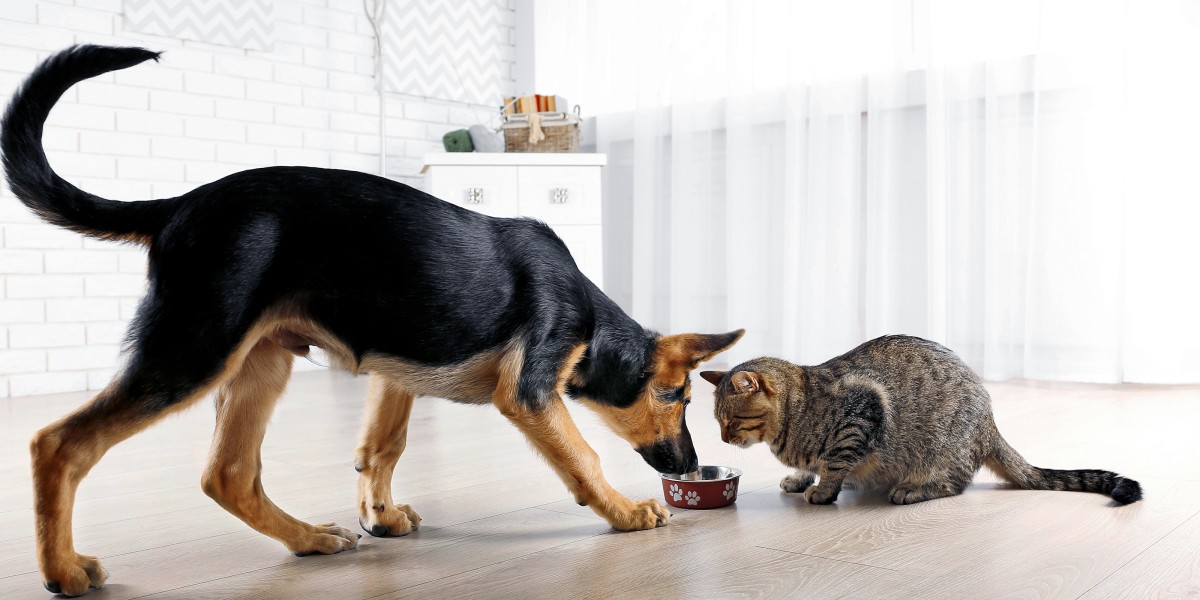
Credit: freie-schule.info
Signs Of Nutritional Deficiency In Dogs
Understanding the nutritional needs of dogs is crucial for their health. Feeding them the wrong food can lead to deficiencies. Canned cat food might seem like a convenient option. But it’s not suitable for dogs. Dogs need different nutrients than cats. Recognizing signs of deficiency early can prevent health issues.
Dogs show several signs when they lack nutrients. Watch for changes in their behavior and appearance. Early detection is key to their well-being.
Hair Loss Or Dull Coat
A dog’s coat reflects its health. Nutrient deficiencies often result in hair loss. Their coat may become dull and lifeless. This change signals a lack of essential fatty acids or vitamins.
Weight Loss Or Poor Appetite
Unexpected weight loss is a warning sign. It indicates nutritional imbalance. Dogs may also lose interest in food. This can be due to a lack of proper nutrients.
Lethargy And Weakness
Energy levels drop when dogs lack nutrients. Lethargy is common. They may seem weak and less playful. This occurs because their bodies aren’t getting enough fuel.
Digestive Problems
Watch for digestive issues like diarrhea or constipation. These problems can stem from improper nutrition. Dogs need a balanced diet for a healthy digestive system.
Behavioral Changes
Deficiencies can lead to behavioral changes. Dogs might become irritable or anxious. Such changes are signs that their diet needs adjustment.
Recognizing these signs helps ensure your dog’s health. Always consult a vet if you notice these symptoms. Proper nutrition is vital for their happiness and longevity.
Alternatives To Canned Cat Food For Dogs
Dogs might munch on canned cat food, but it’s not ideal for them. Cats have different dietary needs than dogs. Feeding dogs cat food regularly can lead to health issues. Instead, explore alternatives that are safe and nutritious for your dog. Here are some great options to consider.
Dog-specific Canned Food
Dog-specific canned food offers balanced nutrition. It’s designed for a dog’s dietary needs. These foods include proper protein levels and essential vitamins. Many brands offer various flavors to keep your dog interested. Check the ingredient list for quality sources. Avoid foods with fillers and artificial additives. This ensures your dog’s diet remains healthy.
Homemade Diet Options
Homemade meals can be a healthy choice for dogs. You control the ingredients and preparation. Use lean meats like chicken or turkey. Add cooked vegetables like carrots or peas. Include grains like rice or oats for energy. Ensure meals are balanced with essential nutrients. Consult a vet for guidance on portion sizes. Homemade diets can support your dog’s health and happiness.
Credit: www.businessinsider.com
Consulting A Veterinarian
When pondering the dietary habits of your furry friend, consulting a veterinarian emerges as a crucial step. A professional’s insight can be invaluable, especially if you’re considering feeding your dog canned cat food. This decision isn’t as straightforward as it might seem. You might think, “What’s the harm? They’re both pets!” However, there are some key differences in nutritional needs between cats and dogs that you need to be aware of.
Understanding Nutritional Needs
Dogs and cats have distinct dietary requirements. Cats are obligate carnivores, meaning their diet must be primarily meat-based. Dogs, on the other hand, are omnivores and require a more balanced diet. Feeding your dog canned cat food might seem convenient, but it can lead to nutritional imbalances. Consult your vet to understand the specific needs of your dog and ensure their diet supports their health.
Potential Health Risks
Feeding dogs cat food regularly may lead to health issues. Cat food is high in protein and fat, which might be too much for your dog’s system, leading to obesity or pancreatitis. Your vet can help you gauge if your dog is showing any signs of dietary distress. What symptoms should you look for? Pay attention to weight gain, lethargy, or digestive problems.
Tailoring Diet Plans
Veterinarians can offer personalized advice tailored to your dog’s specific needs. They can recommend appropriate dog food that mimics the nutritional aspects your dog might crave in cat food. Sometimes, it’s about creating a diet plan that includes the right balance of nutrients. Have you ever wondered if a homemade diet could meet your dog’s needs? Your vet can guide you on this journey.
Monitoring Changes
Once you consult your vet and make dietary adjustments, it’s crucial to monitor your dog’s health. Regular check-ups can help track any improvements or setbacks. Ask your vet how often you should bring your dog in for a check-up. An unexpected insight might be that diet changes can affect behavior too. Have you noticed any positive changes in your dog’s energy levels or mood?
Consulting a veterinarian is more than just a precaution; it’s an essential part of maintaining your dog’s health. By seeking professional advice, you ensure that your dog’s dietary needs are met without compromising their well-being. Why risk it when expert guidance is just a call away?
Frequently Asked Questions
What Happens If A Dog Eats Wet Cat Food?
Dogs eating wet cat food may experience digestive upset. It contains nutrients not suited for dogs. Occasional consumption usually isn’t harmful, but regular intake can lead to obesity and nutritional imbalances. Always consult a veterinarian if uncertain or if your dog shows signs of discomfort after eating cat food.
Is Canned Cat Food Safe For Dogs?
Canned cat food isn’t ideal for dogs. It lacks nutrients necessary for dogs’ health. Occasionally, small amounts might be okay. Always prioritize dog-specific food to ensure balanced nutrition. Consult your veterinarian before introducing any new food to your dog’s diet.
Why Can’t Dogs Have Wet Cat Food?
Dogs shouldn’t eat wet cat food because it lacks the nutrients dogs need. Cat food is high in protein and fat, which can lead to obesity and digestive issues in dogs. Always provide food specifically formulated for dogs to ensure their health and nutritional needs are met.
Can A Dog Temporarily Eat Cat Food?
Dogs can eat cat food temporarily without harm. Cat food isn’t nutritionally balanced for dogs long-term. Ensure it’s only occasional. Always monitor your dog’s health and consult a vet if concerned.
Conclusion
Dogs should not eat canned cat food regularly. It lacks essential nutrients for dogs. Occasional consumption might be fine. But it’s not recommended as a regular diet. Dogs have different nutritional needs than cats. Feeding them cat food can cause health issues.
Always choose dog-specific food for your pet. Consult a vet for the best diet plan. Ensure your dog gets balanced meals. This keeps them healthy and happy. Prioritize your pet’s well-being and nutritional needs. A healthy dog is a happy companion.