Can Cats Have Separation Anxiety? Unravel the Signs

Have you ever noticed your cat acting differently when you leave the house? Maybe they meow more, hide, or seem distressed.
If you have, you’re not alone. Many cat owners wonder if their feline friends suffer from separation anxiety. You might think only dogs experience this, but cats can feel it too. Understanding your pet’s behavior can help strengthen your bond and ensure their happiness.
Let’s explore the signs, causes, and solutions for cat separation anxiety. By the end of this article, you’ll know how to make your kitty feel more secure, even when you’re not around. Ready to uncover the secrets to a happier, more relaxed cat? Keep reading!
Understanding Separation Anxiety In Cats
Cats often appear independent. Yet, they can experience separation anxiety. It’s crucial to recognize these signs. This helps in providing proper care.
What Is Separation Anxiety?
Separation anxiety is distress when left alone. Cats may feel lonely or abandoned. This can lead to behavioral changes. Understanding these signs is important for their well-being.
Signs Of Separation Anxiety In Cats
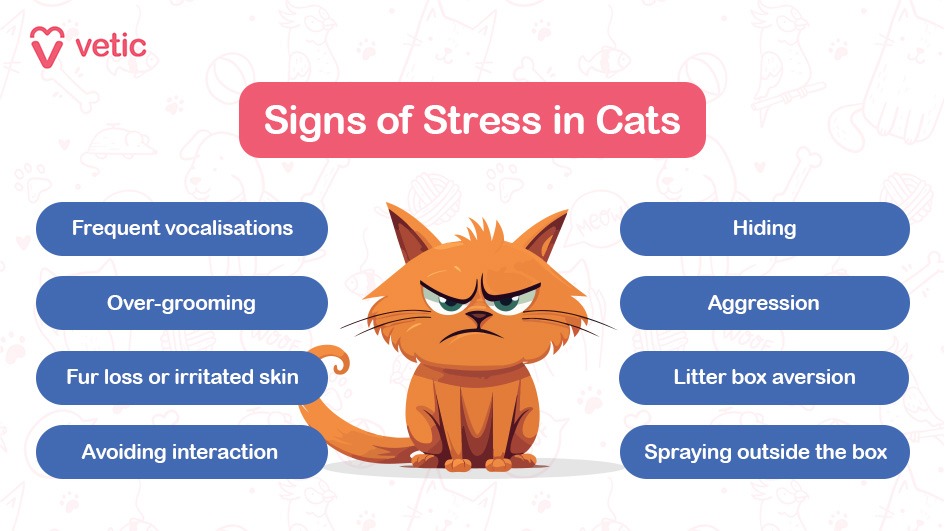
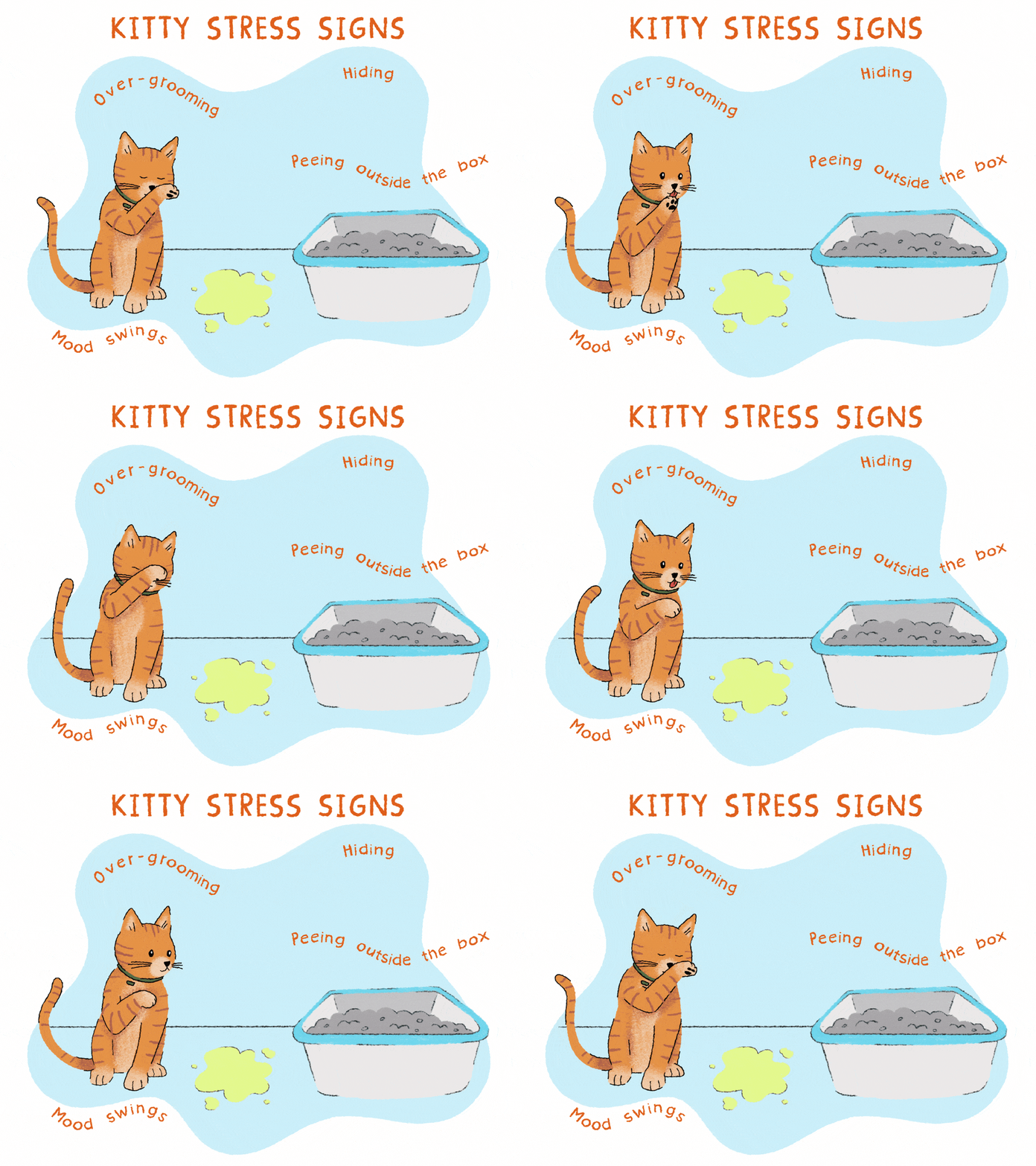
Cats may show various signs. Excessive meowing is common. Some might hide or become aggressive. Others may refuse food. Notice any change in their behavior.
Causes Of Separation Anxiety
Changes in routine can trigger anxiety. Moving to a new home is stressful. Long periods alone can increase distress. Cats miss their human companions.
Impact On Cat’s Health
Anxious cats might suffer physically. Weight loss is possible due to lack of eating. Stress affects their immune system. Regular check-ups are essential.
How To Help Your Cat
Keep a consistent routine. Spend quality time with your cat. Toys and puzzles can keep them busy. Consider calming products if needed.
Credit: tosvets.com
Common Causes Of Separation Anxiety
Cats can experience separation anxiety due to changes in their routine or environment. Loud noises or lack of social interaction may also trigger stress. This anxiety manifests through excessive meowing, destructive behavior, or inappropriate urination.
Understanding the common causes of separation anxiety in cats can help you address the issue effectively. This anxiety isn’t just a dog-related problem; cats experience it too. You might notice your feline friend acting differently when you’re away. But what triggers this behavior?Change In Routine
Cats thrive on routine. A sudden change, like a new job that keeps you away longer, can unsettle them. They may not understand why you’re suddenly absent more often. This confusion can lead to anxiety.Early Weaning
Kittens separated from their mothers too soon might develop separation anxiety. They miss out on crucial nurturing time. This early separation can make them overly dependent on humans for comfort.Previous Abandonment
Adopted cats with a history of being abandoned may fear being left alone again. This past trauma can manifest as anxiety when they sense you’re leaving. Understanding this history can guide how you support them.New Household Members
Introducing a new pet or person can disrupt your cat’s sense of security. They might feel their territory is being invaded. This perceived threat can trigger anxiety, especially if they’re not the center of attention anymore.Environmental Changes
Moving to a new home or even rearranging furniture can stress a cat. Their territory has changed, and they need time to adjust. This environmental shift can lead to separation anxiety as they seek reassurance in the familiar.Health Issues
Sometimes, anxiety stems from underlying health problems. A cat in pain or discomfort might become clingy or distressed when alone. Regular veterinary check-ups can rule out medical causes of their anxiety. Have you noticed any of these triggers in your cat? Understanding the root cause is the first step in addressing separation anxiety. You can then tailor your approach to ease their stress and improve their well-being.Signs Your Cat Might Be Anxious
Just like humans, cats can experience separation anxiety. If you’ve ever returned home to find your feline friend acting out of character, you might wonder if they’re anxious when you’re away. It’s crucial to recognize signs of anxiety in your cat to ensure their well-being and provide them with the comfort they need.
Excessive Meowing Or Crying
Your cat might meow more than usual when you’re not around. This isn’t just your cat being chatty; it’s often a cry for help. If you notice this pattern, try recording their behavior while you’re away to confirm if it’s anxiety-driven.
Destructive Behavior
Has your cat started scratching furniture or knocking things over? Destructive actions can be a sign of stress. It’s their way of coping with your absence, much like a toddler might throw a tantrum. Consider leaving toys or interactive puzzles to distract them.
Litter Box Issues
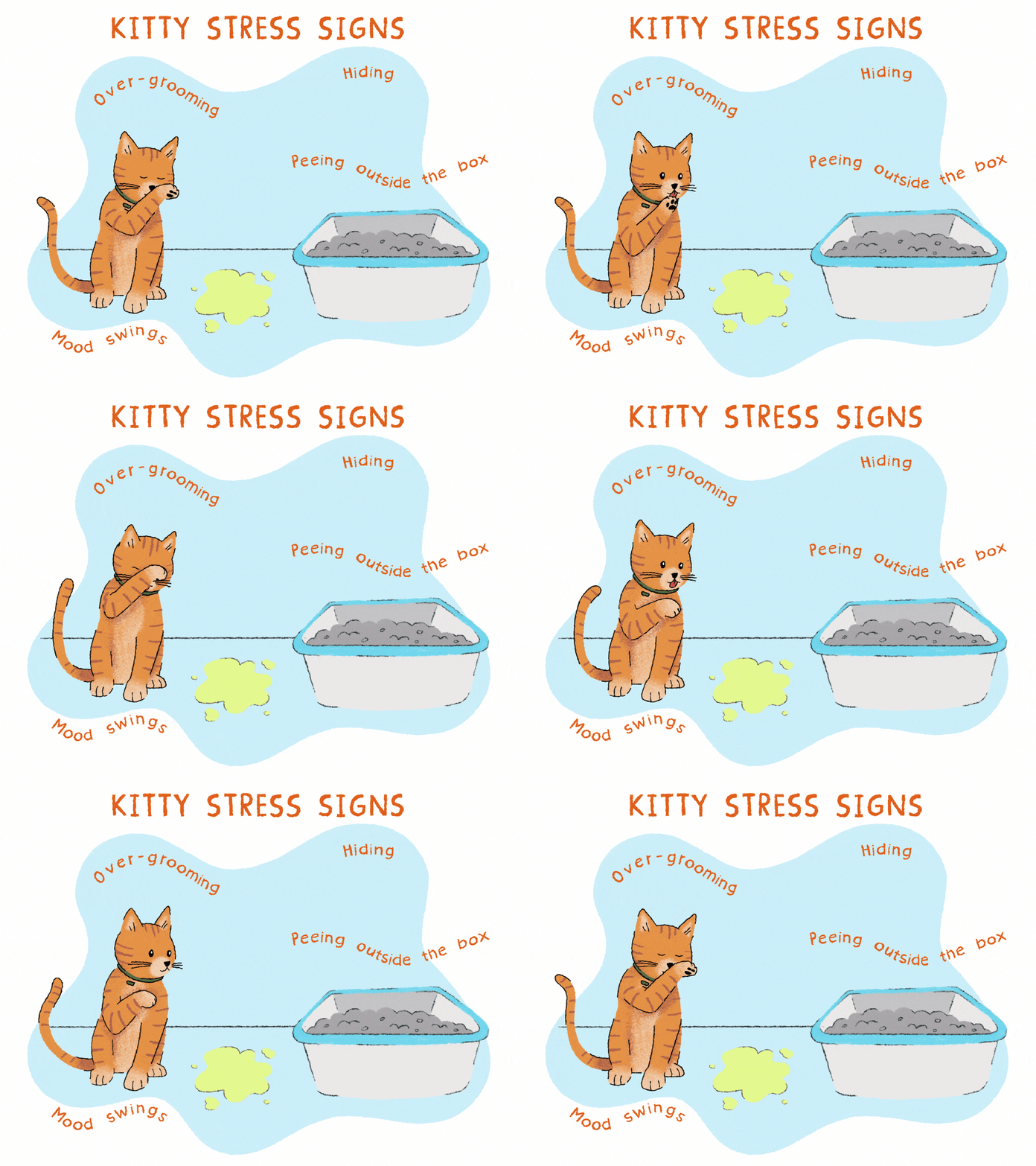
Finding accidents outside the litter box can be frustrating. But it might be your cat’s way of expressing anxiety. Ensure their litter box is clean and accessible. If issues persist, consult a vet, as it could indicate deeper stress.
Changes In Appetite
Is your cat eating less or more than usual? A shift in eating habits can reveal anxiety. Observe their food consumption and look for patterns. You might need to adjust their feeding schedule or provide comforting scents to soothe them.
Think about how you feel when someone you love isn’t around. Could your cat be experiencing something similar? Pay attention to these signs. Your feline friend relies on you to understand their needs and feelings. What steps can you take to make their alone time less stressful?

Credit: www.banfield.com
Behavioral Changes To Watch For
Understanding the behavioral changes in cats with separation anxiety is crucial. Cats are known for their independence, yet they can experience anxiety. Recognizing these changes helps in providing appropriate care. Some cats may show noticeable signs when feeling anxious. It’s important to identify these behaviors to support your feline friend.
Clinginess Or Over-attachment
Cats may become overly attached to their owners. They follow you everywhere, even to the bathroom. They demand constant attention, meowing excessively when you’re around. This clinginess is a common sign of separation anxiety.
Withdrawal Or Hiding
Some cats might withdraw and hide more often. They find secluded spots and stay there for long periods. This behavior indicates fear and anxiety. It’s crucial to offer comfort and security during these times.
Increased Aggression
A normally calm cat might suddenly become aggressive. They could start scratching or biting more frequently. This aggression is a way to express their anxiety. Observing this change can lead to better understanding and support.
How To Help Your Anxious Cat
Cats can experience separation anxiety, especially when left alone for long periods. To help your anxious cat, create a calm environment with familiar scents and sounds. Interactive toys or puzzle feeders can keep them occupied and reduce stress.
Separation anxiety in cats can be a distressing experience for both you and your feline friend. Understanding how to help your anxious cat can make a world of difference. Cats, much like humans, thrive on routine and familiarity. When that routine is disrupted, it can lead to anxiety. You might notice your cat acting out or becoming unusually clingy. But there’s hope. With the right strategies, you can ease your cat’s anxiety and make them feel more secure.Providing Safe Spaces
Creating safe spaces is crucial for an anxious cat. Cats are territorial animals and having a dedicated space can help them feel secure. Consider setting up a cozy corner with their favorite blanket or toys. Ensure that this area is quiet and away from household traffic. A simple cardboard box can work wonders. You might even notice your cat gravitating towards this spot during stressful times.Interactive Playtime
Interactive playtime is more than just fun; it’s therapeutic for your cat. Regular play sessions can relieve stress and anxiety. Think about engaging toys that mimic prey, like feather wands or laser pointers. These activities not only distract your cat but also provide mental stimulation. It’s a great opportunity to bond and reassure your cat. Ever noticed how your cat purrs more after a good play session?Gradual Desensitization
Gradual desensitization involves slowly acclimating your cat to being alone. Start by leaving your cat alone for short periods. Gradually increase the duration as your cat becomes more comfortable. This process teaches your cat that your absence isn’t permanent. Consistency is key, and patience pays off. You might be surprised at how quickly your cat adapts. Helping an anxious cat isn’t just about changing their environment; it’s about understanding their needs and behaviors. What steps will you take today to ensure your cat feels safe and loved?Professional Help And Treatment Options
Cats can indeed suffer from separation anxiety, displaying signs like excessive meowing and destructive behavior. Seeking professional help and exploring treatment options can ease your feline friend’s distress, ensuring a happier, healthier life. Understanding their needs is crucial in managing their anxiety effectively.
Cats, like humans, can experience separation anxiety. It manifests through destructive behavior, excessive meowing, or even urination outside the litter box. Seeking professional help can alleviate these symptoms. Understanding the available treatment options is crucial for a pet’s well-being. Let’s explore some effective professional approaches.Consulting A Veterinarian
A veterinarian is the first step for addressing separation anxiety in cats. They assess your cat’s overall health and rule out medical issues. Sometimes, physical problems mimic anxiety symptoms. A vet can diagnose the root cause. They may suggest lifestyle changes or behavioral adjustments. Regular check-ups ensure that the treatment plan remains effective.Behavioral Therapy
Behavioral therapy involves training cats to cope with being alone. Professional animal behaviorists offer valuable guidance. They teach techniques to reduce anxiety triggers. Gradual desensitization is one method. It involves slowly increasing the time a cat spends alone. Interactive toys or puzzles can also help. These keep the cat engaged and distracted.Medication
Medication may become necessary for severe cases. Veterinarians may prescribe anti-anxiety medications. These help in calming an anxious cat. It’s important to follow the prescribed dosage. Regular monitoring ensures the medication is working effectively. Combining medication with behavioral therapy often yields the best results. Proper treatment helps cats live comfortably, even in your absence.Preventing Separation Anxiety
Cats, like humans, can experience separation anxiety. This condition arises when they feel stressed or anxious during their owner’s absence. Preventing separation anxiety in cats involves creating a stable environment. By establishing routines, engaging in socialization techniques, and providing environmental enrichment, you can help your cat feel secure.
Establishing Routines
Cats thrive on consistency. Set regular times for feeding, play, and rest. Predictable schedules help cats feel safe. A routine reassures them that their needs will be met. This reduces anxiety and promotes well-being.
Socialization Techniques
Early socialization builds confidence in cats. Introduce your cat to different people and pets. Positive interactions develop a sense of comfort. Ensure experiences are gentle and rewarding. This prepares your cat for varied social situations.
Environmental Enrichment
Enrich your cat’s environment with stimulating activities. Use interactive toys and puzzles to engage their minds. Scratching posts and climbing trees offer physical outlets. Window perches allow them to watch the world outside. These enrichments keep your cat entertained and reduce boredom.
Credit: www.fearfreehappyhomes.com
Frequently Asked Questions
How Do I Know If My Cat Has Separation Anxiety?
Watch for excessive meowing, destructive behavior, and litter box issues. Cats may become clingy or hide. Changes in appetite or grooming habits can also indicate separation anxiety. Consult a vet if you notice these signs.
Is My Cat Too Attached To Me?
Cats can form strong bonds with owners, showing affection through closeness. It’s normal behavior unless it disrupts daily life. Monitor your cat’s actions and consult a vet if concern arises. A well-balanced relationship ensures both you and your pet remain happy and healthy.
How To Stop Your Cat From Crying When You Leave?
Create a cozy space with familiar toys and blankets for your cat. Use calming pheromone diffusers. Establish a routine to reassure them. Gradually increase alone time to build their confidence. Consider interactive toys or treat-dispensing puzzles to keep them occupied while you’re away.
What Breed Of Cat Is Prone To Separation Anxiety?
Siamese cats are prone to separation anxiety. They are social and form strong bonds with their owners. Regular interaction and mental stimulation help ease their anxiety.
Conclusion
Cats can experience separation anxiety. Yes, it’s true. They miss you. Recognizing signs helps. Your cat may act out when left alone. Try comforting methods. Toys, warm beds, and soothing sounds help. Spend quality time together. Love and patience go a long way.
Consult a vet if anxiety persists. They can offer solutions. Your furry friend needs you. Understanding and care make a difference. Happy, relaxed cats are possible. Enjoy peace of mind. Your bond strengthens through attention and care.

Similar Posts