Are Cat Tapeworms Contagious to Humans? Uncover the Truth

Have you ever caught your cat scratching or licking themselves more than usual? You might wonder if they have tapeworms and, more importantly, if those pesky parasites could affect you too.
The thought of a creepy crawler spreading from your beloved pet to you can be unsettling. But don’t worry, you’re not alone in this concern. Many pet owners ask the same question: Are cat tapeworms contagious to humans? Understanding the relationship between your furry friend and these parasites can help protect both your cat and your family.
Stay with us as we unravel the truth about cat tapeworms and what you can do to keep everyone safe and healthy.
Cat Tapeworms Overview
You’ve probably seen a cat blissfully grooming itself, but have you ever wondered what’s happening on the microscopic level? Cat tapeworms are a common issue that many feline owners face, and understanding them can be crucial for both your pet’s health and your own peace of mind. Let’s dive into the world of cat tapeworms and uncover what they are, how they thrive, and whether they pose a risk to humans.
Types Of Cat Tapeworms
There are several types of tapeworms that can affect cats, but the most common one is the Dipylidium caninum. This type of tapeworm is often contracted through fleas. If your cat ingests a flea while grooming, it can lead to a tapeworm infestation.
Another type is the Taenia taeniaeformis. Cats usually get this tapeworm by eating infected rodents. Both types can cause discomfort for your cat, leading to symptoms like weight loss and irritation.
Lifecycle Of Tapeworms
The lifecycle of a tapeworm is fascinating yet concerning. Tapeworms start as tiny eggs, often hosted by fleas or rodents. When your cat ingests these carriers, the eggs hatch inside its intestines.
Once inside, the tapeworm attaches itself to the intestinal wall, feeding off your cat’s nutrients. This can lead to segments of the tapeworm breaking off, often visible around the cat’s anus or in its stool.
It raises a curious question: how can you spot the signs early enough to prevent a full-blown infestation? Regular checks and a clean environment are key.
Personal vigilance is essential. I once noticed my cat dragging herself across the carpet—an unusual behavior. After a quick visit to the vet, it turned out to be tapeworms. That experience taught me the importance of flea prevention treatments.
What measures do you have in place to keep your home flea-free? An ounce of prevention can save you a pound of worry.
Transmission To Humans
Cat tapeworms rarely spread to humans. Transmission usually occurs through accidental ingestion of infected fleas. Proper hygiene and flea control help prevent this.
When discussing whether cat tapeworms are contagious to humans, understanding the nuances of transmission is vital. You might wonder if your feline friend’s health concern could affect you or your family. While the risk is low, it’s not entirely impossible. Awareness and preventive measures can make a significant difference.How Humans Can Get Infected
Humans typically get infected with cat tapeworms through accidental ingestion. This might happen if you unknowingly swallow infected flea larvae. Fleas can carry the tapeworm larvae after feeding on an infected cat. Imagine your pet lounging on the carpet, shedding fleas or flea larvae. You might be playing or sitting nearby, and without realizing it, you touch your mouth after handling your pet or the flea-infested area. This simple act can lead to tapeworm transmission. It’s worth noting that maintaining good hygiene and a clean environment is your best defense. Regularly vacuuming and washing hands can minimize the risk of infection significantly.Common Symptoms In Humans
Should transmission occur, symptoms in humans are often mild. You might experience stomach discomfort or notice segments of the tapeworm in your stool. These segments resemble small grains of rice. Consider this: if you frequently have unexplained stomach issues, could it be more than just your diet or stress? Tapeworm infection in humans is rare, but it’s a possibility worth considering. If you suspect an infection, consulting a healthcare professional is crucial. They’ll provide the right diagnosis and treatment options, ensuring peace of mind and a return to normalcy. Understanding the transmission and symptoms can empower you to take proactive steps. Wouldn’t you rather prevent an infection than deal with its consequences? By staying informed, you protect both yourself and your beloved feline companion.Preventive Measures
Preventing cat tapeworms is essential for keeping your family safe. These parasites can transfer to humans. Understanding preventive measures is crucial. Let’s explore how hygiene practices and pet treatments can help.
Hygiene Practices
Wash your hands regularly, especially after pet contact. This reduces the risk of tapeworm transmission. Clean litter boxes daily. Wear gloves while cleaning. Dispose of waste properly. Keep your pets’ living areas clean. Regular vacuuming helps remove parasite eggs. Avoid letting pets sleep on your bed. This minimizes direct contact.
Treatment Options For Pets
Consult your vet for effective tapeworm treatments. They can recommend suitable medications. Deworm your pets regularly. Follow the vet’s advice on dosage. Use flea prevention products. Fleas can carry tapeworms. Regular grooming helps detect fleas early. Keep pets indoors to limit exposure to infected animals.

Credit: www.petshed.com
Medical Treatments For Humans
Cat tapeworms can be unsettling. Especially for those concerned about human health. Understanding medical treatments for humans exposed to tapeworms is essential. A clear action plan can ease worries and ensure safety.
Effective Medications
Doctors often prescribe medications to treat tapeworm infections. Praziquantel is a common choice. It helps eliminate tapeworms effectively. Another option is albendazole. This medication works by killing the parasites. Both medicines are generally safe. Always follow the dosage instructions carefully. Over-the-counter treatments are not recommended. Professional guidance ensures the best results.
Consulting Healthcare Professionals
It is crucial to consult healthcare professionals. They provide accurate diagnosis and treatment plans. A doctor can confirm a tapeworm infection with tests. Blood tests and stool samples are typical methods. Early consultation can prevent complications. Professionals can also monitor recovery progress. This ensures complete elimination of the tapeworms. Rely on experts for effective solutions.
Public Awareness And Education
In today’s world, where our furry companions are considered family, understanding potential health risks is crucial. The question of whether cat tapeworms can be transmitted to humans is one that concerns many pet owners. Public awareness and education play a vital role in ensuring everyone can keep their homes and families safe from these parasites. By enhancing knowledge and encouraging proactive behavior, we can minimize health risks associated with tapeworms.
Informative Campaigns
Imagine receiving a pamphlet at your local veterinary clinic that clearly outlines the risks and preventive measures for tapeworms. Informative campaigns like these are essential in spreading awareness. These campaigns can take various forms such as community workshops, online articles, and social media posts. When was the last time you saw an educational post about pet parasites on your social feed?
Such campaigns not only inform but also empower pet owners to take necessary action. Knowing the symptoms of tapeworm infection in cats can prompt quick visits to the vet. You can actively participate by sharing this information within your community. Have you ever thought about organizing a neighborhood meeting to discuss pet health?
Role Of Veterinarians
Veterinarians are on the frontline of pet health education. They are not only caregivers but also educators who can provide you with valuable insights. During your next vet visit, why not ask about the risks of tapeworms and preventive measures?
Veterinarians can offer tailored advice based on your pet’s specific needs. They might suggest routine check-ups and treatments that can significantly reduce the risk of infection. Have you ever considered that a simple conversation with your vet could make a big difference in your understanding of pet health?
Additionally, vets can guide you on how to maintain hygiene and monitor your pet’s health signs effectively. Their expertise is a resource you can tap into anytime. Next time you’re at the clinic, take a moment to thank them for their role in keeping your furry friends healthy.
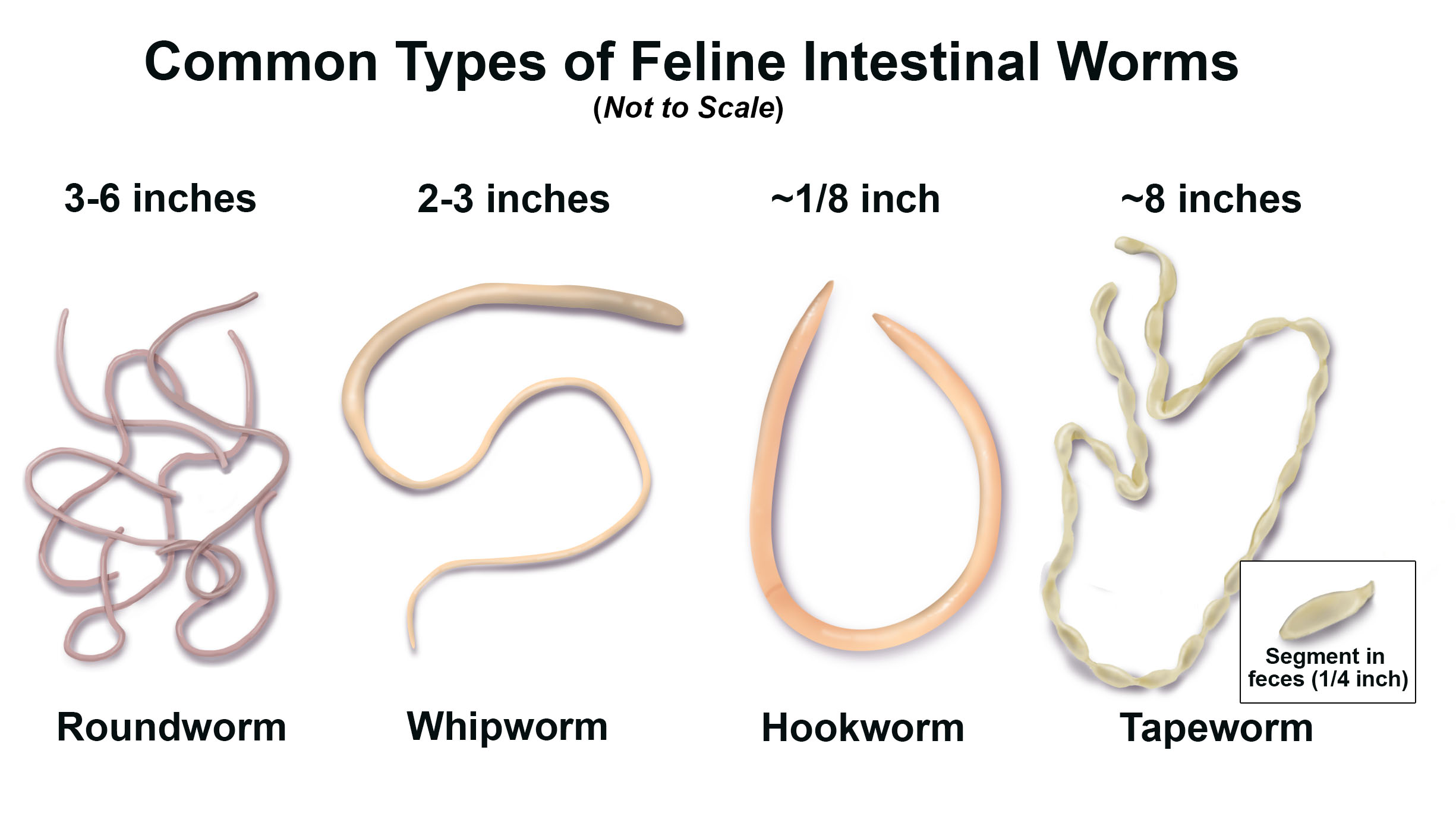
Credit: www.vet.cornell.edu
Myths And Facts
Cats can carry tapeworms, raising concerns about their transmission to humans. While rare, humans can contract tapeworms from ingesting infected fleas. Regular flea control in pets helps prevent this transmission, keeping both pets and humans safe.
When it comes to understanding cat tapeworms, it’s easy to get tangled up in myths and hearsay. Many cat owners worry about the potential risks these parasites might pose to humans. Do you ever wonder if your furry friend could really pass on tapeworms to you or your family? The truth is, there’s a mix of myths and facts about this topic that can lead to unnecessary panic.Common Misconceptions
One common misconception is that simply touching your cat can transmit tapeworms to you. This is not true. Tapeworms are generally transferred through ingesting infected fleas, not direct contact with your cat. Another myth suggests that all cats carry tapeworms. While tapeworms are common, not every cat has them. Regular vet visits and flea control can significantly reduce the risk. Some believe that once a cat has tapeworms, it’s a lifelong issue. In reality, tapeworms can be treated effectively with medication, clearing the issue completely.Scientific Insights
Scientific studies clarify that humans can technically contract tapeworms, but the conditions are quite specific. You would need to ingest a flea that carries tapeworm larvae. This is unlikely if you maintain good hygiene and ensure your cat is flea-free. Experts have found that the tapeworm species most commonly found in cats, Dipylidium caninum, is rarely transmitted to humans. Most cases occur in children due to their close contact with pets and tendency to put objects in their mouths. Research highlights the importance of flea prevention. By keeping your cat free from fleas, you drastically lower the chances of tapeworms affecting both your pet and your family. Think about this: Are you taking steps to prevent fleas in your home? Ensuring a flea-free environment is the best defense against tapeworm transmission. Focus on regular cleaning and using vet-recommended flea treatments for your cat. Remember, understanding the facts and debunking myths can help you better care for your feline friend and keep your household healthy.
Credit: www.catster.com
Frequently Asked Questions
How Likely Is It For Humans To Get Tapeworms From Cats?
Humans rarely get tapeworms from cats. Direct contact is uncommon but possible through cat feces. Ensure proper hygiene and regular deworming for cats to minimize risks. Wash hands after handling pets and cleaning litter boxes. Consult a vet for advice on pet health and parasite prevention.
Can I Touch My Cat If It Has Tapeworms?
Yes, you can touch your cat with tapeworms, but wash your hands afterward. Tapeworms spread through flea ingestion, not direct contact. Regular vet check-ups and flea control help prevent tapeworms. Always maintain good hygiene to minimize risks.
Do Cats Poop Out Tapeworms After Being Dewormed?
Yes, cats can poop out tapeworms after being dewormed. Deworming medication kills the tapeworms, which are then expelled from the cat’s body in the feces. This process ensures the removal of the parasites and helps improve the cat’s health.
Is Feline Tapeworm Contagious?
Feline tapeworms can spread to other animals, but rarely directly to humans. Cats contract them through ingesting infected fleas. Regular flea control and deworming can prevent infection. Always wash hands after handling pets to minimize risk. Consult a vet for effective treatments and preventive measures.
Conclusion
Understanding cat tapeworms helps keep your family safe. Human infection is rare. Practicing good hygiene prevents transmission. Regular vet visits protect your pets. Monitor your cat for symptoms. Early treatment is key. Keep your home clean. Wash hands after handling pets.
Don’t let your cat eat raw meat. Teach children proper pet handling. Educate others about tapeworm risks. Stay informed on pet health. This protects everyone. Healthy habits matter. Share this knowledge. Safe pets mean happy homes. Thank you for reading.
Stay proactive and safe.

Similar Posts