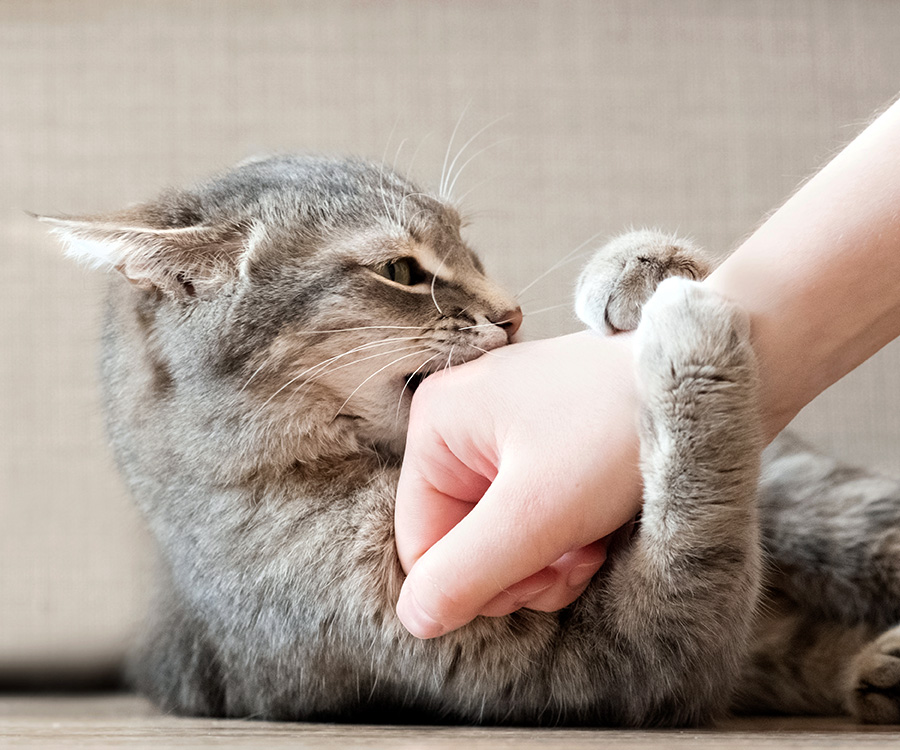
Why Does My Cat Bite When I Pet Him? Uncovering Reasons
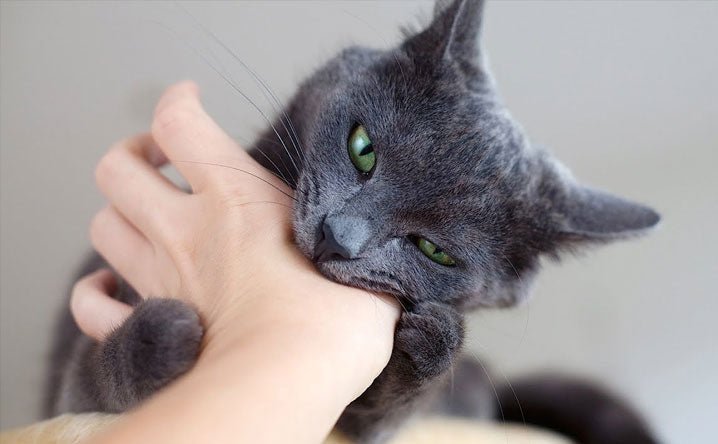
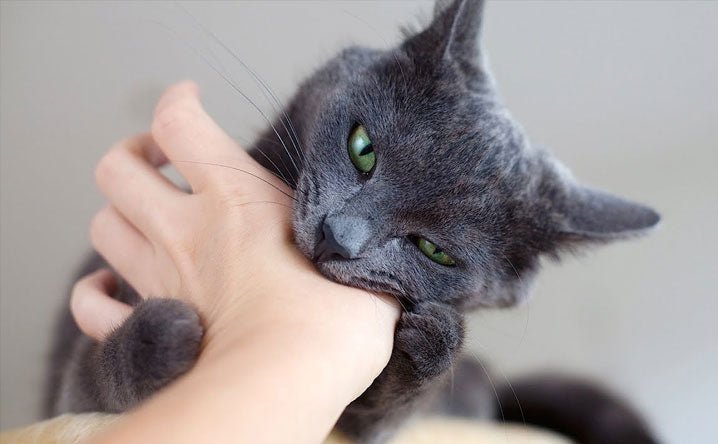
Have you ever been in the middle of a delightful petting session with your furry friend when, out of nowhere, your cat decides to give you a bite? If you’ve found yourself in this puzzling situation, you’re certainly not alone.
Understanding why your cat bites during petting can help improve your bond and prevent those unexpected nips. Cats are mysterious creatures, often leaving us wondering what goes on in their feline minds. Their behavior can be baffling, but it’s all part of their charm.
We’ll uncover the reasons behind your cat’s sudden biting and provide practical tips to ensure both you and your cat enjoy peaceful, bite-free moments together. Curious to know more? Let’s dive into the fascinating world of feline behavior and decode why your cat might be giving you those playful—or not so playful—bites.
Credit: coleandmarmalade.com
Cat Communication
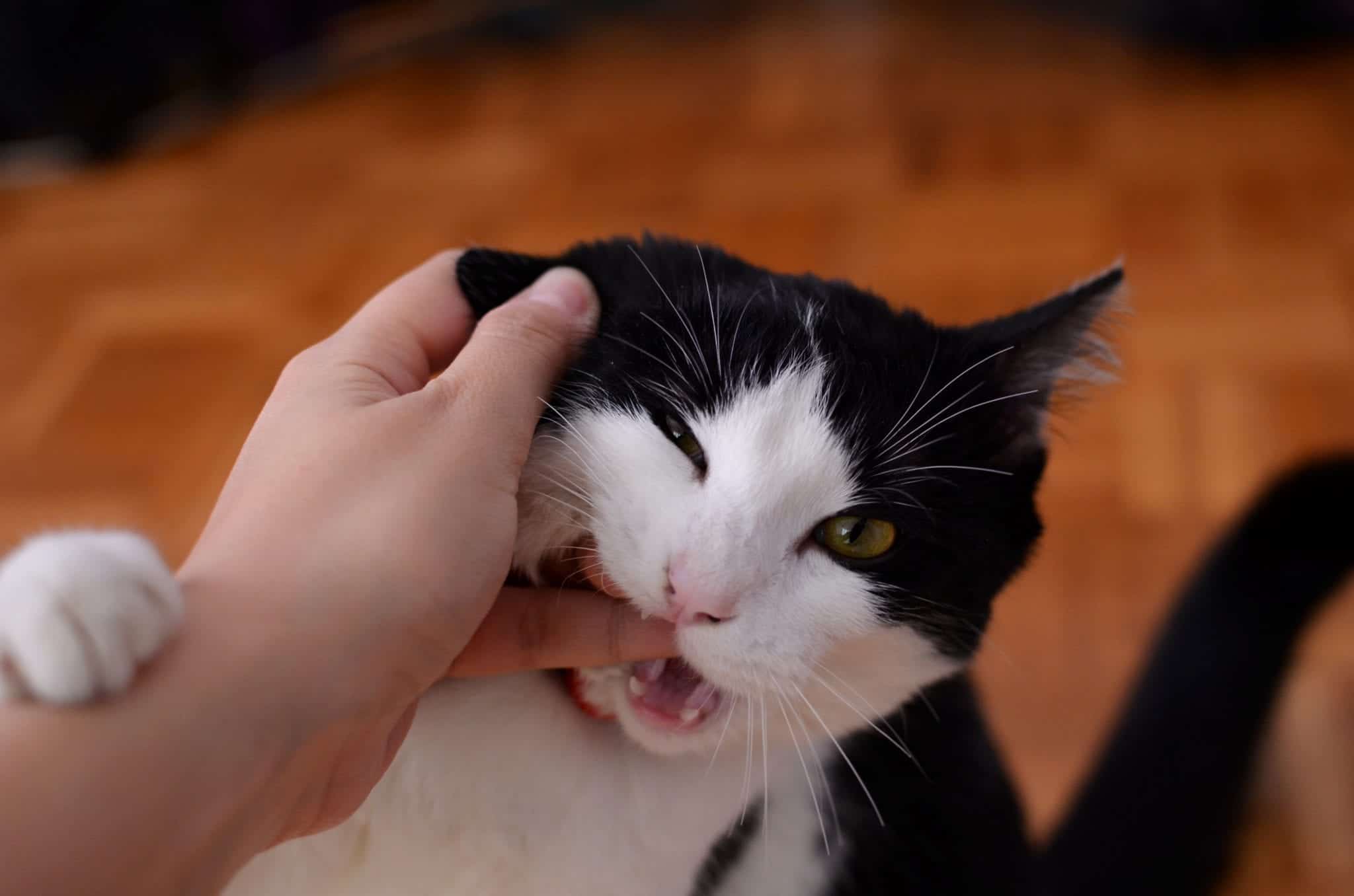
Cats communicate through bites to express emotions. Overstimulation might be a reason for biting during petting. Understanding your cat’s body language can help avoid these nips.
Understanding your cat’s behavior can sometimes feel like deciphering a secret code. Cats have a unique way of communicating, and it’s not always straightforward. They use a combination of body language and vocalizations to express their feelings and needs. When your cat bites during petting, it might be trying to send you a message. But what exactly is it trying to tell you?Body Language Signals
Cats are masters of body language. The position of their ears, tail, and even their whiskers can reveal their mood. A cat that is purring and then suddenly bites might have had enough petting. Look for signs like a flicking tail or flattened ears. My cat, Whiskers, often flicks his tail just before he’s about to nip. It’s his way of saying, “That’s enough, thank you!”Vocalizations
Listen closely to your cat’s vocal cues. A gentle meow can mean contentment, while a growl or hiss is a clear sign of irritation. If your cat is purring loudly and then starts to bite, it may be experiencing overstimulation. Have you ever noticed your cat chirping or trilling before a nip? It’s often a playful signal, not a sign of aggression. Understanding these signals can help you respond appropriately. Next time, try stopping your petting session when you notice these cues. Your cat will appreciate your attentiveness. What are some signals your cat uses to communicate with you? How do you respond? Share your experiences in the comments below!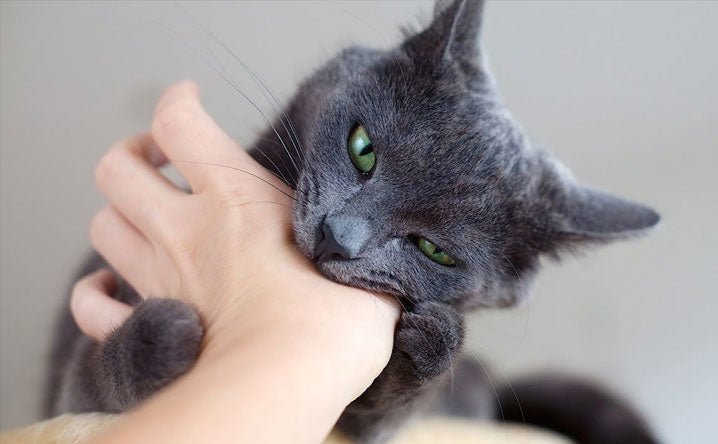
Credit: modkat.com
Petting Preferences
Understanding your cat’s petting preferences can be a game-changer in building a stronger bond. Cats are unique creatures with individual likes and dislikes, especially when it comes to physical contact. Have you ever wondered why your feline friend suddenly bites during a cozy petting session? It could be a matter of petting preferences. Let’s dive into some key areas to explore.
Sensitive Areas
Not all parts of a cat’s body are created equal in terms of sensitivity. Some cats might enjoy a good scratch behind the ears or under the chin, while others might find it annoying. The belly is often off-limits for many cats, being a highly sensitive area.
Try observing your cat’s reaction as you pet different areas. Does your cat purr or pull away? This can give you clues about which spots to avoid and which ones are safe for a gentle touch.
Petting Duration
Even if you’re petting your cat in the right spot, the length of time can affect their mood. Some cats may enjoy lengthy petting sessions, while others prefer short bursts of affection. Overstimulation can lead to biting, as it becomes overwhelming for your cat.
Watch your cat’s body language during petting. If they start to flick their tail or their ears go back, it might be time to stop. Knowing when to pause can prevent those unexpected bites.
Have you ever noticed how your cat responds differently to various family members? This could be due to differences in petting styles. Pay attention to what works and adjust your approach accordingly.
By tailoring your petting techniques to your cat’s preferences, you can create a more enjoyable experience for both of you. What petting pattern does your cat seem to prefer? Understanding their unique needs can lead to a happier, bite-free interaction.
Overstimulation
Have you ever been cuddling with your cat, only to be surprised by a sudden bite? This puzzling behavior could be a sign of overstimulation. Cats are sensitive creatures, and sometimes, the simple act of petting can become overwhelming for them. Understanding this can help you maintain a peaceful and loving relationship with your feline friend.
Signs Of Overstimulation
It’s essential to recognize when your cat is feeling overstimulated. Common signs include twitching tail, flattened ears, and dilated pupils. If your cat starts to move away or suddenly stops purring, these are also indicators that they might have had enough.
My cat, Fluffy, often twitches her tail when she’s had enough petting. It’s her way of saying, “I’ve enjoyed this, but I need a break.” Pay attention to these signals to prevent any sudden bites.
Preventing Overstimulation
To avoid overstimulation, try to limit your petting sessions to a few minutes. Watch your cat’s body language closely. If your cat is showing any signs of discomfort, it’s time to stop.
Creating a safe space where your cat can retreat can be incredibly helpful. Let them choose when they want to interact. This not only reduces stress but also fosters a stronger bond between you and your cat.
Have you ever considered the importance of respecting your cat’s boundaries? It might seem challenging, but it’s crucial for a healthy relationship. How do you balance affection with their need for space?
Fear And Anxiety
It’s not uncommon for cats to bite when they feel threatened, even during what you consider a calm petting session. Fear and anxiety can transform a cuddly companion into a defensive creature. Understanding these emotions is crucial to nurturing a trusting bond with your feline friend.
Triggers Of Fear
Cats can be startled by sudden movements or loud noises. Imagine you’re engrossed in petting your cat, and a door slams shut. This unexpected sound might evoke a biting response from your cat. Some cats may even have specific fears based on past experiences, such as being handled too roughly.
Observing your cat’s body language can provide clues. Does your cat’s tail twitch or ears flatten? These are signs of discomfort. A simple change in your approach could prevent that unexpected nip.
Calming Techniques
Creating a serene environment is key to easing your cat’s anxiety. Soft music or white noise can help mask startling sounds. Offering a quiet space where your cat feels safe can be a game changer.
Gentle, predictable petting can also soothe your cat. Slow strokes and a calm voice can reassure them that all is well. Have you tried rewarding your cat with treats during petting sessions? This positive reinforcement builds trust and helps your cat associate petting with comfort.
Finally, consider your timing. Is your cat in the mood for affection? Cats can be quite independent, and respecting their boundaries can foster a stronger bond. Next time your cat bites, ask yourself: could fear or anxiety be the cause?
Playful Behavior
Cats often bite during petting due to their playful nature. This behavior can confuse cat owners. It’s important to recognize these playful antics. Cats express joy and curiosity through play biting. Understanding this helps build a better bond with your furry friend.
Understanding Play Biting
Play biting is a common behavior in cats. It starts in kittenhood. Kittens learn boundaries through biting. They bite each other during play. This helps them understand social cues. Adult cats continue this playful habit. It’s not meant to harm. It’s a way to engage with you.
Recognizing play biting is crucial. Cats often have relaxed body language. Their tails might flick gently. Ears are usually forward. They might purr while biting. These signs show they’re not aggressive. Knowing these cues can prevent misunderstandings.
Safe Play Strategies
Offer toys during playtime. Use interactive toys like feather wands. This keeps your hands safe. Rotate toys to keep your cat interested. Avoid using hands as toys. This confuses cats. They might think biting hands is okay.
Provide a scratching post. Cats love to scratch and bite it. It’s a great outlet for their energy. Encourage positive play. Reward your cat with treats. Praise them for gentle behavior. This reinforces good habits. Always supervise play sessions.
Understand your cat’s play style. Some cats prefer chasing. Others enjoy pouncing. Adapt playtime to suit their preferences. This ensures a happy and healthy relationship.
Medical Issues
Cats may bite when petted due to medical issues like pain or discomfort. A vet check can help identify underlying problems. Understanding your cat’s behavior is crucial for ensuring their health and comfort.
Understanding why your cat might bite when you pet him can often lead to uncovering underlying medical issues. Cats are masters at hiding discomfort, and their sudden aggression can be a sign that something isn’t quite right. Observing these behaviors closely and considering medical reasons can help ensure your feline friend is happy and healthy.Pain And Discomfort
A common reason for sudden biting behavior is that your cat might be experiencing pain. Cats have a high tolerance for discomfort and often show their distress through subtle body language. If your cat suddenly bites when touched, it might be trying to communicate that a certain area is painful. Have you noticed your cat flinch or pull away when you pet a specific spot? It could indicate an injury, arthritis, or even dental issues that are causing pain. Just like how you might avoid using an injured hand, your cat might be reacting to avoid further discomfort.Consulting A Veterinarian
If you suspect a medical issue, it’s crucial to consult a veterinarian. A professional can accurately diagnose any health problems that might be causing your cat’s biting behavior. During the visit, the vet might conduct a physical examination and suggest tests to identify any hidden ailments. Consider sharing specific observations with the vet, such as when and where the biting occurs. This information can be invaluable in pinpointing the problem. Remember, addressing medical issues promptly can improve your cat’s quality of life and strengthen the bond you share. Have you ever thought about how often we overlook the subtle cues our pets give us? Taking time to understand these signals can make all the difference in their well-being.Building Trust
Building trust with your cat is essential. It helps reduce biting during petting. Cats may bite for various reasons. Often, it’s a sign of discomfort or stress. Understanding this behavior is key. It helps nurture a strong bond with your feline friend.
Creating Safe Spaces
Ensure your cat has a safe space. A quiet room or cozy corner can work. Cats feel secure when they have their own territory. This reduces stress and biting. Provide soft bedding and toys. These add comfort and entertainment. Safe spaces foster trust and calm behavior.
Positive Reinforcement
Positive reinforcement encourages good behavior. Reward your cat with treats or praise. Do this when they stay calm during petting. Avoid punishing them for biting. Punishment can lead to fear and more aggression. Focus on rewarding good behavior instead. This builds trust and reduces biting over time.
Credit: www.feliway.co.uk
Frequently Asked Questions
Why Does My Cat Want Me To Pet Her But Then Bites Me?
Cats may bite after petting due to overstimulation or mixed signals. They enjoy affection but reach a limit quickly. Pay attention to their body language, like twitching tails or flattened ears, to avoid biting. Understanding their cues helps maintain a positive interaction and strengthens your bond.
How Do I Get My Cat To Stop Biting When Petting?
Stop petting when your cat bites. Use toys to redirect aggression. Reward calm behavior with treats. Keep petting sessions short. Recognize and avoid triggering areas.
Why Does My Cat Nibble When Petted?
Cats may nibble to communicate overstimulation or discomfort. Petting can sometimes trigger their natural hunting instincts. It’s essential to observe your cat’s body language. Signs of irritation include tail flicking or ears flattening. Understanding these cues can help prevent biting.
Is Biting A Sign Of Affection In Cats?
Biting can sometimes be a sign of affection. Cats use gentle nibbles to express love or playfulness. However, it’s crucial to differentiate between playful and aggressive biting. If the bites are soft and accompanied by purring, it’s likely affectionate.
Conclusion
Cats express themselves differently. Biting can mean many things. Sometimes, they feel overstimulated. Other times, it’s playful. Understanding your cat’s signals is key. Look for signs like ears back or tail flicking. These can warn you. Respect their boundaries. Stop petting when they seem annoyed.
Every cat is unique. Observe and learn their preferences. This builds trust. It strengthens your bond. Patience is essential. Always approach them gently. Your cat will appreciate your understanding. Happy petting leads to a happy cat. Keep learning about your furry friend.
You both deserve a peaceful relationship.