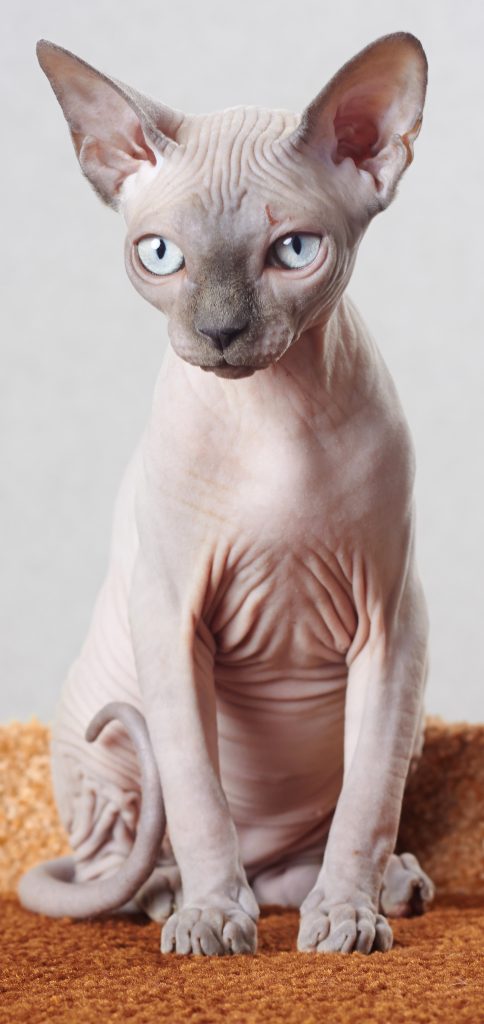
Have you ever wondered why Sphynx cats are hairless? If you’ve ever seen one of these unique felines, you might have been captivated by their unusual appearance.
Their lack of fur gives them a striking look that sets them apart from other cats. But what causes this distinctive trait? Understanding the reasons behind their hairlessness can deepen your appreciation for these fascinating creatures. As you delve into the mystery of the Sphynx cat’s hairless charm, you’ll discover a blend of genetics, history, and a bit of quirky science.
This isn’t just a fun fact; it’s a peek into the intriguing world of feline evolution. Before you know it, you’ll find yourself enchanted by the Sphynx’s story, eager to learn more about what makes them so special and how they might fit into your life. Stick around to uncover the secrets behind their smooth skin and endearing personalities—because once you know why they’re hairless, you might just fall in love with these one-of-a-kind companions.
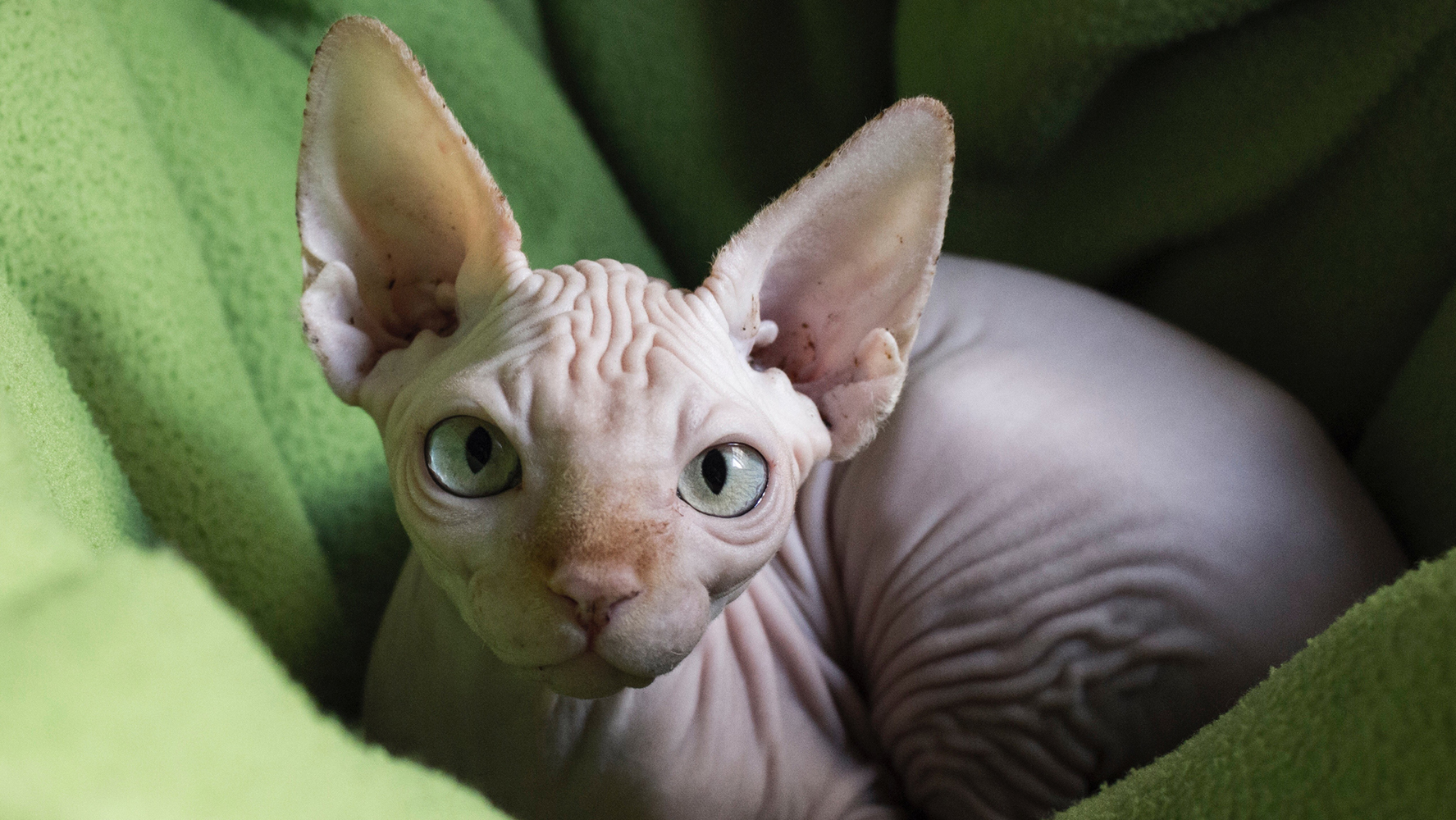
Credit: www.sciencefocus.com
Genetic Origins
Sphynx cats are hairless due to a natural genetic mutation affecting their fur growth. This mutation leads to the production of a protein that prevents hair from growing, giving these cats their unique appearance. Despite their lack of fur, Sphynx cats are known for their warm and friendly personalities.
The genetic origins of Sphynx cats are fascinating and unique. These hairless wonders have captivated cat lovers worldwide, but few know the scientific story behind their distinctive appearance. Understanding their genetic makeup provides insight into the intriguing journey from furry felines to the sleek Sphynx.Mutation And Evolution
Sphynx cats owe their hairless trait to a natural genetic mutation. This mutation affects the development of hair follicles, resulting in their smooth skin. Interestingly, this mutation first appeared spontaneously. Cats with this mutation were then selectively bred to enhance and preserve the hairless characteristic. Evolution played a significant role in this process. Breeders focused on creating a stable breed that carries the mutation consistently. They achieved this by selecting cats with the strongest expression of hairlessness. This dedication led to the establishment of the Sphynx breed.Role Of The Gene
The gene responsible for hairlessness in Sphynx cats is known as the “hr” gene. It is a recessive gene, meaning both parents must carry it to produce hairless offspring. This makes breeding Sphynx cats a precise science. Breeders must carefully pair cats to ensure the gene’s presence in the next generation. Imagine the excitement of breeding two seemingly ordinary cats and discovering hairless kittens! This genetic trait not only defines the Sphynx but also offers a unique perspective on genetic diversity in cats. Have you ever wondered what other surprising traits might be lurking in the genes of your pets? Understanding the role of genes can change how we view animal breeding and genetics. The story of the Sphynx cat is a testament to nature’s ability to surprise us, and to human ingenuity in preserving these surprises.
Credit: danspetcare.com
Physical Characteristics
Sphynx cats stand out due to their unique physical traits. Their hairless bodies are a result of a natural genetic mutation. This distinctive appearance attracts many cat enthusiasts. Though hairless, they have a specific skin texture and color variations. Understanding these features helps appreciate their uniqueness.
Skin Texture
The skin texture of Sphynx cats is soft and warm. It often feels like suede or a peach. This texture provides a cozy feeling when touched. Despite lacking fur, their skin needs regular care. This includes cleaning to prevent oil buildup and skin issues.
Color Variations
Sphynx cats display a wide range of color variations. Their skin can show diverse patterns, similar to furred cats. These patterns include solid, tabby, and points. Colors may vary from black, white, and blue to more exotic shades. Each Sphynx cat has a unique pattern, adding to its charm.
Historical Background
The story of Sphynx cats begins with their unique appearance. Their hairless skin has intrigued cat enthusiasts for decades. To understand why these cats lack fur, we must explore their historical background. This journey takes us through early discoveries and breeding practices. Each step reveals more about the origins of this fascinating breed.
Early Discoveries
The first hairless cat emerged unexpectedly. In 1966, a kitten named Prune was born in Toronto, Canada. Prune’s lack of fur surprised breeders and sparked interest. These cats were initially seen as anomalies. Their hairlessness was due to a natural genetic mutation. This mutation created a distinct look and feel. Enthusiasts soon began to study these unique felines.
Breeding Practices
Breeders played a key role in developing the Sphynx breed. After Prune’s appearance, breeders sought to preserve hairlessness. They focused on selective breeding to maintain the trait. This process involved careful pairings with other cats. Breeders selected cats with similar genetic traits. Over time, these practices established the Sphynx as a recognized breed. Breeding ensured consistency in appearance and behavior.
Today, the Sphynx cat is celebrated for its unique look. Its history reflects human fascination with genetics. Breeders continue to refine and improve the breed. The Sphynx remains a favorite among cat lovers worldwide. Its hairlessness sets it apart from other feline companions.
Unique Adaptations
Sphynx cats are hairless due to a natural genetic mutation. This mutation affects the development of hair follicles. As a result, these cats have a unique, warm skin texture that sets them apart.
Sphynx cats, with their striking hairless appearance, are a marvel of unique adaptations. Their smooth, bare skin is not just a quirky trait but a result of evolutionary changes that suit their lifestyle. These adaptations are fascinating and provide insight into how nature tailors creatures to thrive in their environments.Temperature Regulation
Without the insulating layer of fur, Sphynx cats have developed clever ways to maintain their body temperature. Their skin generates more heat than cats with fur, acting like a natural heater. This makes them warm to the touch, a delight for those chilly evenings when you want a cozy companion. Their lack of fur also means they need to consume more calories to fuel this higher heat production. This might explain why your Sphynx seems to be perpetually hungry. It’s their way of keeping their internal thermostat at a comfortable level.Sensitivity To Environment
Sphynx cats are incredibly attuned to their surroundings due to their exposed skin. They can feel temperature changes more acutely than their furry counterparts. This sensitivity means they seek warm spots, like sun patches on the floor or snuggling under blankets with you. Their sensitive skin also demands extra care. Regular baths are necessary to remove excess oils that would typically be absorbed by fur. This grooming routine can be a bonding experience, as you gently care for your feline friend. Have you noticed your Sphynx reacting to minor changes in your home environment? This is their heightened sensitivity at play. It invites you to consider how attuned you are to your surroundings and how small changes can impact your comfort. These unique adaptations of the Sphynx cat highlight the incredible ways nature shapes living beings. They remind us of the importance of adapting to our environments and the beauty that comes with embracing our unique traits.Care Requirements
Sphynx cats are unique because of their hairless skin, making their care requirements distinct. Their skin and dietary needs demand special attention. Proper care ensures their health and happiness.
Skin Maintenance
Sphynx cats have delicate skin. Regular baths are necessary to keep it clean. Their skin produces oil, which can build up. Weekly baths help remove this oil. Use mild pet shampoo to prevent irritation. After bathing, dry them gently. Their skin is sensitive and can get cold easily.
Sun protection is vital. Their hairless skin can burn in sunlight. Limit their sun exposure. Use pet-safe sunscreen if they go outside. Keep their nails trimmed. Long nails can scratch their skin. Regular nail trimming prevents injuries.
Dietary Needs
Sphynx cats need a balanced diet. Their metabolism is high due to their lack of fur. They need more calories to maintain body warmth. Provide high-quality cat food rich in protein. Protein supports muscle health. Avoid foods with fillers and additives. These can upset their stomachs.
Always ensure they have fresh water. Hydration is crucial for their health. Monitor their weight regularly. Adjust portions if they gain or lose weight quickly. Consult a vet for dietary advice tailored to their needs.
Cultural Perceptions
Sphynx cats are unique with their hairless appearance. Their look often intrigues and confuses people. This appearance influences how they are viewed in various cultures. Some see them as exotic pets. Others might find them unusual or even strange.
Different cultures have different views on these cats. Some cultures admire their beauty. Others might focus on their lack of fur. This leads to diverse opinions and beliefs about them.
Popularity In Media
Media plays a big role in Sphynx cats’ popularity. Movies and TV shows often feature these cats. Their distinct look makes them memorable characters. People remember them because they stand out. This increases their popularity among pet lovers.
Social media also boosts their fame. Many share photos and videos of Sphynx cats online. Their unique look attracts followers and likes. This online presence makes them more popular.
Misconceptions And Myths
There are many myths about Sphynx cats. Some think they are sickly because they lack fur. This is not true. They are generally healthy cats. Proper care keeps them in good condition.
Another myth is that they feel cold all the time. They do need warmth, but they adapt well indoors. Owners provide cozy blankets and warm places for them. These cats are active and playful.
Some people believe they are hypoallergenic. While they don’t shed fur, they still produce allergens. People with allergies should spend time with them first. This helps them see if they react to the allergens.
Scientific Research
The hairlessness of Sphynx cats has intrigued scientists for years. This unique trait is due to a genetic mutation. Scientists have delved into understanding the reasons behind this mutation. Their work sheds light on the fascinating biology of these cats.
Current Studies
Recent studies focus on the Sphynx cat’s genetic makeup. Researchers discovered a specific gene mutation responsible for their lack of fur. This mutation affects the keratin protein in their skin. Keratin is crucial for hair growth. Without it, hair follicles do not develop as they should. Scientists use advanced genetic tools to study this mutation further. They aim to understand how it affects the overall health of Sphynx cats. This research helps breeders ensure the health and wellbeing of these cats.
Future Directions
Scientists plan to explore other genetic factors in Sphynx cats. They want to see if other genes play a role in their hairlessness. Future research may also focus on how this mutation impacts skin health. Sphynx cats are prone to skin conditions due to their lack of fur. Understanding genetic influences can improve care for these cats. Researchers also aim to study how the mutation affects other cat breeds. This could provide insights into feline genetics as a whole. The future holds promising discoveries in this field.

Credit: en.wikipedia.org
Frequently Asked Questions
Why Were Sphynx Cats Bred To Be Hairless?
Sphynx cats were bred hairless due to a natural genetic mutation. Breeders aimed for a unique appearance and hypoallergenic qualities. Their hairlessness helps reduce allergens, appealing to allergy sufferers. The breed’s popularity grew for its distinct look and friendly nature, making them sought-after pets.
Are Sphynx Cats Actually Egyptian?
Sphynx cats are not Egyptian. They originated in Canada in the 1960s due to a natural genetic mutation. Despite their name, they have no direct link to ancient Egypt. These hairless cats are known for their unique appearance and affectionate nature.
Can Sphynx Cats Survive In The Wild?
Sphynx cats struggle to survive in the wild due to their lack of fur and natural defenses. Their skin requires protection from extreme temperatures and sun exposure. They rely heavily on humans for food and care. A domestic environment suits them best for health and safety.
What Is The Purpose Of Hairless Cats?
Hairless cats, like the Sphynx, exist due to genetic mutations. They are bred for their unique appearance. Their affectionate nature and hypoallergenic qualities appeal to those with allergies. Regular grooming is essential for their skin health. These cats serve as companions and are admired for their distinctive look and friendly personality.
Conclusion
Sphynx cats are unique due to their hairless appearance. This trait results from a natural genetic mutation. Their lack of fur makes them stand out among other breeds. People often admire their smooth skin and expressive eyes. Sphynx cats require special care, given their sensitive skin.
Despite being hairless, they are warm and affectionate companions. Their playful and loving nature captivates many cat lovers. Understanding their needs ensures they thrive in any home. These fascinating cats continue to charm with their distinct look and personality. Perfect for those seeking a unique pet experience.