When to Take a Cat to the Vet for Vomiting: Urgent Signs
Imagine this: your cat, usually energetic and playful, suddenly starts vomiting. As a loving pet owner, you find yourself worried and unsure about what to do next.
Is this a minor issue, or could it be a sign of something more serious? Knowing when to take your cat to the vet for vomiting can make all the difference in their health and happiness. You’ll discover the crucial signs that indicate a vet visit is necessary, helping you ensure your furry friend’s well-being.
With easy-to-follow advice and insights, you’ll gain the confidence to make informed decisions, keeping your cat safe and thriving. Don’t let uncertainty cloud your judgment; read on to become the informed guardian your cat deserves.
Common Causes Of Cat Vomiting
Cats can vomit for various reasons. Some are harmless, while others need attention. Understanding the cause helps in deciding if a vet visit is needed. Here are common causes of cat vomiting.
Dietary Indiscretion
Cats sometimes eat things they shouldn’t. This includes spoiled food or table scraps. Such items can upset a cat’s stomach. Vomiting is often the body’s way to get rid of it. If the cat vomits repeatedly, see a vet.
Hairballs
Hairballs form when cats groom themselves. They swallow loose hair, which forms balls in the stomach. These hairballs can cause vomiting. Regular grooming helps reduce hairballs. Special diets can also help.
Gastrointestinal Infections
Infections in the stomach or intestines cause vomiting. Bacteria, viruses, or parasites are common culprits. Cats may also have diarrhea or lose weight. A vet can diagnose and treat these infections.
Toxins And Poisoning
Cats are curious and may ingest harmful substances. Household cleaners, plants, and human food can be toxic. Vomiting is a sign of poisoning. Immediate vet care is crucial in these cases.

Credit: www.winston-salem.carolinavet.com
Symptoms Indicating A Vet Visit
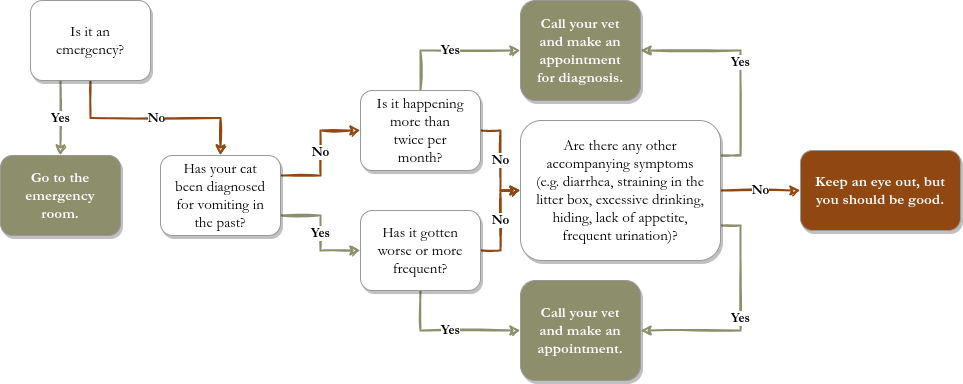
Understanding when to take your cat to the vet for vomiting is crucial. Certain symptoms require immediate attention. These signs can indicate serious health issues. Addressing them early can save your cat from further complications.
Persistent Vomiting
If your cat vomits more than once in 24 hours, it’s concerning. Cats may occasionally vomit due to hairballs. But repeated vomiting is not normal. It may point to an underlying health issue. A vet can determine the cause and provide treatment.
Blood In Vomit
Blood in your cat’s vomit is a red flag. It can indicate internal bleeding or ulcers. This symptom needs urgent veterinary attention. Delaying can worsen the problem. Prompt action can prevent serious complications.
Lethargy And Weakness
Lethargy and weakness often accompany severe vomiting. Your cat may seem unusually tired. Or reluctant to move. This behavior change signals a health issue. A vet’s assessment is necessary to find the cause.
Dehydration Signs
Vomiting can lead to dehydration in cats. Check for dry gums and sunken eyes. These are signs of dehydration. Dehydration can become dangerous quickly. A vet can provide fluids and proper care.
Assessing The Severity Of Vomiting
Vomiting in cats can be a cause for concern for many pet owners. Understanding when to seek veterinary care is crucial. Assessing the severity of vomiting can help determine the urgency of the situation. By examining specific factors, cat owners can make informed decisions about their pet’s health.
Frequency And Duration
Notice how often your cat vomits. Occasional vomiting might be normal. Frequent vomiting can indicate a serious issue. Track how long the vomiting lasts. A day of vomiting might not be alarming. Persistent vomiting over several days requires attention.
Associated Behavioral Changes
Changes in behavior are significant. Is your cat less active? Are they hiding more than usual? Behavioral shifts can signal distress. Monitor if your cat seems lethargic or uninterested in food. These changes can accompany vomiting, suggesting a health problem.
Physical Condition Assessment
Observe your cat’s physical state. Look for signs of dehydration. Dry gums or sunken eyes can indicate dehydration. Check for weight loss or poor coat condition. Physical symptoms can offer clues about underlying issues.
Immediate Actions Before Vet Visit
Observe your cat’s vomiting frequency and behavior before the vet visit. Keep them calm and away from food. Gather any relevant information on recent changes in diet or environment.
Vomiting in cats can be concerning, and knowing when to take your furry friend to the vet is crucial. Before rushing to the clinic, there are immediate actions you can take that might help assess the situation better. These steps can also provide valuable information to your vet, aiding in the diagnosis. Let’s explore some practical measures you can implement right away.Withholding Food And Water
Initially, it might seem counterintuitive to withhold food and water from your vomiting cat. However, allowing the stomach to rest can be beneficial. Refrain from offering food and water for a few hours. This pause can help reduce further irritation in the stomach. During this period, observe your cat’s behavior. Are they showing signs of distress or dehydration? This information will be crucial when you consult your vet.Monitoring Symptoms
Keep a close eye on your cat’s symptoms. Is the vomiting frequent or just a one-time occurrence? Take note of any other symptoms such as lethargy, diarrhea, or unusual behavior. Consider whether your cat has been exposed to any potential toxins or new foods. This can provide clues about the cause of the vomiting. Ask yourself if there’s been any recent change in their environment or routine that might be affecting them.Collecting Vomit Samples
Though it may not be pleasant, collecting a sample of your cat’s vomit can be incredibly helpful. Use a small container or a plastic bag to gather a sample. This sample can help your vet determine the underlying issue. Look at the contents; are there any undigested food particles or foreign objects? This could indicate the reason for vomiting. Providing this sample to your vet can speed up the diagnosis process. Taking these steps before visiting the vet can make a difference in how quickly your cat receives appropriate care. What immediate actions do you take when your cat shows signs of distress?What To Expect During The Vet Visit
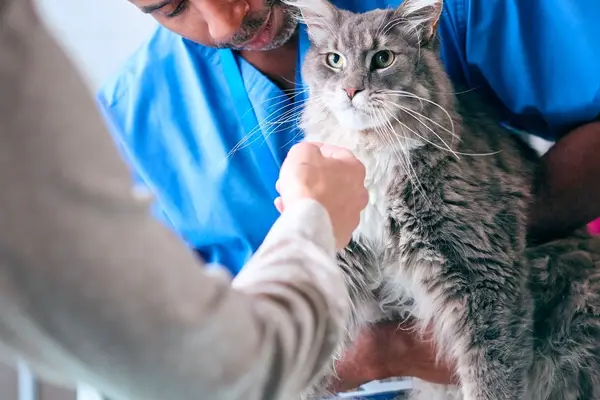
Visiting the vet when your cat vomits can be overwhelming. Knowing what to expect helps ease the stress. The vet will conduct a thorough examination. They aim to find the cause of your cat’s distress. You’ll learn about possible diagnostic tests, treatment options, and follow-up care. Let’s break down each step so you know what’s ahead.
Diagnostic Tests
Vets often start with a physical exam. They check your cat’s weight and temperature. They examine the abdomen for any pain. Blood tests may be necessary to check for infections. Urinalysis gives more clues about internal issues. In some cases, X-rays or ultrasounds are needed. These help identify obstructions or other problems. Early diagnosis leads to quicker relief for your cat.
Treatment Options
The treatment depends on the test results. Mild cases might need dietary changes. The vet may suggest switching to a bland diet. Dehydrated cats might need fluid therapy. This replenishes lost fluids and electrolytes. Medications can help reduce nausea and vomiting. If an obstruction is found, surgery might be needed. The vet will discuss all options with you.
Follow-up Care
After treatment, follow-up care ensures full recovery. Your vet might schedule a check-up visit. They assess how well the treatment is working. You may need to monitor your cat’s eating habits. Watch for any changes in behavior or symptoms. Keep a close eye on their litter box use. Report any concerns to the vet promptly. Following their advice ensures your cat stays healthy and happy.
Credit: gsvs.org
Preventive Measures
Understanding when to take a cat to the vet for vomiting is crucial. Preventive measures can help maintain your cat’s health. These steps can minimize the risk of frequent vomiting. Here, we focus on dietary management, regular health check-ups, and environmental safety.
Dietary Management
A balanced diet can prevent many health issues in cats. Ensure your cat eats a well-balanced, nutritious diet. Avoid sudden changes in diet, as they can upset the stomach. Introduce new foods gradually to monitor your cat’s reaction. Consider high-quality cat food for essential nutrients.
Regular Health Check-ups
Regular vet visits can catch potential health problems early. Schedule annual check-ups to keep your cat in good health. These visits allow the vet to monitor your cat’s weight and diet. Vaccinations and parasite control are also crucial during these visits.
Environmental Safety
A safe environment can reduce stress and health risks. Keep harmful substances away from your cat’s reach. Ensure your home is free from toxic plants and chemicals. Provide a clean litter box and fresh water daily. These actions create a healthy living space for your cat.
Credit: gsvs.org
Frequently Asked Questions
How Long Should I Wait To Take My Cat To The Vet For Throwing Up?
Take your cat to the vet if vomiting persists over 24 hours or includes blood. Frequent vomiting needs immediate attention.
How To Know If Cat Vomit Is Serious?
Observe frequency, color, and contents of vomit. Frequent vomiting, blood, or foreign objects indicate seriousness. Monitor behavior changes, such as lethargy or loss of appetite. Consult a vet if symptoms persist or worsen. Early intervention ensures better outcomes.
How Many Times Can My Cat Throw Up Before I Should Be Concerned?
Consult a vet if your cat vomits more than once or twice daily. Frequent vomiting may indicate health issues. Monitor for other symptoms like lethargy or appetite loss. Early intervention ensures your cat’s well-being. Trust your instincts and seek professional advice when concerned about your cat’s health.
What Color Vomit Is Concerning For Cats?
Bright yellow or green vomit can be concerning for cats. These colors may indicate bile or a serious health issue. If your cat vomits blood or dark vomit, consult a veterinarian promptly. Regular observation and quick action help maintain your cat’s health.
Conclusion
Taking your cat to the vet for vomiting is crucial. Watch for persistent vomiting. Look for other symptoms like lethargy or blood. Early intervention can prevent serious health issues. A vet can diagnose the problem. Treatment can then begin promptly.
Remember, your cat’s health depends on timely care. Regular check-ups keep them healthy. Always prioritize their well-being. Trust your instincts if something feels off. Better safe than sorry with your furry friend.

Similar Posts