What Cat Food is Best for Constipation: Top Picks
When your feline friend struggles with constipation, it can be a distressing experience for both of you. You might find yourself wondering, “What cat food is best for constipation?”
You’re not alone. Many cat owners face this challenge, and finding the right solution is crucial for your cat’s health and happiness. We’ll dive into the specific types of cat food that can help alleviate constipation, exploring ingredients and formulations designed to promote better digestive health.
By understanding what to feed your cat, you can make informed decisions that ensure your furry companion stays comfortable and healthy. So, if you’re ready to discover the secrets to improving your cat’s digestion, read on to find out more!
Causes Of Cat Constipation
Understanding the causes of cat constipation is crucial for pet owners. Constipation in cats can lead to discomfort and health issues. Identifying the root causes helps in choosing the right cat food. Let’s explore the common causes of cat constipation.
1. Poor DietA diet low in fiber can lead to constipation. Fiber is essential for a healthy digestive system. Cats require a balanced diet with sufficient fiber. Without it, stools become hard and difficult to pass.
2. DehydrationInsufficient water intake can cause constipation. Water helps soften stools. Cats need to drink enough water daily. Dehydration makes stools dry and hard.
3. HairballsHairballs can block the digestive tract. Cats groom themselves often. This leads to hair ingestion. Accumulated hair can form hairballs and cause constipation.
4. Lack of ExerciseInactive cats may experience constipation. Exercise stimulates bowel movements. Cats need regular physical activity. Without exercise, digestion slows down.
5. Medical ConditionsSome health issues can cause constipation. Conditions like diabetes or kidney disease affect digestion. Regular vet check-ups are essential. They help in identifying underlying health problems.
Signs Your Cat Might Be Constipated
Recognizing constipation in cats can be challenging. Cats often hide their discomfort. Knowing the signs helps in early treatment. Proper diet is crucial for a cat’s digestive health. Identifying constipation signs early can prevent complications.
1. Decreased Appetite
A constipated cat might eat less. Watch for sudden changes in eating habits. Reduced food intake is a common sign.
2. Hard Or Dry Stool
Check your cat’s litter box regularly. Hard or dry stool indicates constipation. This is a clear sign of digestive issues.
3. Straining In The Litter Box
Notice if your cat strains in the litter box. Straining suggests difficulty in passing stool. This often accompanies constipation.
4. Abdominal Discomfort
Gently touch your cat’s abdomen. A constipated cat may show discomfort. Tenderness or bloating can be signs.
5. Lethargy
Constipation can make a cat feel tired. Noticeable lethargy is often a symptom. A lack of energy should be taken seriously.
6. Frequent Trips To The Litter Box
Your cat might visit the litter box often. Frequent trips without results are concerning. This behavior often signals constipation.
7. Vocalizing While In The Litter Box
Listen for unusual sounds from your cat. Vocalizing indicates distress or pain. This can be a sign of constipation.
Nutritional Needs For Cats With Constipation
Cats with constipation need a diet high in fiber to improve digestion. Wet cat food often helps, as it provides moisture that aids bowel movement. Look for cat food with ingredients like pumpkin or psyllium husk for added fiber.
Cats with constipation require a specialized diet to help ease their digestive troubles. If your feline friend is struggling, choosing the right food can make all the difference. A diet tailored to their needs can provide relief and improve their overall well-being.Fiber Content
Fiber plays a crucial role in alleviating constipation in cats. It helps move waste through the digestive system effectively. Foods high in fiber, like canned pumpkin or specialized cat food with added fiber, can be beneficial. Always check labels for fiber content, aiming for a balanced mix that suits your cat’s specific needs.Moisture Levels
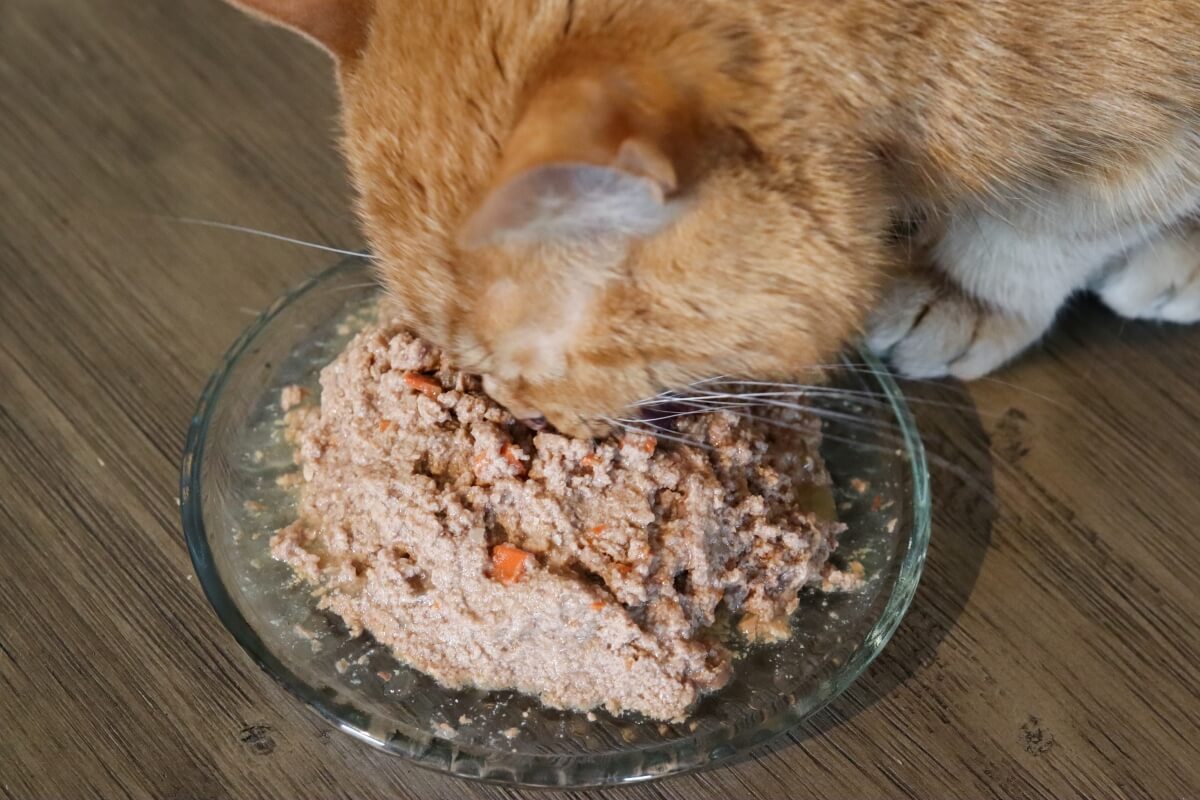
Hydration is key for digestive health. Cats often don’t drink enough water, which can worsen constipation. Wet cat food can provide necessary moisture to keep your cat hydrated. Imagine your cat enjoying a juicy wet food meal, helping them stay regular and healthy. Consider adding a small water fountain to encourage more drinking.Digestive Enzymes
Digestive enzymes can support your cat’s digestion. These enzymes break down food, making it easier for your cat to absorb nutrients. You might notice an improvement in your cat’s litter box habits after including enzyme-rich foods or supplements. If you’re unsure, consult with your vet to choose the best options for your cat. How do you know what works best for your cat? Monitor their response to dietary changes closely. Does your cat seem more comfortable? Is there less straining in the litter box? Each cat is unique, and a little observation goes a long way in finding the perfect nutritional balance.
Credit: www.kwikpets.com
Types Of Cat Food For Constipation
When your feline friend is struggling with constipation, choosing the right cat food can make a significant difference. Different types of cat food can help alleviate this uncomfortable issue. Understanding your options can empower you to make the best choice for your pet’s health. Let’s explore various types of cat food that might ease your cat’s discomfort.
Dry Food Options
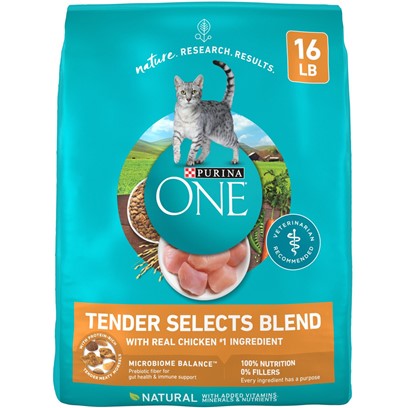
Dry cat food, or kibble, often lacks the moisture content needed for a cat with constipation. However, some brands offer high-fiber formulas. These can help regulate your cat’s digestive system. Check for ingredients like pumpkin or psyllium husk, which are known to promote gut health.
Reading labels is crucial. Look for words like “fiber-rich” or “digestive support” on packaging. Some pet owners have found success with brands specifically designed for sensitive stomachs. You might want to experiment with small bags initially to see how your cat responds.
Wet Food Options
Wet food is generally better for constipation due to its higher moisture content. Cats often suffer from dehydration, which contributes to constipation. Adding wet food to their diet can boost their fluid intake. Options like canned pumpkin mixed into wet food can be very effective.
Many pet owners notice improvement when they switch to wet food with specific digestive-friendly ingredients. Brands offering limited ingredient formulas can be ideal. These formulas often avoid fillers that may exacerbate constipation.
Homemade Recipes
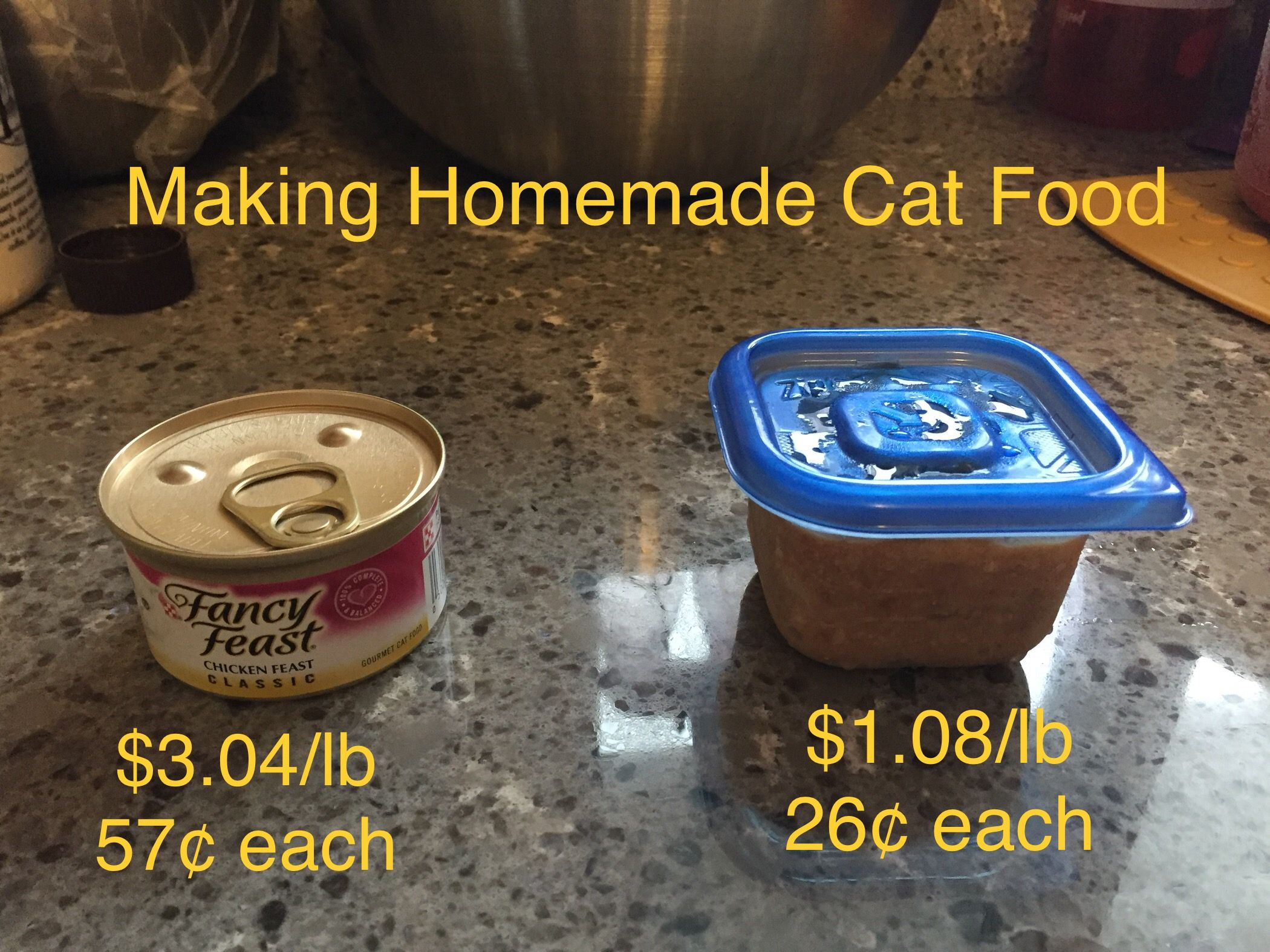
Creating homemade cat food can be a rewarding option. You control the ingredients, ensuring high fiber and moisture levels. Cooking for your cat can be a bonding experience. Consider recipes with boiled chicken, rice, and pumpkin puree.
But is it practical for you? Homemade meals take time and effort. You’ll need to research the nutritional needs of your cat to ensure balance. Consult with a vet to tailor recipes to your cat’s dietary requirements. Many pet owners have found this approach beneficial, but it requires commitment.
Have you ever tried different foods for a constipated cat? What worked for you? Share your experiences in the comments below. Your insights could help another pet owner in need.
Top Commercial Cat Food Picks
Finding the right cat food for constipation can be challenging. Not all brands offer the necessary nutrients and fiber. Cats need specific ingredients to aid their digestion. Below are some top commercial cat food picks. These options can help relieve your cat’s constipation effectively.
High-fiber Brands
High-fiber cat food can boost your cat’s digestive system. Fiber helps move waste through the intestines. Brands like Royal Canin and Hill’s Science Diet offer high-fiber options. They include natural fibers from vegetables and grains. This supports regular bowel movements in cats.
Hydrating Formulas
Wet cat food provides more moisture than dry kibble. Hydration is key to preventing constipation in cats. Look for brands with a high moisture content. Wellness CORE and Purina Pro Plan offer hydrating formulas. These options can keep your cat hydrated and healthy.
Veterinarian Recommended Choices
Some cat foods are recommended by veterinarians. These brands have a proven track record of effectiveness. Products like Hill’s Prescription Diet or Purina Veterinary Diets often come up. They are specifically designed for cats with digestive issues.

Credit: www.kwikpets.com
Homemade Food Solutions
Finding the right food for a constipated cat can be challenging. Homemade food solutions offer a natural and effective approach. By preparing meals at home, you can control the ingredients. This ensures your cat receives the necessary nutrients. Homemade diets can be both tasty and beneficial for your furry friend.
Simple Recipes
Creating simple recipes at home is easier than you think. Start with boiled chicken or turkey. These proteins are gentle on the stomach. You can also add pumpkin or sweet potato. These ingredients help with digestion. Mix them in small portions. Ensure you balance protein and fiber.
Natural Ingredients
Using natural ingredients is crucial for your cat’s health. Opt for high-fiber vegetables like carrots and peas. These help improve bowel movements. Brown rice is another great addition. It provides fiber and energy. Avoid artificial additives or preservatives. Fresh ingredients are always best.
Preparation Tips
Preparation is key to a healthy meal. Cook all ingredients thoroughly. This makes them safe and digestible. Cut vegetables into small pieces. This helps your cat chew and digest food easily. Ensure meals are at room temperature. Cats prefer food that isn’t too hot or cold. Serve in clean dishes to maintain hygiene.
Additional Tips For Managing Constipation
Choosing the right cat food helps ease constipation. Opt for high-fiber options to aid digestion. Ensure your cat drinks enough water to stay hydrated.
When dealing with a constipated cat, diet isn’t the only factor. It’s crucial to consider lifestyle changes. These can significantly ease your feline friend’s discomfort. Below are some practical tips.Encouraging Hydration
Water plays a vital role in digestion. Cats often don’t drink enough water. Make fresh water accessible at all times. Try using a cat fountain. Cats are often intrigued by moving water. Wet cat food can also increase water intake. It contains more moisture than dry food.Regular Exercise
Exercise aids digestion. It helps move food through the intestines. Play with your cat daily. Use toys that mimic prey. Encourage your cat to chase them. Even a short play session can make a difference.Routine Vet Check-ups
Regular vet visits are essential. They help catch underlying health issues early. Discuss your cat’s diet and habits with the vet. They may recommend adjustments or tests. This ensures your cat stays healthy and comfortable.
Credit: openfarmpet.com
Frequently Asked Questions
What Should I Feed My Constipated Cat?
Feed your constipated cat wet food for added moisture. Include fiber-rich options like canned pumpkin. Ensure fresh water is always available. Consult a vet for persistent issues.
How Do You Get Rid Of Constipation In Cats?
Increase your cat’s water intake to help soften stools. Provide a high-fiber diet or canned pumpkin. Encourage exercise to stimulate bowel movement. Consult a vet for laxatives or medication if needed. Regular vet check-ups ensure proper treatment and prevention.
What Can I Mix With My Cat’s Food To Encourage Pooping?
Mix canned pumpkin or unsweetened pumpkin puree with your cat’s food. Add a small amount of olive oil or fish oil to aid digestion. Ensure your cat stays hydrated by offering fresh water regularly. These additions can help improve bowel movements naturally.
Consult a vet for persistent issues.
What Causes Constipation In Cats?
Constipation in cats can be caused by dehydration, lack of fiber, or obesity. Stress and certain medications may also contribute. Monitoring your cat’s diet and hydration can help manage constipation.
Conclusion
Choosing the right cat food can ease constipation in cats. Prioritize fiber-rich options and ensure adequate hydration. Wet food often helps increase fluid intake. Natural ingredients support digestive health. Always observe your cat’s reaction to new food. Consult a vet for persistent issues.
Experimenting with different brands may be necessary. Remember, each cat is unique. Their needs can vary. A balanced diet promotes overall well-being. Keep your cat healthy and happy. Regular vet check-ups are crucial. They ensure your cat’s dietary needs are met.
Your cat’s comfort and health should always come first.

Similar Posts