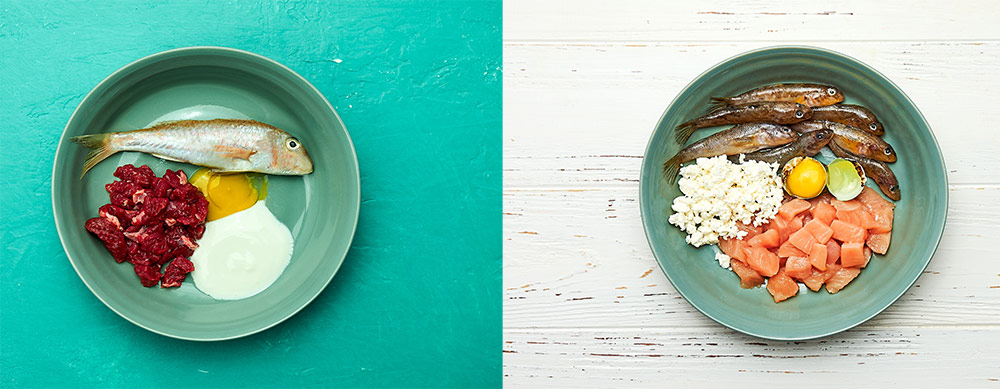
Have you ever found yourself staring into the curious eyes of a kitten wondering what else you can feed them besides the usual cat food? You’re not alone.
Many cat owners, especially first-timers, want to ensure their little fur balls are getting the best nutrition possible. The good news? You don’t have to stick to just cat food to keep your kitten healthy and happy. There are other safe and nutritious options you can explore.
But before you start raiding your pantry, it’s crucial to know which foods are beneficial and which ones to avoid. Feeding your kitten the wrong thing can lead to health issues down the road. Are you ready to discover safe alternatives that might already be in your kitchen? By understanding more about your kitten’s diet, you can enrich their meals and boost their well-being. Stick around, and let’s dive into the world of kitten-friendly foods!
Homemade Meals
Kittens can eat cooked chicken or turkey as a tasty homemade meal. Small amounts of scrambled eggs offer protein. Plain yogurt provides calcium and probiotics for growth.
Feeding kittens homemade meals can be a delightful experience for both you and your furry friend. It allows you to control the quality of ingredients and tailor meals according to your kitten’s preferences. Creating these meals can be a bonding experience, and you’ll find joy in knowing exactly what your kitten is eating. But what can you safely prepare for them? Let’s look at some simple options.Cooked Chicken And Turkey
Cooking chicken or turkey for your kitten is easy and nutritious. These meats are high in protein, which is essential for their growth. Simply boil or bake the meat without seasoning. You want to avoid adding salt, spices, or oils as these can upset their tummy. Once cooked, shred the meat into small pieces. This makes it easier for kittens to chew and digest. Have you ever wondered why your kitten gets excited when you cook? It’s the enticing aroma of these lean meats that captures their attention.Fish Options
Fish can be a tasty treat for kittens, but it must be prepared carefully. Stick to fish like salmon or tuna, as they are safe and rich in omega-3 fatty acids. Ensure the fish is cooked thoroughly. Raw fish can contain harmful bacteria, so it’s crucial to cook it completely. Remove all bones before serving. Even small bones can pose a choking hazard to kittens. Consider the benefits of omega-3. It can improve your kitten’s coat and skin health, making it shiny and soft. Why not try offering fish occasionally? It’s a great way to add variety to their diet and keep mealtime exciting. Remember, homemade meals are a supplement, not a replacement for balanced cat food. How will you spice up your kitten’s menu today?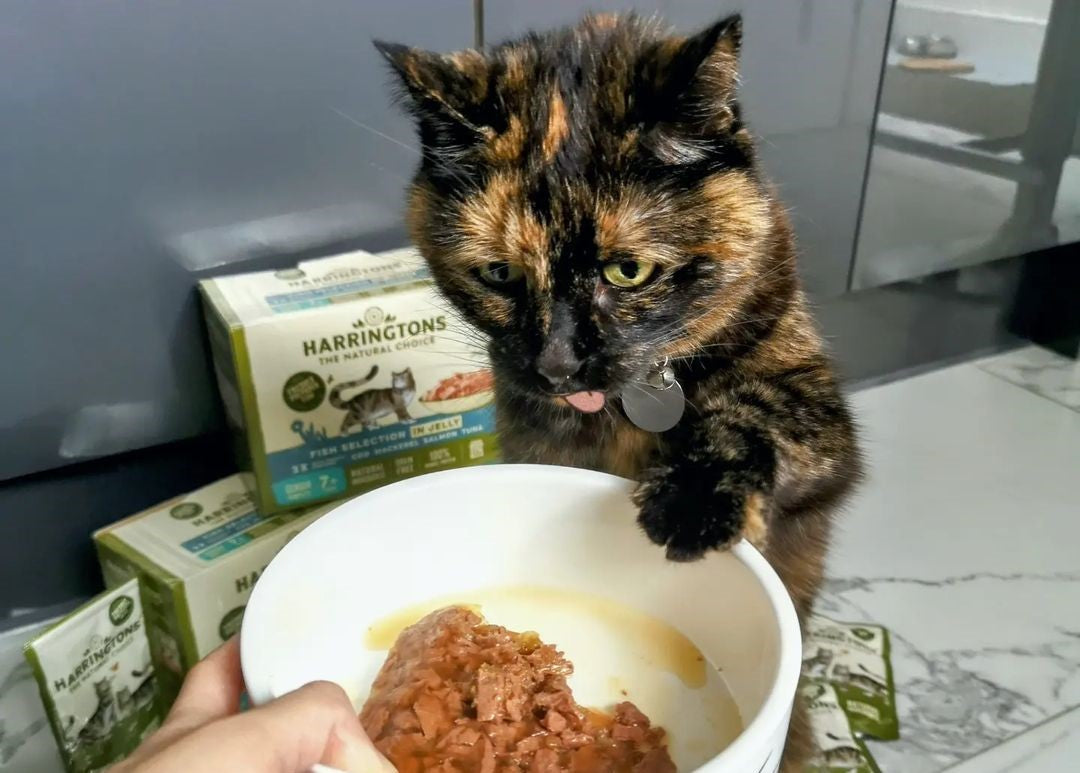
Credit: www.harringtonspetfood.com
Dairy Products
Kittens can enjoy dairy products like plain yogurt or small amounts of cheese as a treat. Ensure these are lactose-free to avoid tummy issues. Always prioritize their health and consult a vet before introducing new foods.
Feeding kittens something other than traditional cat food can be both a challenge and an opportunity to understand their dietary needs. While it’s widely known that kittens love milk, many are unaware of the nuances involved with feeding them dairy products. Some dairy items can be beneficial if given in moderation, while others might cause digestive issues. Let’s explore the options available and how to safely introduce them to your kitten’s diet.Milk Alternatives
Kittens might instinctively lap up a bowl of milk, but many cats are lactose intolerant, which can lead to upset stomachs. You can consider milk alternatives specifically designed for cats. These products are typically lactose-free and enriched with nutrients suitable for a kitten’s growth. Goat milk is another option that some pet owners use. It’s easier to digest than cow’s milk and can be given as an occasional treat. However, always ensure that any milk you provide is fresh and served in moderation.Cheese Treats
Cheese can be an exciting treat for kittens, but it’s essential to choose the right type. Opt for cheeses that are low in lactose, such as cheddar or Swiss. Offer small pieces and observe how your kitten reacts, as each cat’s tolerance can vary. When I first gave my kitten a small cube of cheese, her eyes lit up with curiosity. It was a delightful moment, but I learned quickly to limit the amount to avoid any tummy trouble. Always use cheese as an occasional treat rather than a staple in their diet. Have you ever wondered if your kitten would enjoy a cheese treat? It might be worth a try, but always prioritize their health and wellbeing. Remember, moderation is key to ensuring your kitten enjoys these dairy delights without any adverse effects.Vegetables And Fruits
Feeding kittens a balanced diet ensures their health and happiness. While specialized cat food provides essential nutrients, adding vegetables and fruits can offer variety and additional vitamins. These natural foods can be a delightful treat when given in moderation. Let’s explore which vegetables and fruits are safe for your kitten.
Safe Vegetables
Some vegetables are safe for kittens. Cooked carrots are a popular choice. They are soft and easy to digest. Peas are another option. They contain fiber and vitamins. Always cook them until soft. Green beans can be included too. They are low in calories and full of nutrients. Make sure they are cut into small pieces. Avoid adding salt or spices.
Fruit Treats
Fruits can be tasty treats for kittens. Small apple slices are a good start. Remove the seeds and core first. Bananas are rich in potassium. Mash them for easy eating. Blueberries are antioxidant-rich. Offer them as an occasional snack. They are small and easy to swallow. Always wash fruits thoroughly before serving. Avoid citrus fruits as they can upset tummies.
Grains And Cereals
Kittens bring joy and require balanced nutrition for growth. Cat food is ideal, but grains and cereals offer variety. They provide energy and can be a healthy supplement.
Rice And Pasta
Rice is gentle on a kitten’s stomach. Cooked rice can ease digestion. Serve it plain, without spices. Pasta is another option. Its soft texture is easy for kittens to chew. Ensure pasta is plain and cooked well.
Oatmeal
Oatmeal is a nutritious choice. It’s rich in fiber and helps digestion. Prepare it without sugar or milk. Serve a small portion to avoid overfeeding. Oatmeal can be a treat once a week. It’s a warm and comforting food for kittens.
Eggs
Eggs are a nutritious option for kittens besides regular cat food. They are rich in proteins, vitamins, and minerals essential for growth. Introducing eggs to your kitten’s diet can provide variety and nutritional benefits. Always ensure the eggs are cooked properly to avoid health risks.
Scrambled Eggs
Scrambled eggs can be a tasty treat for kittens. They are easy to prepare and digest. Use a small amount of butter or oil to cook them. Avoid adding salt, pepper, or spices. Let the eggs cool before serving to your kitten. Serve in small portions to prevent overfeeding.
Boiled Eggs
Boiled eggs are another safe option for kittens. They retain most of their nutritional value. Boil the egg until it’s fully cooked. Cool it down, then peel and chop into small pieces. Remove the yolk if your kitten prefers just the white. Feed in moderation to balance their diet.
Credit: www.animalfriends.co.uk
Protein-rich Snacks
Feeding kittens requires a balanced diet for their growth and energy. While cat food is a staple, protein-rich snacks can be a delightful addition. These snacks provide essential nutrients and variety, making your kitten’s diet more exciting.
Canned Tuna
Canned tuna is a tasty treat for kittens. It is rich in protein and omega-3 fatty acids. These nutrients support healthy skin and a shiny coat. When offering tuna, ensure it’s packed in water, not oil or brine. Oil can upset a kitten’s stomach. Brine contains too much salt. Always serve in moderation. Too much fish can lead to nutritional imbalances.
Boiled Lentils
Boiled lentils are another protein-rich option. They are easy to digest and full of fiber. Fiber helps with digestion and keeps kittens regular. Lentils also provide iron and folate, supporting healthy blood and cell growth. Rinse and cook lentils thoroughly before serving. Ensure they are soft and manageable for tiny teeth. Serve plain without added spices or salt.
Hydration Options
Keeping kittens hydrated is crucial for their health and development. While cat food provides some moisture, additional hydration ensures their well-being. Let’s explore some hydration options that can supplement their diet.
Water Importance
Water is essential for a kitten’s growth and digestion. Always offer fresh, clean water. Change the water daily to keep it appealing. Water helps maintain body temperature and supports vital functions.
Broth Choices
Broth can be a tasty hydration option for kittens. Choose low-sodium chicken or beef broth. Avoid broths with onions or garlic, as they are harmful. Warm the broth slightly to enhance its flavor and aroma. Serve it as a treat or mix it with their regular food.
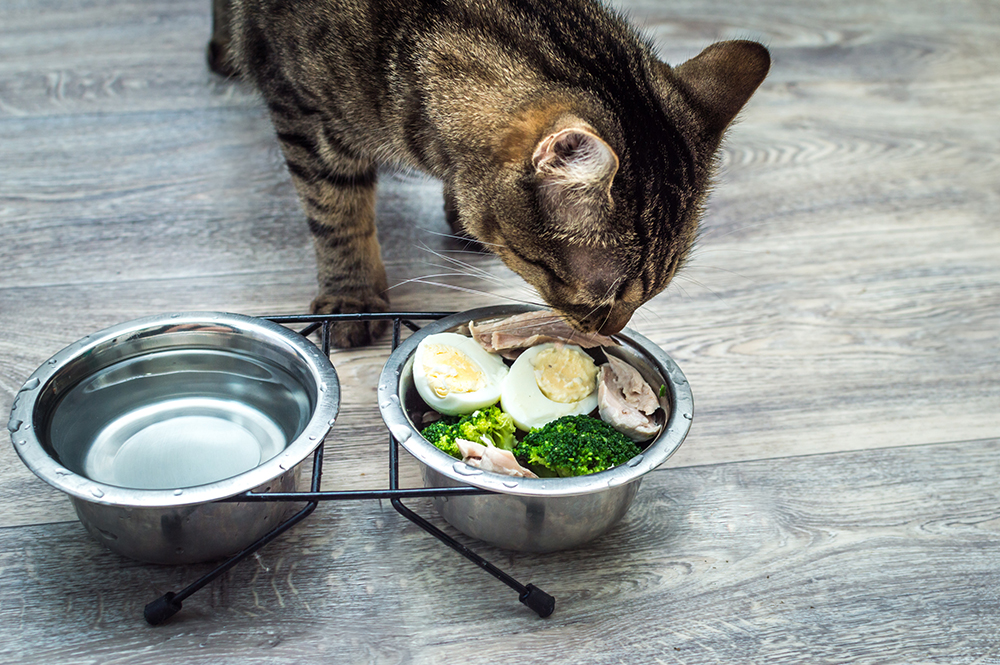
Credit: www.catster.com
Safety Tips
Feeding kittens a balanced diet is crucial for their growth and health. While cat food is the standard choice, you might consider other options. It’s essential to ensure safety when introducing new foods. Kittens are curious and may try to nibble on things they shouldn’t. Knowing what’s safe can protect them from harm.
Avoiding Harmful Foods
Some human foods can be toxic to kittens. Chocolate is a big no-no. It can cause serious health issues. Onions and garlic are harmful too. They can lead to anemia. Dairy products might seem harmless, but kittens often lack lactose tolerance. Avoid grapes and raisins. They can lead to kidney failure. Caffeinated drinks are unsafe. They affect the heart and nervous system. Always check if a food is safe before offering it.
Consulting A Veterinarian
A veterinarian can provide guidance on safe food options. They understand kitten nutrition needs. They can recommend healthy alternatives to cat food. Consulting a vet ensures you make informed decisions. They can help you avoid common pitfalls. If unsure about a food, reach out to your vet. Regular check-ins can help monitor your kitten’s health. Trust their expertise for the well-being of your furry friend.
Frequently Asked Questions
What Can You Feed A Kitten If You Don’t Have Cat Food?
Feed kittens cooked chicken, turkey, or scrambled eggs. Use plain yogurt or baby food without onions or garlic. Provide small amounts of canned tuna or salmon. Ensure food is soft and easy to chew. Always offer fresh water alongside meals.
Avoid spices, salt, and harmful ingredients.
What Can You Feed A Kitten When You Don’t Have Formula?
Feed a kitten canned cat food or boiled chicken. Ensure it’s soft and mashed. Provide water for hydration. Consult a vet for specific advice.
What Can I Give My Cat If I Have No Cat Food?
Offer your cat cooked chicken, turkey, or plain rice in small amounts. Avoid seasoning or bones. Ensure water is available. Consult your vet if unsure or if the situation persists.
Are There Any Human Foods You Can Feed Cats?
Cats can eat certain human foods like cooked chicken, turkey, and fish. Offer small portions of scrambled eggs, cucumbers, or carrots occasionally. Avoid feeding onions, garlic, chocolate, and dairy. Always introduce new foods gradually and consult your vet before making changes to their diet for their safety.
Conclusion
Feeding kittens can be simple and fun. Fresh meats and cooked eggs work well. These options add variety to their diet. Ensure foods are kitten-safe and nutritious. Avoid harmful ingredients like garlic or chocolate. Balance is crucial for growing kittens.
Monitor their health and energy levels. Consult a vet for personalized advice. Your kitten deserves a healthy start. With proper care, they’ll grow strong and happy. Remember, a varied diet supports their development. Enjoy the journey of nurturing your furry friend.
It’s rewarding and joyful. Happy feeding!