Is Fiv Contagious to Other Cats? Unveiling the Truth
Imagine your beloved cat snuggles up next to you, purring contentedly, but suddenly you notice it’s not as active as usual. You’re concerned about its health, and thoughts of illnesses start swirling in your mind.
Among these worries, Feline Immunodeficiency Virus (FIV) might come up, especially if you’ve heard it’s like the feline version of HIV. But is it really something you need to worry about spreading to your other furry friends? Understanding whether FIV is contagious to other cats is crucial for maintaining a healthy, happy household.
Before you panic, let’s unravel the facts about FIV transmission and what it truly means for your feline family. Stick around to discover vital information that could make all the difference for your cats.
Understanding Fiv
Feline Immunodeficiency Virus, or FIV, spreads mainly through bite wounds. It affects cats’ immune systems. Living together peacefully reduces the risk of transmission among cats.
Understanding FIV Feline Immunodeficiency Virus (FIV) can be a concerning term for cat owners. It brings up questions about your cat’s health and the safety of other pets in your home. It’s crucial to understand what FIV is and how it affects your furry companions.What Is Fiv?
FIV, or Feline Immunodeficiency Virus, is a viral infection that affects cats worldwide. It weakens a cat’s immune system, making them more vulnerable to other infections. Think of it as the feline equivalent of HIV in humans. Cats can live with FIV for many years without showing symptoms. The virus is most commonly spread through bite wounds, typically during fights between cats. This means that indoor cats are less likely to contract FIV compared to those who roam outdoors.Symptoms In Cats
FIV symptoms can be subtle and vary from one cat to another. Many infected cats may appear healthy for years. However, some signs to watch for include: – Weight loss: Cats with FIV might lose weight gradually over time. – Fever: A recurring or persistent fever could be a sign of FIV. – Poor coat condition: A dull or unkempt coat can indicate underlying health issues. – Inflammation: Look for redness or swelling in the gums and mouth. If your cat shows these symptoms, a visit to the vet is essential. Early diagnosis can help manage the condition better. Have you noticed any unusual behavior in your cat that made you wonder about their health? Observing and acting on these small changes can make a big difference in their quality of life. Remember, knowledge and vigilance are your best tools in ensuring your cat’s well-being.
Credit: www.allthesinglekitties.com
Transmission Of Fiv
The transmission of Feline Immunodeficiency Virus (FIV) among cats is a topic that often raises concerns for pet owners. Understanding how this virus spreads can help you protect your feline companions. Knowledge about transmission methods can guide you in making informed decisions about your cats’ interactions.
How Fiv Spreads
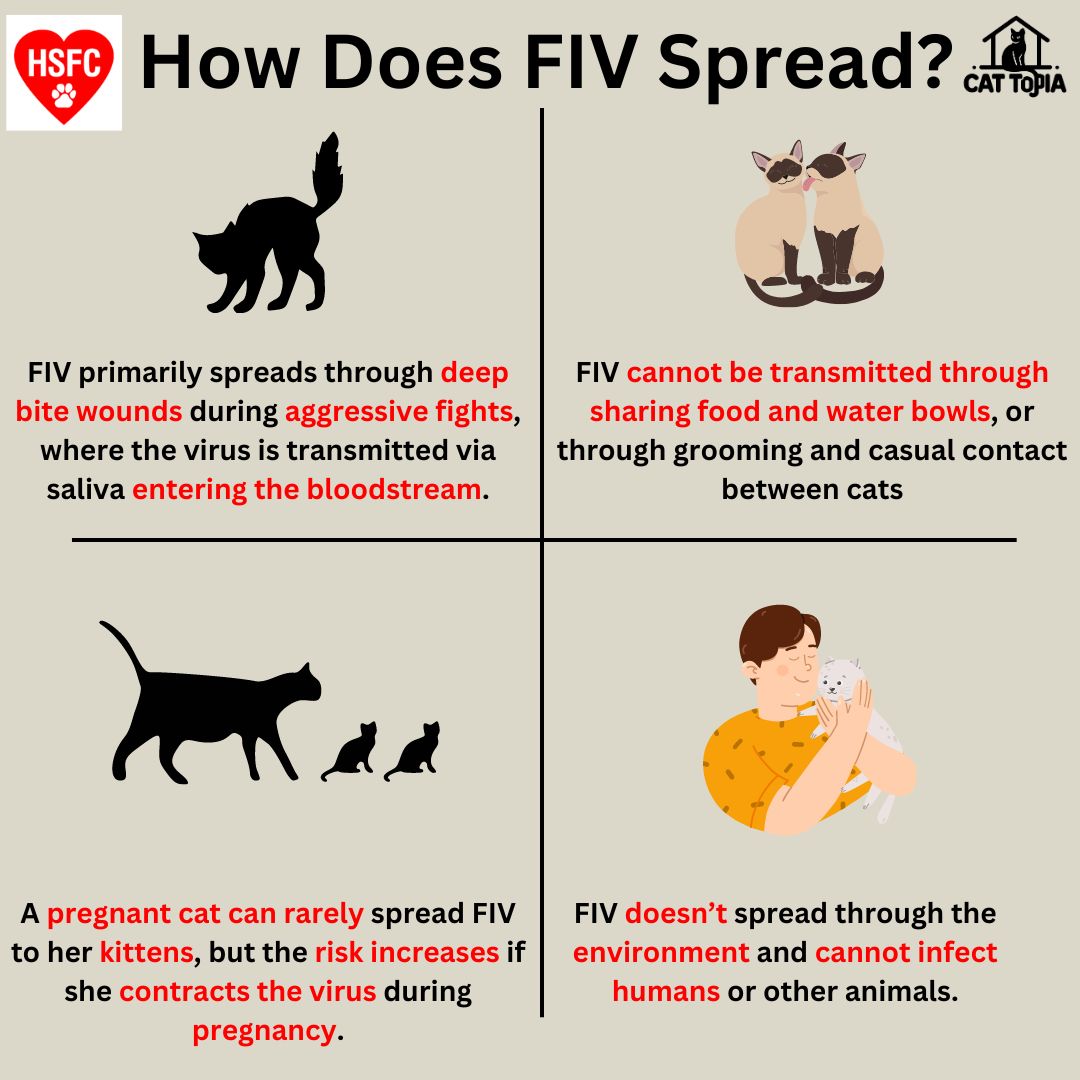
FIV is primarily spread through bite wounds. When an infected cat bites another, the virus is transferred through saliva. This makes outdoor cats, who are more likely to get into fights, at a higher risk.
Cats that share food bowls or grooming habits are less likely to transmit FIV. Casual contact does not usually result in infection. This means that cats living peacefully together have a lower chance of passing the virus.
Factors Influencing Transmission
The likelihood of FIV spreading depends on several factors. The most significant is the presence of aggressive behavior, as this leads to biting. The higher the aggression, the greater the chance of spreading the virus.
Another factor is the overall health of the cats involved. A strong immune system can sometimes fend off the virus, while a weakened one might not. If your cat appears lethargic or unwell, consider a vet check-up to ensure they’re in top shape.
Have you ever noticed how some cats seem to get along better than others? This social dynamic can influence transmission. Cats that are more social and less aggressive tend to have fewer bite-induced infections.
To protect your cats, keeping them indoors and away from unfamiliar cats can be effective. This reduces the chance of fights and potential exposure to FIV. Consider implementing a safe outdoor space or supervised outings to reduce risk while allowing your cats some freedom.
Are your cats at risk of FIV transmission? Assessing their environment and behavior can provide peace of mind. By understanding the transmission routes and factors, you can take proactive steps to protect your feline family members.
Risk Factors
Understanding the risk factors associated with Feline Immunodeficiency Virus (FIV) is crucial for cat owners. You might wonder how your feline friend could contract this virus, especially if they’re an indoor cat. While FIV is primarily spread through bites, certain environments and behaviors heighten the risk. Let’s dive deeper into the factors that might increase your cat’s exposure to FIV.
High-risk Environments
Think about where your cat spends most of its time. Outdoor environments pose a higher risk for FIV transmission. Imagine your cat wandering through a neighborhood with many stray cats. Each encounter increases the chances of an aggressive interaction, potentially leading to bites.
Even indoor cats are at risk if they live with FIV-positive cats. Do you have multiple cats at home? Knowing their health status is vital. Keeping them indoors does not eliminate the risk entirely, especially if you frequently bring in new cats without checking their FIV status.
Cat Behaviors Increasing Risk
Ever seen your cat defending its territory? Cats are territorial creatures, and fights are common. These fights, especially among males, can lead to bites and scratches, which are primary modes of FIV transmission. Does your cat tend to roam and engage with other cats? This behavior might be putting them at risk.
Social interactions among cats can also be a risk. Not all cats are aggressive, but those that engage in frequent, close contact with others, like grooming, might be more susceptible. Are your cats always cuddling? While this is often harmless, it’s worth considering the health status of their companions.
Reflect on your cat’s environment and behavior. Are there steps you can take to reduce their risk? Sometimes, simple changes in routine or environment can significantly impact your cat’s health. Why not start by assessing their current lifestyle and making adjustments if needed? Your vigilance can make all the difference.
Preventing Fiv Spread
FIV can spread among cats through bites or deep scratches. Keeping infected cats indoors reduces transmission risk. Regular vet check-ups help ensure early detection and management.
Preventing the spread of Feline Immunodeficiency Virus (FIV) among cats is a top concern for any cat owner. Understanding how to protect your furry friend from this virus is essential. While FIV is primarily spread through bites from infected cats, there are several proactive steps you can take to minimize risk and ensure your cat’s health.Vaccination And Protection
Vaccination is a key preventive measure against FIV. Although not 100% effective, the FIV vaccine can offer significant protection. It’s crucial to discuss vaccination options with your vet to determine if it’s right for your cat. Vaccination can also provide peace of mind, especially if your cat interacts with outdoor or stray cats. Remember, a vaccinated cat is better equipped to handle potential virus exposure. Keep your cat’s vaccination records up to date to ensure continuous protection.Safe Interaction Practices
Safe interaction is vital to preventing FIV spread. If you have multiple cats, monitor their interactions closely. Avoid situations where aggressive behavior could lead to biting. Consider the environment where your cat plays and socializes. If you allow your cat outdoors, supervise their time and limit contact with unknown cats. Safe playdates with known, healthy cats can be fun without the risk. Have you ever wondered about the impact of stress on your cat’s health? Reducing stress can decrease aggressive behavior, lowering the chance of bites. Create a calm environment with enough resources, like toys and scratching posts, to keep your cats engaged and content. Preventing FIV spread is not just about protecting one cat but ensuring a healthy community for all cats. Taking these practical steps can make a significant difference in keeping FIV at bay. How do you plan to safeguard your cat from FIV?Testing And Diagnosis
Feline Immunodeficiency Virus (FIV) spreads mainly through bites from infected cats. Testing is crucial for early diagnosis. Regular check-ups help manage and reduce transmission risks.
Testing and diagnosing Feline Immunodeficiency Virus (FIV) is crucial for understanding and managing the health of your cat. As a concerned cat owner, you might wonder how FIV testing works and what the results mean. Let’s delve into the testing methods and what you can learn from them.Fiv Testing Methods
Testing your cat for FIV involves straightforward procedures. The most common method is a blood test, where a small sample is taken from your cat. This test detects antibodies to the virus in your cat’s blood. Some veterinarians use rapid tests that provide results within minutes, while others might send the sample to a lab for more comprehensive analysis. Regardless of the method, early testing can be key to ensuring your cat receives the care it needs. Have you had your cat tested yet?Interpreting Test Results
Once you have the test results, understanding them is the next step. A positive result means your cat has been exposed to FIV and has developed antibodies against it. However, this doesn’t always mean your cat is sick or contagious. Cats can live healthy lives even with FIV. It’s important to consult with your vet about the next steps, like regular health monitoring and proper care. A negative result is reassuring but doesn’t guarantee your cat won’t contract FIV in the future. It’s a call to action to maintain a healthy environment and keep regular vet check-ups. Testing and diagnosis are not just about the numbers on a report. They’re about giving you peace of mind and helping you make informed decisions about your cat’s health. Is your cat’s health where you want it to be?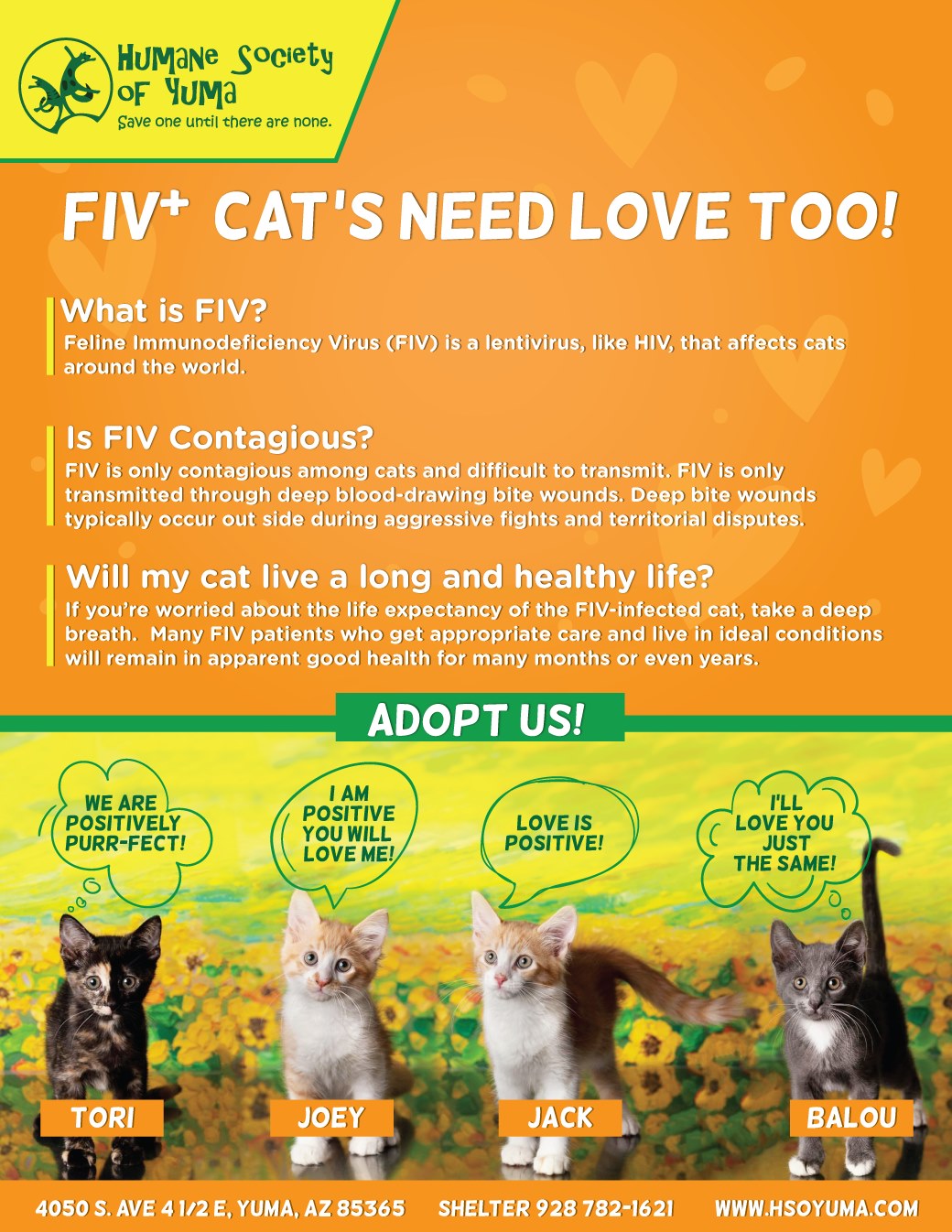
Credit: www.facebook.com
Living With Fiv Positive Cats
FIV, or Feline Immunodeficiency Virus, spreads mainly through bites. Direct contact doesn’t easily transmit FIV among cats. Sharing food or water is generally safe, but keeping a peaceful environment is key to preventing aggression and potential transmission. Regular vet check-ups help ensure the health of FIV-positive cats living with non-infected ones.
Living with an FIV positive cat can feel daunting at first, but with the right knowledge and care, it can become a fulfilling experience. These cats often lead long, happy lives with proper attention and love. Understanding their needs and how they can coexist with non-infected cats is crucial for a harmonious household.Care Tips For Infected Cats
Providing a balanced diet is essential for FIV positive cats. Consider high-quality cat food that boosts their immune system. Regular vet check-ups become even more important to catch any potential issues early. Maintaining a stress-free environment is beneficial. Cats with FIV can be more susceptible to infections, so a calm home helps. Observe their behavior for any signs of discomfort or illness, and act promptly. Indoor living is generally safer for FIV positive cats. This reduces their exposure to pathogens and keeps them away from potential cat fights, which can spread the virus. Ensure they have plenty of indoor enrichment to keep them stimulated.Socializing With Non-infected Cats
Introducing an FIV positive cat to non-infected cats requires careful planning. Start with a controlled environment where they can see but not touch each other. Gradually increase their interaction time as they become more comfortable. Monitor their interactions closely. Even if they seem to get along, it’s important to watch for any aggressive behavior that could lead to biting. Remember, the virus is primarily spread through deep bite wounds. Consider the personalities of your cats. Some cats are naturally more social and adaptable, which can make the integration smoother. Have you thought about how your current cats might react to a new feline friend? Living with FIV positive cats demands a bit more vigilance but offers the same joy and companionship. With thoughtful care and attention, these cats can thrive alongside their non-infected peers. What steps will you take to ensure a peaceful coexistence in your home?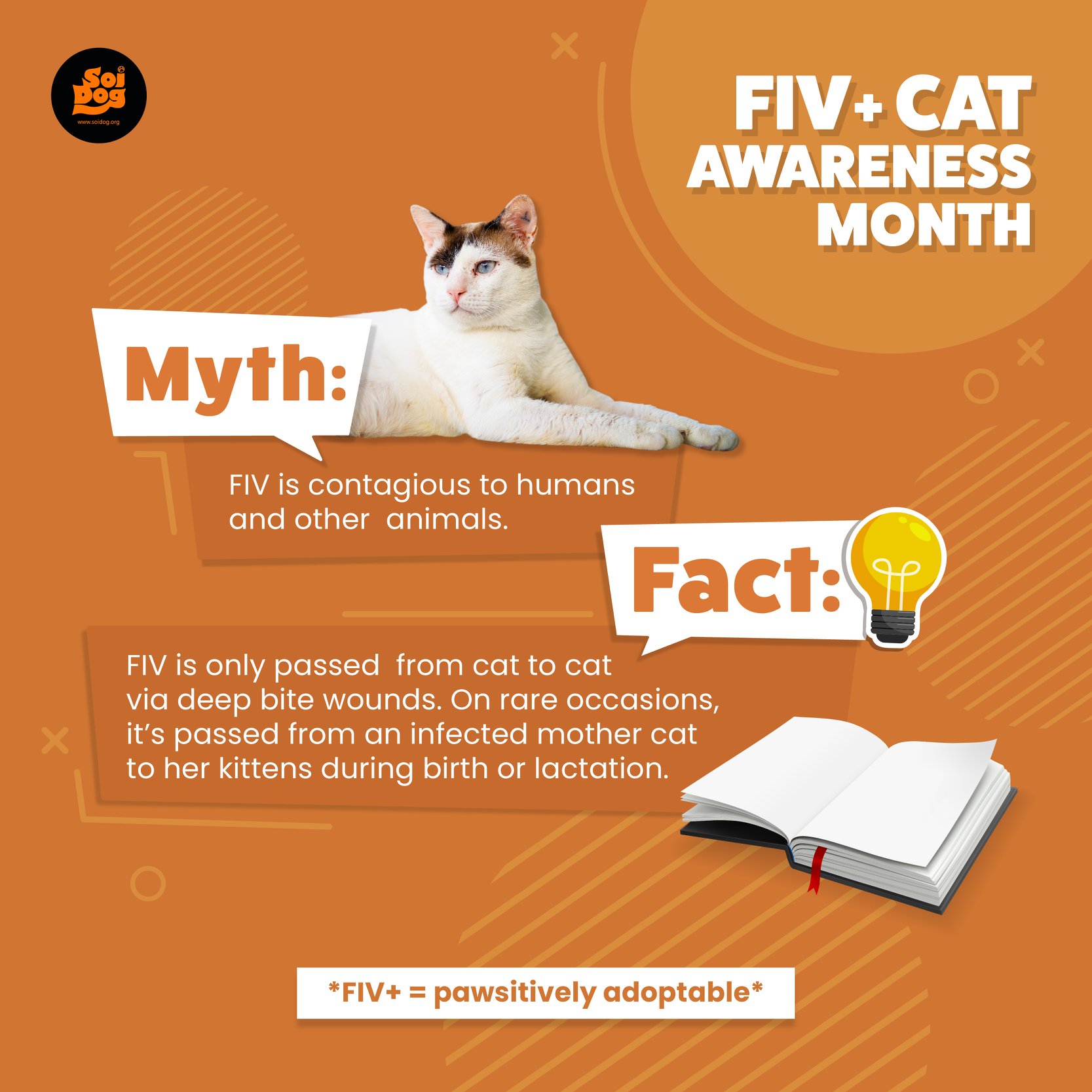
Credit: www.facebook.com
Frequently Asked Questions
Is It Safe To Have A Cat With Fiv With Other Cats?
Cats with FIV can live with others if they are non-aggressive. Ensure regular vet check-ups and vaccinations. Supervise interactions to prevent fights, reducing the risk of FIV transmission. Always consult a veterinarian for personalized advice.
How Is Fiv Spread Between Cats?
FIV spreads between cats primarily through deep bite wounds. Infected mothers can transmit it to kittens during birth. Casual contact, grooming, or sharing food bowls rarely spread FIV. Outdoor, unneutered male cats face higher risk due to territorial fights. Regular vet check-ups can help detect FIV early.
Can Fiv Be Transmitted To Other Cats By Saliva?
FIV can be transmitted to other cats through saliva, primarily via bites. Casual contact like grooming is less risky. Always isolate FIV-positive cats to prevent transmission. Regular vet check-ups help manage FIV in affected cats.
How Long Does A Cat With Fiv Live?
Cats with FIV can live normal lifespans with proper care. Regular vet visits, a healthy diet, and a stress-free environment help maintain their health. Symptoms might be managed effectively, allowing cats to live for many years. Each cat’s lifespan varies based on individual health and care.
Conclusion
Understanding FIV and its spread among cats is crucial. FIV primarily spreads through bites. Direct contact increases the risk. Keeping infected cats indoors reduces exposure. Regular vet checks help manage symptoms. Vaccinations can protect other cats. Always monitor your cat’s health closely.
Practice good hygiene and maintain a stress-free environment. This helps keep all your cats safe. Stay informed and proactive. Your cat’s well-being depends on it. By taking these precautions, you can ensure a healthy and happy feline family. Remember, knowledge and care go a long way in preventing FIV transmission.

Similar Posts