Is Fip in Cats Contagious? Unraveling the Mystery
If you’re a cat owner, your feline friend’s health is likely one of your top priorities. You want to ensure that your beloved pet is safe from any potential illnesses.
One disease that might be on your radar is Feline Infectious Peritonitis (FIP). But the burning question is: Is FIP in cats contagious? This is a critical concern, especially if you have more than one cat in your household. Understanding the nature of FIP can be crucial for your cat’s well-being and your peace of mind.
Keep reading as we unravel the mysteries of FIP, dispel common myths, and provide you with the essential information you need to protect your furry family member.
Feline Infectious Peritonitis (fip) Basics
Feline Infectious Peritonitis (FIP) is a term that might sound intimidating, but understanding its basics can help you better care for your furry friend. FIP is a complex disease that affects cats, often leaving pet owners puzzled and concerned. Whether you’re a seasoned cat parent or considering adopting a new feline companion, knowing the essentials of FIP is crucial. It not only aids in prevention but also ensures you can spot early signs, potentially saving your cat’s life. Curious about what FIP is and how it affects cats? Let’s dive into the details below.
What Is Fip?
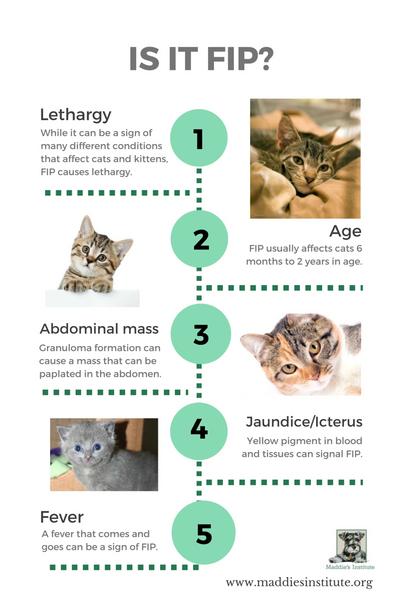
Feline Infectious Peritonitis is a viral disease caused by certain strains of the feline coronavirus. Many cats carry this virus without showing any symptoms, but in rare cases, it mutates into FIP, leading to severe illness. It’s a disease that primarily affects young cats, although older cats can also be susceptible. Symptoms can vary widely, often mimicking other conditions, which can make diagnosis challenging. You may notice weight loss, fever, or abdominal swelling in your cat.
Causes Of Fip In Cats
FIP originates from a mutation of the feline coronavirus. While the virus itself is common among cats, the mutation that leads to FIP is rare. Factors such as genetics, stress, and overcrowded living conditions can increase the likelihood of this mutation. Are you aware that cats in shelters or multi-cat households might face higher risks due to these stressors? Keeping your pet’s environment calm and clean can significantly reduce the chances of FIP developing.
Have you ever considered how a balanced diet and regular check-ups can aid in keeping your cat’s immune system strong? Ensuring your cat stays healthy and stress-free is crucial. Remember, the stronger your cat’s immune system, the lesser the chance of the virus mutating into FIP. Regular vet visits can help monitor your cat’s health and catch any early signs of trouble.
Credit: purrsandwhiskers.org
Transmission Of Fip
Feline Infectious Peritonitis (FIP) is a serious disease in cats. Understanding its transmission is crucial for cat owners. FIP spreads differently than many other feline illnesses. Knowing how it transmits helps in managing risks.
How Fip Spreads Among Cats
FIP itself is not directly contagious between cats. It results from a mutation of the feline coronavirus. This mutation occurs within the individual cat. The primary concern is the spread of the coronavirus. Cats can catch the virus through contact with infected feces. Shared litter boxes and food bowls increase this risk.
Role Of Feline Coronavirus
The feline coronavirus is widespread among cats. Many cats carry it without showing symptoms. It spreads through fecal matter and secretions. A cat with a healthy immune system often fights it off. In some cases, the virus mutates inside the cat. This mutation leads to FIP. The mutation is not contagious. Only the original coronavirus spreads between cats.
Contagion Myths And Facts
Feline Infectious Peritonitis (FIP) in cats is not directly contagious between cats. This disease spreads through contact with a specific virus, which can mutate in some cats to cause FIP. Understanding the transmission helps in managing and preventing this condition in feline communities.
Feline Infectious Peritonitis (FIP) in cats often stirs up a whirlwind of confusion and fear, especially concerning its contagious nature. Many cat owners worry about how FIP might spread among their furry companions. Understanding the myths and facts surrounding FIP contagion is crucial to ensuring your cat’s health and preventing unnecessary panic. Let’s dive into some common misconceptions and the scientific findings that can help clarify these concerns.Misconceptions About Fip
A common myth is that FIP spreads like wildfire among cats. This belief often leads to drastic measures, like isolating infected cats or avoiding adoption from shelters. While it’s understandable to be cautious, FIP is not directly contagious. What actually spreads is the Feline Coronavirus (FCoV), which is typically benign. FIP develops when this virus mutates within the cat. So, while FCoV can spread through shared litter boxes or grooming, FIP itself does not pass from cat to cat. This misunderstanding can lead to undue stress. Have you ever hesitated to let your cat socialize due to FIP fears? Remember, the key is managing exposure to FCoV, not isolating cats with FIP.Scientific Findings On Contagion
Research sheds light on how FIP develops rather than spreads. Studies show that only a small percentage of cats exposed to FCoV actually develop FIP. This occurs when the virus undergoes a rare mutation inside the cat, triggering the disease. The mutated virus cannot spread between cats. This is a crucial point; it means an FIP diagnosis doesn’t doom other cats in the household. The focus should be on reducing stress and maintaining a clean environment to minimize FCoV transmission. Did you know that environmental factors, like crowded living conditions, may increase FCoV spread? Simple steps, such as regular cleaning and avoiding overcrowding, can significantly lower risks. Understanding these scientific insights can empower you to make informed decisions, reducing anxiety about FIP contagion. Would you reconsider your approach to caring for cats with these facts in mind?
Credit: sheltermedicine.vetmed.ufl.edu
Preventive Measures
Feline Infectious Peritonitis (FIP) is a serious illness in cats. It arises from a mutation of the feline coronavirus. Understanding preventive measures can help protect your cats. Proper care and management reduce the risk of FIP exposure.
Reducing Infection Risks
Keep your cats indoors. It limits contact with infected cats. Regular vet check-ups are important. They help identify health issues early. Vaccination is another key step. Ensure your cats are up-to-date on shots. It strengthens their immune system. A strong immune system fights infections better. Avoid overcrowding in your home. Overcrowding increases stress and disease spread. Provide each cat with personal space.
Hygiene And Environment Management
Clean litter boxes daily. It prevents the buildup of harmful bacteria. Use a disinfectant to clean shared items. Bowls, toys, and bedding should be sanitized regularly. Wash your hands after handling each cat. Personal hygiene is crucial. Maintain a clean living environment. Good ventilation reduces pathogen spread. Ensure fresh air flows through your home. This helps in maintaining a healthy atmosphere.
Diagnosis And Treatment
Feline Infectious Peritonitis (FIP) is a serious condition in cats. Understanding its diagnosis and treatment is crucial for cat owners. Early detection can improve outcomes. Knowing the symptoms helps in identifying the disease promptly.
Recognizing Symptoms
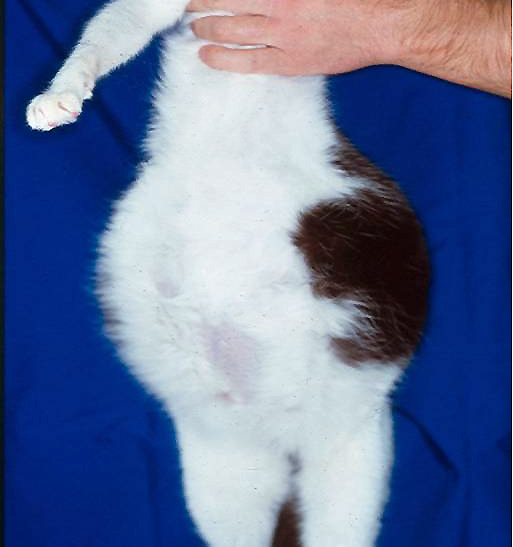
Recognizing FIP symptoms is vital. Cats may show lethargy and loss of appetite. Weight loss is common. Fever without a clear cause can occur. Abdominal swelling is a significant sign. Eye inflammation may also be present.
Available Treatment Options
Treatment options for FIP are limited. Supportive care helps manage symptoms. Fluid therapy can assist with dehydration. Nutrition support is essential. Anti-inflammatory drugs may reduce discomfort. New antiviral drugs are being researched.
Credit: www.abcdcatsvets.org
Living With An Fip-infected Cat
Feline Infectious Peritonitis (FIP) in cats isn’t contagious between cats or humans. FIP develops from a specific mutation of the feline coronavirus. Only cats with the mutated virus exhibit symptoms, while others remain unaffected.
Living with a cat diagnosed with Feline Infectious Peritonitis (FIP) can be a challenging journey. This illness, known for its severity, often leaves cat owners feeling overwhelmed and concerned about the well-being of their beloved pet. However, with the right care guidelines and support, you can provide a nurturing environment for your FIP-infected cat and yourself.Care Guidelines
Caring for an FIP-infected cat requires a blend of patience and attentiveness. Ensure your cat has a comfortable, quiet space to rest. Regular vet visits are crucial. They help monitor the cat’s condition and adjust treatments as needed. Maintain a balanced diet for your cat. High-quality proteins and nutrients can bolster their immune system. Hydration is also key. Always keep fresh water accessible. Pay attention to your cat’s behavior. Changes in activity or appetite can signal health shifts. Be proactive. Contact your vet if you notice anything unusual.Support And Resources
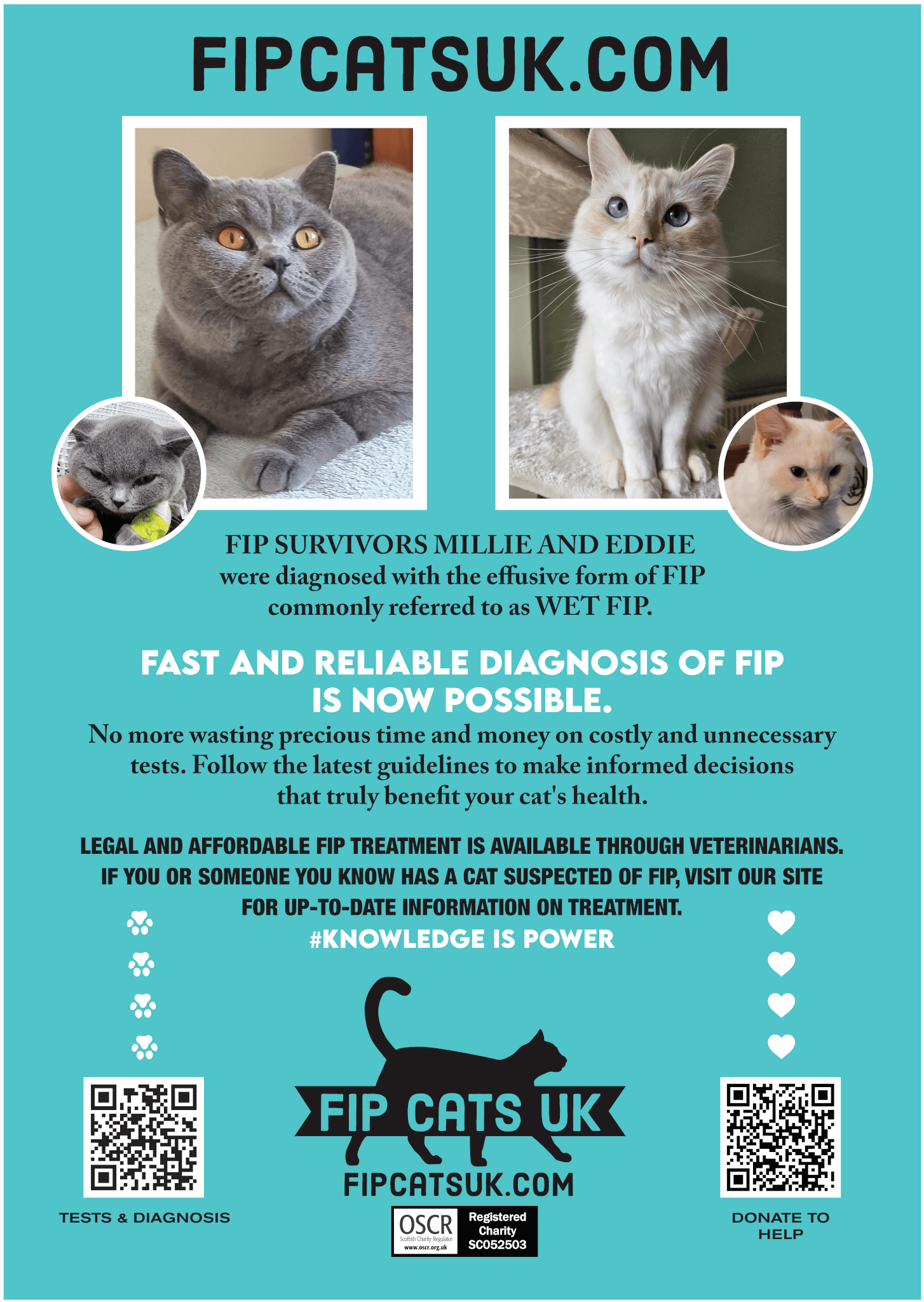
Finding support can make a significant difference. Join online forums or local pet groups where FIP is discussed. Sharing experiences with fellow cat owners can offer comfort and advice. Leverage resources available from veterinary clinics and animal health organizations. They often provide pamphlets or workshops on caring for cats with FIP. Utilize these to enhance your understanding. Have you considered reaching out to a counselor or therapist? Emotional support for yourself is just as important. Managing a pet’s illness can be stressful, and having someone to talk to can lighten the burden. By focusing on care and utilizing available resources, you can create a supportive environment for both your FIP-infected cat and yourself.Frequently Asked Questions
How Can An Indoor Cat Get Fip?
Indoor cats can get FIP from contact with infected feces, saliva, or surfaces. The virus can be transmitted by humans or other animals entering the home. Feline coronavirus, which causes FIP, is common in multi-cat environments. Regular cleaning and monitoring can help reduce risks.
What Are The First Signs Of Fip In Cats?
Early signs of FIP in cats include fever, loss of appetite, and weight loss. Cats may show lethargy and have a swollen abdomen. Symptoms vary with the form of FIP, either wet or dry. Prompt veterinary attention is crucial for diagnosis and management.
Can Fip Spread Through Saliva?
FIP is primarily transmitted through feces, not saliva. Cats contract the virus from contaminated litter or surfaces. Close contact with infected cats increases the risk of transmission. Regular cleaning and good hygiene practices can help reduce the spread of the virus among cats.
How Long Will My Cat Live With Fip?
Cats diagnosed with FIP often live only weeks to a few months. Survival time varies based on health and care. Consulting a vet for treatment options can improve quality of life. Early detection and supportive care are crucial in managing symptoms and extending lifespan.
Conclusion
FIP in cats poses a serious health risk. It spreads through contact. Proper hygiene is crucial to prevent transmission. Clean litter boxes regularly. Wash hands after handling infected cats. Keep sick cats isolated. Reduce stress in healthy cats. Stress can weaken their immune system.
Regular vet visits help monitor their health. Early detection is key. Consult your vet for guidance. Learn about prevention methods. Stay informed about FIP. Protect your furry friends with knowledge. Your proactive care makes a difference.

Similar Posts