Is Feline Leukemia Contagious to Other Cats? Key Facts

Have you ever wondered if your feline friend’s health could impact the well-being of other cats? Feline Leukemia is a concerning topic for many cat owners, and understanding its contagious nature is crucial for the safety of your beloved pets.
This article is designed to ease your worries and provide you with essential insights into whether Feline Leukemia poses a risk to other cats. Discover the truths, debunk the myths, and empower yourself with knowledge that ensures your furry companions can lead healthy, happy lives.
Keep reading to uncover the facts that every cat owner should know.

Credit: www.facebook.com
Feline Leukemia Virus Basics
Understanding the basics of Feline Leukemia Virus (FeLV) is crucial for any cat owner. This virus affects a cat’s immune system, making them susceptible to infections and diseases. It’s a leading cause of illness and death in cats, but many owners aren’t fully aware of its implications. Let’s dive into what Feline Leukemia is, how it spreads, and what you can do to keep your furry friends safe.
What Is Feline Leukemia?
Feline Leukemia is a virus that targets cats’ immune systems. It’s not cancer, despite its name, but it can lead to various health problems. Cats infected with FeLV may experience anemia, weight loss, and infections. A simple test at the vet can detect this virus early. Early detection can help manage symptoms and prolong your cat’s life.
Transmission And Spread
FeLV spreads easily among cats, primarily through saliva. If your cat shares food bowls or grooms other cats, they are at risk. The virus can also spread through blood, urine, and feces. However, it’s not airborne, so direct contact is necessary for transmission. Do you have multiple cats? Regular testing and vaccinations can prevent the spread of this virus.
Have you noticed your cats interacting with strays? This increases the risk of FeLV transmission. Consider keeping your cats indoors or supervising outdoor activities. You want to create a safe environment where the virus can’t take hold.
Being proactive about FeLV can make a difference. Regular vet visits and awareness can help protect your cats from this contagious virus. How can you ensure your cats stay healthy? Think about their daily interactions and adjust as needed.
Symptoms In Infected Cats
Feline leukemia spreads easily among cats. Infected cats often show symptoms like weight loss, poor coat condition, and fever. They may also experience swollen lymph nodes and dental issues.
Understanding the symptoms of feline leukemia in infected cats can be crucial in managing their health. Observing your cat closely can make all the difference in catching this disease early. Let’s dive into the signs you should be aware of, and the stages the infection may progress through.Common Signs To Watch For
When your cat is infected with feline leukemia, you may notice some specific symptoms. Lethargy is one of the first signs; your normally active feline might seem unusually tired. Loss of appetite is another red flag. If your cat suddenly stops eating or is eating significantly less, it could signal an issue. You might also observe weight loss. This often accompanies a reduced appetite and can become quite noticeable over time. Fever and pale gums are additional symptoms that warrant your attention. Pale gums can indicate anemia, a common condition in cats with leukemia. Persistent infections are also common. If your cat has frequent colds or respiratory problems, it might be due to a weakened immune system. Anemia, diarrhea, and swollen lymph nodes are further symptoms to monitor.Stages Of Infection
The progression of feline leukemia often follows distinct stages. Initially, your cat may go through an acute stage, where symptoms are mild or even absent. This stage can be misleading, as you might not notice anything unusual. As the disease progresses, your cat enters the latent stage. Here, the virus is present but symptoms might still be subtle. It’s a tricky phase, as your cat may appear healthy. In the persistent stage, symptoms become more apparent and severe. Your cat may suffer from recurring infections and severe anemia. This is when you’ll likely notice the cumulative effects of the virus on your cat’s overall health. Did you know that early detection can significantly improve your cat’s quality of life? Regular check-ups and being attentive to these signs can help manage the disease effectively. Have you noticed any of these symptoms in your cat? If so, consulting a vet promptly can make all the difference in their care.Contagion Among Cats
Understanding how feline leukemia spreads among cats is crucial for any cat owner. This contagious virus can pose a serious threat to your feline friends. It’s important to know how cats contract the virus and what risk factors increase the likelihood of transmission. By taking preventive measures, you can protect your pets and ensure their health and happiness.
How Cats Contract The Virus
Feline leukemia virus (FeLV) primarily spreads through direct contact between cats. Cats often contract it by sharing food bowls, grooming each other, or even through mutual play. A simple act of grooming can transfer the virus from one cat to another.
Transmission can also occur through saliva, nasal secretions, urine, feces, and blood. A cat bite from an infected feline poses a significant risk. Even if your cats don’t venture outside, an infected stray can bring the virus into your home.
Consider how many cats share your living space. More cats mean more opportunities for the virus to spread. Are your cats frequently visiting the vet or a boarding facility? These are places where they might encounter infected cats.
Risk Factors For Transmission
Certain factors can increase the likelihood of feline leukemia transmission among cats. Young kittens and cats with weakened immune systems are particularly vulnerable. Their bodies aren’t equipped to fight off the virus as effectively as healthy adult cats.
Multi-cat households face a higher risk. When cats live closely together, the chance of transmission skyrockets. Think about how often your cats interact. Do they share toys or sleep together?
Outdoor cats are another concern. They are exposed to a wider range of potential carriers. If your cat roams freely outside, they might encounter infected stray cats, increasing their risk significantly.
Vaccination is a key preventive measure. Have you kept up with your cats’ vaccination schedules? Vaccinating your cats can protect them against the virus and reduce the risk of contagion within your home.
Preventing Feline Leukemia
Feline Leukemia can spread easily among cats, especially through saliva and nasal secretions. Vaccination plays a crucial role in prevention, reducing the risk of transmission. Regular vet check-ups and keeping infected cats isolated are essential steps in safeguarding healthy felines.
Preventing Feline Leukemia is crucial for the health and happiness of your cat. This virus can be easily transmitted between cats, especially if they live or play together. By taking proactive steps, you can significantly reduce the chances of your cat contracting this disease. Let’s explore some practical measures you can implement to safeguard your feline friend.Vaccination Options
Vaccination is a powerful tool in preventing Feline Leukemia. It’s one of the most effective ways to protect your cat. Consult with your veterinarian to understand the best vaccination schedule for your cat. Kittens as young as eight weeks can start receiving vaccines. Regular booster shots are usually recommended to maintain immunity. Keep track of these appointments to ensure your cat remains protected.Lifestyle Changes To Reduce Risk
Small lifestyle changes can make a big difference in preventing Feline Leukemia. Consider keeping your cat indoors to minimize exposure to potentially infected cats. If your cat enjoys outdoor adventures, supervise them to reduce contact with stray cats. Socializing your cat with healthy, vaccinated cats is another smart strategy. This minimizes the risk of exposure. Think about the areas your cat frequents. Are there risks you can eliminate? Simple adjustments can lead to a safer environment. Preventive care is not just about medical intervention. It’s about creating a lifestyle that supports your cat’s well-being. What changes can you make today to ensure your cat stays healthy and happy?Managing Infected Cats
Feline Leukemia is indeed contagious among cats. The virus spreads through saliva, nasal secretions, and sharing bowls. Keeping infected cats separate from healthy ones helps prevent transmission.
Managing infected cats with feline leukemia requires special attention. It’s essential to focus on their well-being. Providing a comfortable environment is critical for their health.Care Tips For Infected Cats
Proper nutrition is vital. Feed them a balanced diet to boost immunity. Regular vet check-ups help monitor their condition. Vaccinations can prevent secondary infections. Keep their living area clean. Reduce stress with gentle handling and care. Offer toys and activities to keep them engaged. Hydration is important; always have fresh water available.Isolation And Socialization
Isolation helps prevent spreading the virus. Create a separate space for the infected cat. Limit contact with other cats to reduce risks. Provide personal items to make them feel secure. Socialization is still important. Spend time with them daily. Offer affection to maintain their emotional health. Gradually introduce them to friendly pets. This can help improve their mood.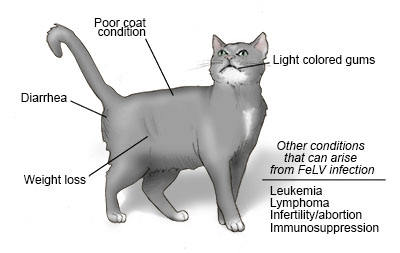
Credit: www.vet.cornell.edu
Impact On Feline Communities
Feline leukemia, a viral infection affecting cats, can significantly impact feline communities. This contagious disease can spread through saliva, nasal secretions, and shared grooming habits. Understanding its implications for multi-cat households and broader feline communities is crucial for ensuring the health and happiness of our furry friends.
Effects On Multi-cat Households
Living in a multi-cat household can be a joyful experience, but it also poses challenges when it comes to health management. Feline leukemia can quickly spread between cats sharing the same space. If one cat contracts the virus, the risk of transmission to others is significant.
Ensuring that all cats are tested for feline leukemia is a smart first step. Vaccinations and regular check-ups can also be pivotal in maintaining a healthy environment. Consider creating designated spaces or using separate feeding bowls to minimize contact between infected and healthy cats.
Have you ever faced the heartache of losing a pet to illness? Knowing the potential impact of feline leukemia can be a powerful motivator for taking preventive actions. Prioritizing the health of all your cats ensures a harmonious and safe household.
Community Health Strategies
Feline communities, like shelters and rescue organizations, face unique challenges in managing the spread of feline leukemia. Implementing health strategies can make a difference in controlling outbreaks. Regular testing and isolation of infected cats are crucial components of these strategies.
Spreading awareness within your local community can be beneficial. Hosting educational events or sharing information with other cat owners can raise awareness about prevention and management. Encouraging responsible pet ownership, including vaccinations and routine vet visits, helps protect the entire feline community.
What role can you play in supporting community health? Maybe it’s volunteering at a local shelter or simply sharing information with fellow cat lovers. Every effort contributes to a healthier and more informed community.

Credit: savingorphansouls.org
Frequently Asked Questions
Can A Cat With Feline Leukemia Give It To Another Cat?
Yes, feline leukemia can spread from one cat to another through saliva, blood, and close contact. Ensure infected cats are isolated to prevent transmission. Regular check-ups and vaccinations help protect healthy cats from this contagious virus. Keep infected and healthy cats separate for safety.
Can A Cat Live With Feline Leukemia?
Yes, a cat can live with feline leukemia. With proper care and management, they can have a good quality of life. Regular vet visits, a nutritious diet, and stress minimization are essential. They should be kept indoors to prevent spreading the virus to other cats and to reduce infection risk.
What Are The First Signs Of Feline Leukemia In Cats?
Early signs of feline leukemia include lethargy, weight loss, and swollen lymph nodes. Cats may also experience persistent fever, diarrhea, and pale gums. Regular vet check-ups are crucial for early detection and management.
Can You Touch A Cat With Feline Leukemia?
Yes, you can touch a cat with feline leukemia. It’s safe for humans and other non-feline animals. Ensure you wash your hands afterward to maintain hygiene and prevent the spread of any germs.
Conclusion
Feline leukemia spreads easily among cats. It’s a serious concern for cat owners. Understanding its transmission helps in protecting your furry friends. Isolation of infected cats is crucial. Regular vet check-ups are essential for early detection. Vaccination plays a key role in prevention.
Good hygiene and clean living spaces reduce risks. Awareness leads to better care and safer cat communities. Keep your cat safe and healthy. Always stay informed about feline health issues. Your cat’s well-being depends on your knowledge and actions. Stay vigilant and proactive to ensure a happy life for your pet.

Similar Posts