Imagine coming home to find your beloved furniture transformed into a feline masterpiece of shredded fabric and scratched wood. As a cat owner, you adore your furry friend, but the damage they can inflict on your cherished belongings can be frustrating.
You’re not alone in this struggle, and there are effective ways to safeguard your furniture without compromising your pet’s happiness. You’ll discover simple yet powerful strategies to protect your furniture from cat scratching. Whether you’re a new cat owner or a seasoned feline friend, these tips will help you maintain your home’s beauty while keeping your cat content.
Keep reading to learn how you can achieve harmony between your home and your pet.
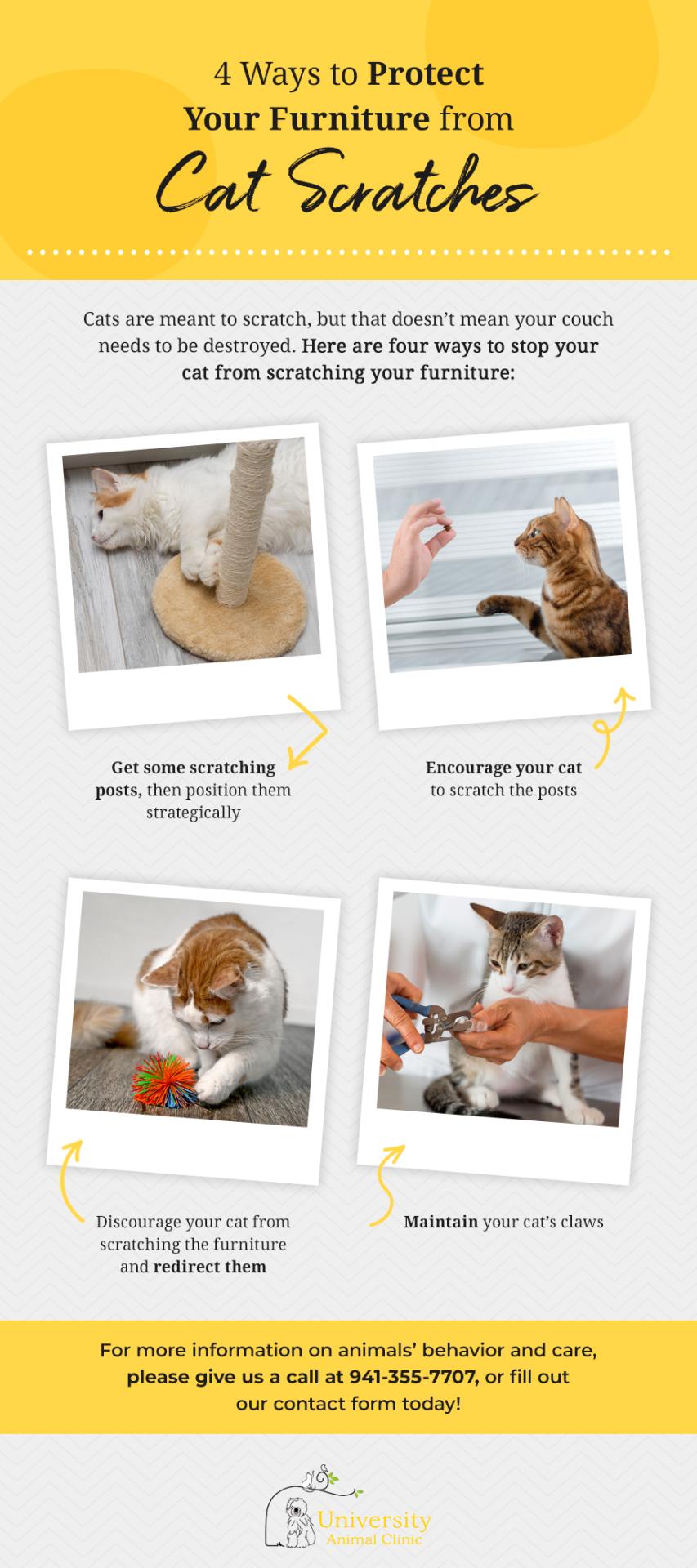
Credit: www.theuniversityanimalclinic.com
Understanding Cat Scratching Behavior
Cats scratch to mark territory and keep claws healthy. Protect furniture by providing scratching posts and using deterrent sprays. Cover vulnerable areas with furniture protectors to save your couch from playful claws.
Understanding why cats scratch can be the first step in protecting your furniture from their claws. When you grasp the reasons behind this behavior, you’ll be better equipped to address it effectively. Let’s dive into the different aspects of cat scratching and how they relate to your furniture.Reasons Cats Scratch
Cats scratch for several reasons, and it’s not just to drive you crazy. One primary reason is to sharpen their claws. This helps them remove dead outer layers of their claws, keeping them healthy and ready for action. Another reason cats scratch is to mark their territory. Their paws have scent glands, and when they scratch, they leave a scent and visual mark. This behavior is instinctual and helps them feel secure in their environment. Cats also scratch to stretch their bodies and flex their feet and claws. It’s a form of exercise that keeps them limber and feeling good. If you’ve ever noticed your cat stretching luxuriously, you’ll understand this need.Natural Instincts
Scratching is a natural instinct for cats, passed down through generations. It’s a behavior linked to their survival and communication methods. Even the most domesticated cat will feel the urge to scratch. Cats in the wild use scratching to keep their claws sharp for hunting and self-defense. This instinct remains strong, even if your feline friend has never hunted a day in their life. Understanding this natural behavior can help you find solutions that satisfy your cat’s instincts without sacrificing your furniture. Consider providing alternative scratching surfaces that mimic the texture and resistance cats naturally seek.Impact On Furniture
The impact of cat scratching on furniture can be frustrating. You might have experienced the heartbreak of discovering a new scratch on your favorite couch. It can seem like your cat has a personal vendetta against your home decor. Scratches can weaken the fabric and reduce the lifespan of your furniture. Over time, this can lead to costly replacements or repairs. However, understanding the reasons behind the behavior can help you implement strategies to protect your belongings. Consider the materials of your furniture. Fabrics like leather and certain knits might be more appealing for cats to scratch. Knowing this, you can take proactive measures, like using slipcovers or deterrent sprays. Have you ever tried redirecting your cat with a scratching post? You might be surprised at how effective it can be.Choosing The Right Furniture Material
Protect furniture from cat scratching by choosing durable materials like microfiber or leather. These resist scratches better than others. Incorporate furniture covers or scratching posts nearby as added protection.
Choosing the right furniture material can significantly impact how well you can protect your furniture from cat scratching. Cats have a natural instinct to scratch, and while you can’t change that, you can make smarter choices about what materials you bring into your home. Imagine finding a balance between style and functionality, all while keeping your feline friend happy and your furniture intact. Let’s dive into some practical insights on selecting the right materials.Scratch-resistant Fabrics
Investing in scratch-resistant fabrics can be a game changer. Microfiber is a popular choice because its tight weave resists scratching and claw marks. Denim is another durable fabric that can withstand the test of time—and claws. Consider these options if you want both comfort and durability. Leather, although luxurious, surprisingly fares well against scratching due to its tough surface. However, it might show visible marks over time. If you prefer something softer, look for synthetic blends that mimic the texture of leather.Materials To Avoid
Avoiding certain materials can save you a lot of hassle. Fabrics like velvet and tweed might seem elegant, but they can be magnets for cat claws. These materials are often too delicate and easily snagged by sharp nails. Wood furniture with intricate carvings might look stunning, but cats can quickly damage it with their claws. Even some types of fabric like linen can be too tempting for your furry friend. It’s crucial to steer clear of these materials if your cat has a penchant for scratching.Best Choices For Cat Owners
Consider fabrics like canvas or heavy-duty upholstery for a scratch-proof environment. These materials are more resilient and can withstand a cat’s curiosity. Look for furniture with removable covers so you can easily wash or replace them. Opt for metal or glass furniture pieces for those who want minimal maintenance. Cats generally avoid scratching these surfaces, making them ideal for homes with active pets. Also, explore the idea of using slipcovers designed for high durability. Have you ever thought about how the right furniture material could transform your space and keep it cat-friendly? By making thoughtful choices, you can enjoy stylish furniture while accommodating your pet’s natural instincts.Effective Deterrents For Cat Scratching
Cats love to scratch. It’s a natural behavior that helps them stretch and mark territory. Your furniture might suffer from these sharp claws. Protecting your furniture doesn’t mean declawing your cat. Use effective deterrents to keep both your cat and furniture safe.
Scratch Posts And Pads
Scratch posts offer a great alternative. They attract cats with their texture. Place them near furniture. Cats will often choose the post instead. Scratch pads are another option. They can be placed on the floor. Both posts and pads should be sturdy. This prevents tipping and encourages use.
Repellent Sprays
Repellent sprays discourage cats from scratching furniture. These sprays have smells cats dislike. Spray them on furniture edges. Cats will avoid areas with unpleasant scents. Ensure the spray is safe for pets. Test on a small area first. This avoids damaging your furniture.
Furniture Covers
Furniture covers are a simple solution. They protect surfaces from scratches. Choose durable materials like denim or canvas. These are less appealing for scratching. Covers can be removed easily. They keep furniture looking new. Regular washing keeps them fresh.
Training Your Cat To Scratch Appropriately
Protecting furniture from cat scratching involves guiding them to scratch designated items. Provide scratching posts to divert their attention. Use deterrents like citrus sprays on furniture to discourage unwanted behavior. Regular nail trimming also helps minimize damage.
Training your cat to scratch appropriately can protect your furniture. Cats scratch to mark territory, stretch, and maintain claw health. Redirecting this natural behavior can save your beloved furniture. Here, we’ll explore effective methods to train your cat.Positive Reinforcement Techniques
Positive reinforcement can guide your cat’s behavior. Reward your cat with treats or affection when they use a scratching post. Praise them with a gentle voice. This links the action with positive outcomes. Gradually, your cat learns to prefer the post over your furniture. This method builds a positive habit.Redirecting Scratching Behavior
Redirecting scratching behavior involves offering alternatives. Place scratching posts near your cat’s favorite spots. Cats often choose the same places to scratch. Ensure the posts are stable and appealing. Some cats prefer vertical surfaces, others horizontal. Understanding your cat’s preference helps in choosing the right post. Engage your cat with toys near the post to draw attention.Consistency In Training
Consistency is crucial in training your cat. Ensure everyone in the household follows the same rules. Redirect scratching immediately if they use furniture. Use the same commands and rewards each time. Consistent patterns help cats learn faster. Over time, your cat will understand where to scratch.Diy Solutions For Furniture Protection
Cats are wonderful companions but their scratching can damage furniture. Protecting furniture from cat scratches doesn’t always require expensive solutions. Many effective DIY methods can help keep your furniture safe. These solutions are budget-friendly and easy to implement.
Homemade Scratching Posts
Provide your cat with homemade scratching posts. Use materials like cardboard, sisal rope, or old carpet. Cats love the texture and can easily claw into these materials. Position the scratching posts near the furniture your cat likes to scratch. This diverts their attention away from your beloved sofa.
Natural Deterrents
Natural deterrents can discourage cats from scratching furniture. Citrus scents repel cats effectively. Create a spray using water and lemon or orange essential oils. Spray this mixture lightly on furniture. Cats dislike the smell and will avoid the treated areas. Another option is to use vinegar. Its strong scent can deter scratching behavior.
Creative Coverings
Cover furniture with protective materials. Use fabrics like thick blankets or slipcovers. These can act as a physical barrier against cat claws. Choose colors and designs that match your decor. Plastic protectors or double-sided tape can also be used on furniture edges. Cats dislike the sticky feeling and will avoid these surfaces.
Maintaining A Cat-friendly Environment
Protecting furniture from cat scratching involves providing alternatives like scratching posts. Covering favorite spots with double-sided tape can deter clawing. Regularly trim your cat’s nails to minimize damage.
Creating a cat-friendly environment in your home is crucial to keeping both your furniture and your feline happy. Cats naturally scratch to mark territory, stretch, and maintain their claws. By understanding their needs and providing suitable alternatives, you can protect your beloved furniture from those sharp claws. Here’s how you can maintain a cat-friendly environment.Interactive Playtime
Engaging your cat with interactive playtime can work wonders. Use toys like feather wands or laser pointers to mimic prey and satisfy their hunting instincts. Regular play sessions can reduce the urge to scratch furniture out of boredom or frustration. My cat, Whiskers, loved to scratch the sofa until I introduced a daily play schedule. The change was almost immediate, and the sofa has remained scratch-free since.Stress Reduction Techniques
Stress can lead cats to scratch more aggressively. Ensure your home is a calming space with plenty of hiding spots and vertical spaces for them to explore. Consider using pheromone diffusers, which emit a scent that mimics a cat’s natural calming pheromones. Have you noticed your cat scratching more during changes, like moving or new pets? It might be stress-related.Providing Alternatives
Providing alternatives like scratching posts or pads can redirect your cat’s scratching instincts. Place these alternatives near their favorite scratching spots or where they spend most of their time. Choose a variety of materials like sisal, carpet, or cardboard to see what your cat prefers. Have you ever thought about why they scratch the couch but ignore the scratching post? It might be the texture! By focusing on maintaining a cat-friendly environment, you not only save your furniture but also enrich your cat’s life. What changes will you make to create a haven for your feline friend?Evaluating Commercial Products For Protection
Explore various products designed to keep cats from scratching furniture. Consider protective sprays, covers, or scratch-resistant surfaces. These solutions help maintain your furniture’s look and longevity.
Cats love to scratch furniture. It’s in their nature. Protecting your furniture from these claws can be challenging. Various commercial products promise protection. Choosing the right one can be overwhelming. This section explores some top options.Top Scratch-resistant Furniture Brands
Some brands offer scratch-resistant furniture. These are designed with pet owners in mind. Microfiber and leather are popular choices. They resist scratches effectively. Brands like IKEA and Ashley Furniture offer durable options. These brands focus on quality and design. They blend functionality with aesthetics. Investing in scratch-resistant furniture can save you money. It reduces the need for constant repairs.Review Of Anti-scratch Sprays
Anti-scratch sprays deter cats from scratching. They create an unpleasant smell for cats. Harmless to humans, these sprays are easy to apply. Brands like PetSafe and Nature’s Miracle offer effective solutions. They are known for their long-lasting formulas. Regular application ensures better protection. It’s a simple yet effective method. Ensure you follow the instructions for the best results.Comparing Furniture Protectors
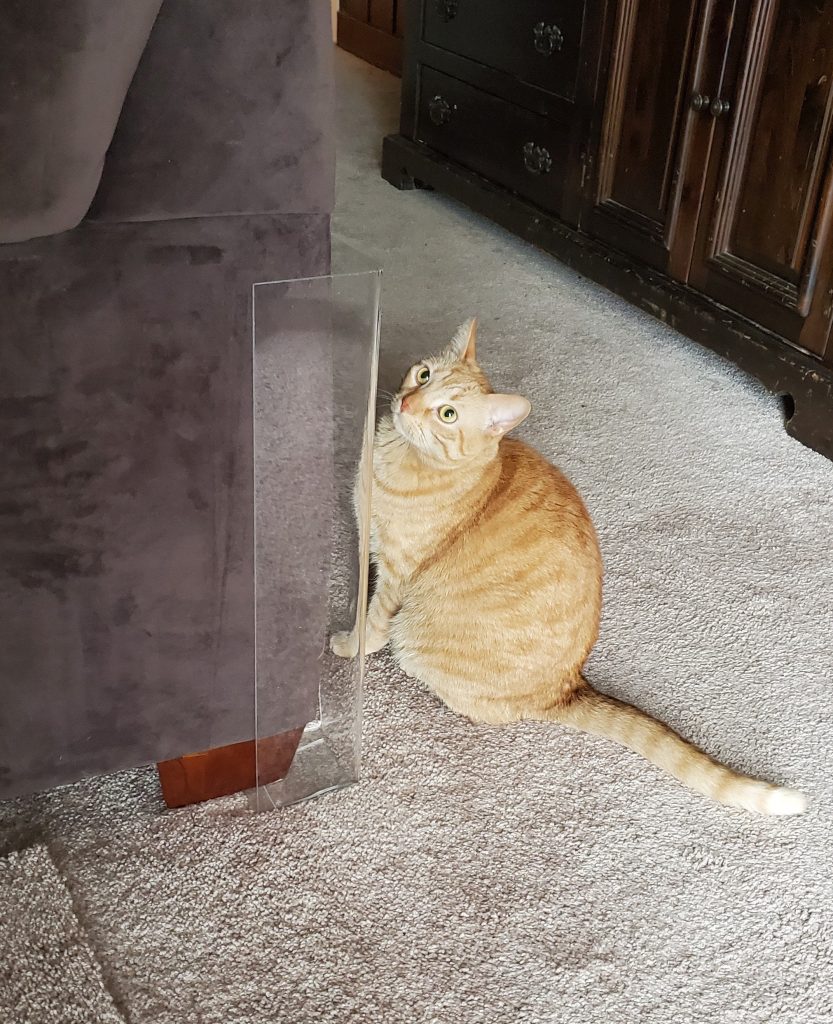
Furniture protectors provide a physical barrier. They are often transparent. This keeps your furniture’s look intact. Options include adhesive strips and slipcovers. Sticky Paws and Clawguard are popular brands. They are easy to install and remove. These protectors are budget-friendly. They offer a quick solution to scratching issues. Choose based on your furniture type and aesthetics. `Credit: www.businessinsider.com
Credit: www.autonomous.ai
Frequently Asked Questions
How Do You Scratch Proof Furniture From Cats?
Place scratching posts near furniture to divert cats. Use double-sided tape or furniture covers as deterrents. Regularly trim your cat’s nails and consider nail caps for added protection. Provide toys and playtime to keep them engaged.
What Is The Best Way To Stop Cats From Clawing Furniture?
Provide a scratching post near your furniture. Use double-sided tape on furniture surfaces. Regularly trim your cat’s claws. Offer toys to distract and engage your cat. Consider using a pet-safe deterrent spray on furniture.
What Kind Of Furniture Material Will Cats Not Scratch?
Cats are less likely to scratch metal, glass, or high-quality leather furniture. These materials are durable and less appealing for scratching. Opt for furniture with smooth surfaces and consider using protective covers or deterrents to safeguard other materials from cat scratches.
What Can I Spray On My Furniture To Keep Cats From Scratching?
Use a cat-repellent spray with citrus or eucalyptus scent on furniture. These scents deter cats from scratching. Ensure the spray is safe for pets and fabric. Alternatively, use double-sided tape or scratching posts nearby to redirect their behavior. Regular application may be necessary for effectiveness.
Conclusion
Protecting furniture from cat scratching is possible with simple steps. Use scratching posts to divert attention. Trim your cat’s nails regularly. Try furniture covers for added protection. Use deterrent sprays to keep cats away. Consistency is key in training your cat.
Reward good behavior with treats. Patience helps in the long run. Your furniture can stay scratch-free. Cats can enjoy their natural behavior safely. Implement these tips to maintain peace and preserve your home. Happiness for both you and your feline friend.