How Often Should Cats Go to the Vet: Essential Guide
When was the last time your furry friend visited the vet? If you’re scratching your head trying to remember, you’re not alone.
Many cat owners wonder about the right frequency for vet visits. It’s crucial to know how often your cat should get a check-up to ensure they stay healthy and happy. Regular vet visits can catch problems early, saving you from stress and unexpected expenses later.
This article will reveal the secret to keeping your feline companion in tip-top shape, providing peace of mind for you. Stick around to uncover the ideal schedule for vet visits and discover tips that could enhance your cat’s well-being. Your cat deserves the best care, and understanding their health needs is the first step.

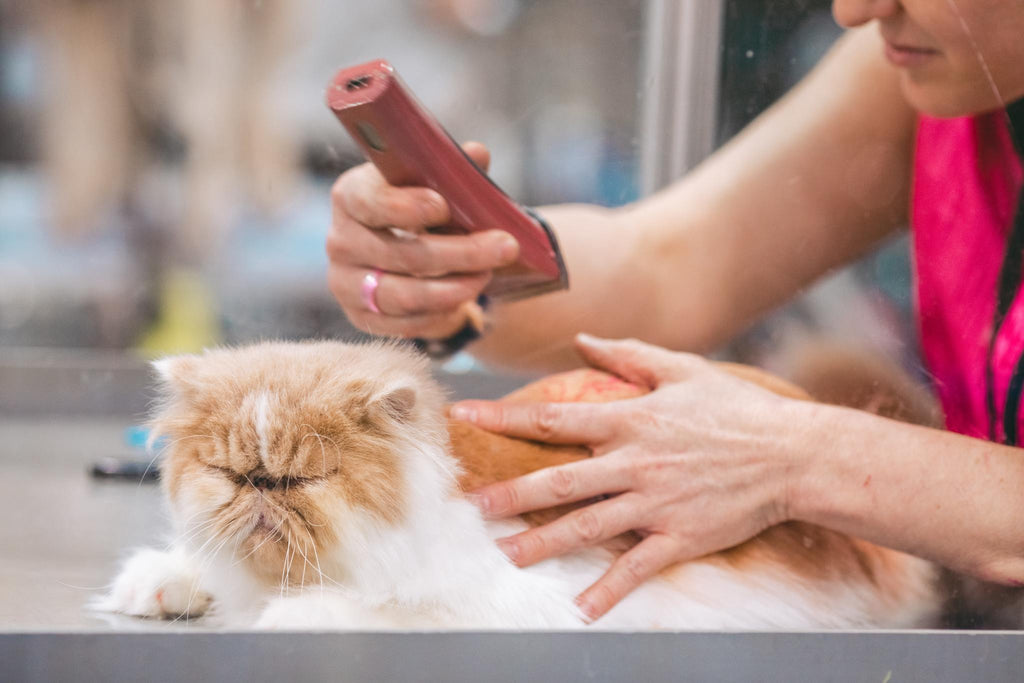
Credit: www.greensboroncvet.com
Importance Of Regular Vet Visits
Caring for a cat means regular vet visits. It’s not just for emergencies. Routine check-ups are crucial for keeping your cat healthy. They help catch illnesses early and keep your pet happy. Most cats hide pain well. So, regular visits can reveal hidden issues. Let’s explore why these visits matter.
Why Regular Vet Visits Matter
Regular vet visits ensure your cat’s overall health. Vets check for common diseases and parasites. Early detection is key to effective treatment. It can prevent minor issues from becoming serious. Regular check-ups also help track your cat’s weight and diet. A healthy weight means a longer life. A vet can suggest dietary changes if needed.
Vaccinations And Preventive Care
Vaccinations protect your cat from deadly diseases. Regular visits keep their shots up to date. This is vital for indoor and outdoor cats. Preventive care includes flea and tick control. It also involves heartworm prevention and dental care. These measures protect your cat from avoidable ailments.
Monitoring Age-related Changes
Cats age faster than humans. Regular visits help monitor changes as they age. Older cats face more health issues. These include arthritis, kidney disease, and dental problems. Early treatment can improve their quality of life. Regular visits ensure timely intervention.
Behavioral Assessments
Sudden behavior changes can indicate health problems. Regular vet visits help assess these changes. Vets can identify stress or anxiety signs. They offer advice on improving your cat’s environment. This reduces stress and promotes well-being.
Building A Trusting Relationship
Frequent vet visits help your cat feel comfortable. They build trust with the vet. This makes future visits less stressful. A trusting relationship means better cooperation during exams. Your cat’s health depends on this partnership.
Factors Influencing Vet Visit Frequency
Cats’ vet visit frequency depends on age, health, and lifestyle. Regular check-ups ensure early detection of health issues. Young kittens and elderly cats may require more frequent visits for proper care.
Understanding how often your cat should visit the vet can be tricky. Various factors influence this decision, making it essential to consider several aspects of your cat’s life. By examining these factors, you ensure your feline friend stays healthy and happy.Age Considerations
Cats, like humans, have different healthcare needs at different life stages. Kittens require frequent vet visits for vaccinations and early health checks. Adult cats usually need an annual visit, while senior cats might benefit from bi-annual appointments to monitor age-related conditions. Think about your cat’s age as a roadmap for their vet visits. A kitten’s journey starts with building a strong foundation, while older cats need more attention to potential health shifts. Consider your cat’s stage in life to guide your vet visit schedule.Health Status
A cat with a chronic condition needs more frequent vet visits. Regular check-ups help manage ongoing health issues effectively. Conversely, a healthy cat may only need routine visits for vaccinations and health assessments. Monitoring your cat’s health status ensures timely intervention. If your cat has diabetes or a heart condition, for example, frequent vet visits can prevent complications. Always keep an eye on any changes in behavior or habits, as these might signal a need for a vet visit.Lifestyle And Environment
Cats that roam outdoors might face more health risks than indoor cats. Exposure to other animals and environmental hazards means they may require more regular vet check-ups. Indoor cats, while generally safer, still need routine visits to ensure they’re in top shape. Consider the environment your cat lives in. Do they have access to a safe outdoor space, or are they strictly indoors? Each scenario presents different health challenges and opportunities, so tailor vet visits to fit your cat’s lifestyle. Have you considered how your environment might affect your cat’s health? A clean, stress-free home can reduce the need for frequent vet visits. Yet, it’s essential to stay vigilant and prepared for any unexpected health issues.Recommended Vet Visit Schedule
The well-being of your cat greatly depends on regular vet visits. Understanding the recommended vet visit schedule helps in maintaining their health. Each stage of a cat’s life requires specific care and attention. This schedule ensures your furry friend stays healthy and happy.
Kittens And Young Cats
Kittens require frequent vet visits for vaccinations and check-ups. Schedule visits every 3-4 weeks until they are 16 weeks old. These visits help monitor growth and development. Early detection of potential health issues is crucial. Preventive care sets a strong foundation for a healthy life.
Adult Cats
Adult cats need annual vet visits. These check-ups ensure vaccinations are up-to-date. Vets assess overall health, weight, and dental condition. Regular screenings detect any underlying issues early. Maintaining a healthy lifestyle is important for adult cats.
Senior Cats
Senior cats require more frequent vet visits. Schedule check-ups every six months. Aging cats face unique health challenges. Vets focus on monitoring chronic conditions and mobility issues. Early intervention enhances their quality of life. Regular assessments are key for their comfort and health.
Common Health Checks And Vaccinations
Cats need regular visits to the vet for their health. Common checks and vaccinations are crucial for their wellbeing. These visits help catch early signs of illness. They ensure your cat stays healthy and happy.
Routine exams and timely vaccinations are key. Let’s look at what each entails.
Routine Examinations
Routine examinations are vital for cats. Vets check their weight and overall health. They examine the eyes, ears, and mouth. Any unusual signs can be caught early. Regular exams help manage any health issues.
Routine checks also include feeling the abdomen. Vets may listen to the heart and lungs. This ensures all organs are functioning well. You can ask questions during these visits. It’s a chance to discuss your cat’s diet and behavior.
Vaccination Timelines
Vaccinations protect cats from diseases. Kittens need vaccines at eight weeks old. They get shots every few weeks until 16 weeks. Adult cats need boosters to stay protected. Rabies shots are usually given annually.
Other vaccines may be needed based on lifestyle. Indoor cats might need fewer shots. Outdoor cats may require more protection. Discuss vaccine plans with your vet. They will tailor it to your cat’s needs.
Signs Your Cat Needs Immediate Vet Attention
Recognizing signs that your cat needs urgent vet care is crucial. Cats are experts at hiding discomfort. Knowing what to watch for can save your cat from pain or illness. Understanding specific symptoms helps you act swiftly.
Behavioral Changes
Sudden aggression or withdrawal can signal distress. A cat that is usually social but hides may be suffering. Changes in sleeping patterns can indicate health issues. Watch for increased vocalization, especially if your cat is usually quiet. A cat that is restless or unable to settle might need help.
Physical Symptoms
Vomiting or diarrhea that persists is a red flag. Look for changes in appetite; eating less or more can be concerning. Breathing difficulties, like wheezing or coughing, require vet attention. Notice any limping or difficulty moving; these could be signs of injury. Swelling or lumps on the body should be checked immediately.

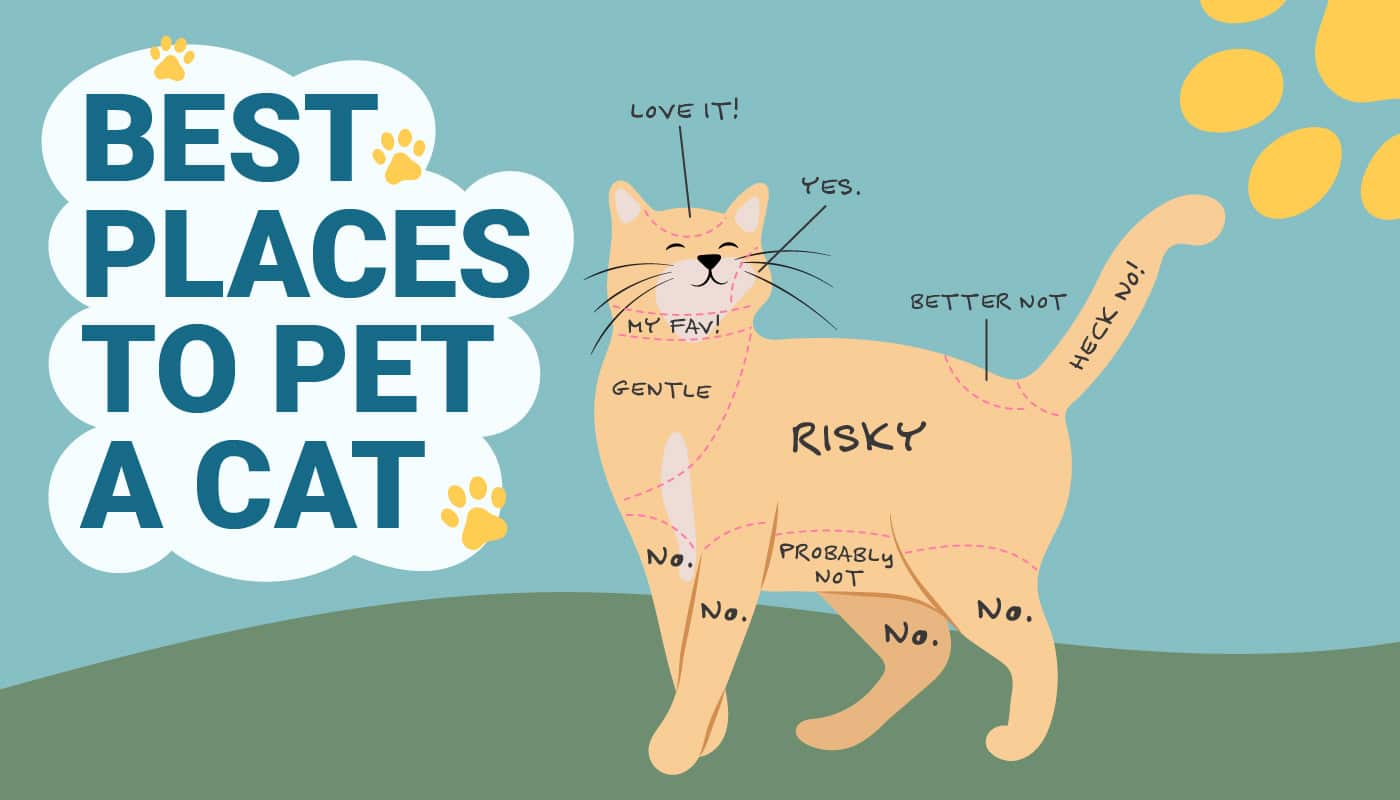
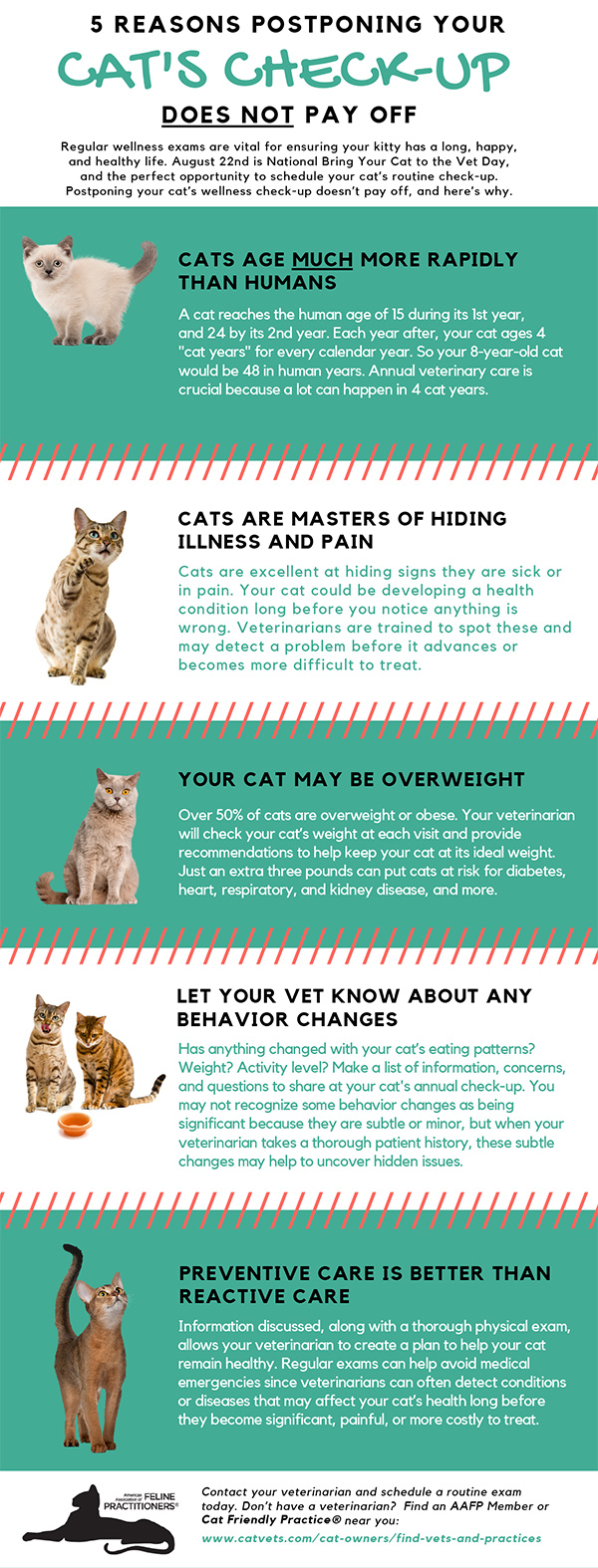
Credit: www.deerparkvet.com
Preparing For A Vet Visit
Getting ready for a vet visit can be stressful. But being prepared helps. This ensures the visit goes smoothly. It also helps your cat stay calm. Knowing what to bring and ask makes a difference. Let’s explore how to prepare effectively.
What To Bring
Start with a sturdy carrier. This keeps your cat safe. Line it with a soft blanket. Familiar scents help reduce stress. Bring your cat’s medical records. This includes vaccination history and past treatments. Don’t forget a list of current medications. Pack a favorite toy or treat. It provides comfort during the visit.
Questions To Ask
Prepare a list of questions. Ask about your cat’s diet. Is it meeting all nutritional needs? Inquire about behavior changes. Are they signs of health issues? Discuss preventive care. What vaccinations are necessary? Address any specific concerns. This ensures you leave with clear answers.
Building A Relationship With Your Vet
Building a relationship with your vet ensures your cat’s health. Trust and familiarity with a vet can improve your pet’s care. Regular visits help both you and the vet understand your cat better. This relationship is key to timely health interventions.
Choosing The Right Vet
Choosing the right vet is crucial for your cat’s well-being. Look for a vet with good reviews and a caring attitude. Make sure their clinic is clean and well-equipped. Consider their location for convenience. Ask friends and family for recommendations. The right vet should make you feel comfortable and heard.
Effective Communication
Effective communication with your vet is essential. Share details about your cat’s habits and changes. Ask questions about treatments and procedures. Good communication helps you make informed decisions. Ensure the vet listens to your concerns. This builds trust and improves care quality.

Credit: www.pumpkin.care
Frequently Asked Questions
How Often Should An Indoor Cat Go To The Vet?
Indoor cats should visit the vet annually for health check-ups and vaccinations. Regular visits ensure early detection of potential issues. Kittens and senior cats may require more frequent visits. Consult your veterinarian for a tailored schedule to keep your cat healthy.
Regular vet care enhances your cat’s quality of life.
How Often Should You Take Your Pet Cat To The Vet?
Take your cat to the vet annually for routine check-ups. Schedule visits sooner if health issues arise. Regular vaccinations and dental care are essential. Kittens and older cats may need more frequent visits. Always consult your vet for personalized advice tailored to your cat’s health needs.
Is It Okay If I Never Take My Cat To The Vet?
Regular vet visits are crucial for your cat’s health. They ensure vaccinations, dental care, and prevent diseases. Early detection of health issues can improve your cat’s quality of life. Skipping vet visits can lead to untreated problems, potentially shortening their lifespan.
Prioritize your cat’s well-being by scheduling routine check-ups.
How Often Should A Cat Go For A Checkup?
Cats should visit the vet annually for routine checkups. Senior cats and those with health issues may require more frequent visits. Regular checkups ensure your cat’s health and well-being, catching potential issues early. Always consult your vet for personalized advice tailored to your cat’s needs.
Conclusion
Regular vet visits keep your cat healthy and happy. Annual check-ups are essential for adult cats. Kittens and seniors need more frequent visits. Regular exams help catch issues early. Vaccinations protect against diseases. Discuss any concerns with your vet. Dental care is also important.
A healthy cat is a happy cat. Keep track of appointments to stay on schedule. Trust your vet’s advice for your cat’s needs. Prioritize your cat’s well-being with routine vet care. Your furry friend deserves the best care possible.

Similar Posts