How Much Can Cat Food Per Day: Optimal Feeding Guide
Are you unsure about how much cat food to dish out each day? It’s a common concern among cat owners like you who want to ensure their feline friends are both healthy and happy.
Feeding your cat the right amount is crucial for their overall well-being, but it can be tricky to get it just right. Too much food can lead to obesity and health issues, while too little might leave your cat feeling hungry and malnourished.
We’ll break down the essentials of how much cat food you should provide daily. Get ready to discover the perfect balance to keep your cat purring with contentment and vitality. Let’s dive in and unveil the secrets to optimal feline nutrition.
Understanding Cat Nutrition
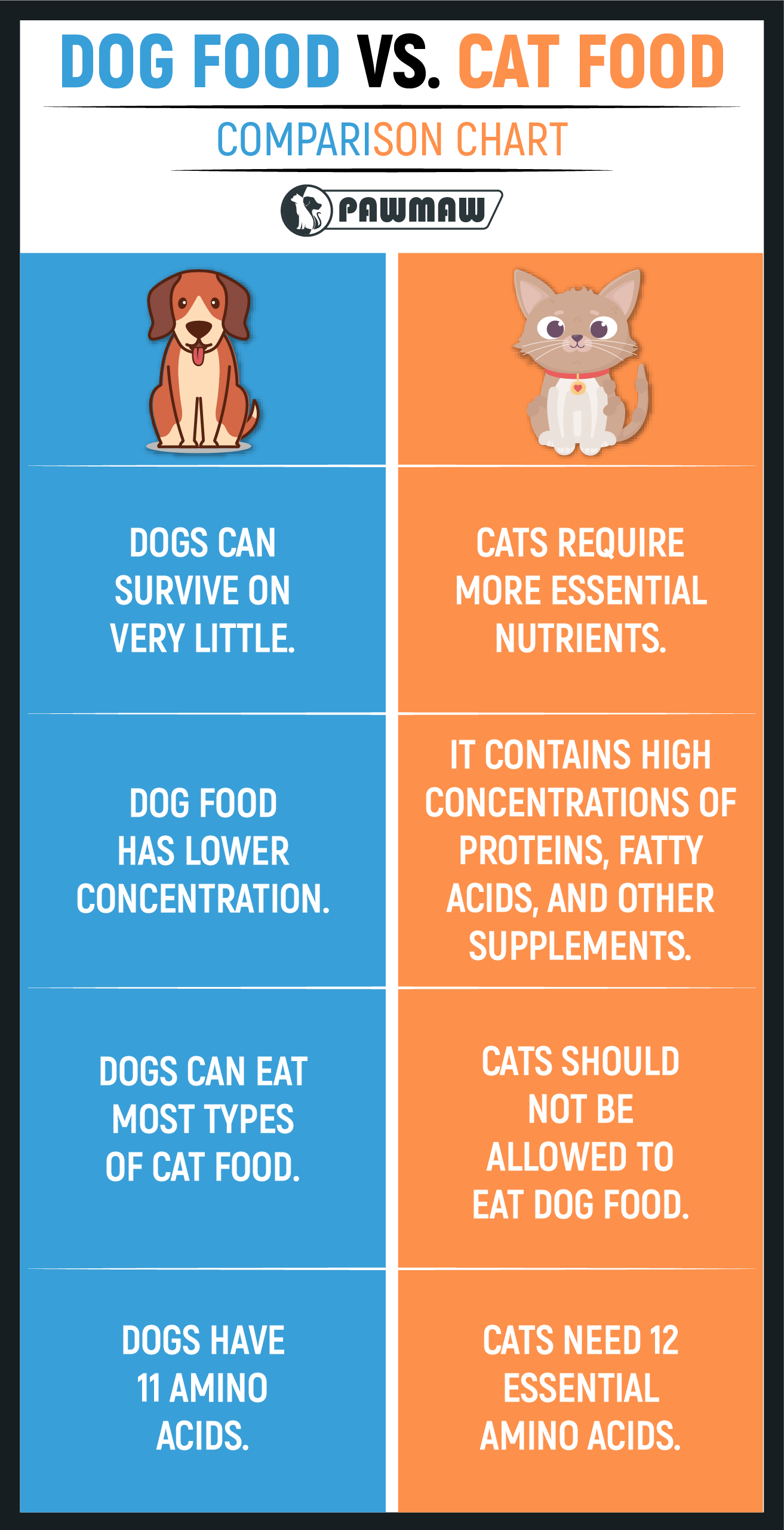
Understanding cat nutrition is crucial for ensuring the health and happiness of your feline friend. Cats are obligate carnivores, meaning their diet needs to be primarily composed of meat to thrive. But how much cat food should you be feeding per day? Let’s dive into the essentials of feline nutrition and find the best feeding routine for your cat.
What Is An Obligate Carnivore?
Cats are obligate carnivores, meaning they require nutrients found only in animal flesh. Their digestive systems are designed to process proteins efficiently. Ever notice your cat’s obsession with meat treats? That’s their natural instinct kicking in. Make sure your cat’s diet prioritizes high-quality protein sources.
Portion Control
Portion control is essential to avoid obesity in cats. Too much food can lead to weight gain, while too little can cause malnutrition. A typical adult cat needs about 200-250 calories per day, depending on their size and activity level. Measure your cat’s food accurately to maintain their optimal weight.
Reading Cat Food Labels
Cat food labels can be confusing. Look for labels that specify the percentage of protein, fat, and carbohydrates. Protein should be the highest percentage. A balanced diet includes essential vitamins and minerals, like taurine. Do you check the labels before buying cat food?
Feeding Frequency
How often should you feed your cat? Some cats prefer smaller, frequent meals. Others thrive on a two-meal-a-day routine. Observe your cat’s eating habits to determine what works best. Do you think your cat enjoys grazing throughout the day or prefers set meal times?
Wet Vs. Dry Food
Wet food is generally more hydrating and can be closer to a cat’s natural diet. Dry food can be convenient and often helps with dental health. Mixing both can offer a balanced approach. What combination does your cat prefer?
Personal Experience: Adjusting Diet For A Healthier Cat
When I first adopted my cat, she was overweight from excessive treats. I switched to a high-protein diet and controlled portions. Her energy levels improved dramatically. Have you ever had to adjust your cat’s diet for better health?
Consulting With A Veterinarian
Your veterinarian can provide tailored advice for your cat’s nutrition needs. They can help you determine the right portions and food types. Regular check-ups ensure your cat stays healthy and happy. Have you discussed your cat’s diet with a vet recently?
By understanding cat nutrition, you can make informed decisions about how much to feed your cat each day. Pay attention to their behavior and consult a veterinarian when necessary. This proactive approach ensures your furry companion remains healthy and content.
Factors Influencing Food Quantity
Understanding how much cat food to serve daily is crucial. Several factors influence this quantity. Each cat is unique. Consider various aspects to find the perfect portion. From age to activity level, every detail matters. Let’s explore these factors and learn more.
Age And Life Stage
A cat’s age plays a big role in food quantity. Kittens need more calories. They grow rapidly and need extra energy. Adult cats have different needs. Their diet should support maintenance, not growth. Senior cats usually eat less. They have slower metabolisms and might require fewer calories.
Activity Level
An active cat burns more calories. These energetic cats need more food. They play, run, and jump often. This burns energy quickly. Sedentary cats need fewer calories. They rest more and use less energy. Balance their intake to match their activity.
Health Conditions
Health conditions affect dietary needs. Overweight cats need fewer calories. They might benefit from a special diet. Cats with diabetes or kidney issues have specific needs. They may require prescription food. Always consult a vet for health-related dietary advice.
Types Of Cat Food
Understanding the different types of cat food available can greatly influence your feline friend’s health and happiness. With so many options on the market, it can be overwhelming to decide what’s best for your pet. Each type of cat food has its unique benefits and drawbacks. Let’s dive into the three main categories: dry food, wet food, and raw or homemade options. Which one will suit your cat’s lifestyle?
Dry Food
Dry cat food, often referred to as kibble, is a popular choice for many cat owners due to its convenience and cost-effectiveness. It’s easy to store and has a long shelf life. While it can be a good option for dental health, providing some crunch that helps clean teeth, ensure it doesn’t become the sole diet for your cat.
One downside is its low moisture content, which might not be ideal for cats prone to urinary tract issues. Consider mixing kibble with wet food to balance nutrition and hydration needs.
Wet Food
Wet food typically comes in cans or pouches and is rich in moisture. This can be beneficial for cats that don’t drink enough water, helping maintain proper hydration levels. It’s often packed with flavor, tempting even the pickiest eaters.
However, wet food can be more expensive and requires refrigeration after opening. Have you noticed your cat preferring wet food over dry? It’s likely because of its strong aroma and taste.
Raw And Homemade Options
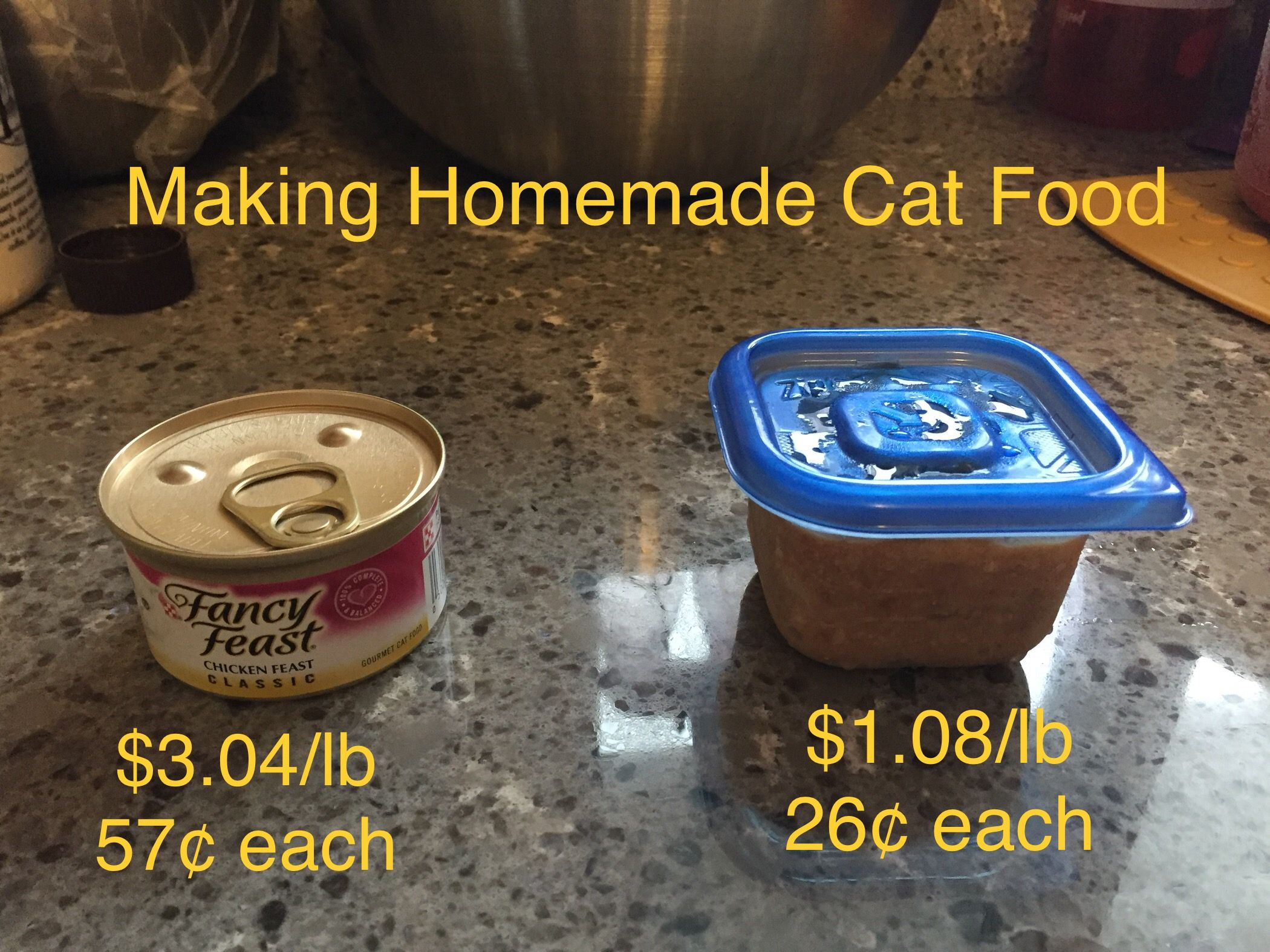
Some cat owners swear by raw or homemade diets, claiming they align more closely with a cat’s natural eating habits. These options can offer fresh, unprocessed ingredients and can be tailored to your cat’s specific dietary needs.
But preparing raw food demands careful planning to ensure nutritional balance and prevent foodborne illnesses. Would you feel confident enough to balance the nutrients yourself, or would you consult a vet?
With homemade meals, always keep variety in mind to prevent nutrient deficiencies. Could this be the personalized touch your cat needs for optimal health?
Calculating Daily Portions
Understanding how much cat food to serve each day is crucial for your feline friend’s health. Cats, like humans, have unique dietary needs based on various factors. Calculating daily portions involves considering their weight and caloric requirements. Let’s dive into these aspects to ensure your cat gets the right amount of nutrition.
Weight-based Guidelines
Your cat’s weight plays a big role in determining how much they should eat. Generally, cats require about 20 calories per pound of body weight. So, if your cat weighs 10 pounds, you might aim for around 200 calories per day. But this is just a guideline.
Always consider your cat’s activity level. A more active cat may need additional calories. On the other hand, a less active or older cat might require fewer calories.
Veterinarians often suggest regular weight checks. This helps you adjust food portions as needed, ensuring your cat maintains a healthy weight. Have you ever noticed your cat looking a bit plump or a bit too skinny? It might be time to review their food portions.
Caloric Needs
Each cat is unique in their energy needs. Caloric needs are not just about maintaining weight. They also depend on your cat’s life stage. Kittens typically require more calories than adult cats because they are growing rapidly.
Pregnant or nursing cats also need additional calories. They are supporting not just themselves but their kittens too. Senior cats, however, might need fewer calories as their metabolism slows down.
Consider using a calorie calculator specific to cats. Many pet food brands offer these tools online. They can help you tailor the portion sizes to your cat’s specific needs. Have you ever wondered if your cat’s food is meeting their nutritional needs? These calculators can provide clarity.
Maintaining your cat’s health through proper portioning can prevent obesity and related health issues. Regularly reviewing their food intake ensures they stay fit and active. What steps will you take today to optimize your cat’s diet? Remember, a small adjustment can make a big difference in their well-being.
Feeding Schedule
Caring for a cat involves many responsibilities, including a proper feeding schedule. Cats thrive on routine. A consistent feeding schedule ensures their health and happiness. It helps manage their weight, energy levels, and overall well-being. Understanding how much cat food is needed each day is crucial. This section explores meal frequency and portion control.
Meal Frequency
Cats are creatures of habit. They prefer regular meal times. Many experts recommend feeding cats twice a day. This schedule suits most adult cats. Some owners choose to feed three times a day. This can work for kittens or active cats. Regular meal times help maintain a healthy metabolism. They also prevent overeating or hunger-related behavior.
Portion Control
Portion control is vital for a cat’s health. Overfeeding leads to weight gain and health issues. Underfeeding causes malnutrition. The right portion depends on age, weight, and activity level. Always check the cat food label for guidance. Consult with a vet for personalized advice. Measuring food ensures your cat gets the right amount. Use a standard measuring cup for accuracy.

Credit: michupet.com
Adjusting Food Intake
Adjusting your cat’s food intake is crucial for their health. Cats need a balanced diet to thrive. But how much food is enough? It depends on various factors like age, weight, and activity level. Regularly monitoring your cat’s eating habits is important. You want to ensure they neither overeat nor under-eat. Let’s explore the signs of overfeeding and underfeeding.
Signs Of Overfeeding
Is your cat gaining weight quickly? That’s a sign of overfeeding. Fatigue is another indicator. If your cat seems lazy, they might be eating too much. Overfeeding can lead to health issues. Arthritis and diabetes are common problems. Check your cat’s belly. Is it round and firm? That could mean overeating.
Signs Of Underfeeding
Underfeeding can make your cat lose weight. Are their ribs visible? That’s a key sign. Weakness and lethargy often accompany underfeeding. Is your cat’s coat dull and dry? They might not be getting enough nutrients. Watch for changes in behavior too. Are they more aggressive? Hunger can lead to mood changes.
Special Dietary Considerations
Determining the right amount of cat food involves considering factors like age, weight, and activity level. Cats need balanced meals tailored to their unique dietary needs. Consult with a vet to ensure your cat’s nutritional requirements are met daily.
Feeding your cat the right amount of food each day can be a balancing act, especially when special dietary considerations come into play. Different life stages and health conditions call for tailored nutrition plans. Understanding these needs helps you ensure your feline friend remains healthy and happy. Let’s explore some specific dietary needs for cats in different stages of life and health conditions.Senior Cats
As cats age, their metabolism slows down. They often require fewer calories than younger cats. However, their need for certain nutrients increases. Senior cats benefit from diets rich in high-quality proteins to maintain muscle mass. My own senior cat, Whiskers, seemed more energetic after switching to a senior formula. It had fewer calories but more antioxidants and omega-3 fatty acids. Have you noticed any changes in your senior cat’s eating habits? Adjusting their diet can help manage weight and support joint health. Always consult with a vet to customize the food intake according to your senior cat’s needs.Kittens
Kittens are bundles of energy, rapidly growing and developing. Their dietary needs are significantly different from adult cats. High-protein diets and calorie-dense foods are essential for their growth. They require more frequent feeding than adults. Typically, kittens need to eat about three to four times a day. When I raised my first kitten, Luna, I was amazed at how quickly she grew with the right nutrition. Do you have a kitten at home? Make sure their diet is rich in essential nutrients like DHA for brain development. This period sets the foundation for their future health.Cats With Health Issues
Cats with specific health conditions often require specialized diets. Conditions like diabetes, kidney disease, or obesity demand unique nutritional approaches. For diabetic cats, consistent feeding times and low-carbohydrate foods are crucial. Kidney disease may require a diet low in phosphorus and protein to reduce strain on the kidneys. I remember a friend whose cat developed urinary issues. Switching to a special diet prescribed by the vet made a noticeable difference in the cat’s well-being. Are you managing a cat with health issues? Collaborate with your veterinarian to develop a nutrition plan that aligns with their medical needs. Adjustments in diet can significantly improve your cat’s quality of life. Understanding your cat’s unique dietary needs can make a world of difference. What steps will you take to ensure your cat’s diet is just right?:strip_icc()/how-much-canned-food-to-feed-554404-Final-4e9268619c4847eaac29498a6a17d88c.png)
Credit: propelbikes.com
Consulting A Veterinarian
Understanding how much cat food to give your feline friend is crucial. Consulting a veterinarian can provide personalized advice. They can ensure your cat stays healthy and happy. Veterinarians have the expertise to guide you in making informed decisions. Their advice is based on your cat’s unique needs.
Understanding Your Cat’s Nutritional Needs
Each cat has different nutritional requirements. Factors like age, weight, and activity level play a role. A veterinarian can assess these factors. They help determine the right amount of food.
Assessing Your Cat’s Health Condition
Your cat’s health condition affects its diet. Some cats need special diets due to medical issues. A vet can identify these needs. They will recommend a suitable feeding plan.
Adjusting Food Portions
Food portions may need adjustments over time. A vet can guide you in making these changes. Regular check-ups can help monitor your cat’s weight. This ensures they remain at a healthy size.
Understanding Food Labels
Food labels can be confusing. Vets can explain what to look for. This ensures you choose the right food. They can help you understand ingredient lists and nutritional information.
Recognizing Overfeeding Risks
Overfeeding can lead to obesity and health issues. Vets can help you recognize signs of overfeeding. They can provide strategies to prevent it. This keeps your cat at a healthy weight.
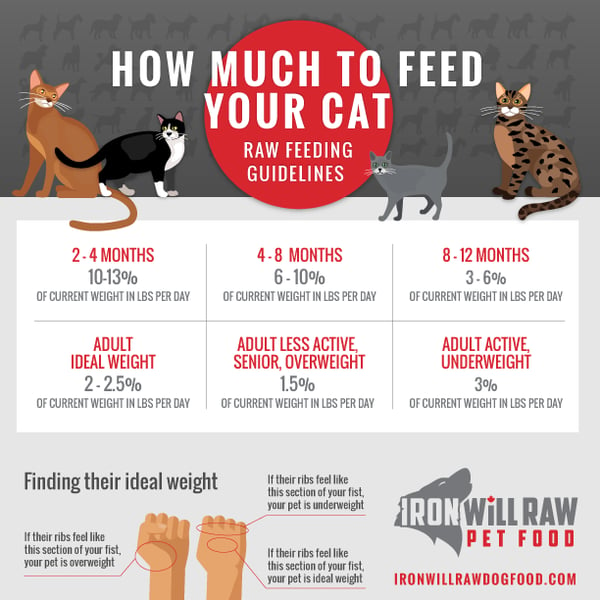
Credit: ironwillrawdogfood.com
Frequently Asked Questions
Is 2 Cans Of Food A Day Enough For A Cat?
Two cans of food daily might not meet a cat’s nutritional needs. Portion sizes vary by cat’s age, weight, and activity level. Consult your vet for tailored feeding advice. Always ensure your cat gets a balanced diet for optimal health.
How Much Food Should I Feed My Cat Per Day?
Feed your cat 24 to 35 calories per pound of body weight daily. Adjust based on activity and age. Consult with your vet for personalized advice.
Is 1 Cup Of Food A Day Enough For A Cat?
A cat’s daily food intake depends on its age, weight, and health. Generally, 1 cup may be too much or too little. Consult a veterinarian for personalized advice to ensure your cat receives adequate nutrition. Proper portioning helps prevent obesity and supports overall health.
How Much Canned Food To Feed A Cat Chart?
Feed your cat 3-5. 5 ounces of canned food daily per 8-10 pounds of body weight. Adjust based on activity level, age, and health. Always consult your vet for personalized advice.
Conclusion
Feeding your cat properly is crucial for their health. Measure portions carefully. Consult your vet for specific dietary needs. Cats have unique nutritional requirements. Adjust food quantities based on activity levels. Monitor your cat’s weight regularly. This helps maintain a healthy lifestyle.
Fresh water should always be available. A balanced diet ensures your cat thrives. A happy cat means a happy home. Always prioritize their well-being. Make informed feeding choices for your feline friend. Keep them active and engaged. Your cat deserves the best care.

Similar Posts