How Contagious is Ringworm from Cats: Unveiling Risks
You love your feline friend, but what happens when you notice a suspicious-looking patch on their fur? Ringworm, despite its misleading name, isn’t a worm at all.
It’s a fungal infection that can easily spread from your cat to you. But just how contagious is it? Your curiosity and concern are justified, especially if your cat is a cherished member of your family. Understanding the risks can empower you to protect both yourself and your furry companion.
Dive into this article to uncover essential insights about ringworm transmission and learn simple steps to safeguard against this pesky invader. Don’t let uncertainty linger—arm yourself with knowledge and keep your home a healthy haven.
Ringworm Basics
Ringworm Basics: Cats are adorable creatures, but they can sometimes bring unexpected surprises into your home. One of these surprises is ringworm, a common fungal infection. Understanding the basics of ringworm can help you protect your furry friends and yourself from this pesky condition. Have you ever wondered just how contagious ringworm is, especially when it’s your beloved cat that’s affected? Let’s dive into some key points about ringworm and how it spreads.
What Is Ringworm
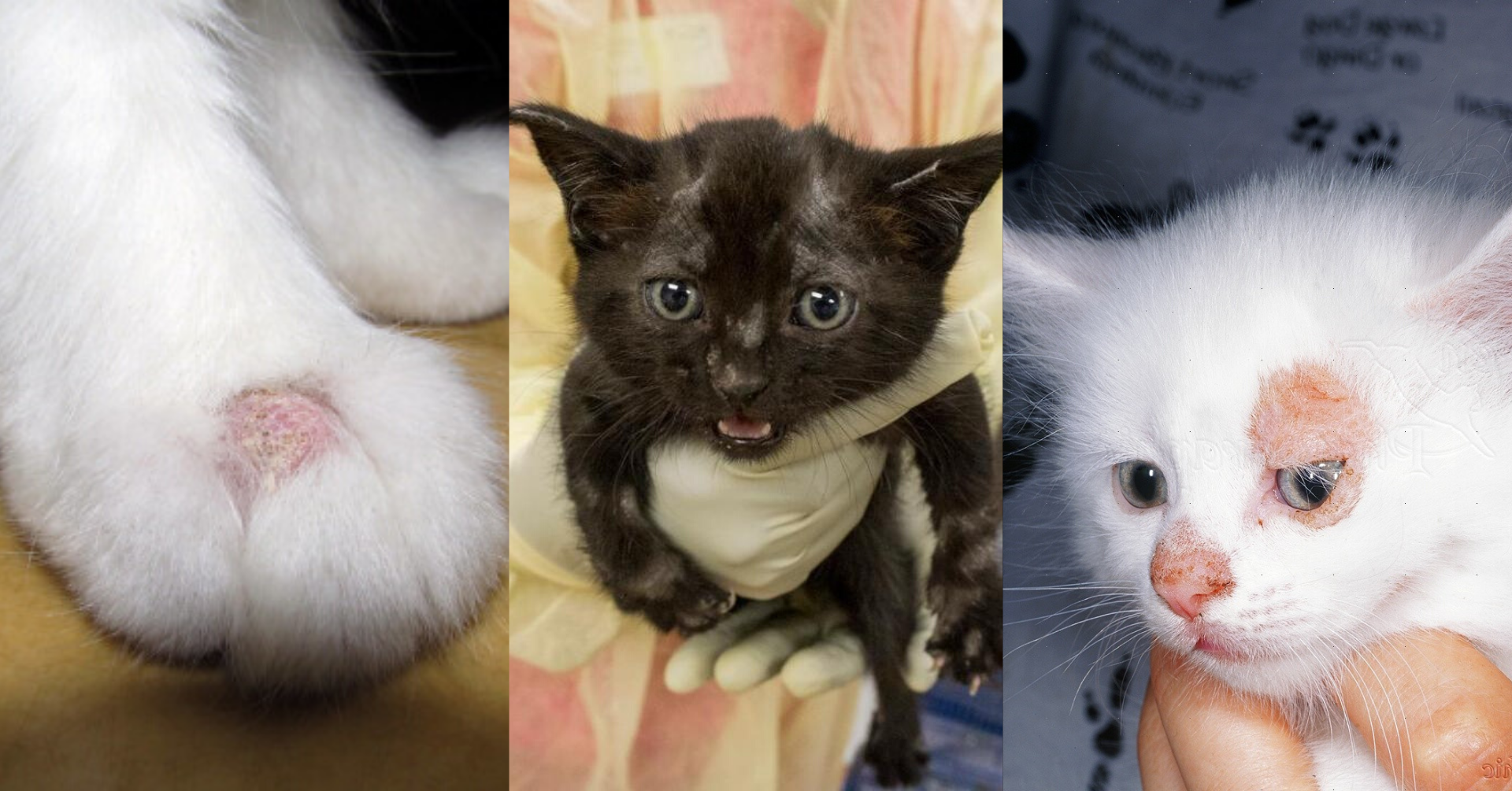
Despite its name, ringworm isn’t caused by worms. It’s a fungal infection that affects the skin, hair, and nails. When a cat has ringworm, you’ll often notice circular patches of hair loss or scaly skin. These are telltale signs that need attention.
Ringworm is not exclusive to cats; it can also affect humans. This makes it crucial to recognize the symptoms early. If you spot any abnormalities on your cat’s skin, consider consulting a vet promptly.
Causes And Transmission
Ringworm is caused by dermatophyte fungi. The most common type affecting cats is Microsporum canis. These fungi thrive in warm and moist environments, making your home a potential breeding ground.
Transmission occurs through direct contact with an infected animal or contaminated surfaces. Imagine your cat lounging on your favorite sofa; if it has ringworm, it can leave spores behind. You might unknowingly touch these spores and become infected.
How can you minimize the risk? Regular cleaning and vacuuming can help reduce the number of spores in your home. Do you have a multi-pet household? Keep infected animals isolated until they are treated.
Ringworm in cats is indeed contagious, but you can take steps to protect yourself and your family. Regular vet visits and hygiene practices are essential. Do you have any tips for dealing with ringworm that have worked for you? Share your experiences in the comments below!
Credit: careyanimalhospital.com
Ringworm In Cats
Ringworm in cats spreads easily to humans and other animals through direct contact. This fungal infection can linger on surfaces like bedding, brushes, and toys, making it highly contagious in shared spaces. Regular cleaning and treatment help prevent spreading.
Ringworm in cats can be a puzzling issue for many pet owners. Despite its name, ringworm is not a worm but a fungal infection that affects the skin, hair, and nails of your feline friend. This common condition can be easily spread to other pets and even humans, making it crucial to understand its symptoms and treatment options.Symptoms In Cats
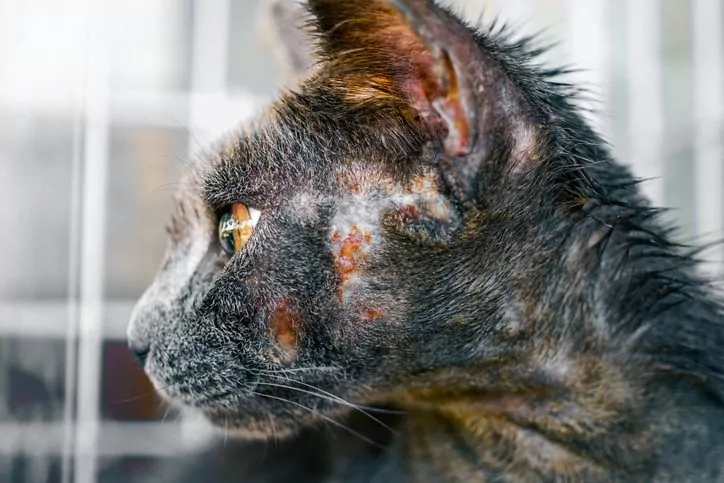
Recognizing ringworm in cats can be tricky, as the symptoms might resemble other skin conditions. Look for patches of hair loss, often circular, on your cat’s body. You might also notice scaly or crusty skin, and your cat may scratch more than usual due to the discomfort. Cats can sometimes carry the fungus without showing obvious signs, which is why it’s essential to monitor their behavior closely. Have you noticed changes in your cat’s grooming habits? That could be an early indicator of something amiss.Diagnosis And Treatment
Diagnosing ringworm involves more than just a visual inspection. A vet might perform a Wood’s lamp test, which uses ultraviolet light to highlight the fungus. Sometimes, a skin scraping or culture is needed for a definitive diagnosis. Once confirmed, treatment typically involves a combination of topical and oral antifungal medications. Your vet might recommend a medicated shampoo or ointment to apply directly to the affected areas. Maintaining a clean environment is also crucial, as ringworm spores can linger on bedding and furniture. Have you tried keeping your cat’s bedding and toys clean? Regular washing can significantly reduce the risk of re-infection. Remember, a quick response can make a huge difference in managing this condition effectively.Human Risk Factors
Ringworm from cats spreads easily through direct contact. Touching infected fur or skin increases the risk. This fungal infection can transfer quickly if precautions are not taken.
Ringworm is a common fungal infection. Cats can transmit it to humans easily. Understanding the human risk factors is vital. This helps prevent the spread of this contagious infection. Let’s explore how ringworm transmits from cats to humans. We will also look at vulnerable groups affected by this infection.Transmission To Humans
Ringworm spreads through direct contact. Touching an infected cat is a common way. The fungus can live on cat fur and skin. It can transfer to human skin. Shared environments like bedding also pose risks. The fungus can survive on surfaces for a long time. Hygiene plays a crucial role in prevention. Regular cleaning reduces the chances of transmission.Vulnerable Groups
Some people are more prone to ringworm. Children are at higher risk. Their immune systems are not fully developed. Elderly individuals are also vulnerable. Their skin is more fragile. People with weakened immune systems face greater risks. This includes those with medical conditions. Individuals with skin injuries or cuts should be cautious. They provide easy entry for the fungus. Awareness and prevention strategies are essential. Proper care can help minimize risks.
Credit: www.petmedicalcenterverobeach.com
Preventive Measures
Ringworm, a fungal infection, easily spreads from cats to humans. Understanding preventive measures helps reduce the risk of transmission. These steps protect both you and your feline friend. Keeping your environment clean and using proper protective gear are essential steps.
Hygiene Practices
Wash your hands after touching your cat. Use soap and warm water. Clean all surfaces your cat contacts daily. Disinfect cat bedding weekly. Vacuum carpets and furniture regularly. This removes fungal spores. Avoid sharing personal items with your cat. This includes towels and blankets. Keep your cat’s litter box clean. Change it often. Wear gloves when handling it.
Protective Gear
Wear gloves when grooming your cat. This protects your skin. Consider long sleeves to cover your arms. Use a disposable apron when bathing your cat. This keeps your clothes clean. Regularly check your cat for ringworm signs. Early detection prevents spread. If your cat has ringworm, limit its contact with others. Isolate the cat in a specific area. This reduces the risk of spreading the infection.
Managing Infected Cats
Ringworm in cats spreads easily through direct contact with infected fur or skin. Humans can catch it too. Treat infected cats promptly to prevent spreading.
Managing infected cats requires thoughtful strategies to ensure both the pet’s health and the safety of those around them. Ringworm, a common fungal infection in cats, can spread rapidly if not handled with care. As a cat owner, you might feel overwhelmed when faced with this challenge. However, by understanding effective management techniques, you can mitigate the risk of spreading the infection further. Let’s explore some practical steps you can take to manage infected cats effectively.Isolation Techniques
When your cat is diagnosed with ringworm, isolating them is crucial. Set up a separate area where they can rest and recover without risking contact with other pets or family members. Think of this area as your cat’s healing sanctuary. Make it comfortable with their favorite bed and toys. A spare room or a cozy corner with a barrier can work well. Regularly check on your cat, providing attention and care while maintaining distance. This helps in preventing the spread of the infection while ensuring your pet doesn’t feel neglected.Cleaning And Disinfection
Cleaning and disinfecting your home is essential in preventing the spread of ringworm. Focus on areas where your cat spends the most time, including their bedding, toys, and favorite spots. Use a pet-safe antifungal cleaner to sanitize these areas. Vacuum carpets and upholstery frequently to remove hair and skin flakes that might harbor the fungus. Don’t forget about your hands; wash them thoroughly after handling your cat or cleaning their area. It’s these small steps that play a significant role in keeping the infection contained. Have you ever considered how much a simple cleaning routine can affect your household’s health? Keeping your environment clean not only helps your cat recover faster but also protects everyone in your home. By isolating your cat and maintaining a rigorous cleaning schedule, you play a pivotal role in managing the infection effectively.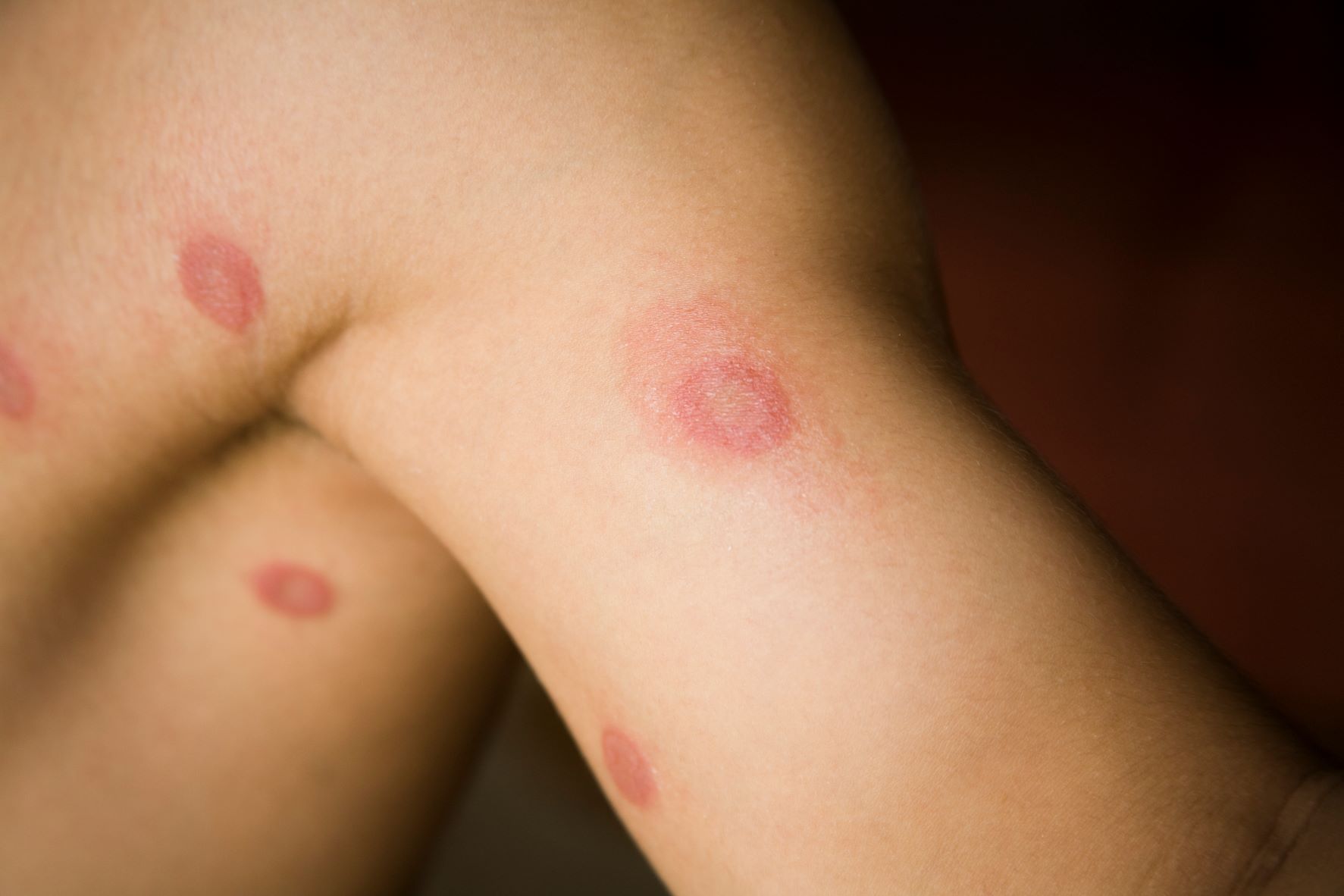
Credit: www.cdph.ca.gov
Myths And Facts
Ringworm from cats is quite contagious. It can spread to humans through direct contact with an infected cat. Regular handwashing and cleaning can help prevent transmission.
Understanding the myths and facts about ringworm contagion from cats can help you make informed decisions for your household. You might have heard alarming stories or comforting reassurances about this skin condition. But how do you separate truth from fiction? Let’s dive into some common misconceptions and what science has to say.Common Misconceptions
Many people believe that ringworm is a worm or parasite, but it’s actually a fungal infection. This misunderstanding can lead to unnecessary panic or the wrong treatments. Another myth is that if your cat has ringworm, you will definitely get it too. While ringworm is contagious, not everyone who comes into contact with it will get infected. Your immune system plays a crucial role in determining this. Some pet owners think that only stray or outdoor cats carry ringworm. Indoor cats can also contract the infection, especially if they come into contact with contaminated objects or other animals.Scientific Evidence
Research shows that the fungus causing ringworm can live on surfaces for up to 18 months. This means your cat doesn’t need direct contact with an infected animal to catch it. Regular cleaning of your cat’s environment can help reduce this risk. Studies indicate that children and individuals with weakened immune systems are more susceptible to ringworm. Knowing this, you can take extra precautions if you or your family members fall into these categories. Veterinary science confirms that while ringworm is contagious, it is not life-threatening. Treatments are effective, and early diagnosis can prevent its spread. If you notice symptoms like circular bald patches on your cat, a quick visit to the vet can offer peace of mind. Have you ever had to deal with ringworm from your cat? What steps did you take to prevent it from spreading? Your experiences could help others facing the same challenge.When To Seek Help
Cats can transmit ringworm easily through direct contact or shared items like bedding. Seek help if your cat shows signs like skin lesions or excessive scratching. Prompt treatment is crucial to prevent spreading ringworm to other pets and humans.
When you suspect ringworm in your cat, it can be an unsettling experience. The thought of it spreading to you or your family might raise concerns. Knowing when to seek help is crucial for the well-being of both your furry friend and your household.Consulting A Veterinarian
If you notice circular patches of hair loss or red, scaly skin on your cat, it’s time to contact a veterinarian. Early diagnosis is key to preventing the spread of ringworm. A veterinarian can conduct tests to confirm the infection and prescribe appropriate treatments. It’s not just about getting a prescription. Discuss preventive measures to protect other pets and family members. Your vet may suggest adjustments in your home care routine to minimize the risk of transmission. Think about your cat’s comfort and your peace of mind. Wouldn’t it be reassuring to have expert guidance on managing this contagious condition?Medical Advice For Humans
Have you touched your cat’s lesions and noticed similar symptoms on your skin? It might be wise to consult a healthcare professional. Ringworm is contagious to humans, and timely medical advice can prevent it from worsening. Your doctor can recommend antifungal treatments and suggest ways to protect your family. Pay attention to hygiene practices like regular hand washing and cleaning of surfaces. Ringworm can affect everyone in the household. Imagine the relief of stopping the spread before it reaches others.Frequently Asked Questions
How Easy Is It For Humans To Get Ringworm From Cats?
Humans can easily catch ringworm from cats through direct contact. Always wash hands after touching infected pets. Keep your cat’s environment clean to minimize risk. Regular vet check-ups help in detecting and treating ringworm early.
How Long Is My Cat’s Ringworm Contagious?
A cat with ringworm remains contagious for about 2 to 4 weeks with proper treatment. Regularly clean the environment and consult a vet for advice. Quick action reduces the spread, ensuring your cat recovers faster. Always handle your cat with care to prevent transmission to humans or other pets.
Do I Need To Quarantine If My Cat Has Ringworm?
Quarantine isn’t necessary for humans when your cat has ringworm. It’s vital to treat the infection promptly. Ringworm is contagious, so minimize direct contact and clean shared spaces regularly. Consult a vet for effective treatment and prevention measures to protect both pets and humans.
Do I Need To Clean My House If My Cat Has Ringworm?
Yes, you should clean your house if your cat has ringworm. Ringworm is contagious and can spread. Disinfect surfaces, wash bedding, and vacuum regularly to prevent transmission. This helps protect both humans and other pets in the household.
Conclusion
Ringworm from cats is quite contagious. It spreads easily through direct contact. Maintain good hygiene to prevent infections. Wash hands after touching cats. Regularly clean your pet’s bedding. Keep infected cats isolated. Seek veterinary advice if your cat shows symptoms.
Watch for signs on your skin too. Early treatment helps control the spread. Educate yourself about ringworm to stay safe. With care, you can protect both your cat and yourself. Stay informed and proactive. Protect your household from this common infection.

Similar Posts