Are Flea Collars Safe for Cats: Essential Safety Guide
Are flea collars safe for your beloved cat? This question might be keeping you up at night as you strive to ensure the health and happiness of your furry friend.
Fleas are more than just a pesky nuisance; they can cause significant discomfort and health problems for your cat. But with so many flea prevention options available, how do you choose the safest one? You might have heard conflicting opinions about flea collars, making it even harder to decide.
Are you putting your cat at risk by using them, or are they a convenient and effective solution? We’ll dive into the world of flea collars, shedding light on their safety, effectiveness, and what you need to know to make the best choice for your cat’s wellbeing. Stick around, because what you discover could make all the difference for your feline friend’s health and your peace of mind.
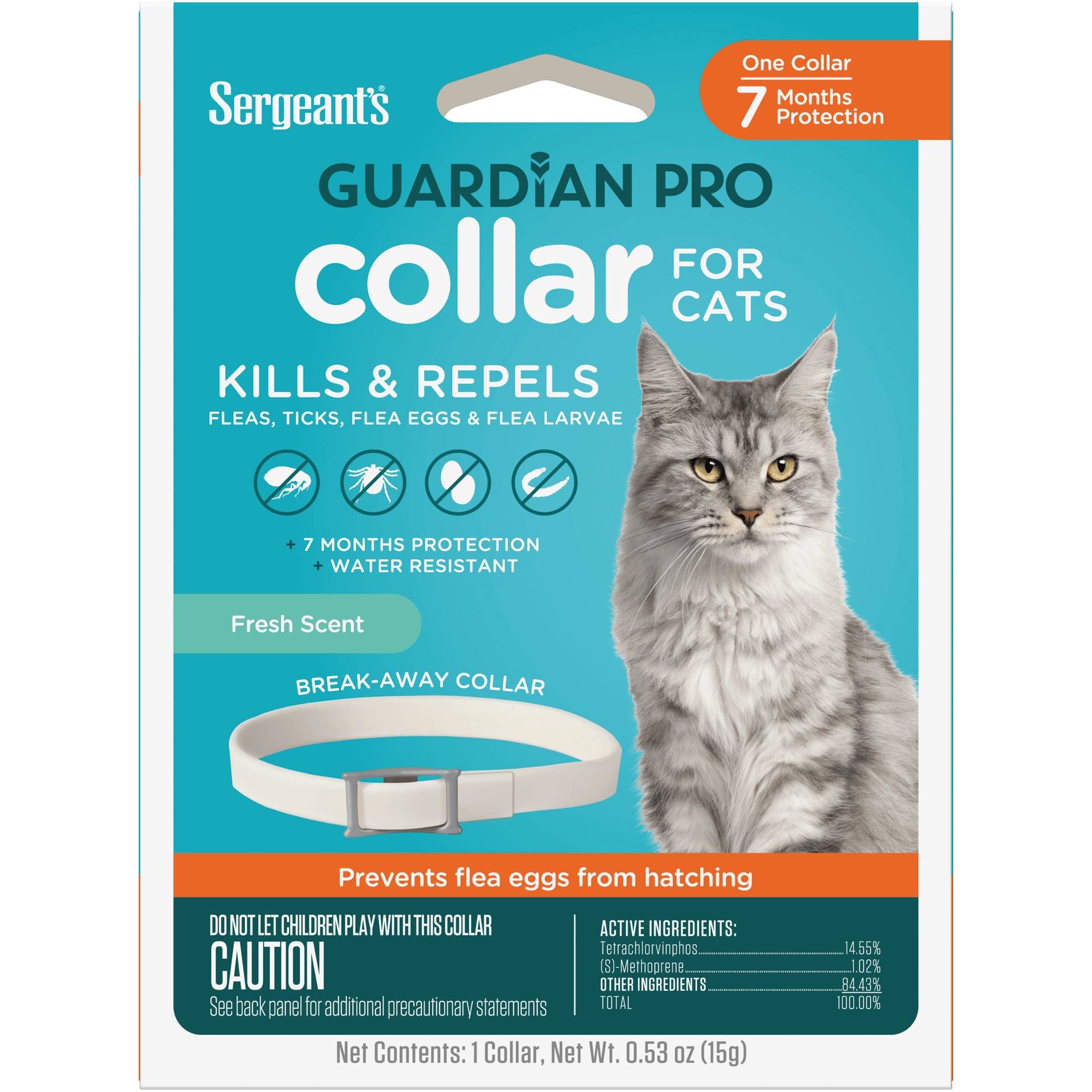
Credit: sergeants.com
Understanding Flea Collars
Flea collars are generally safe for cats but need careful selection. Choose collars specifically designed for cats to avoid irritation or harm. Always follow the instructions and consult your vet for the best advice.
Understanding flea collars is crucial for cat owners who want to protect their furry friends from pesky parasites. Flea collars are a popular choice due to their ease of use and long-lasting effects. But how exactly do these collars work, and what types are available? Let’s dive into the details and see if they’re the right fit for your feline companion.How Flea Collars Work
Flea collars release active ingredients that repel or kill fleas. These substances spread across your cat’s fur and skin, creating a protective barrier. It’s similar to putting on a coat that shields them from the cold, only this one fights off tiny invaders. Some collars work by emitting a gas that deters fleas, while others release medications absorbed by your cat’s skin. Have you ever wondered how effective they really are? The efficacy can vary depending on the collar’s quality and your cat’s lifestyle.Types Of Flea Collars
There are several types of flea collars to choose from, and knowing the difference can help you make the best choice. – Chemical Collars: These are the most common and contain active ingredients like imidacloprid or flumethrin. They can provide protection for months, but make sure your cat isn’t sensitive to these chemicals. – Natural Collars: Made with essential oils such as citronella and eucalyptus, they offer a gentler alternative. They may need more frequent replacing and might not be as effective in heavy infestations. – Ultrasonic Collars: These use sound waves to keep fleas at bay. While intriguing, their success rate varies, and they often serve better as a supplementary solution. Choosing the right type can feel overwhelming. Have you considered your cat’s habits and sensitivities? It’s important to balance safety and effectiveness to ensure your pet remains happy and healthy. When I first tried a flea collar for my cat, I was skeptical. But after seeing her remain itch-free for months, I realized the importance of picking the right collar. Have you found a solution that works for you and your feline friend?Potential Risks For Cats
Flea collars can pose risks for cats, including skin irritation or allergic reactions. Some collars may contain harmful chemicals, potentially leading to health issues. Always consult with a veterinarian to ensure your cat’s safety and choose the best flea prevention method.
When considering flea collars for your feline friend, it’s vital to understand the potential risks involved. While these collars are popular for keeping pests at bay, they might not be as harmless as they seem. Are you aware of the potential dangers your cat might face from wearing a flea collar?Chemical Exposure Concerns
Flea collars often contain pesticides that can be harmful if absorbed through your cat’s skin. These chemicals, such as permethrin or organophosphates, are intended to kill fleas but can also cause adverse reactions in some cats. Have you noticed your cat scratching more than usual or acting lethargic after using a flea collar? Sometimes, these chemicals can cause skin irritations or allergic reactions. Cats with sensitive skin might develop redness or rashes. If your pet exhibits such symptoms, it might be time to reconsider the use of flea collars.Physical Hazards
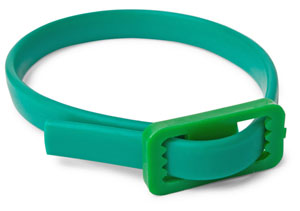
In addition to chemical risks, flea collars can pose physical dangers. A collar that’s too tight can cause discomfort or even injury. Have you checked the fit of your cat’s collar lately? Moreover, collars can get caught on furniture or branches, posing a strangulation risk. Ensure the collar has a quick-release mechanism to prevent accidents. It’s crucial to balance effectiveness with safety for your furry friend. These potential risks highlight the importance of weighing all options before choosing a flea collar for your cat. What alternatives have you considered to ensure your cat’s safety and comfort?Signs Of Adverse Reactions
Flea collars are popular among cat owners. They offer an easy solution to pest control. Yet, these collars can cause adverse reactions in some cats. It’s crucial to monitor your cat after introducing a flea collar. Recognizing signs of discomfort or distress early ensures your cat’s safety.
Skin Irritation Symptoms
Skin irritation is a common reaction. Check for redness around the neck. Look for swelling or rashes. Your cat may scratch frequently. Excessive grooming can indicate discomfort. Bald patches may appear near the collar area. These symptoms suggest the collar is causing irritation.
Behavioral Changes
Behavioral changes can signal a problem. Your cat might become lethargic. Unusual hiding is another sign. Watch for increased aggression. Cats may refuse to eat or drink. Excessive meowing can indicate distress. These behaviors often result from discomfort or pain.
Credit: www.cathealth.com
Alternatives To Flea Collars
Flea collars are common, but not all cat owners prefer them. Some worry about chemicals and side effects. Thankfully, there are safe alternatives. These options offer effective flea control without collars. Let’s explore some popular choices.
Topical Treatments
Topical treatments are easy to apply. They usually come in a small tube. The liquid is applied to your cat’s skin. It spreads naturally over their body. Most kill fleas on contact. Some even repel ticks. They often last for a month. Be sure to choose one made for cats. Dog treatments can be harmful.
Oral Medications
Oral medications work from the inside out. They are usually in pill form. These medications kill fleas quickly. Some start working in 30 minutes. They can also prevent future infestations. Cats need a prescription for these pills. Consult your vet for the best option.
Natural Remedies
Natural remedies are a gentle choice. Many use essential oils like lavender. Fleas dislike these scents. Make sure to dilute oils properly. Vinegar is another option. Mix it with water for a safe spray. Regular grooming helps too. A flea comb removes fleas and eggs. Always check for reactions to new products.
Choosing The Right Flea Collar
Choosing the right flea collar for your cat is crucial. It ensures their safety and comfort. Not all flea collars are created equal. Some may contain harmful chemicals. Others might not be effective. Finding the right one requires careful consideration. This section explores important steps in selecting a safe flea collar for your feline friend.
Consulting A Veterinarian
Talk to your veterinarian before purchasing a flea collar. They know your cat’s health history. They can recommend safe options. Veterinarians understand which collars suit specific breeds. They help avoid allergic reactions or side effects. A professional’s advice is invaluable in choosing the safest product.
Reading Product Labels
Always read product labels carefully. Check the ingredients list. Look for any harmful chemicals. Ensure the collar is approved by relevant authorities. Follow the usage instructions exactly. Properly reading labels prevents potential health risks. It helps you understand what you’re using on your cat. Knowledge from labels ensures safe application and effective results.
Safety Tips For Flea Collar Use
Flea collars can be safe for cats with proper use. Ensure the collar fits snugly without being too tight. Monitor your cat for any adverse reactions like skin irritation or unusual behavior after application.
Ensuring the safety of your feline friend while effectively controlling fleas can be a daunting task. Flea collars are a popular choice among pet owners, but are they truly safe for your cat? To maximize their benefits and minimize any risks, it’s crucial to follow specific safety tips. These tips will help you confidently use flea collars while keeping your beloved pet safe and comfortable.Proper Application Techniques
Applying a flea collar correctly is essential for it to work effectively. Always read the instructions provided by the manufacturer. Each brand might have slightly different guidelines, so don’t skip this step. Ensure the collar fits snugly but not too tight. You should be able to slide two fingers comfortably between the collar and your cat’s neck. An ill-fitting collar can be both ineffective and uncomfortable for your cat. Trim any excess length from the collar. This prevents your cat from chewing on it, which could lead to ingestion of harmful chemicals. Keep an eye on your cat for the first few days to ensure they adjust well to the new accessory.Monitoring Your Cat
After putting on the flea collar, observe your cat closely. Look for signs of irritation or allergic reactions, such as redness, swelling, or excessive scratching. If you notice these symptoms, remove the collar immediately and consult your vet. Check your cat’s behavior. Are they acting differently or seem lethargic? While some changes might be normal as they adjust, persistent unusual behavior can indicate a problem with the flea collar. Regularly inspect the area under the collar. Make sure there are no skin irritations or hair loss. Routine checks ensure that your cat remains safe and comfortable while wearing the flea collar. Flea collars can be a helpful tool, but your cat’s safety should always come first. Have you ever considered how your cat might react to a new product? By following these safety tips, you can protect your furry friend while keeping those pesky fleas at bay.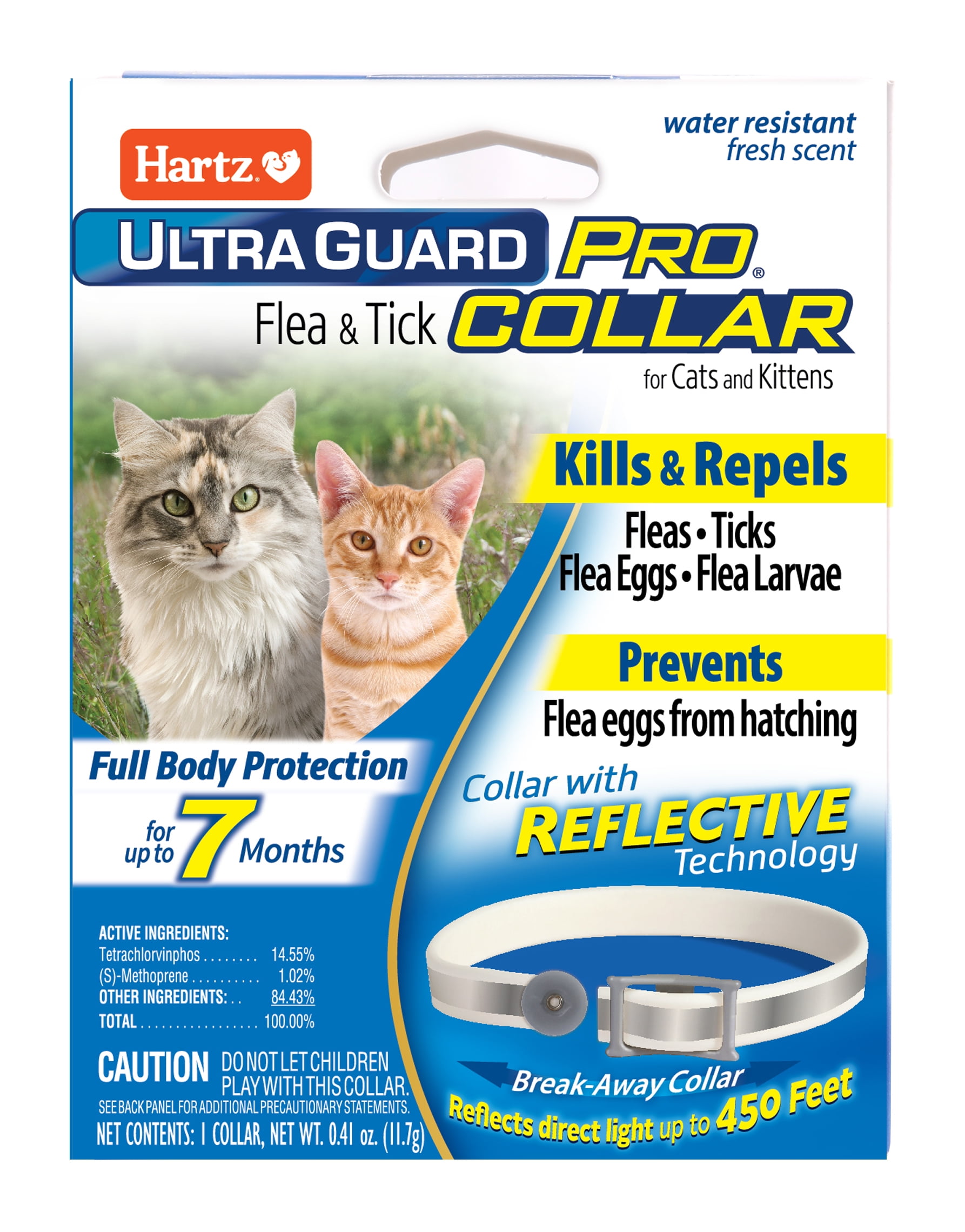
Credit: www.walmart.com
Frequently Asked Questions
Do Vets Recommend Cat Flea Collars?
Vets often recommend cat flea collars for their convenience and effectiveness. Choose collars with proven ingredients like flumethrin and imidacloprid. Always consult your vet to ensure safety and suitability for your cat. Regular checks and proper fitting are essential for optimal results.
Why Do Vets Not Like Flea Collars?
Vets often dislike flea collars due to potential skin irritation and limited effectiveness. Some collars use harmful chemicals, posing health risks. They may not kill all flea life stages, leading to incomplete protection. Other treatments like topical or oral medications are usually more effective and safer for pets.
What Is The Safest Flea Treatment For Cats?
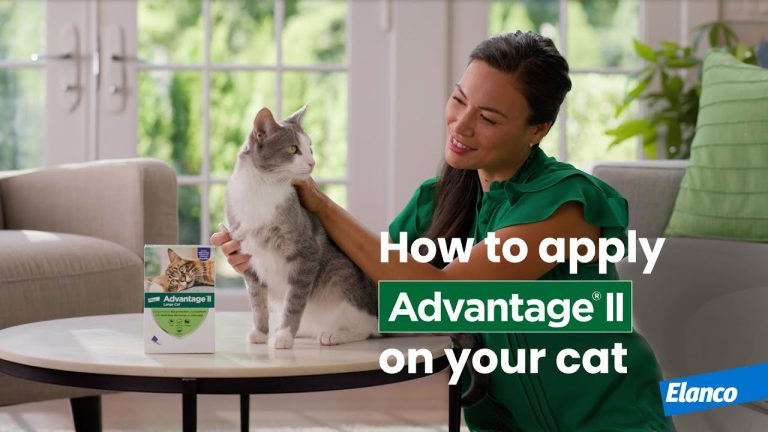
Revolution and Advantage II are considered safe flea treatments for cats. Consult your vet for advice. Ensure the product is specifically designed for cats. Always follow instructions to avoid adverse reactions. Natural alternatives like diatomaceous earth can be effective as well.
Regular grooming helps prevent flea infestations.
What Are The Disadvantages Of Flea Collars?
Flea collars can cause skin irritation and allergic reactions in pets. They may be less effective for severe infestations. Some collars contain harmful chemicals, posing risks to children and other animals. Limited coverage can leave untreated areas on pets, reducing effectiveness.
Conclusion
Ensuring your cat’s safety is crucial. Flea collars can help, but choose wisely. Check labels for harmful chemicals. Consult your vet for advice. Observe your cat for any unusual reactions. Every cat is different. Some collars suit one, but not another.
Regularly inspect your cat’s skin and fur. Clean surroundings to reduce fleas. Flea prevention needs attention and care. Keep your cat healthy and happy. Choose a collar that fits your cat’s needs. Safety first, always. Your efforts make a difference.
Enjoy peace of mind with informed choices.