A Civet Cat: Discovering Its Unique Role in Ecosystems
Imagine sipping your morning coffee, unaware that a small, enigmatic creature played a pivotal role in creating the world’s most expensive brew. Meet the civet cat, a nocturnal marvel whose presence stretches beyond its intriguing contribution to coffee culture.
But what is a civet cat, and why should you care about its story? As you delve deeper into the world of civet cats, you’ll uncover fascinating details about their unique lifestyle, their impact on ecosystems, and the controversy surrounding their role in producing Kopi Luwak coffee.
With each revelation, you’ll find yourself captivated by the delicate balance between nature and industry, urging you to explore the complexities and curiosities that surround this remarkable animal. Your curiosity will drive you to discover how civet cats are more than just a coffee catalyst—they are a crucial part of biodiversity and hold secrets waiting to be uncovered.
Credit: naturalnicheperfume.com
Civet Cat Characteristics
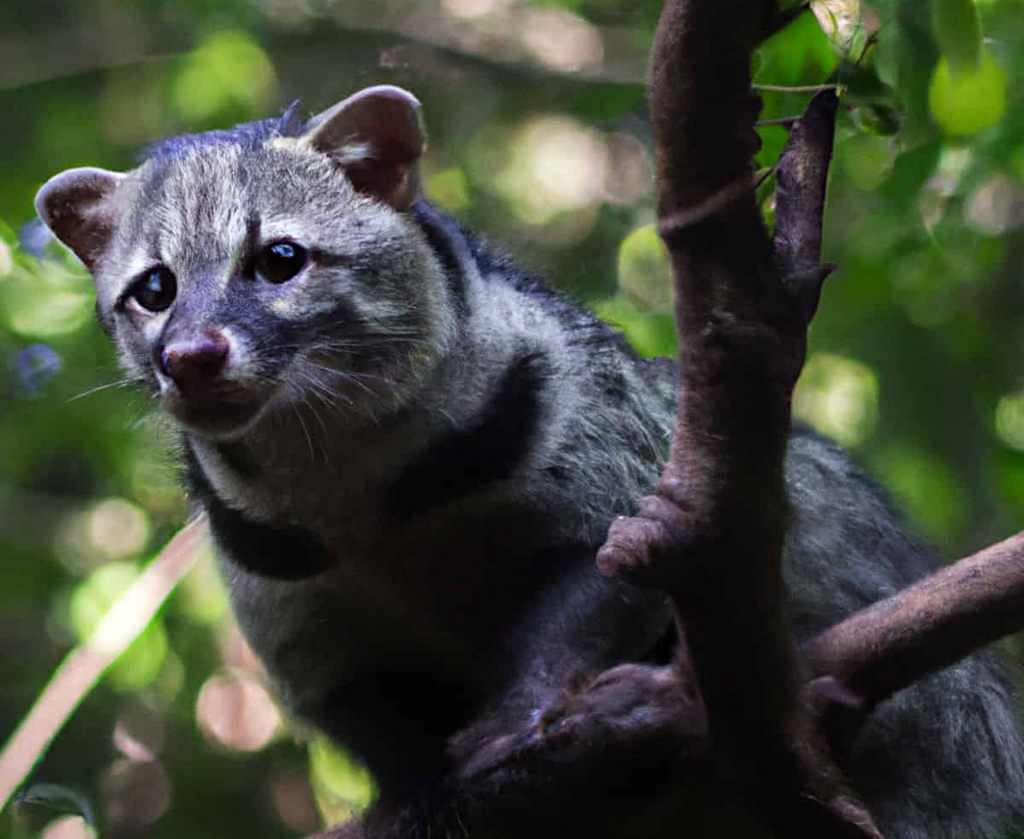
The civet cat is a fascinating creature with unique characteristics. This small mammal, often mistaken for a cat, belongs to the Viverridae family. Its distinct features and habits intrigue wildlife enthusiasts and researchers alike.
Physical Traits
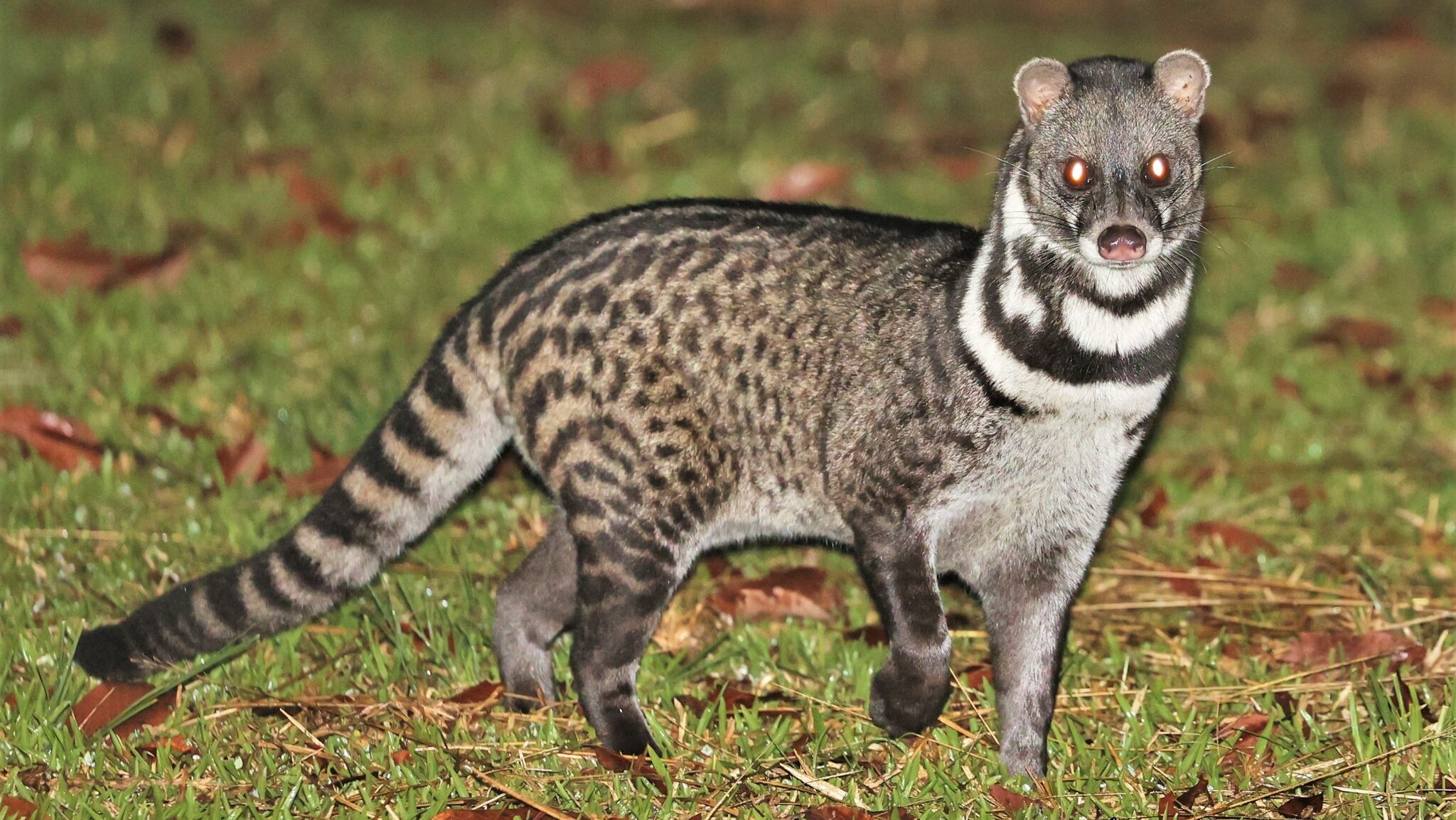
The civet cat is medium-sized, with a long body and short legs. Its fur is usually gray or brown, speckled with dark spots or stripes. These markings help it blend with the forest floor. The tail is bushy and often as long as the body. This helps with balance and maneuverability. The civet has a pointed face and sharp teeth. These features are perfect for hunting small prey.
Behavior Patterns
Civet cats are mostly nocturnal. They are active during the night and sleep during the day. This helps them avoid predators. Civets are solitary animals. They prefer to hunt and live alone. Their diet is omnivorous. They eat fruits, insects, and small animals. Civets are known for their unique scent-marking behavior. They use their scent glands to mark territory.
Habitat Preferences
Civet cats thrive in tropical forests. They prefer dense, lush environments. These areas provide plenty of cover and food. Some species adapt to living near human settlements. They find shelter in abandoned buildings and feed on leftovers. Despite their adaptability, deforestation poses a threat to their natural habitat. Conservation efforts aim to protect these unique creatures and their environments.

Credit: www.instagram.com
Diet And Feeding Habits
Understanding the diet and feeding habits of the civet cat can reveal fascinating insights into its ecological role and behavior. These creatures have a diverse palate, and their dietary choices impact their environment in surprising ways. Let’s delve into the unique aspects of their eating habits.
Omnivorous Diet
The civet cat is not a picky eater. It enjoys a wide variety of foods, including fruits, insects, and small vertebrates. This omnivorous diet allows it to adapt to different environments and seasonal changes. You might be surprised to learn that civets have a particular fondness for ripe fruits, often choosing them over other food options.
Imagine stumbling upon a civet cat feasting on figs in a lush rainforest or nibbling on insects in a suburban garden. Their adaptability is a testament to their survival skills. What would you choose if you were faced with such a diverse buffet?
Role In Seed Dispersal
The civet cat plays a crucial role in seed dispersal, an essential process for maintaining healthy ecosystems. As they consume fruits, seeds pass through their digestive system and are deposited elsewhere, facilitating plant growth in new areas. This natural process aids in the regeneration of forests and the spread of plant species.
Have you ever considered how creatures like the civet cat contribute to the balance of nature just by following their feeding habits? Next time you see a forest teeming with life, think about the tiny seeds that traveled via a civet’s digestive tract.
Impact On Local Flora
Civet cats influence local flora by controlling fruit populations and aiding in plant diversity. Their feeding habits ensure that some plants don’t dominate the landscape, allowing a variety of species to thrive. This balance is crucial for sustaining the intricate web of life within their habitats.
Take a moment to ponder the delicate interplay between the civet cat and its environment. How might the absence of such a creature affect the local flora and the broader ecosystem? The civet’s feeding habits are not just about survival; they are a vital part of maintaining ecological harmony.
In observing the civet cat’s diet and feeding habits, we uncover a symbiotic relationship between animal and environment. Their choices have a lasting impact, shaping the world around them in more ways than we might initially see. How might your own dietary choices impact your surroundings?
Role In Ecosystems
Civet cats play a vital role in ecosystems by dispersing seeds through their feces. This helps plants grow in new areas. They also control insect and small animal populations, maintaining balance in the environment. Their presence supports biodiversity and healthy habitats.
Civet cats, often overlooked, play crucial roles in maintaining the delicate balance of ecosystems. Their presence impacts numerous ecological functions, from controlling insect populations to aiding in seed dispersion. By understanding their roles, you can appreciate how interconnected and vital each species is to the environment.Predator-prey Dynamics
Civet cats are skilled hunters. They help regulate populations of insects, small mammals, and birds. This control prevents overpopulation and the subsequent depletion of vegetation, ensuring a balanced food web. Their diet is diverse, including fruits, which makes them less reliant on any single food source. This adaptability means they can thrive in various environments, contributing consistently to predator-prey balance. Think about the last time you saw a garden flourish. A civet cat might be quietly ensuring that pests are kept in check, indirectly supporting plant health.Ecological Balance
Civet cats are both predators and prey. Larger predators rely on them as a food source, creating a dynamic and interconnected ecosystem. This dual role helps maintain the balance, as they both hunt and are hunted. Their presence keeps the ecosystem dynamic and prevents any single species from dominating. It’s a constant push and pull that maintains equilibrium in nature. Have you ever thought about how every animal has a job in nature’s balance? Civet cats might be small, but their impact is mighty.Biodiversity Contributions
Civet cats contribute to biodiversity through seed dispersion. As they consume fruits, they transport seeds across their territories, aiding plant growth in new areas. This process is essential for plant diversity and regeneration. Their role in dispersing seeds from various fruiting plants supports forest health and resilience. This action ensures that no plant species monopolizes an area, promoting a rich variety of flora. Next time you walk through a lush forest, remember the civet cat might have played a part in the verdant tapestry around you. How does knowing this change your perspective on these small, yet significant creatures? Understanding the role civet cats play in ecosystems can transform how you view these creatures. They are not just solitary wanderers but crucial players in maintaining the intricate web of life. What other unseen roles might animals around you fulfill in the ecosystem?
Credit: en.wikipedia.org
Civet Cat And Human Interaction
Civet cats, small nocturnal mammals, play a unique role in human life. Their interaction with humans spans cultural, economic, and environmental dimensions. These fascinating creatures are known for their role in coffee production and their conservation challenges. Understanding their interaction with humans offers insights into sustainable practices and wildlife conservation.
Civet Coffee Production
Civet cats are famous for their role in producing civet coffee. This coffee, known as Kopi Luwak, is made using beans eaten and excreted by civet cats. The process is believed to enhance the flavor of the coffee beans. This unique production method has created a niche market for civet coffee. Its rarity makes it one of the most expensive coffees worldwide. However, ethical concerns arise regarding the treatment of civet cats in this industry.
Conservation Efforts
Conservation efforts are vital to protect civet cats from exploitation. Organizations work to ensure their habitats remain undisturbed. Educating communities about the ecological importance of civet cats is crucial. Sustainable practices are promoted to balance coffee production with wildlife protection. These efforts aim to preserve biodiversity and ensure civet cats thrive in their natural environments.
Challenges And Threats
Civet cats face numerous challenges and threats due to human activities. Habitat destruction is a significant concern, impacting their survival. The demand for civet coffee often leads to unethical practices. Captivity and mistreatment of civet cats have raised animal welfare issues. It’s essential to address these challenges to ensure civet cats’ well-being. Promoting awareness can help reduce threats and support conservation initiatives.
Civet Cat Conservation
Efforts to conserve civet cats are crucial for biodiversity. These small mammals play a vital role in their ecosystems. They help in seed dispersal and pest control. Protecting them ensures ecological balance. Conservation initiatives focus on habitat, community, and future prospects.
Habitat Preservation
Preserving habitats is essential for civet cat survival. Deforestation threatens their natural homes. Governments and organizations work to protect forests. They establish protected areas and promote sustainable land use. This helps maintain the civet cat population.
Community Involvement
Local communities play a key role in conservation. Educating people about civet cats fosters understanding. Community programs encourage sustainable practices. Villagers learn to coexist with wildlife. Involvement leads to stronger conservation efforts.
Future Prospects
Future prospects for civet cat conservation are hopeful. Scientific research provides insights into their needs. Technology aids monitoring and protection efforts. Collaboration between nations strengthens conservation strategies. The focus remains on long-term sustainability. With continued efforts, civet cats can thrive.
Frequently Asked Questions
What Is A Civet Cat And Why Are They Famous?
A civet cat is a small, nocturnal mammal known for its musk used in perfumes. They’re famous for producing Kopi Luwak, a unique coffee made from beans digested by civets.
Are Civet Cats In The Us?
Civet cats are not native to the US. They are primarily found in Asia and Africa. Some zoos and private collections may house them, but they are not common. Always check local regulations before acquiring exotic animals like civet cats.
Can A Civet Cat Be A Pet?
Civet cats can be kept as pets but require special care and permits. They are exotic animals and may not adapt well to domestic life. Research and check local laws before considering a civet cat as a pet. It’s essential to ensure their environment is safe and suitable.
Is Civet Cat Smelly?
Yes, civet cats can be smelly. They secrete a musky scent from their perineal glands. This scent is often used for marking territory. Despite the odor, civet musk is valued in the perfume industry for its unique fragrance.
Conclusion
Civet cats offer unique insights into wildlife. Their secretive nature intrigues many. Their role in ecosystems is vital. They help in seed dispersal. Their nocturnal habits make them fascinating to study. Conservation efforts can protect them. Understanding civet cats enriches our appreciation of biodiversity.
Their presence highlights ecosystem health. Observing them teaches us about nature’s balance. Respect their habitats for future generations. Exploring their world invites curiosity. Learning about them nurtures our connection to nature. Their stories inspire awareness. Appreciate the civet cat’s role in the natural world.
Embrace the wonders of wildlife around us.